

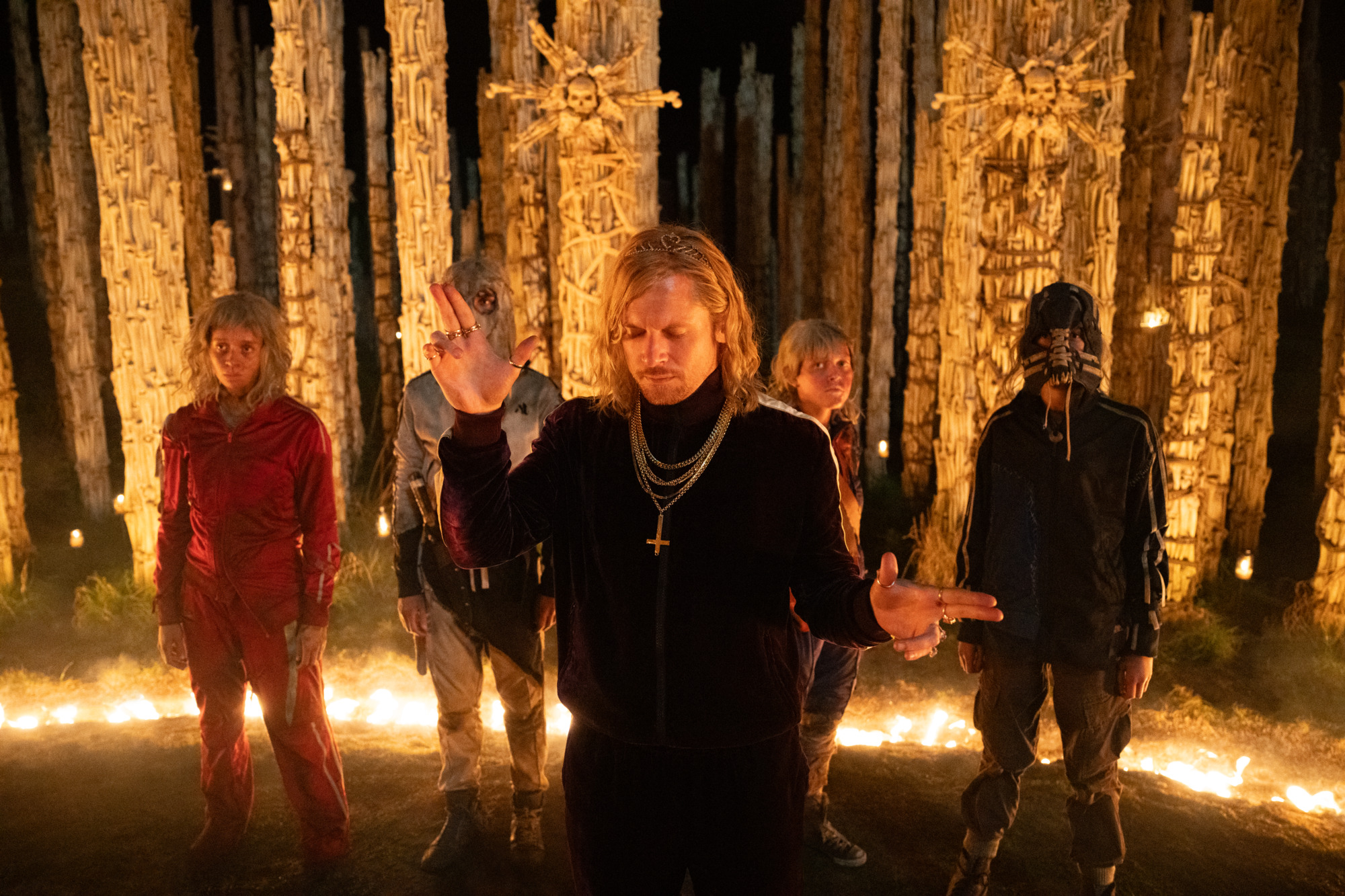

Little did we know in 2002 when Danny Boyle and Alex Garland’s genre-furthering zombie horror 28 Days Later released that it would spawn an entire series. With four films in the franchise (and a fifth reportedly on the way), the franchise depicts the outbreak and effects of the contagious Rage Virus that induces homicidal rage in those that become infected, be it from a full-on bite or just a small drop of blood. The series focuses on the impact of the disease and how it decimates British society, and the original became quickly lauded as a cult classic and has had a significant influence in expanding the the zombie horror genre.
After the critically acclaimed 28 Days Later, neither director Danny Boyle or writer Alex Garland returned for the second instalment, 28 Weeks Later, handing the keys to Spanish director Juan Carlos Fresnadillo. Although it received good reviews, many felt it wasn’t a patch on the original.
The series remained dormant until 2025, when both Boyle and Garland returned with 28 Years Later. This was intended as the start of a new trilogy written by Garland, and was filmed back-to-back with 28 Years Later: The Bone Temple, although Boyle passed the baton to Candyman director Nia DaCosta. With The Bone Temple generating a rapturous response, a trilogy capper has been greenlit with Boyle back at the helm.
In this article, I’ll rank the four films to date – and it proved a rather difficult task because this is one of the most consistent horror series out there where even the film in last place is well above average.
4) 28 Weeks Later

The second film in the series is the only one to date that didn’t have Alex Garland on writing duties, but 28 Weeks Later is still an above average zombie horror with plenty going for it. Robert Carlyle makes for an excellent lead as Donald ‘Don’ Harris, who we witness leave his wife behind during a zombie attack in the brilliant opening scene. The rest of the film then relocates the action to London, where the American-led NATO forces try to establish a safe zone. Don tries to reunite with his children Tammy (a young Imogen Poots) and Andy (Mackintosh Muggleton) where he lies about abandoning their mother. But Tammy and Andy quickly discover they haven’t been told the truth when she’s found alive and well, and it’s discovered she’s an asymptomatic carrier of the Rage Virus. What follows is an insightful study into how societal breakdown reveals our worst selves and Juan Carlos Fresnadillo directs the film with plenty of energy in its thrilling second half. It may lack Danny Boyle’s frenetic direction, but 28 Weeks Later is a very fun ride.
3) 28 Days Later
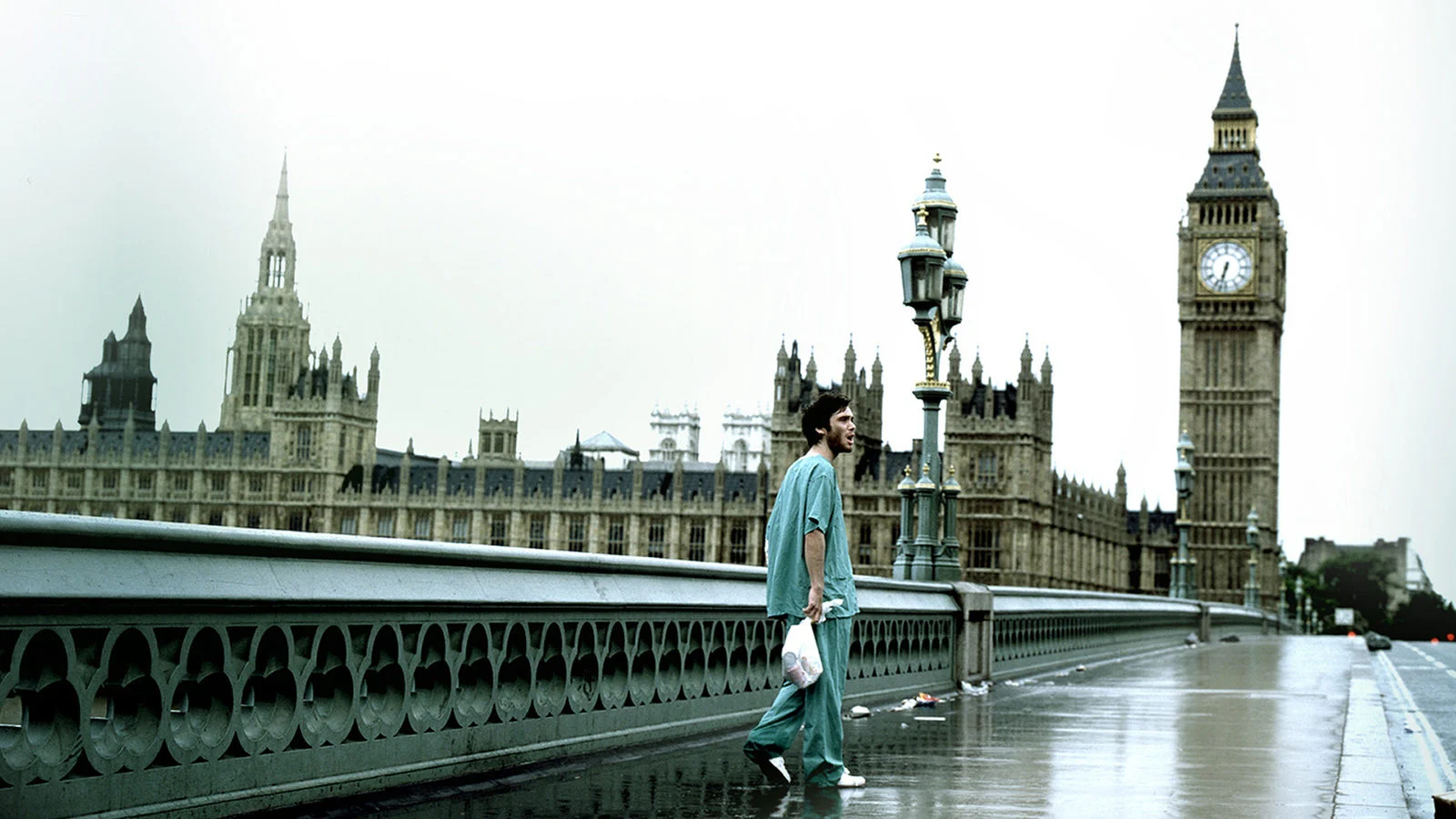
While I’m sure many will feel the original film placing third in this list is blasphemous, hear me out. 28 Days Later is an excellent zombie horror that progressed the genre with its fast-moving infected and clear inspiration from George A. Romero’s Night of the Living Dead. Garland’s script provides plenty of sharp commentary on the breakdown of society and there’s some excellent performances from Cillian Murphy, Naomie Harris and Brendan Gleeson. The first hour has a real bravura energy to it with some terrific set pieces, and is unmistakably Danny Boyle with Anthony Dod Mantle’s kinetic cinematography. John Murphy’s score is also endlessly memorable in its simplicity. But I’ve always thought the second half doesn’t live up to the first when the central quartet arrive at Christopher Eccleston’s army compound. At this point, the film becomes less about its characters and while it’s still very entertaining, it’s the first half that really shines.
2) 28 Years Later: The Bone Temple
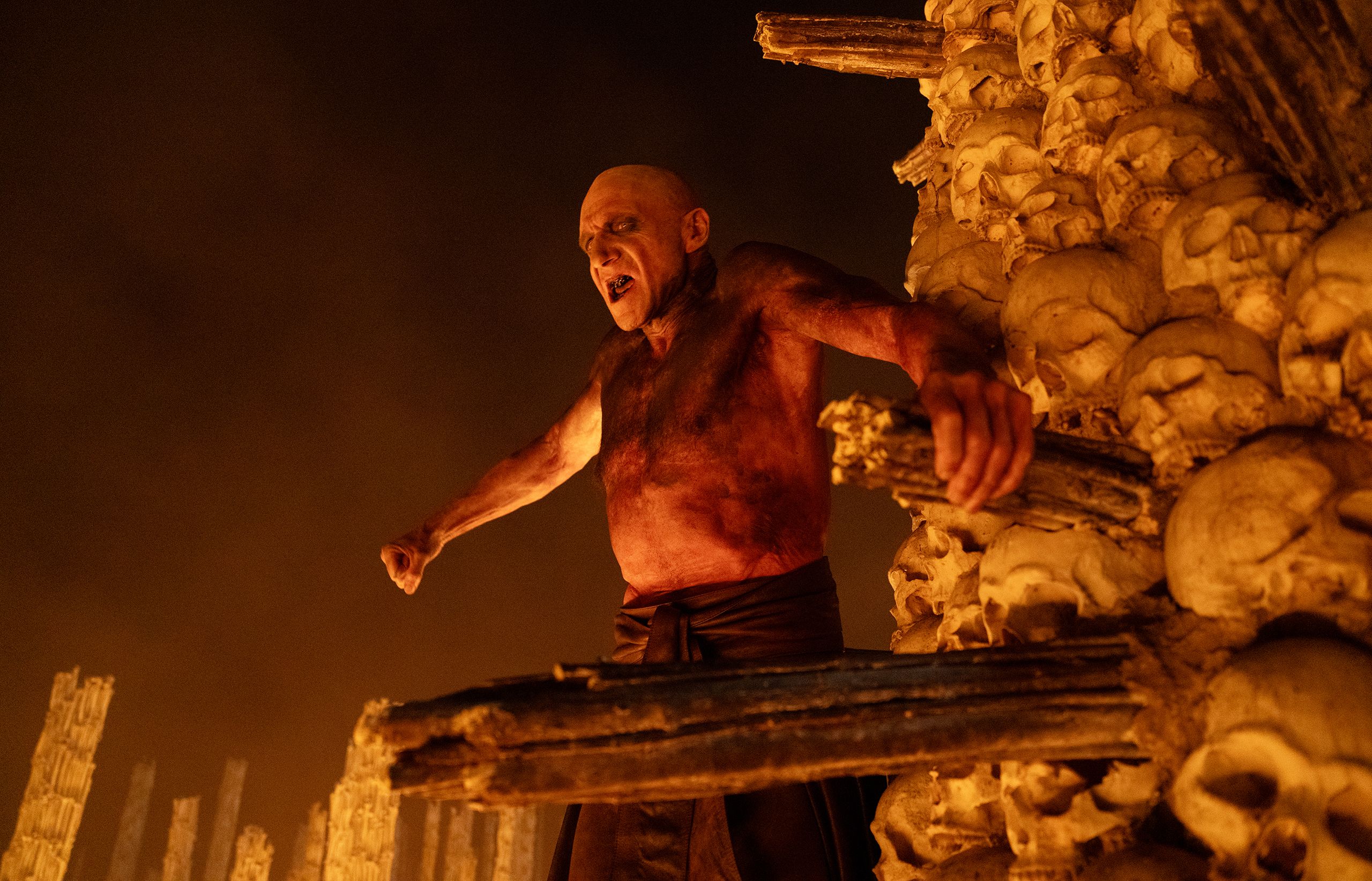
While 28 Years Later: The Bone Temple lacks Danny Boyle’s frenetic directorial style, it more than makes up for it with its fascinating narrative and memorable characters. It’s the very antithesis of 28 Years Later – a shaggy-dog affair with Anthony Dod Mantle’s disorienting but beautiful camerawork (often on an iPhone) that’s stuffed to the brim with thoughtful ideas and themes, while Nia DaCosta’s sequel is a focussed and polished film that feels smaller in scope. But that’s not a problem because this is a powerfully gripping sequel from start to finish (28 Years Later‘s second act relies on a slightly far-fetched decision that throws you out a little) with some sensational performances.
DaCosta sets the grim tone from the very first scene with Spike’s brutal and foul-mouthed initiation and never relents – this film is gleefully nasty and doesn’t hold back with its torture or body organ consumption. It’s certainly the strongest film in the 28 Days Later series to earn its 18 BBFC age rating. Jack O’Connell’s turn as the Satanic cult leader is absolutely fantastic – he makes for a truly repugnant villain, but with plenty of charisma to make him memorable. Both Ralph Fiennes and Chi Lewis-Parry are just as impressive in the film’s second storyline and when the two arcs eventually collide, it results in a giddily exciting third act climax of immense proportion. What’s more, there’s a brilliant score by Hildur Guðnadóttir and although Sean Bobbitt’s cinematography isn’t as memorable as Anthony Dod Mantle’s work, there are some stunning shots here.
1) 28 Years Later
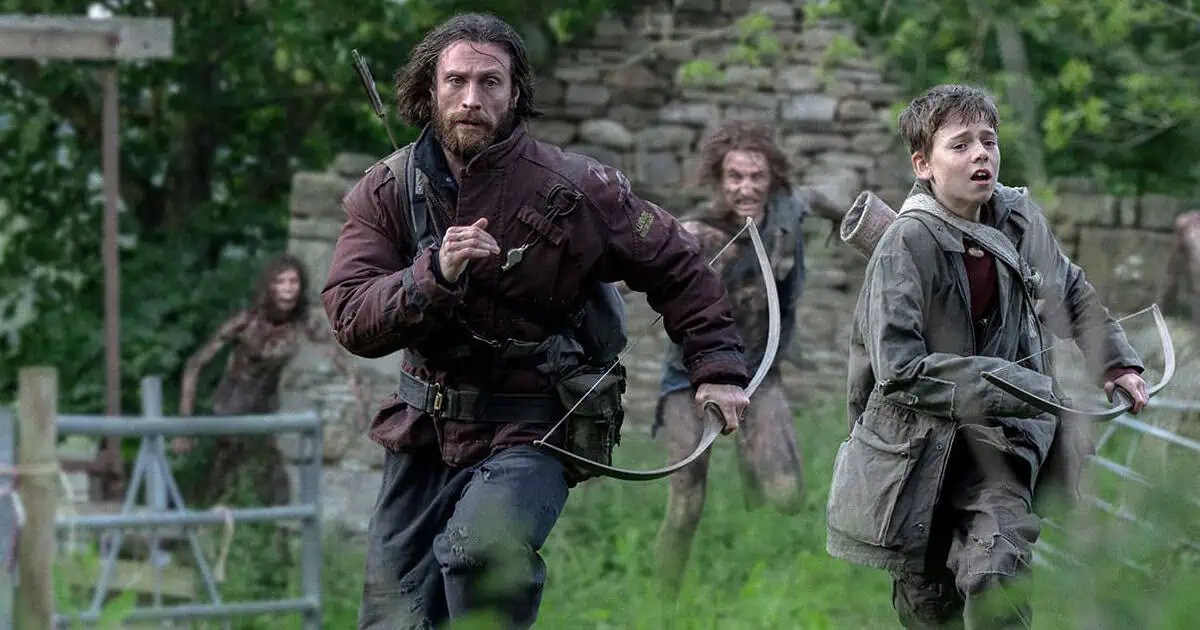
But the edge goes to 28 Years Later, the third film in the series and the first of a proposed trilogy. This is a very exciting and ambitious sequel that was worth the long wait and it often really soars. This is a Danny Boyle film through-and-through, so expect the grainy feel of the original (this time, lots of the film is shot on iPhones), coupled with seriously kinetic cinematography from Anthony Dod Mantle – it’s one of the most striking-looking films of 2025. This is a film that’s full of ideas, and one that refuses to take obvious choices and like some of returning screenwriter Alex Garland’s recent filmography, there are plenty of influences from the UK’s recent political turmoils as the duo paint a picture of a national identity crisis.
When we get to the action, 28 Years Later is absolutely bursting with adrenaline and you’re constantly looking around the screen (when Mantle chooses to settle the camera for a second) for danger. The first act is where the film is strongest, especially a sequence where Spike and Jamie find themselves cornered in a house and a white-knuckle chase along a causeway. I love the way Mantle chooses to briefly pause a shot when an infected is killed and replay the kill from a different angle, and there are some stunning shots of the lush Northumbrian countryside, as well as the sadly-no-more Sycamore Gap tree near Hadrian’s Wall. The film makes a choice in the second act, which prompts Spike to return to the mainland and this stretch felt a little clunky to me, even if it’s still very entertaining. But the third act when Ralph Fiennes’ character enters the fray sees the film back on firmer footing and there’s plenty of the folkloric and elegiac elements clearly inspired by Garland’s Annihilation and Men. I can forgive the slightly wonky second act for the sheer ambition of the rest of the film because it is often transcendent.
What are your thoughts? Let me know in the comments or tweet @TheFilmMeister
 The Film Meister
One thought on “Every Film In The 28 Days Later Series Ranked (Including 28 Years Later: The Bone Temple)”