Evil Dead Burn (Review)

Review
Still from 'Evil Dead Burn'

Rating: 3.5 out of 5.

Director: Sébastien Vaniček
Starring: Souhelia Yacoub, Tandi Wright, Hunter Doohan, Luciane Buchanan, Erroll Shand, Maude Davey
Certificate: 18

Run Time: 109 mins

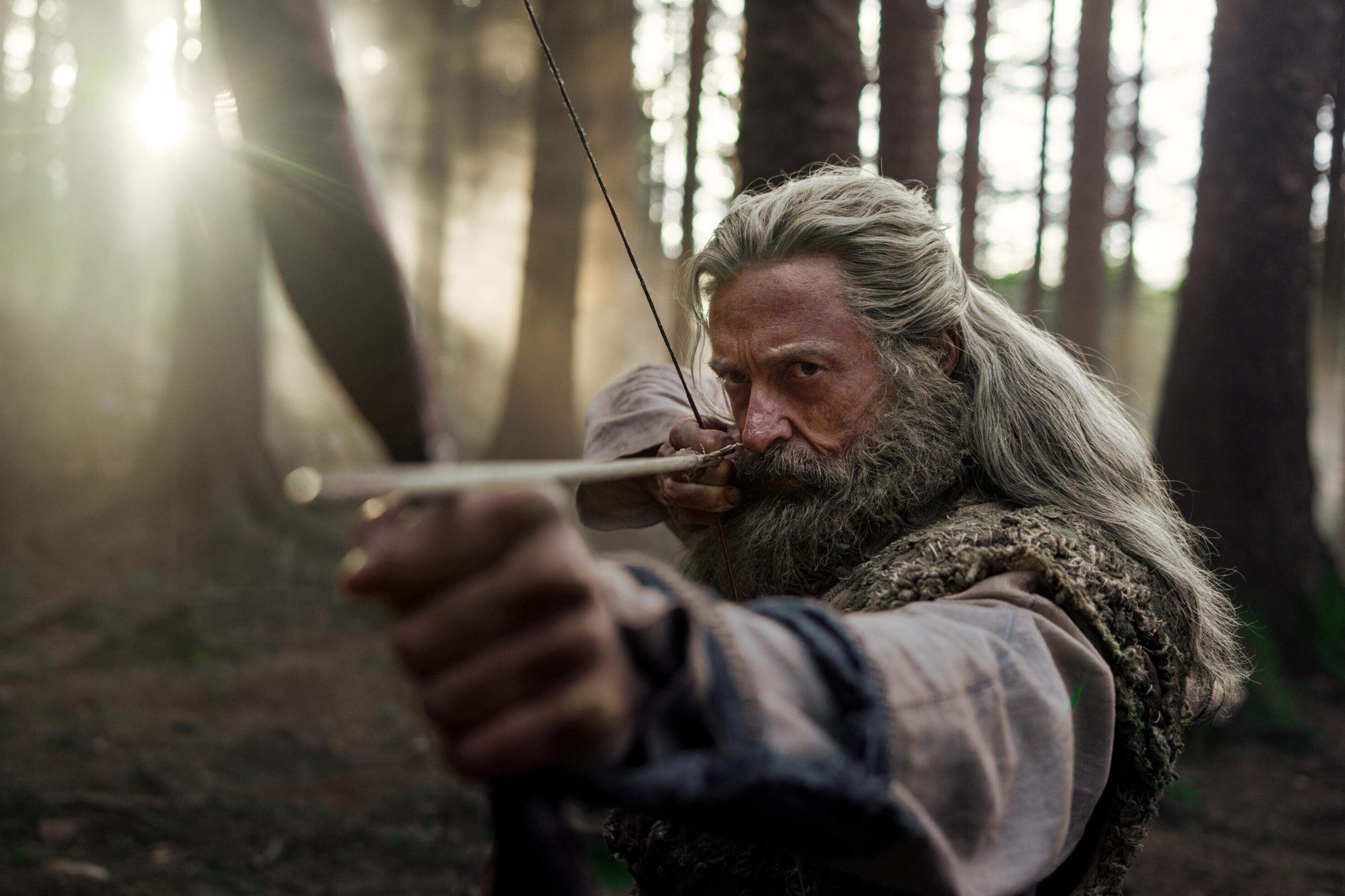
Evil Dead Burn is the sixth instalment in the supernatural horror franchise about an ancient Sumerian text that unleashes havoc on its prey, serving as a follow-up to 2023’s Evil Dead Rise. It’s one of few horror series where all the entries have been of decent quality, although contrary to its excellent reception, I thought Evil Dead Rise was terrible. I didn’t connect with any of the loathsome characters and director Lee Cronin made the crucial error in not understanding the franchise logic, as well as failing to make use of the film’s urban setting and turning in a very shonky script. Fortunately, Cronin’s out and Infested director Sébastien Vaniček is in, who co-writes the script with Florent Bernard.

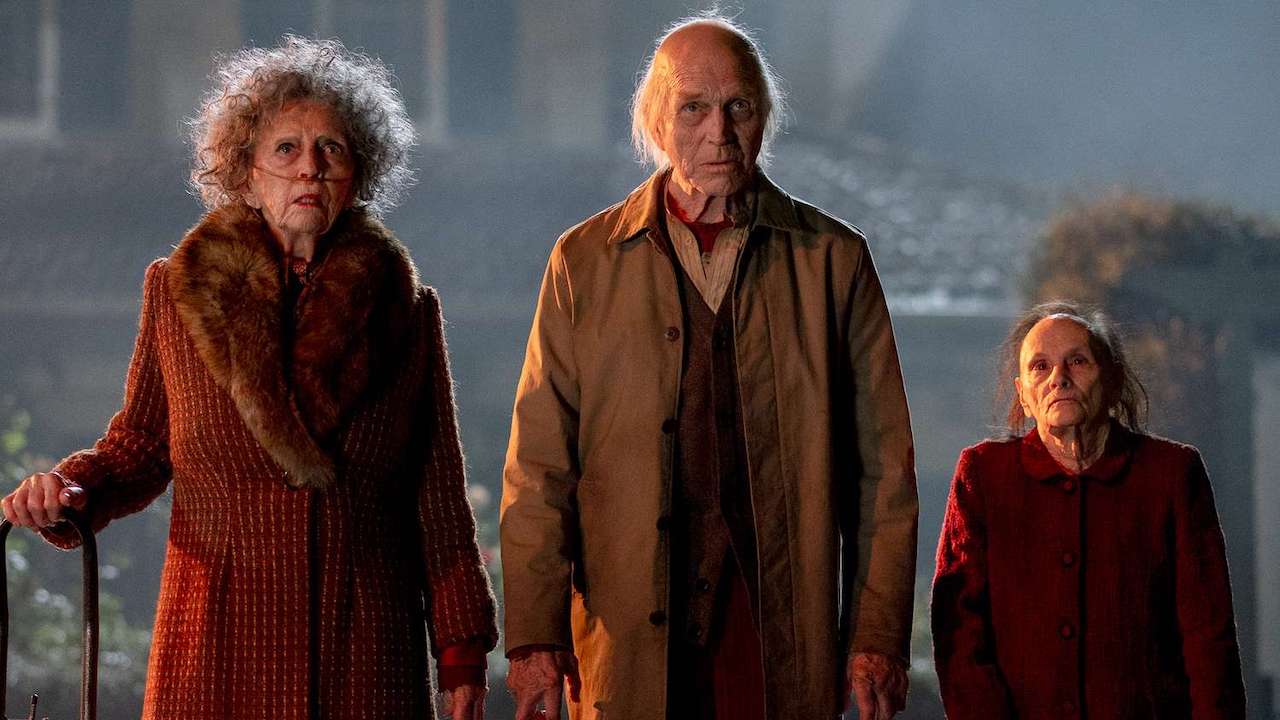
Souhelia Yacoub plays Alice Price, a young woman in an abusive marriage to Will (George Pullar) who gets bumped off after crashing car into a Deadite-possessed Jessica from Evil Dead Rise. The film then jumps forward to Will’s funeral, where his entire family and Alice attend. After a possessed Will escapes his coffin and attacks his father, Edgar (Erroll Shand), the family return to back to their lakehouse home where all kinds of mayhem ensues.

Although not without its flaws, Evil Dead Burn is a wickedly entertaining sequel that’s undoubtedly the series’ most vicious to date. It’s superbly directed by Vaniček, who demonstrates a real flair for horror – he’s going to be in hot demand after this. There are multiple standout sequences here, including the aforementioned funeral, as well as a continuous tracking shot of a character while carnage unfolds in the distance, plus many memorable shots by cinematographer Phillip Lozano. Vaniček and Lozano have clearly taken meticulous care with how the action is staged, and it really shows. The score by French composers Double Danger is also excellent, ramping in intensity with memorable themes.

It’s all well and good having gonzo horror sequences, but you need to have strongly written characters to back them up – an aspect where Evil Dead Rise miserably failed. This sequel does a very reasonable job with its central family, where there are clear personalities clashing with one another. Souhelia Yacoub is excellent as the sympathetic Alice, who feels like an outsider to the family she married into. Hunter Doohan is another highlight as the initially meek Joseph, Will’s brother, who finds courage as the film progresses. Maude Davey’s grandmother, Polly, gets lots of the comedic line and Erroll Shand is suitably nasty as Edgar, Will and Joseph’s father with a mean streak.

But Evil Dead Burn is not without its flaws. Firstly, its opening scene is rather perplexing in that it goes against franchise logic, but fortunately it’s not really relevant to the rest of the film once Alice and Will are introduced. I also didn’t need the inevitable final showdown sequence, which while fun, felt unnecessary and there’s a perfect moment of a house burning and a character standing outside that would have been the ideal moment to end.

Otherwise, Evil Dead Burn is a grin-inducing and blood-soaked surprise that really cements Vaniček as a key voice in horror. He does something very interesting with the franchise, combining modern horror with French extremism while keeping the story focussed with a well-developed family filled with sympathetic and deliciously despicable characters. The film also explores family rather adeptly as a theme and how trauma runs through it, and I loved the oppressive and persistent dread-induced tone of the film, balanced with comedic moments that never cheapen the action. It’s not perfect, but I always admire when a director takes a risk and Vaniček has ultimately turned in one of the best entries in the series.

Supergirl (Review)

Review
Still from 'Supergirl'

Rating: 2.5 out of 5.

Director: Craig Gillespie
Starring: Milly Alcock, Matthias Schoenaerts, Eve Ridley, David Krumholtz, Emily Beecham, David Corenswet, Jason Momoa
Certificate: 12A

Run Time: 108 mins

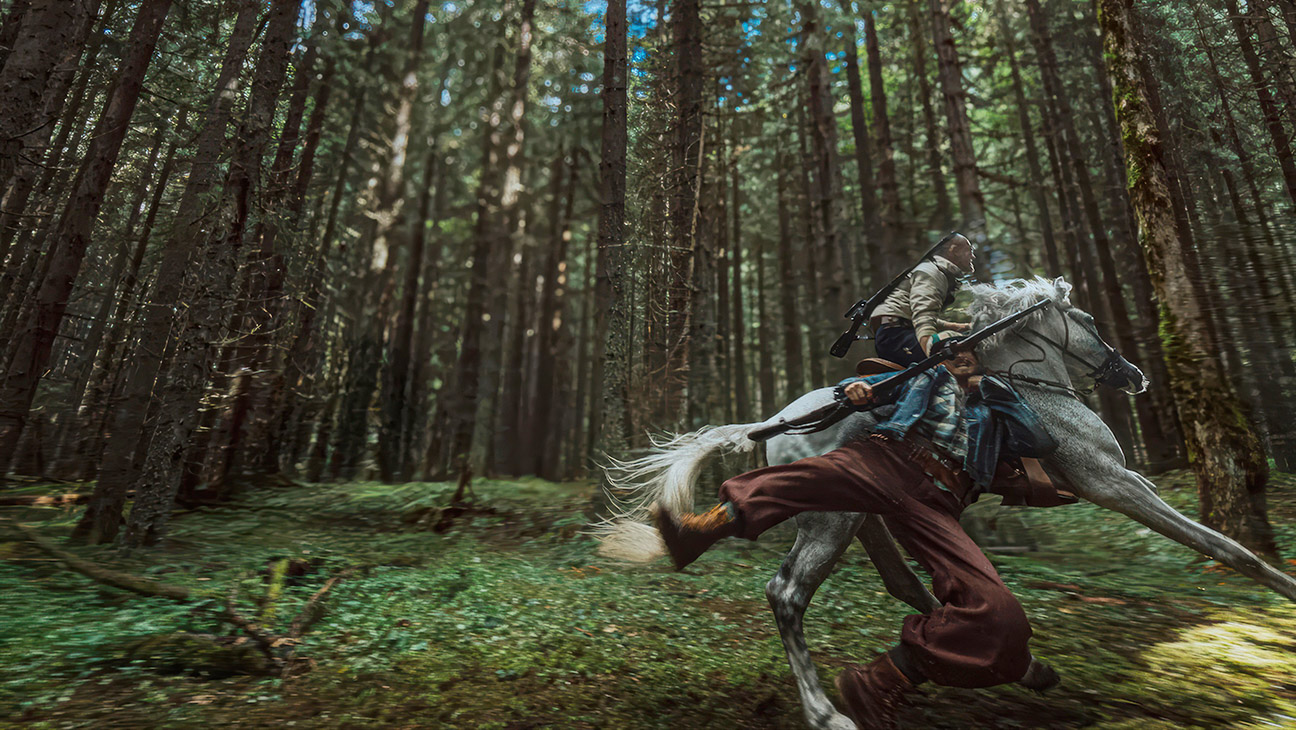
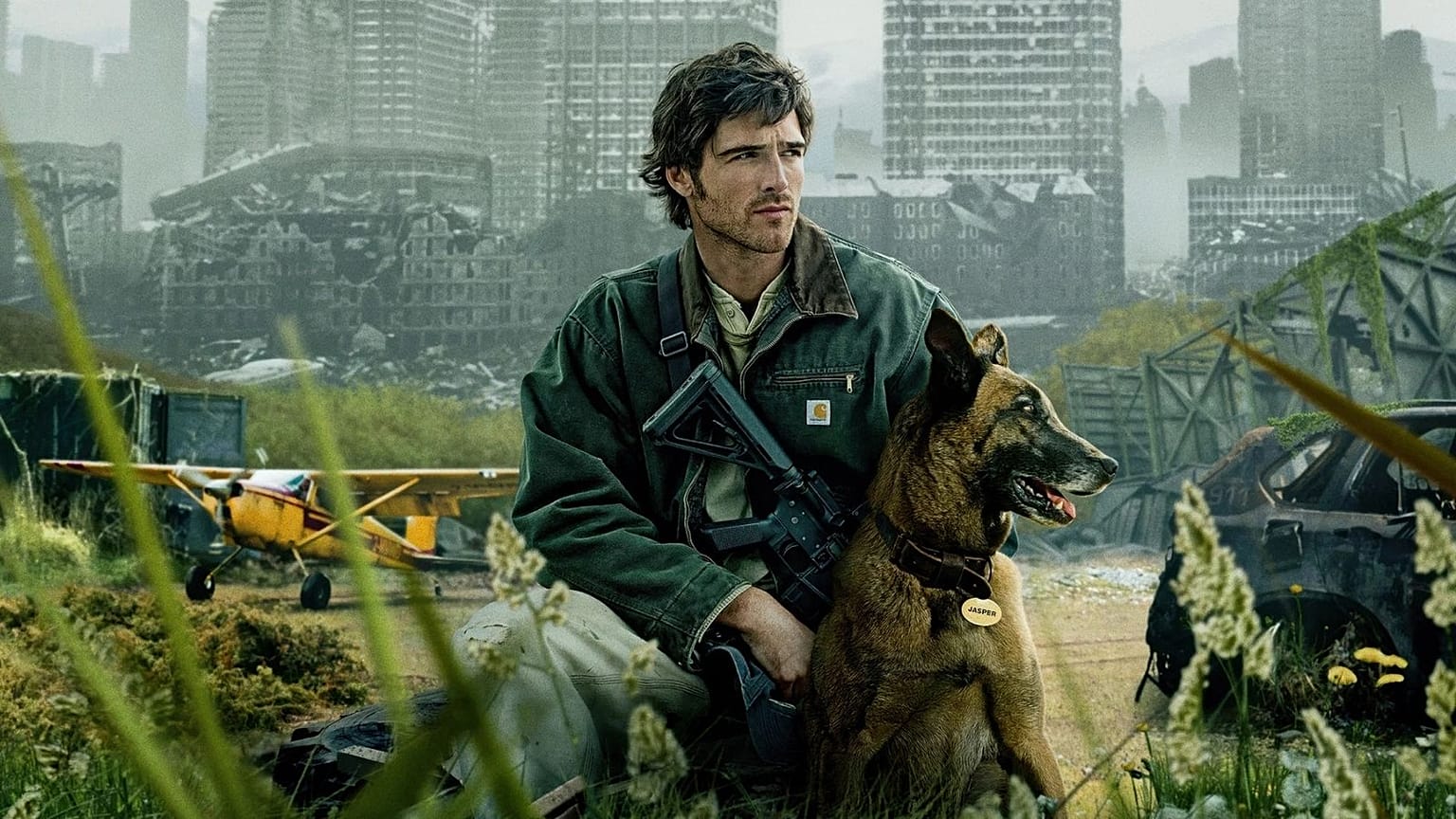
Supergirl is the second instalment in the DC Universe, a new cinematic universe fronted by James Gunn and Peter Safran that kicked off last year with Superman. While there was plenty to like about Superman, I found it very ramshackle in its construction and the film suffered from a bloated third act end-of-the-world climax. Australian Milly Alcock stars in the title role, who we see struggling to fit in and in an alcohol-induced stupor as the film opens. When her pet dog Krypton, is harmed by the villainous Krem of the Yellow Hills (Matthias Schoenaerts), Supergirl embarks on a quest to pursue him to retrieve an antidote, alongside Ruthye (Eve Ridley), who’s also after Krem for vengeance after he killed all of her family. The film’s directed by Craig Gillespie, best known for I, Tonya and Cruella, both films about misfits which he imbues a sense of style into.

Sadly, there’s not much of Gillespie’s touch to be found in Supergirl, which feels more like a James Gunn-lite film. While mostly competent and coherent, this is a tired-feeling film that’s swimming in CGI and isn’t memorable in the slightest. The MacGuffin plot is uninspired and the relatively brisk 108 minutes felt like a slog as characters goes through the motions – there isn’t a surprise in sight. While there’s a handful of bright moments in the action sequences, they’re overly reliant on CGI and I never felt a sense of jeopardy for any of the characters.

Milly Alcock is merely fine as Supergirl – her performance doesn’t give a lasting impression, but I’m sure the character will fit in well in future films in the series. Matthias Schoenaerts clearly puts in an effort as the villainous Krem, and while he occasionally has menace, his baddie is underdeveloped and lazily written in the third act where he regularly resorts to a depressingly bad laugh that’s not reflective of Schoenaerts’s talent. The rest of the cast barely register, although Jason Momoa’s having fun as Lobo even if I wouldn’t call the performance good, after playing Aquaman in the previous DC Extended Universe.

While the main theme of Claudia Sarne’s score is excellent, it’s depressing that the film regularly resorts to pop numbers in the middle of what are supposed to be serious action sequences, and it really detracts from the experience. You’d be hard-pressed to tell Rob Hardy is the cinematographer behind the lens – there isn’t a single memorable shot.

While it’s not a disaster, Supergirl is a disappointing second film in this burgeoning cinematic universe. It’s got a corporate tone, none of the jokes land and it’s visually ugly. But perhaps Supergirl‘s biggest crime is how totally forgettable it is – I thought comic-book films were beyond this now.

Toy Story 5 (Review)

Review
Still from 'Toy Story 5'

Rating: 3.5 out of 5.

Director: Andrew Stanton
Starring: (voices of) Tom Hanks, Tim Allen, Joan Cusack, Conan O’Brien, Scarlett Spears, Greta Lee, Shelby Rabara, Mykal-Michelle Harris, Craig Robinson
Certificate: PG

Run Time: 102 mins

Toy Story 5 is the latest in the beloved animated Disney Pixar series, and it would be fair it arrives with palpable trepidation. The first three films formed the perfect trilogy, and while the general consensus is that Toy Story 4 did nothing to tarnish it, it’s not quite as strong as its predecessors. It certainly takes some balls to return for a fifth time. Fortunately, Pixar stalwart Andrew Stanton is in the director’s chair, having helmed Finding Nemo, Finding Dory and WALL-E.

This time round, Jessie (Joan Cusack), Buzz Lightyear (Tim Allen) and the toys continue to live with now eight-year-old Bonnie (Scarlett Spears), who is struggling to make friends. We see that all of her local neighbourhood are glued to a frog-themed tablet called Lilypad – and her parents think the solution is to buy her one. Bonnie quickly becomes addicted and the toys attempt to step in to not only save Bonnie, but to prevent them from being abandoned.

Even if Toy Story 5 isn’t quite on a par with the original trilogy, this latest entry does nothing to tarnish the series’ legacy. This is a very entertaining film with a sweet-natured energy to it, even if its construction is a little messy and the characters don’t always act naturally. We are introduced to three different storylines (this main story, a secondary storyline involving Woody (Tom Hanks) and another with a cargo ship of Buzz Lightyear toys that crash-land on a deserted island. The storylines eventually coalesce, but the slightly sprawling nature of the narrative means you miss out on the lightning-in-a-bottle sharp storytelling of the previous films.

Stanton explores some interesting themes though, chiefly the overreliance on technology. I liked that the film doesn’t take a solely negative stance on it, with Stanton exploring how it can be of benefit too. But it never quite reaches the thematic heights of the original trilogy though, nor the existential moments involving Forky (Tony Hale) in Toy Story 4 on how he comes to accept himself as a toy, and not trash, given he’s a plastic spork that Bonnie literally assembled.

There’s some great moments among the toys though, with a thoughtful script by Stanton and Kenna Harris (who also co-directs the film). Choosing Jessie as the film’s main focus is a masterstroke, who’s always been an important but secondary character in previous films, and it really gives the film a fresh angle. While Buzz gets some comedic moments, his love for Jessie feels rather out-of-character, especially since it’s never something he’s expressed in previous outings. And while it’s good to see Woody back, he doesn’t develop much as a character this time round.

In terms of the new additions, Lilypad (Greta Lee) makes for a decent villain, although she’s rather underdeveloped. It’s Conan O’Brien who steals the show though as Smarty Pants, a toilet training toy, and Blaze (Mykal-Michelle Harris) is another charming character who marks a real contrast to Bonnie.

Toy Story 5 is ultimately another worthy entry in the series and on an initial watch, I think it’s on a par with Toy Story 4. They both score points in different areas – Toy Story 4 is more profound, but doesn’t feel as fresh as the original trilogy in that it recycles some of its plot points, while this isn’t as tightly focussed a film and the final act isn’t as affecting as previous entries, but it explores some very interesting themes.

Unlike Toy Story 4 which felt like an appendage to the original trilogy, Toy Story 5 doesn’t and feels like it could be the start of a new storyline. While there’s yet to be an underpar entry in the series, I’d be trepidatious if Toy Story were to continue – the original trilogy was perfect, and while Toy Story 4 and 5 don’t tarnish it, it seems like a wise choice to stop.

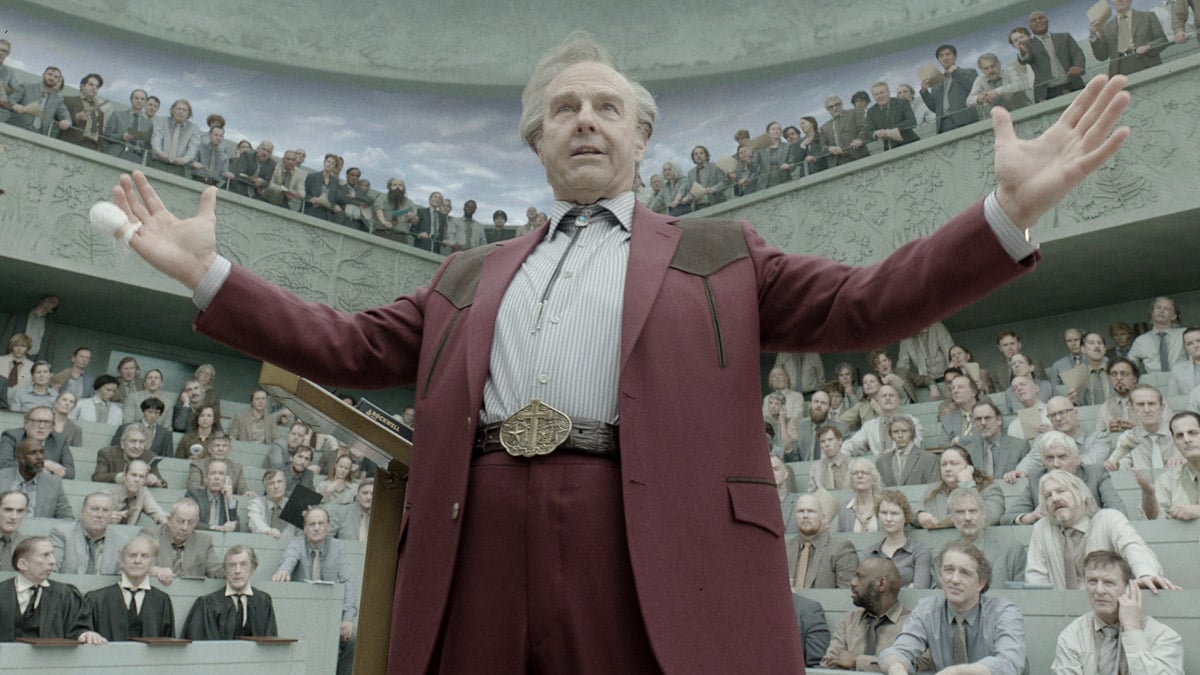
Disclosure Day (Review)

Review
Still from 'Disclosure Day'

Rating: 3 out of 5.

Director: Steven Spielberg
Starring: Emily Blunt, Josh O’Connor, Colin Firth, Eve Hewson, Colman Domingo
Certificate: 12A

Run Time: 145 mins

Disclosure Day is an original sci-fi thriller from Steven Spielberg, which sees the director revisiting the themes of exploring life beyond earth, with films such as Close Encounters of the Third Kind and War of the Worlds. David Koepp is on scriptwriting duties, who has previously collaborated with Spielberg on Jurassic Park and Indiana Jones and the Kingdom of the Crystal Skull, but he’s equally the name behind some real rubbish, such as Angels and Demons, Inferno and The Mummy (2017).

Josh O’Connor plays Daniel, a cybersecurity expert who goes on the run after stealing classified files and alien tech from Wardex, a shady government corporation headed by Noah Scanlon (Colin Firth). Emily Blunt plays Margaret Fairchild, a television meteorologist who suddenly gets psychic abilities after encountering a cardinal, and after much chasing, Margaret and Daniel eventually cross paths.

While there’s lots to like, Disclosure Day is a mixed bag. Much in the manner of his previous film The Fabelmans, Disclosure Day‘s tone feels rather personal, occasionally bordering on profound. There’s some thrilling action sequences too, especially a car chase that climaxes on a train and a shot of government officials storming an unassuming building is straight out of Indiana Jones. John Williams also turns in one of his best scores in recent memory, with a thrillingly restrained yet melodic soundtrack that compliments the themes nicely. And while Spielberg’s regular collaborator Janusz Kamiński’s cinematography is typically bursting with colour, his work here feels uncharacteristically dark and gloomy, also lending to the film’s restrained feel.

It’s a shame David Koepp’s script is so clunky. While it’s admirable how Spielberg and Koepp drop you straight into the story, the way in which a character’s backstory or motivations are sandwiched into conversations feels unnatural. The film also never fully commits to any of the themes it explores – it has the beginnings of something interesting to say on religion and mankind’s overreliance on technology, but no more. The film’s also too long at 145 mins – I much preferred the first half, which plays more like a conspiracy thriller, but then began to feel the length in the prolonged third act.

None of the performances shine either, likely because they are all underwritten. While Emily Blunt does the best with what she has, she feels miscast as the fish-out-of-water meteorologist who can suddenly speak in alien tongues – I found the character exhausting rather than fun. Someone else who’s miscast is Colin Firth as the Indiana Jones-like villain, who spends most of the film sitting on chairs. Fortunately, Josh O’Connor is more convincing as the cybersecurity expert, and I liked the beginnings of the film’s exploration into his relationship with his girlfriend and former religious novice Jane (Eve Hewson), even if that’s also underdeveloped.

Disclosure Day ultimately wears the same problem as a number of Spielberg’s other more recent efforts – it’s enjoyable, but never quite soars, and the film would have benefitted from tighter pacing. It’s a shame that in this case, the main culprit is David Koepp’s script, which while serviceable, never fully explores its heady themes and is quite clunky in its construction. While I thought Disclosure Day would be a one-time watch when I left the cinema, some of its moments that border on profundity have stayed with me. I admire Disclosure Day for its ambition, but it’s a shame it’s not quite the slamdunk a film with such a talented and experienced director should be.

Backrooms (Review)

Review
Still from 'Backrooms'

Rating: 4 out of 5.

Director: Kane Parsons
Starring: Chiwetel Ejiofor, Renate Reinsve, Mark Duplass, Finn Bennett, Lukita Maxwell
Certificate: 15

Run Time: 110 mins

Backrooms is a feature-length adaptation of 20-year-old director’s Kane Parsons YouTube web series inspired by the 2019 ‘Backrooms’ creepypasta – seemingly endless liminal spaces appearing as dull yellow office-like rooms. In what’s only his feature-length directorial debut, Parsons has enlisted quite the backing, with high-profile directors such as James Wan, Osgood Perkins and Shawn Levy receiving producer credits. He’s also assembled quite the cast with Chiwetel Ejiofor and Renate Reinsve in the lead roles – and it’s very rare that either of them play in anything that isn’t stellar. Ejiofor portrays Clark, a failed architect who owns a furniture store and Reinsve plays his therapist, Dr Mary Kline. Clark’s store is struggling, and he has to balance this with his alcoholism and crumbling marriage – he sleeps in one of the beds for sale at his own store.

One night, and after a sequence where an electrician discovers strange wiring on the store’s fuse box, Clark notices a glow from the store’s basement and wanders down to find an illuminated slit in the wall. Leaning into the wall, he falls through and enters the titular Backrooms. He quickly becomes obsessed by them, telling Kline who doesn’t believe him and then enlisting his assistant manager Kat (Lukita Maxwell) and her boyfriend Bobby (Finn Bennett) to help film the evidence.

Backrooms is an outstanding debut and cements Kane Parsons as a serious talent to watch – that he has directed such an accomplished horror film at such a young age is nothing short of inspirational. It’s an enthralling watch that’s directed with a real confidence, bolstered by a smart script by Will Soodik that doesn’t waste its words. The film feels very much indebted to the works of David Lynch in its surreal imagery and thought-provoking narrative, only it feels satisfyingly more accessible and wholly original.

Although it’s not frightening in the traditional sense, Parsons conjures multiple impressively accomplished scares in figures or creatures that are half-glimpsed and he maintains a constant tension – I felt uneasy throughout. Backrooms is also visually unforgettable – the liminal spaces are brilliantly realised (one expansive physical 30,000 sqft set), with moments of claustrophobia and wonder. That Parsons has also been able to deftly imagine a 1990s setting despite being born in 2005 is also a marvel – and there’s almost a fake quality to the world he creates. Having watched Backrooms twice now, the devil is in the detail with many of the film’s images and I’m confident there’ll be something to discover on subsequent rewatches – it doesn’t lose its shock value.

The sound is also superb – from the monotonous hum of the oppressive lighting that creates a sense of unease to the outstanding soundtrack, which Parsons collaborates with The Monkey composer Edo Van Breemen. There are so many memorable themes here, and the soundtrack is an excellent standalone listen too.

Complimenting the bold choices behind the screen are the stars in front of it. Chiwetel Ejiofor is reliably brilliant as Clark, with bags of range as the store owner overloaded with life baggage. It feels as though his discovery of the Backrooms is a life turning point, a chance to start new and Ejiofor is excellent at conveying Clark’s wonder. After her terrific turn in Sentimental Value, Renate Reinsve is more than Ejiofor’s match, as the therapist with her own baggage who takes a calm and methodical approach to things.

Backrooms is ultimately not just an ingenious directorial debut, but a psychological horror triumph from Kane Parsons. It’s absolutely stacked with details waiting to be uncovered on future rewatches, and it’s a real thrill ride of an experience. Some have questioned whether this will be a one-hit wonder for Parsons. Judging by the confidence of his direction and the ambitious ideas on show, I’m confident he’s only just getting started.

Obsession (Review)

Review
Still from 'Obsession'

Rating: 2.5 out of 5.

Director: Curry Barker
Starring: Michael Johnston, Inde Navarrette, Cooper Tomlinson, Megan Lawless, Andy Richter
Certificate: 18

Run Time: 109 mins

Obsession is a supernatural horror written and directed by Curry Barker, best known for creating independent videos on YouTube. That a former YouTuber has now become an instant horror sensation with Obsession‘s very positive reception is quite the achievement. The film follows Baron ‘Bear’ Bailey (Michael Johnston), who works at a music shop and has romantic feelings for his colleague, Nikki Freeman (Inde Navarrette). But Bear lacks the confidence to reveal his love for her, and after buying a ‘One Wish Willow’ at a mystic shop, he wishes Nikki would love him more than anyone in the world. Let’s just say Bear certainly gets his wish.

There’s a lot to admire with Obsession – it’s clearly directed with passion by Barker, and the film has a distinct visual palette that’s almost dream-like. The first half, in particular, is beautifully shot by Taylor Clemons, reminding me of Charlie Kaufman’s I’m Thinking Of Ending Things, blended with David Robert Mitchell’s It Follows. It helps that there’s a brilliant score by Rock Burwell, with many memorably haunting themes. And Inde Navarrette’s career is surely going to kick off after her committed performance as Nikki, who is by far the cast’s highlight.

But unfortunately, that’s where the positives end. While Barker clearly has an eye for visuals, his writing leaves a lot to be desired. I thought the script was often tin eared and I just didn’t connect with any of the characters, or buy some of the narrative beats the film heads down. Another problem with the script is the humour, which just didn’t work for me at all – but there were plenty of laughs to be heard in my screening, so perhaps it’s just me.

For a film that’s meant to be scary and unsettling, I didn’t find it frightening in the slightest. Although it’s been plastered with an 18 rating by the BBFC, it’s because of one gory, but completely unoriginal slaying. I found the concept of Bear effectively depriving Nikki of her life a little uncomfortable (as you should) and the character despicable as a result, but the odd narrative beats the story takes often distilled my discomfort.

While Obsession is very flawed and I don’t understand the gushing praise, Curry Barker is clearly a talent to watch as a director and he clearly has a vision. I just hope he tightens up his writing, or passes scripting duties to someone else for his next film. Despite Obsession having a great concept, it’s a shame Barker doesn’t do it justice with an unfocused story that doesn’t quite land the right tone.

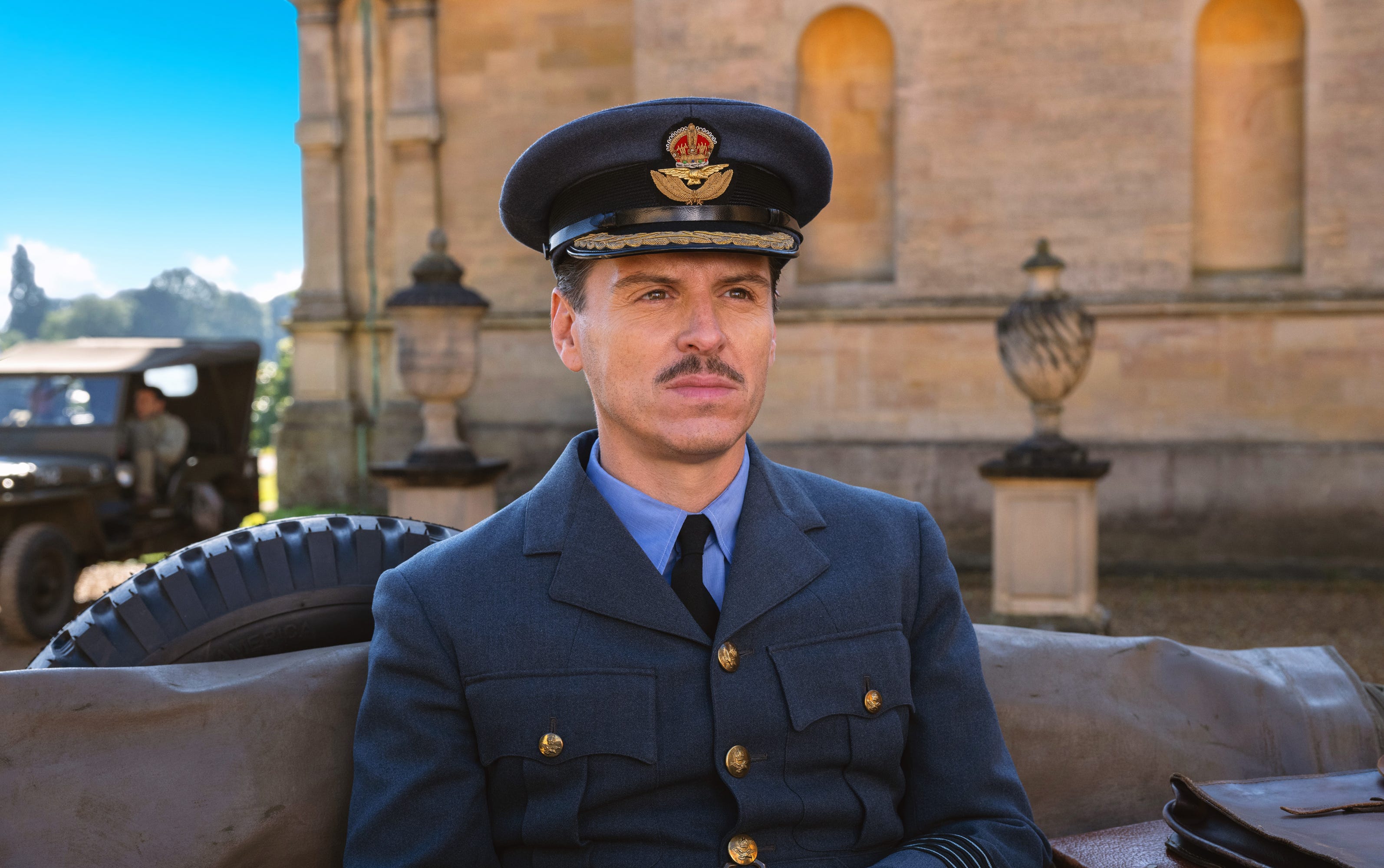
The Christophers (Review)

Review
Still from 'The Christophers'

Rating: 3.5 out of 5.

Director: Steven Soderbergh
Starring: Ian McKellen, Michaela Coel, James Corden, Jessica Gunning
Certificate: 15

Run Time: 100 mins

The Christophers is a black comedy by Steven Soderbergh about a young artist, Lori Butler (Michaela Coel), who’s hired to pose as an ageing well-known painter’s assistant. Julian Sklar (Ian McKellen) is the painter in question, whose artistic career is in a slump. Lori is hired to complete the third series of his unfinished most famous work ‘The Christophers’ so they can sell for a fortune after his death. She’s been hired by Julian’s unscrupulous and greedy children Barnaby (James Corden) and Sallie (Jessica Gunning), but Lori quickly learns that Julian is much sharper than he first lets on. Soderbergh is one of the most versatile directors working today, and while the caper elements of this film are well within his sandbox, the fact The Christophers is a film about art sets this apart from his other work.

This is a very solid effort from Soderbergh, with some excellent performances and an impressively sharp script by Ed Solomon full of dry wit. As you’d expect, Ian McKellen is reliably brilliant as the cantankerous, but self-reflective painter, and Michaela Coel is more than his match as the equally sharp-witted Lori. They share a palpable chemistry together and both get to deliver some ripe lines, with the tables constantly turning between them in who has the upper hand. Jessica Gunning and James Corden are also deliciously fun as the unlikeable children who are trying to benefit off their father’s wealth. Bar a 10-minute section at the mid-point that feels a little unfocussed, it’s yet another tightly-paced piece from Soderbergh that’s delicate and unshowy. There’s a great score by David Holmes too, and it’s crisply shot by Soderbergh (playfully under his Mary Ann Bernard pseudonym).

Soderbergh is on a hot streak at the moment, with both Presence and Black Bag last year very satisfying too. I don’t think The Christophers is quite as strong as either of those films, but this is a very entertaining watch that ranks well in the filmmaker’s back catalogue, with a surprising depth of what is and isn’t revealed about its two central characters.

The Devil Wears Prada 2 (Review)

Review
Still from 'The Devil Wears Prada 2'

Rating: 3 out of 5.

Director: David Frankel
Starring: Meryl Streep, Anne Hathaway, Emily Blunt, Justin Theroux, Kenneth Branagh, Stanley Tucci
Certificate: 12A

Run Time: 119 mins

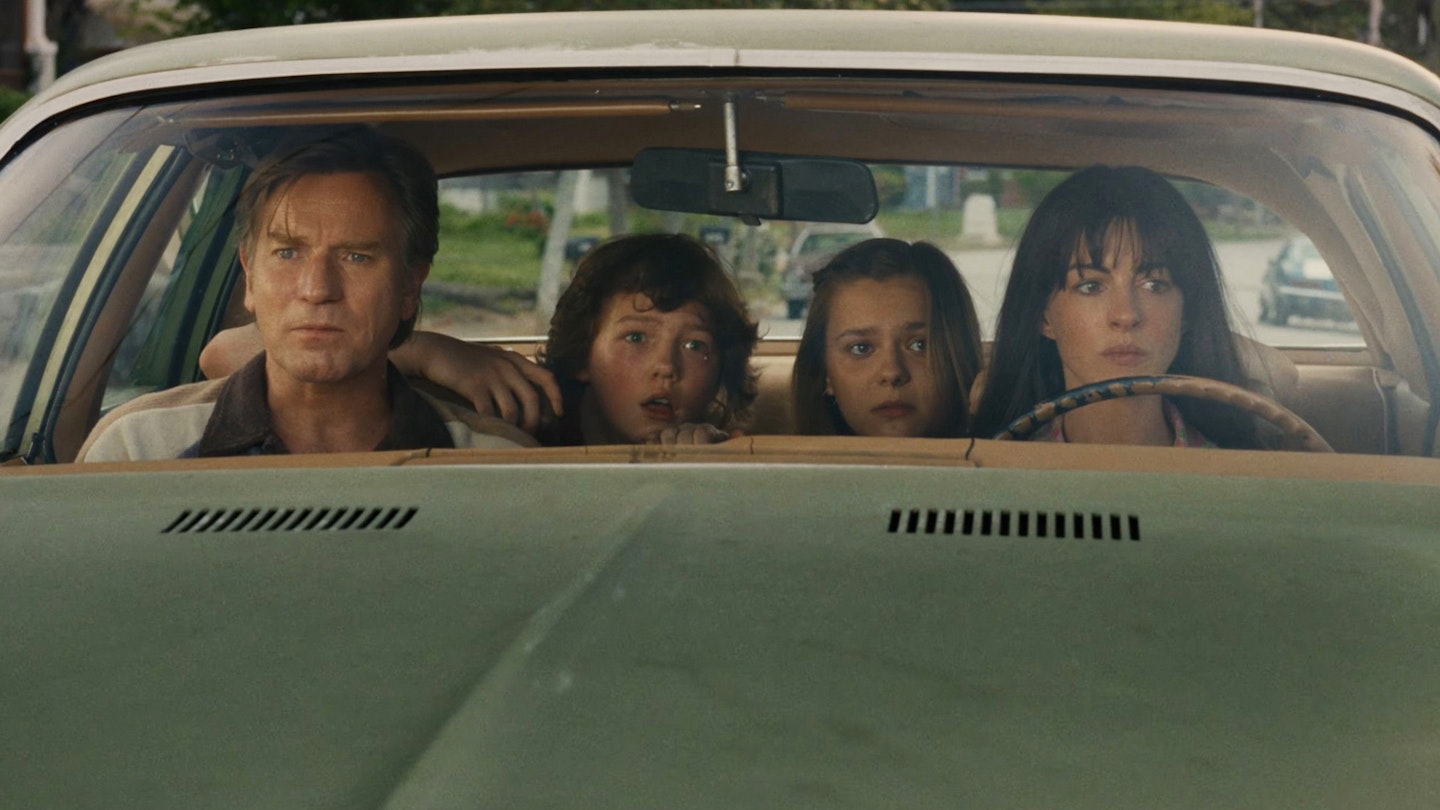
The Devil Wears Prada 2 is the long-awaited sequel to the 2006 original starring Meryl Streep as Miranda Priestly, the tyrannical editor-in-chief of the fictional Runway fashion magazine. Set two decades after the events of the first film, this sequel once again follows Andy Sachs (Anne Hathaway) who having been an assistant in the previous film, is now a respected New York City reporter. When her entire newsroom is abruptly laid off by text during an awards ceremony (yes, the sad reality of today’s publishing world), Sachs finds herself working back under Priestly as features editor. Nigel Kipling (Stanley Tucci) continues to remain Priestly’s right-hand, who explains that print is declining and the brand has been forced to embrace online clickbait pieces and short-form social content – again, another sad reality of today’s journalism. And Andy also encounters Emily Charlton (Emily Blunt), who was also Miranda’s assistant in the first film, who’s now a senior executive at Dior. But when the future of Runway is under threat once management consultants are brought in to recommend cost cuts, they all have to fight for the magazine’s survival.

Although it lacks the lightning-in-a-bottle energy of the original, The Devil Wears Prada 2 is a solid sequel. It barrels along at a brisk pace, with excellent performances across the board once again. Although it’s not subtle, I admired its scathing view of the publishing industry – from having to pander to advertisers and judging an article (depressingly labelled as ‘content’) by its metrics. By exploring these themes, that means this sequel doesn’t simply follow the same beats of the original.

Anne Hathaway is once again brilliant as Andy, and while she was an aspiring journalist in the first film, now has a real likeable confidence. Meryl Streep is also excellent as Priestly, who’s mellowed a little, thanks to a more politically correct culture at the workplace. While she would dump her coat on her poor assistant’s desks and generally be very unpleasant, Priestly now has to more carefully navigate the modern world, and it’s fascinating to watch. Stanley Tucci and Emily Blunt are both entertaining, but aren’t given as much to work with, and newcomers Justin Theroux (who seems to thrive being in legacy sequels after starring in Beetlejuice Beetlejuice) and Kenneth Branagh get some fun moments.

The Devil Wears Prada 2 is a worthy sequel and admirable in that it doesn’t simply rely on the tropes of its predecessor. With fun performances and fast pacing, it’s good to see the gang back together again as they navigate the changing and volatile world of journalism.

Lee Cronin’s The Mummy (Review)

Review
Still from 'Lee Cronin's The Mummy'

Rating: 2.5 out of 5.

Director: Lee Cronin
Starring: Jack Reynor, Laia Costa, May Calamawy, Natalie Grace, Verónica Falcón
Certificate: 18

Run Time: 133 mins

Lee Cronin’s The Mummy is a reimagining of the horror creature that originated with the Boris Karloff-starring 1932 film. A timeless tale, there have been umpteen sequels, remakes and reinterpretations, with the Brendan Fraser-fronted 1999 film my pick of the bunch. Most notable for Evil Dead Rise (which garnered an excellent critical reception, but I passionately disliked it), Irish director Lee Cronin is now taking a crack with his modern day reimagining – not dissimilar to how Leigh Whannell did this with The Invisible Man and Wolf Man.

Cronin’ film follows the Cannon family, who live in Cairo, where Charlie (Jack Reynor) works as an investigative television reporter. His wife Larissa (Laia Costa) is pregnant with their third child, and they both juggle looking after eldest daughter Katie (Emily Mitchell) and son Sebastián (Dean Allen Williams). When Katie is kidnapped by a mysterious woman who’s been bribing her with chocolate at the bottom of the garden (unbeknownst to the parents), a search ensues.

The film then fast forwards eight years later where Charlie, Larissa, Sebastián (now Shylo Molina) and their third child, Maud (Billie Roy) now live in Larissa’s Catholic mother Carmen’s (Verónica Falcón) Albuquerque home. When a teenager witnesses a plane crash back in Egypt, he finds a sarcophagus in the wreckage and authorities discover Katie (now Natalie Grace) wrapped up in parchment inside in a catatonic state. Katie is soon brought home back to Albuquerque and it’s pretty evident straightaway that something’s not right…

Lee Cronin’s The Mummy is a mixed bag – the possession horror angle is an interesting one to take, rather than regurgitating the familiar tale of a pharaoh or important historical figure that’s resurrected. There’s also a brooding atmosphere (albeit to a point) and the hook of trying to get to the bottom of what’s going on with Katie had me gripped. But unfortunately, there’s plot contrivances and holes you could drive a truck through, and I didn’t care for the third act’s extended house setpiece.

Things start off very promisingly – the Egyptian opening is where the film’s at its strongest and a chase sequence when Katie gets kidnapped is particularly intense. It’s a shame Cronin doesn’t spend more time here developing the characters or giving us an insight into the investigation – that was what I really wanted.

The film’s on weaker footing once Katie’s reintroduced because you have to get past the contrivance of how a possessed teenager in such a state as hers would just be released back to her parents no questions asked. Although the central mystery of what happened to Katie remains gripping, Cronin’s film becomes a reasonably gnarly, but pretty standard possession piece in the vein of The Exorcist, with a minimal connection to classic Egyptian lore.

The third act interested me the least because it largely sticks within Carmen’s home and relies more on shock value (not dissimilar to Evil Dead Rise) with some pretty rote visuals, especially of some obviously fake coyotes. Although some have labelled the film as disgusting, (Cronin clearly enjoys revelling in gore and bodily fluids), it wasn’t as nasty as I expected – and it’s certainly less so than Evil Dead Rise.

As for the characters, it’s a mixed bag. Jack Reynor makes for a reasonably compelling lead and I bought his story as a reporter whose career has to take a back seat after a tragic event, but he still retains his journalistic nous. Laia Costa doesn’t fare as well as the mother, the problem being she’s simply underdeveloped. May Calamawy is excellent as the Egyptian detective investigating Katie’s disappearance, although one really has to suspend disbelief that she’d be just happy to jet off to America to help fight off Katie’s demons. And while all of the child or teenage actors are serviceable, none of them really stood out.

Ultimately, Lee Cronin’s The Mummy is to be applauded for taking some risks, even if the result is a bit of a a. The idea at its centre of trying to get to the bottom of what happened to Katie is excellent, but I cared less for when it’s a standard possession horror where it apes greater works. Although some have taken issue with the length, I think the film justifies it but it’s paced oddly – I wanted more at the beginning and less of the usual possession affair later in the film. It’s certainly leaps and bounds above Tom Cruise’s apocalyptically terrible The Mummy (2017), but it’s a borderline as to whether Lee Cronin’s The Mummy can be considered a good horror film – interesting for sure, but very, very flawed.

The Drama (Review)

Review
Still from 'The Drama'

Rating: 2.5 out of 5.

Director: Kristoffer Borgli
Starring: Zendaya, Robert Pattinson, Alana Haim, Mamoudou Athie, Hailey Gates
Certificate: 12A

Run Time: 105 mins

The Drama is a romantic comedy drama about an engaged couple whose relationship is seriously tested in the run-up to their wedding. It’s written and directed by Kristoffer Borgli, who made the interesting but flawed Dream Scenario with Nicolas Cage a couple of years ago. Like that film, The Drama is also produced by Ari Aster, the mastermind behind Hereditary, Beau is Afraid and Eddington. Robert Pattinson and Zendaya play the couple in question, Charlie and Emma. Charlie is an Englishman and museum director, while Emma is a sales assistant at a book shop, and the film opens on an awkward scene of how they first met. Fast forward two years later, and the (rather flawed) couple are to be married within a week. While they’re at a wedding rehearsal sampling the menu (and wine!) with two friends, Rachel and Mike (Alana Haim and Mamoudou Athie), Rachel has the brilliant idea of everyone revealing to each other the worst thing they have ever done. When Rachel’s revelation shocks everyone at the dinner table, the couple’s relationship gets seriously tested as they realise they might not know each other as well as they thought they did with the approaching wedding.

While The Drama will certainly have you squirming in your seat and invokes a response that stirs debate, I can’t say that makes it a good film. While both Pattinson and Zendaya are game as Charlie and Emma, their relationship feels very artificial (which I understand is the point) and the people they surround themselves around are similarly shallow. Borgli never quite delves deep enough into any of the character’s inner psyches, or tries to connect their past and present selves, and I never cared for the characters as a result – although this is compounded by how hopeless at life he portrays them as in the film’s opening scene. It also doesn’t help that the attempts at humour fail to land, nor does Daniel Pemberton’s on-the-nose score.

Apart from dealing with some uncomfortable subject matter, Ari Aster’s influence doesn’t really make itself apparent either. The Drama just highlights the different wavelengths Borgli and Aster operate on – the central relationship between Florence Pugh and Jack Reynor in Midsommar has far more thematic depth within the broader horror scope of that film than anything here. While The Drama is undeniably thought-provoking, Borgli’s film is undercooked and its themes never quite coalesce.