Keeper (Review)

Review
Still from 'Keeper'

Rating: 2 out of 5.

Director: Osgood Perkins
Starring: Tatiana Maslany, Rossif Sutherland, Birkett Turton, Eden Weiss
Certificate: 15

Run Time: 99 mins

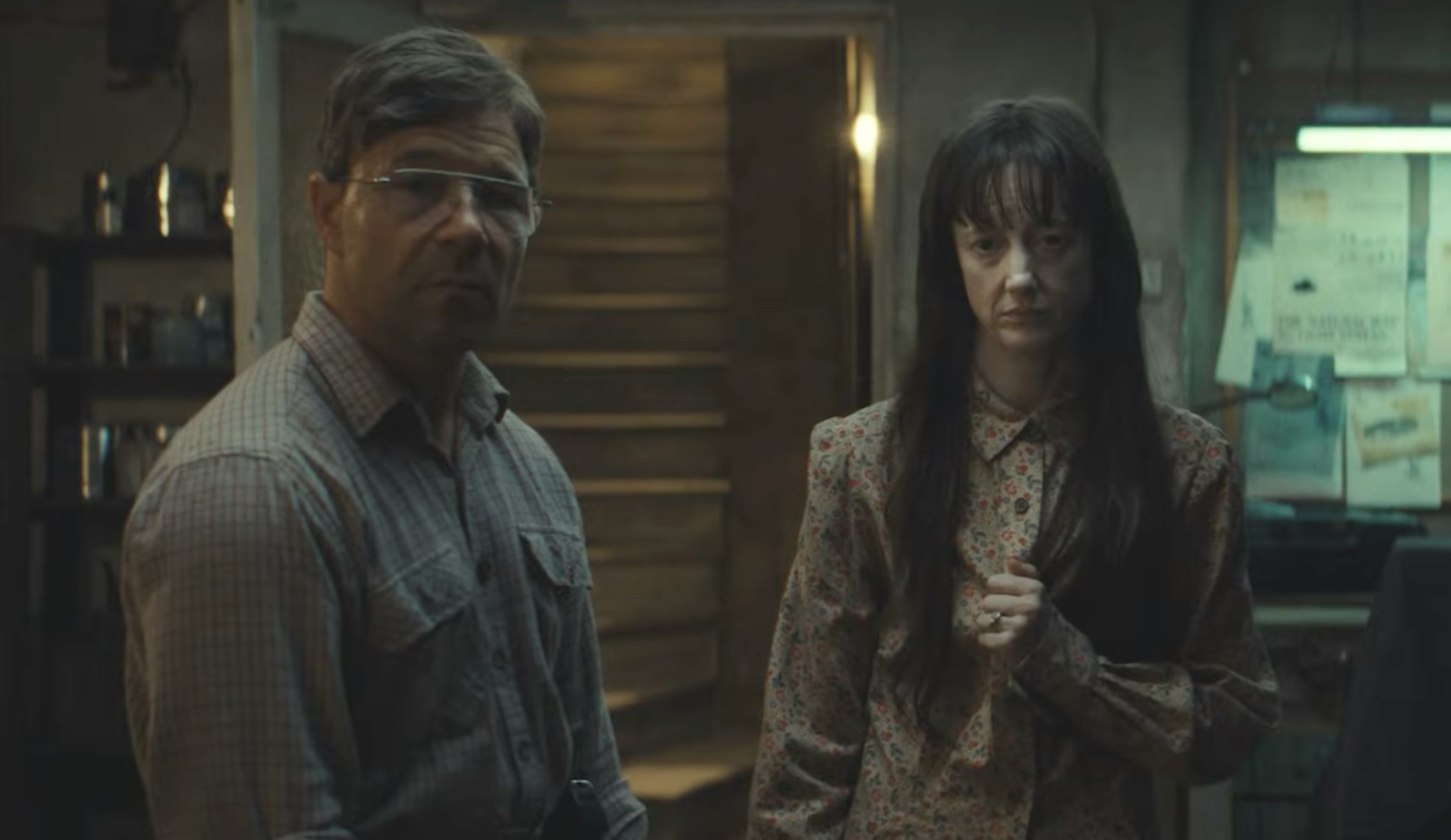
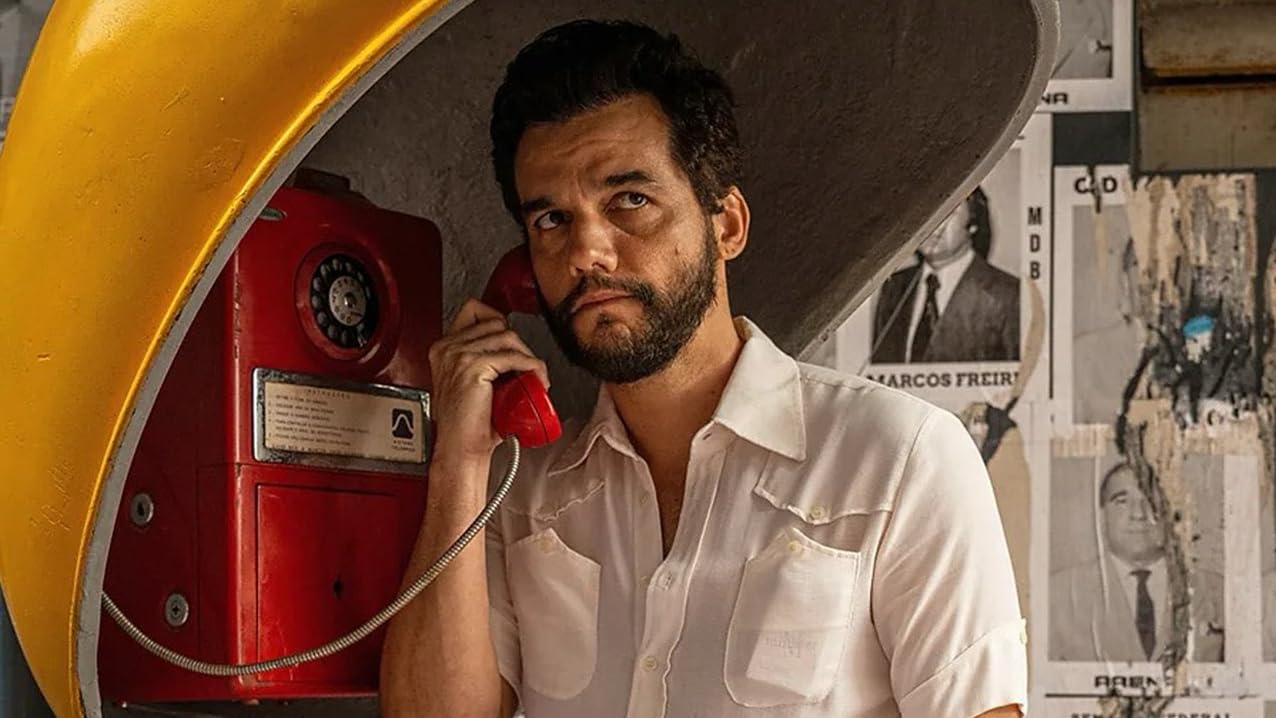
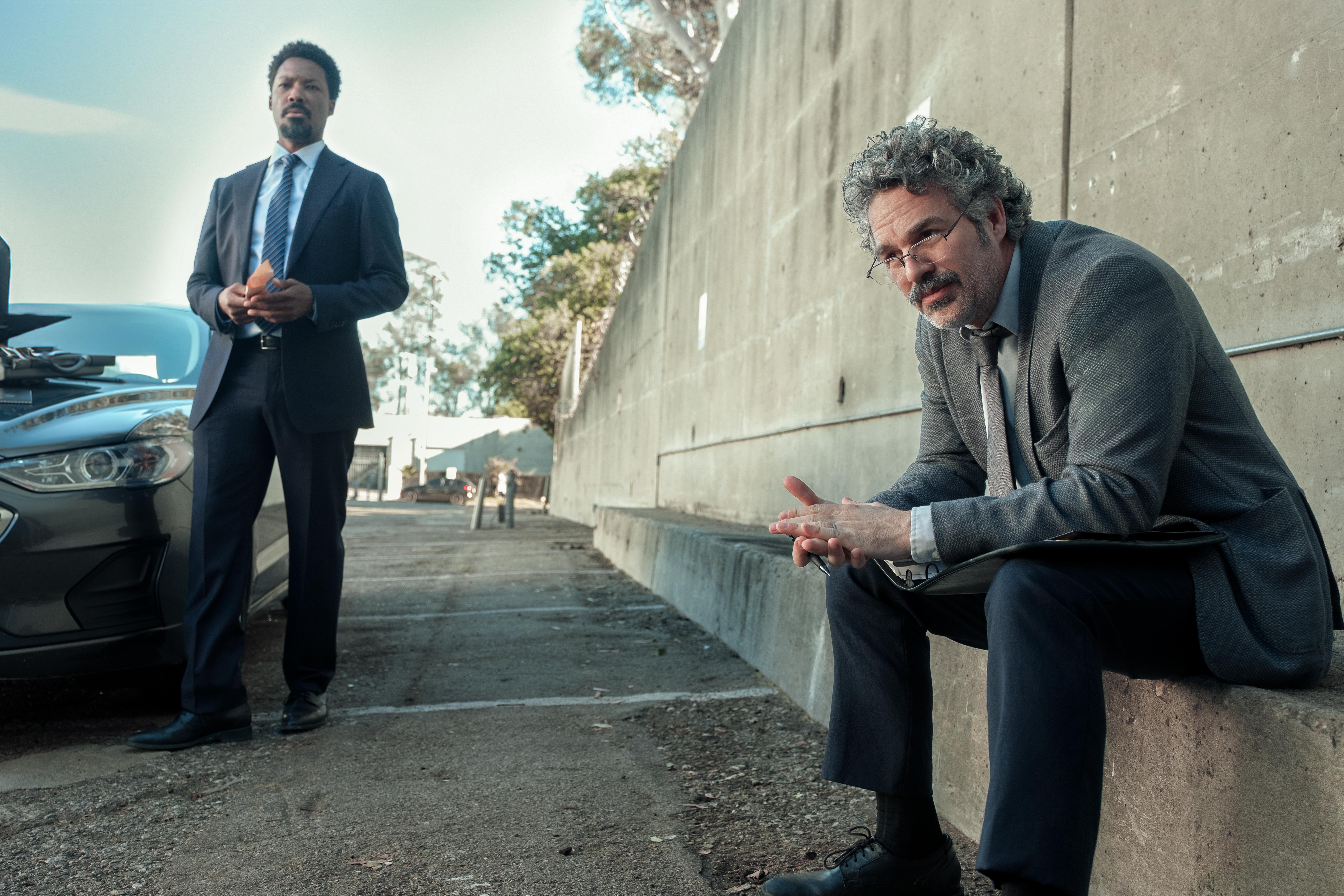
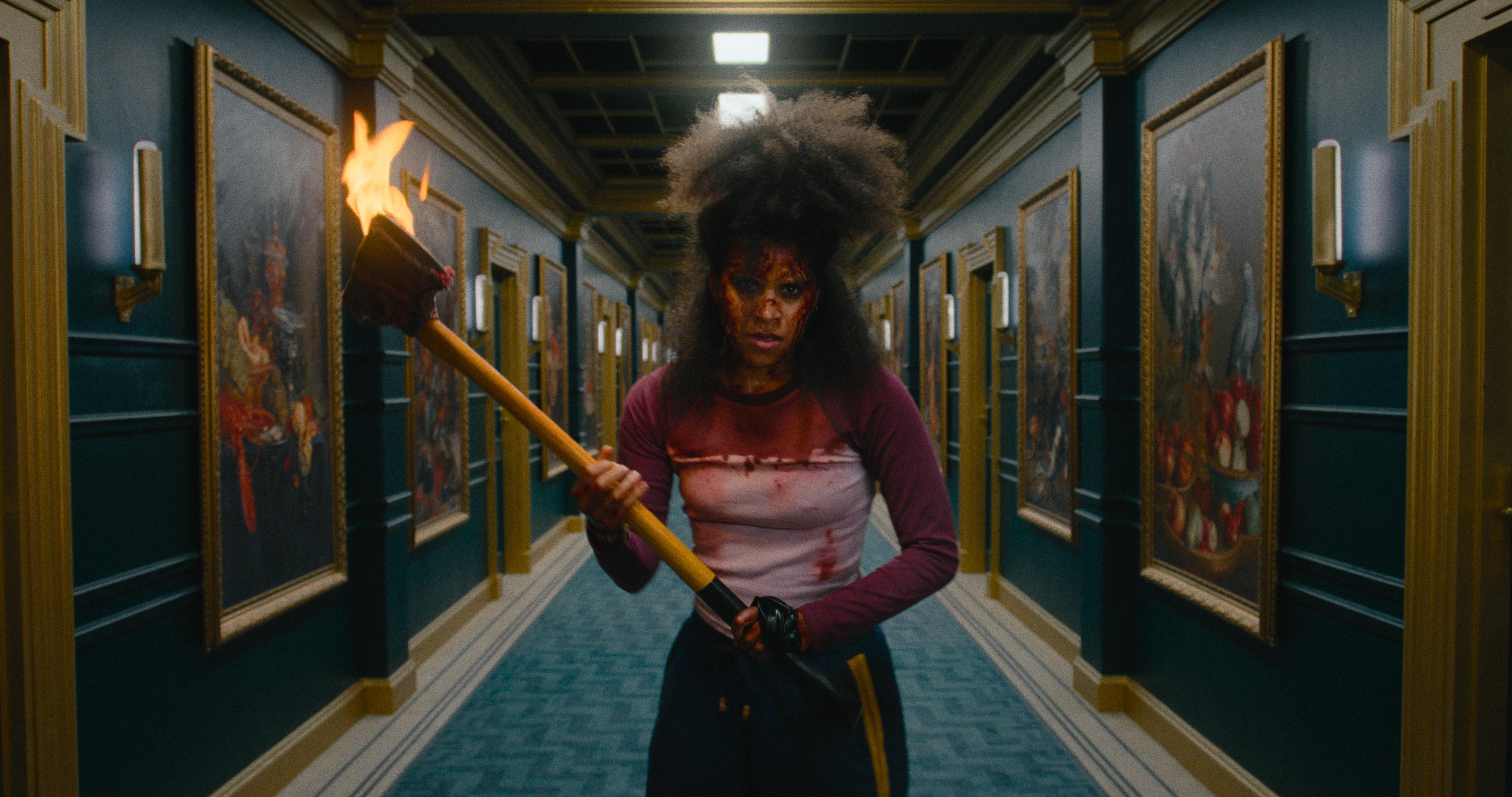
Keeper is the second of two Osgood Perkins films this year, who reached new career heights with the excellent Longlegs last year. His first film this year was The Monkey, a horror comedy adaption of the Stephen King 1980 short story which was also hugely enjoyable with some brilliant set-pieces and striking imagery. A folk horror, Keeper couldn’t be any different from The Monkey. Tatiana Maslany plays Liz, who heads on a weekend trip to a secluded countryside cabin with her boyfriend Malcolm (Rossif Sutherland) to celebrate their one-year anniversary. However, Liz soon starts to become haunted by strange visions.

Keeper is unfortunately a big disappointment and while it’s reasonably well-directed, its problems stem from a conceptual level. This feels far closer to Perkins’ earlier work, such as I Am The Pretty Thing That Lives In The House and Gretel & Hansel in its tone and the script by Nick Lepard (only the second film of Perkins that he hasn’t written) is overly expository. This makes the film languorous, even more so because I predicted the ending of the film as the opening scene transitioned into the title card and got it mostly right. There are also problems with geography and continuity – a character walks into a house and then disappears, for example.

While Tatiana Maslany does her best with the flawed script, I didn’t really sympathise with her character and I certainly never brought her relationship with Malcolm, with Rossif Sutherland totally miscast – the two share zero chemistry. Birkett Turton plays Darren, Malcolm’s obnoxious cousin who turns up uninvited on the first evening during the couple’s dinner, and is just insufferable – but I suppose his performance satisfies the brief.

The whole film hinges on its final set-piece and while there’s some interesting imagery, it’s not enough and certainly not worth the 80-minute trudge to get to that point. And although Perkins has proven himself multiple times in the horror genre, Keeper completely lacks tension and isn’t scary, save for one jump scare.

It’s a shame Keeper doesn’t continue Osgood Perkins’s horror genre momentum. This is a largely uninteresting and tired tale that doesn’t really have any surprises up its sleeve with uninvolving characters. The problem is the concept – this cabin-in-the-woods horror doesn’t have the brain or legs to sustain the 99 minute run time and it shouldn’t have been greenlit.

The Running Man (Review)

Review
Still from 'The Running Man'

Rating: 3.5 out of 5.

Director: Edgar Wright
Starring: Glen Powell, William H. Macy, Lee Pace, Michael Cera, Emilia Jones, Daniel Ezra, Jayme Lawson, Sean Hayes, Colman Domingo, Josh Brolin
Certificate: 15

Run Time: 133 mins

The Running Man is the new film by Edgar Wright, an adaptation of the 1982 Stephen King dystopian novel (who wrote it under his Richard Bachman pseudonym). This isn’t the first time the novel has been adapted into a film – there was the 1987 film Arnold Schwarzenegger-starring film, but that adaptation wasn’t particularly faithful to the source material.

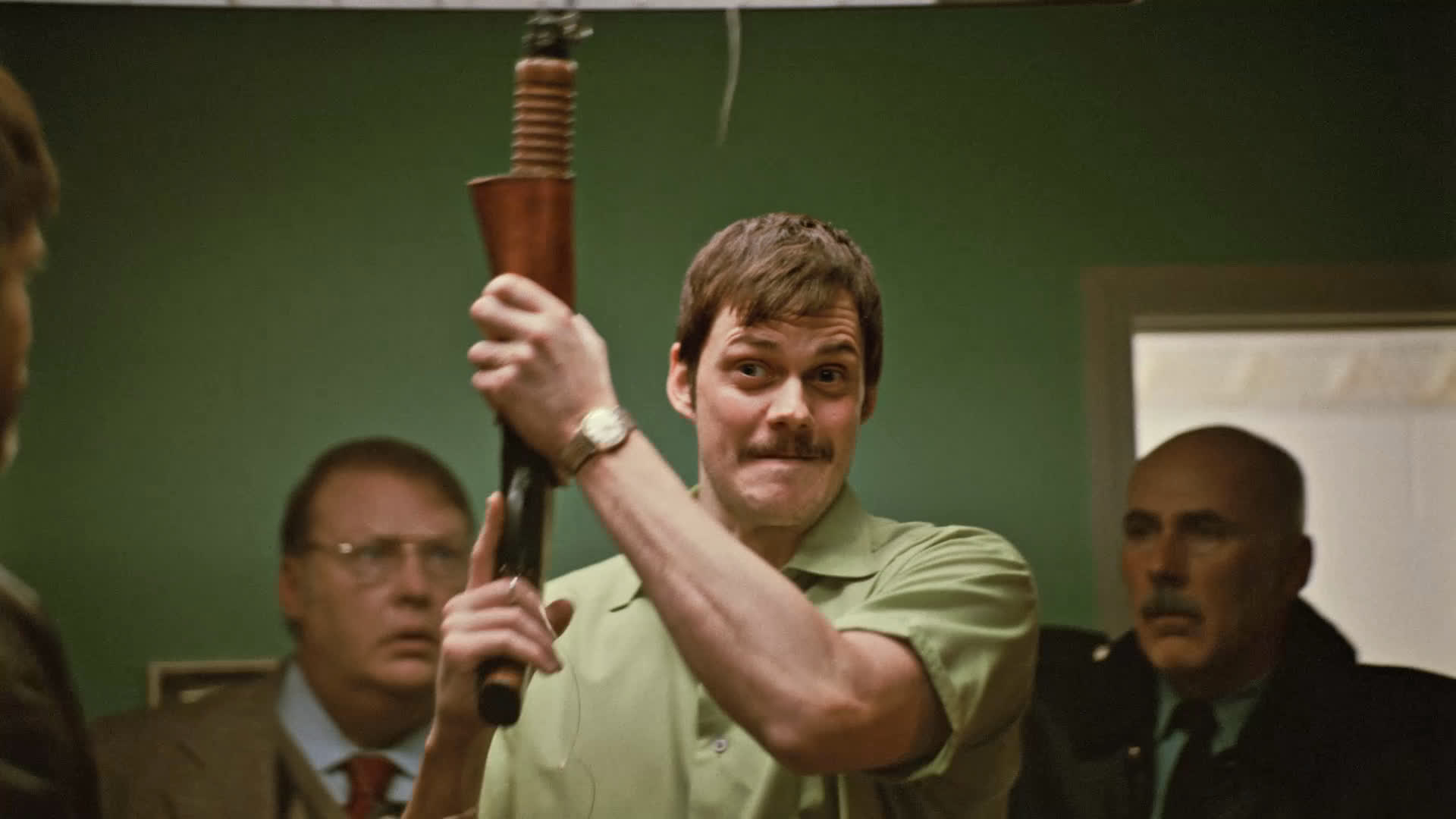
Wright’s film opens in a near-future United States (which draws many parallels with the present day) where an authoritarian media network called the Network rule over society, with most viewers living in poverty. Glen Powell plays Ben Richards, a blacklisted labourer who signs up for ‘The Running Man’ – a television show where contestants can win $1 billion by surviving 30 days and evading a team of hunters. He does this because he’s unable to afford medicine for his young daughter, so he auditions for an alternate show, only to be cherrypicked for ‘The Running Man’.

The Running Man is an above-average thriller with a timely message, even if it isn’t Edgar Wright quite at his best. The director plays things much straighter than the campy but fun 1987 film and it wouldn’t be fair to compare the two. This has plenty of energy, with some fun action set-pieces – Wright’s proved he can shoot action in an almost balletic way with films such as Baby Driver and his magnum opus, Hot Fuzz. The action here doesn’t have as much of the staying power as either of those films, but I had a smile plastered on my face multiple times.

Glen Powell makes for a charismatic lead in what is effectively his first action hero role, deftly conveying his disdain for the Network’s societal control with a cocky edge, although I’m not sure he’s quite as memorable as Arnie. There’s a great performance from Josh Brolin, with an outrageous set of teeth and Colman Domingo really chews the scenery as a sinister television presenter. The two other highlights are Lee Pace and Michael Cera, with the latter refreshingly restrained compared to some of his more comedic roles.

There’s a handful of really handsome shots by Chung-hoon Chung, especially a drone shot following Ben through the halls of a building, and there’s a distinct colour palette too. Edgar Wright’s regular composer Steven Price turns in a fun score too some nice needle drops, and I particularly liked the opening credits sequence.

But considering how talented a filmmaker Edgar Wright is, I wish The Running Man had a bit more of his stamp on it. There’s flashes of his signature throughout but considering his other work, it could have had even more of a propulsive energy to it, nor is it quite as bombastic or absurd as we’ve grown to expect from the director. This film is missing his signature quick cuts and creative transitions from a technical perspective, but also the emotional depth and character development of his best work. The Running Man certainly feels like the most studio-like film to wear his name.

The Running Man is a very entertaining and action packed adaptation of Stephen King’s novel with some fun performances and visuals. But although there’s flashes of his style throughout, I wanted more of Edgar Wright’s personality injected into this and it doesn’t quite reach the lofty heights of some of his best work.

Predator: Badlands (Review)

Review
Still from 'Predator: Badlands'

Rating: 3.5 out of 5.

Director: Dan Trachtenberg
Starring: Elle Fanning, Dimitrius Schuster-Koloamatangi
Certificate: 12A

Run Time: 107 mins

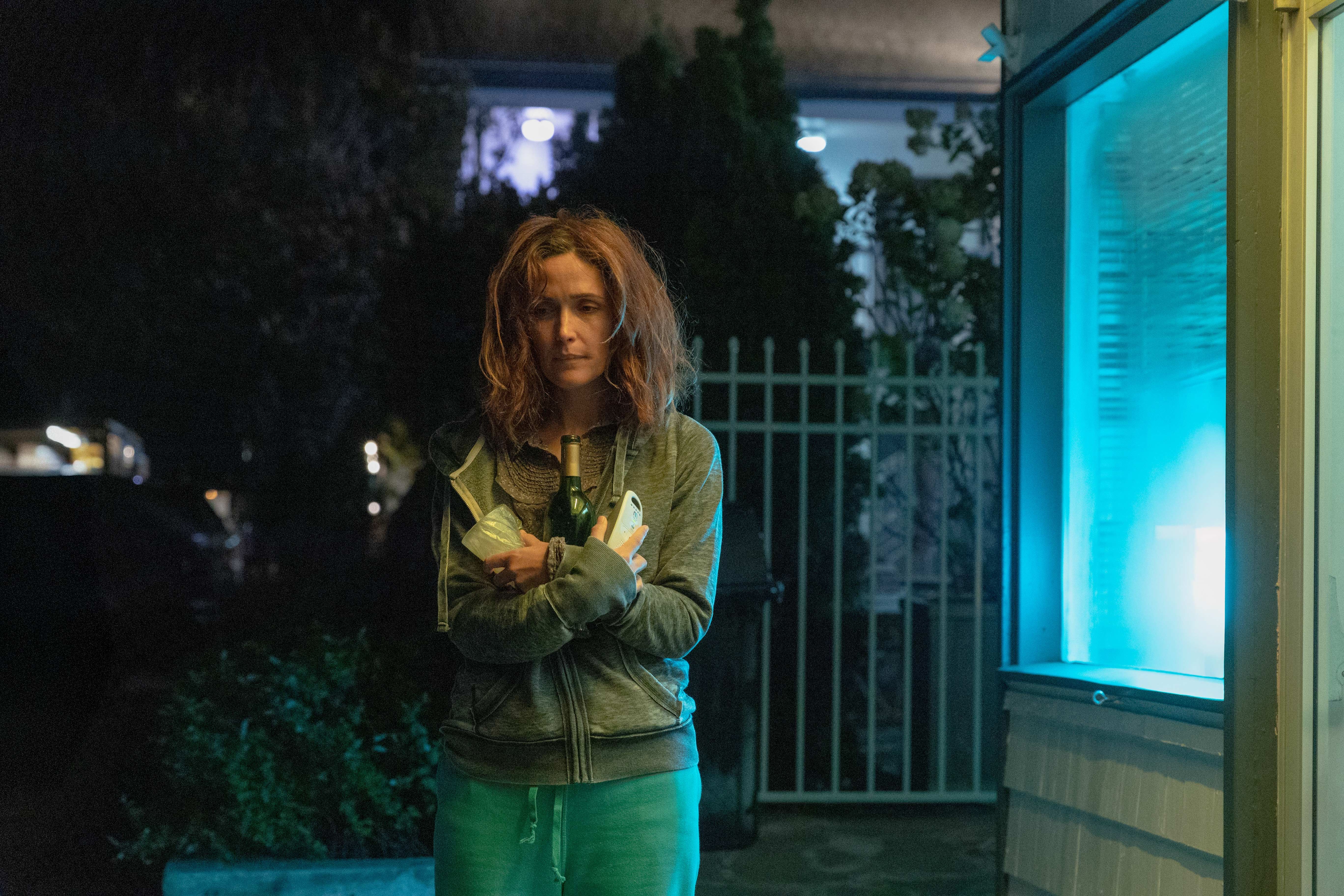
Predator: Badlands is the latest instalment in the sci-fi series and the second this year after the animated Predator: Killer of Killers. It’s once again directed by Dan Trachtenberg, who breathed new life into the series with Prey, and he shakes the formula up here yet again. Considering we’re now seven films in, this is the first time a film has a Predator as the protagonist, with the film completely devoid of humans. Dek (Dimitrius Schuster-Koloamatangi) is a runt Predator who takes a vow to hunt a mythical creature called the Kalisk on the lethal planet Genna to earn his father’s approval. In a double role, Elle Fanning plays Thia and Tessa, two Weyland-Yutani (yes, that megacorporation from the Alien series) synthetics who Dek meets on Genna – Thia a damaged synthetic with severed legs who teams up with him, whereas Tessa is an evil droid who opposes the two.

Dan Trachtenberg delivers another above-average instalment and although Predator: Badlands descends into a bit of a CGI-fest in its final act, there’s lots of promise here. The first half is particularly strong, with Dek oddly likeable as the uncommonly sensitive Predator and the relationship between him and Thia is well-developed. It says a lot about the quality of Trachtenberg’s direction and Patrick Aison’s tight script that we root for Dek when he speaks in his native Yautja language throughout the film, translated via subtitles.

There’s lots of good world-building too, both of Dek’s home planet and the hostile environment of Gonna. The film’s well-paced and rolls along at a brisk pace and it’s vividly shot by Jeff Cutter, even if there’s an overreliance on visual effects at times. There’s an interesting score by Sarah Schachner and Benjamin Wallfisch that blends a dark mood with chants in Dek’s native Yakutia language into some memorable themes.

Predator: Badlands is the first in the series to have a 12A / PG-13 rating and I was worried this film would feel watered down. Although it’s true it could certainly be nastier, there’s stil plenty of satisfying violence and bloodshed, and the film’s received this lower rating because there’s no human characters so the blood isn’t red.

It may lack the simplicity of Prey and veer into a bit of a CGI-fest in its final act before an excellent closing set piece, but Predator: Badlands is a very solid entry in the enduring series. Trachtenberg once again manages to find an exciting new direction to take the Predator series in by making the horror icon a likeable protagonist. Based on the promise of its cliffhanger ending, I’m excited to see what’s in store next.

Bugonia (Review)

Review
Still from 'Bugonia'

Rating: 4 out of 5.

Director: Yorgos Lanthimos
Starring: Emma Stone, Jesse Plemons, Aidan Delbis, Stavros Halkias, Alicia Silverstone
Certificate: 15

Run Time: 118 mins

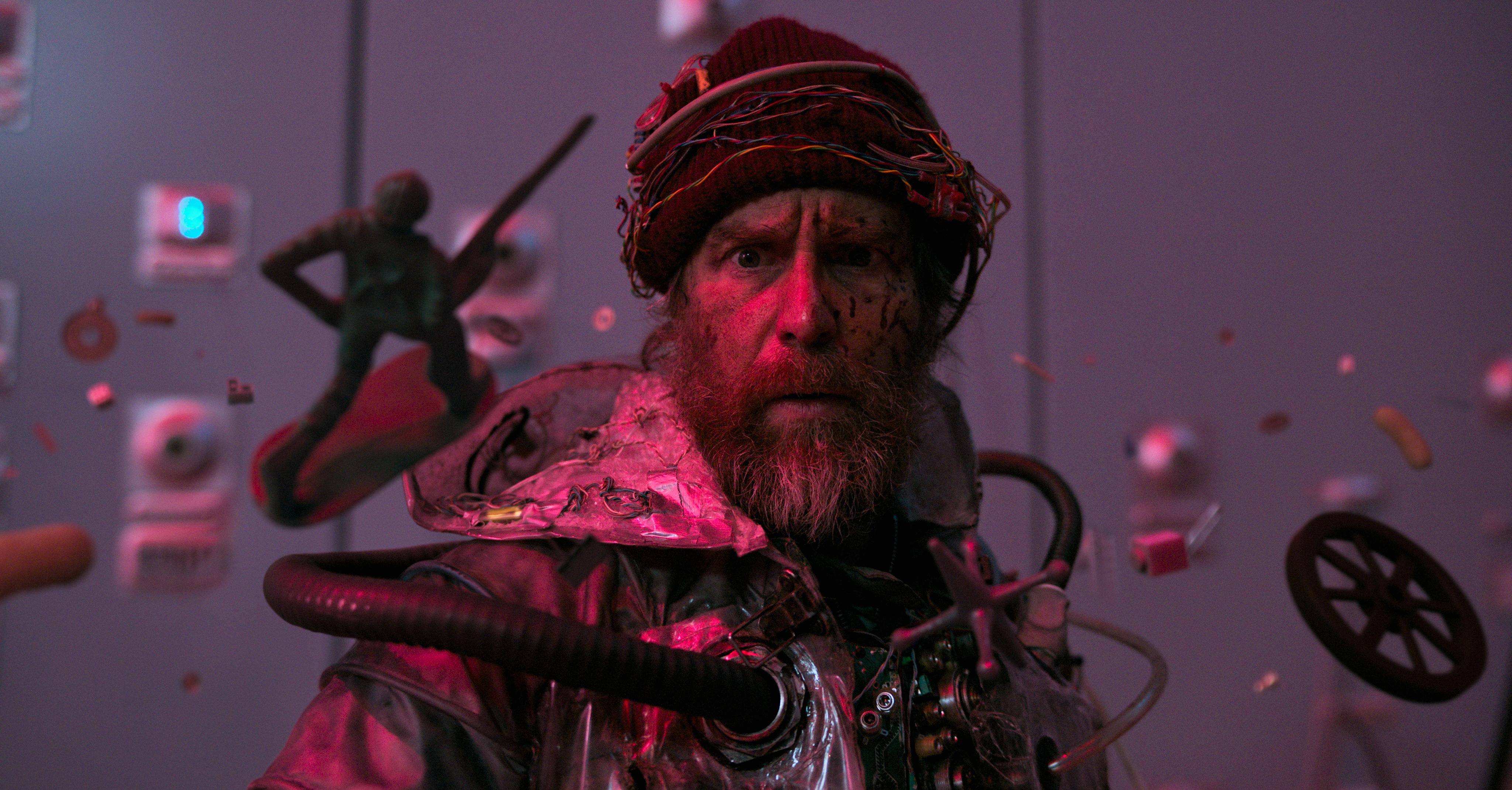
Bugonia is the new Yorgos Lanthimos film, who is coming off a high with both Poor Things and Kinds of Kindness making in into my top three best films of 2024. Lanthimos’s films are always memorable, with bold themes and deadpan delivery from the cast. Here, Lanthimos remakes a 2003 South Korean film called Save The Green Planet!, where two men kidnap a CEO because they suspect she is secretly an alien who wants to destroy the earth. The director reunites for the fourth time with Emma Stone, who plays Michelle Fuller, the ill-fated CEO of a pharmaceutical company who is abducted by conspiracy theorist Teddy Gatz (Jesse Plemons) and his disabled brother Don (Aidan Delbis).

Bugonia is yet another thought-provoking work from Lanthimos, packing plenty of surprises and thrills up its sleeve. This is a film that keeps you second-guessing throughout with its complex characters and striking visuals, and like lots of his work, it’ll take multiple watches to fully unpack. I’ve always found Lanthimos is at his best when he’s on scriptwriting duties with his co-writer Efthimis Filippou (they co-wrote Dogtooth, Alps, The Lobster, The Killing of a Sacred Deer and Kinds of Kindness together) with their arch dialogue. It’s why The Favourite didn’t fully work for me. And although Will Tracy’s script isn’t quite as arch as what Lanthimos and Filippou would conjure, I didn’t notice the writing as much as I did in The Favourite.

While Emma Stone is reliably excellent as Michelle, it’s Jesse Plemons and Aidan Delbis that really stand out as the abductors. Plemons is scarily convincing as the unkempt Teddy, who constantly takes advantage of his cousin with his conspiracy theories and has a very short fuse – I hope he’s recognised come Awards season. Delbis is equally brilliant in his debut role, brilliantly balancing the vulnerability of his disability with a clear sense of right and wrong. Stavros Halkias is also excellent as Casey, a charismatic police officer who cares about Teddy and Don’s welfare.

Robbie Ryan’s cinematography is outstanding, shooting the film in VistaVision with a vivid colour palette. Bugonia is particularly beautiful if you watch it in 35mm, which I was fortunate enough to experience. Jerskin Fendrix, who seems to also becoming Lanthimos’ new composer of choice given this is his third collaboration, turns in a career-best score. The monumental score beautifully compliments the events on-screen, upping the intensity with memorable themes.

Bugonia is yet another excellent film from Lanthimos that kept me gripped throughout with its fascinating story, memorable performances and stunning visuals. It’s suitably nasty when it needs to be with its outbursts of violence and poetic in its themes. I’m not sure it’s quite as haunting as his best work – a rewatch will determine if that’s true – but this is still a fearsomely original work that’s a must-see on the big screen.

Shelby Oaks (Review)

Review
Still from 'Shelby Oaks'

Rating: 3 out of 5.

Director: Chris Stuckmann
Starring: Camille Sullivan, Brendan Sexton III, Keith David, Sarah Durn, Derek Mears, Emily Bennett, Charlie Talbert, Robin Bartlett, Michael Leach
Certificate: 15

Run Time: 91 mins

Shelby Oaks is YouTube film critic Chris Stuckmann’s directorial debut and he’s chosen to make a supernatural horror. The film follows Mia (Camille Sullivan), who is investigating the disappearance of her younger sister Riley (Sarah Durn). Riley was part of a team of paranormal investigators who had a YouTube channel known as the ‘Paranormal Paranoids’. They’d been investigating a prison in the town of Shelby Oaks, where all of the team were murdered, apart from Riley whose body was never recovered. The film opens with an extended sequence before the opening credits with a documentary featuring Mia, who is being interviewed 12 years after the disappearance, before shifting to a standard narrative.

Shelby Oaks is a very promising debut from Stuckmann that is particularly gripping in its first half, but loses it way in the second half with some serious plot contrivances. The opening is particularly eerie, with a mixture of found footage and mockumentary filming techniques and the events leading to Riley’s disappearance are well developed. It’s tightly paced and beautifully shot by Andrew Scott Baird – Stuckmann’s clearly been influenced by Robert Eggers’s The Witch and Ari Aster’s Hereditary. There’s also a jangly and unsettling score by James Burkholder and The Newton Brothers.

The performances are excellent across the board, with Camille Sullivan particularly impressive in the lead – I really brought her devastation of not knowing where her sister is. Other highlights include Shutter Island‘s Robin Bartlett as Norma, a woman living in Shelby Oaks and the always reliable Keith David as a prison warden.

It’s just a shame that the second half doesn’t live up to the first. I was still gripped but it transcends into more generic horror fare, and the first half really works because Stuckmann’s trying to do something different. A host of plot contrivances also somewhat undo the good work. While I didn’t find the film particularly scary, there are some unsettling moments and I like that Stuckmann doesn’t simply rely on jump scares.

Shelby Oaks is a very promising debut and I found the film entertaining throughout with a brilliant central performance by Camille Sullivan. It’s a shame the film doesn’t sustain its greatness throughout, but Stuckmann proves an adept director and I can’t wait to see what he does next.

Relay (Review)

Review
Still from 'Relay'

Rating: 3.5 out of 5.

Director: David Mackenzie
Starring: Riz Ahmed, Lily James, Sam Worthington
Certificate: 12A

Run Time: 112 mins

Relay is the new film by David Mackenzie, best known for directing Hell or High Water, a Neo-Western crime drama that landed the film a Best Picture Oscar nomination – it’s a masterpiece. Mackenzie’s been rather quiet of late – he hasn’t directed a film since Outlaw King in 2018. But fear not because not only has Mackenzie made Relay, he’s made another film called Fuze which premiered at TIFF at September this year, so it’ll no doubt be getting a wide release soon.

Back to Relay though and Mackenzie’s latest is a thriller starring Riz Ahmed as Ash, a fixer who mediates between whistleblowers and the companies they expose via a relay service for the deaf to conceal his identity. Lily James plays Sarah Grant, who is seeking help after working at a company who are covering up the side effects of their genetically modified wheat. She’d originally planned to expose them with a damning report but now just wants to be free of the company’s intimidation. After speaking to a lawyer, Ash’s services come recommended to Ash. What follows is a cat-and-mouse game of espionage between Ash, Sarah and a professional counterintelligence team led by Dawson (Sam Worthington).

Relay is a brainy thriller and its first two acts are fantastic. Justin Piasecki’s script (which was on the Black List of unproduced screenplays in 2019) is taut and there’s some great set pieces, especially inside an airport and an opera. The communication between the parties via the relay service is a wholly original idea to breathe new life into this genre, and Mackenzie deftly ratchets up the tension. It’s crisply shot by Giles Nuttgens and there’s an interesting guitar-heavy score by Tony Doogan. While still entertaining, it’s a shame the third act heads more into action film territory with an overcooked twist that I predicted pretty early in.

Riz Ahmed is an excellent lead, an actor who’s proven time and time again that he can convey a huge amount of personality through his physical presence alone – just look at Sound of Metal, for instance. While Lily James is reliably good in everything she’s in, it’s nice to see Sam Worthington in a film that makes the most of his potential – for the occasional brilliant performance in films such as Everest or Hacksaw Ridge, you’ve got something naff like Avatar: The Way of Water.

Relay is an entertaining and lean thriller, and yet another memorable film from David Mackenzie. It’s just a shame the film has a change of direction in the third act that doesn’t quite match the top-tier work of its first two thirds. Still there’s plenty of promise here, combined with some excellent performances and Relay is definitely worth checking out.

Springsteen: Deliver Me From Nowhere (Review)

Review
Still from 'Springsteen: Deliver Me From Nowhere'

Rating: 3 out of 5.

Director: Scott Cooper
Starring: Jeremy Allen White, Jeremy Strong, Paul Walter Hauser, Stephen Graham, Odessa Young
Certificate: 12A

Run Time: 119 mins

Springsteen: Deliver Me From Nowhere is a biographical musical drama about Bruce Springsteen’s personal and professional struggles during the conception of his 1982 album Nebraska. The film’s directed by Scott Cooper, a filmmaker whose work I greatly admire. Cooper’s first and arguably most critically acclaimed film is Crazy Heart, another musical drama, so it’s interesting to see him return back to the genre that he found the most success in. While I really liked Crazy Heart, it was his next run of films I particularly resonated with – Out of the Furnace (his best and most criminally underrated), Black Mass and Hostiles. His more recent films – Antlers and The Pale Blue Eye – were both good, but not on a par with his earlier work. Is Springsteen: Deliver Me From Nowhere Cooper back on top form?

Not quite. This is an engaging and ambitious biopic with an uncommonly moody tone, but it’s a little muddled in its execution. It’s commendable that Cooper has decided to make a film about the darkest part of Springsteen’s career, about someone who faces their inner demons rather than being a traditional, happy-go-lucky rock biopic. I also liked how the film analyses the creation of art and how an artist has to fight for their vision. It’s also impeccably shot by Cooper’s usual cinematographer, Masanobu Takayanagi – a shot of a car travelling through a desert landscape towards the film’s end is particularly stunning, as are the black-and-white flashbacks of Springsteen’s childhood, giving the film a nightmarish quality. But Springsteen’s breakdown in the third act feels a little unearned and rushed – although Cooper’s script is decent, he writes the character thinly in this respect.

Jeremy Allen White makes for a fantastic Springsteen, deftly capturing the mannerisms. When we first meet him on stage performing ‘Born to Run’, there isn’t a jukebox quality about White at all like there can be with some biopics – his performance feels very real. Jeremy Strong is also great as Jon Landau, Springsteen’s manager and it’s interesting to see him in a different role, where his intensity is because he supports the singer through thick and thin rather than having an ulterior motive. Odessa Young is another highlight as Faye Romano, Springsteen’s love interest and there’s a fun performance from Paul Walter Hauser as Springsteen’s recording engineer.

Springsteen: Deliver Me From Nowhere is an ambitious biopic in that Cooper has made a gloomy film that’s more interested in the minutiae and how an artist brings their work to life while battling their inner demons. But it lacks the lightning in a bottle energy that other music biopics such as A Complete Unknown earlier this year, or even Cooper’s own Crazy Heart. While this is yet another film where Cooper isn’t at the top of his game, I admire the director’s ambition even if it’s rather uneven.

It’s quite cineliterate with films like Badlands and Night of the Hunter.

Paul Walter Hauser is clearly having fun and Odessa Young is a highlight as Faye Romano, Bruce’s love interest.

After The Hunt (Review)

Review
Still from 'After The Hunt'

Rating: 3 out of 5.

Director: Luca Guadagnino
Starring: Julia Roberts, Ayo Edebiri, Andrew Garfield, Michael Stuhlbarg, Chloë Sevigny
Certificate: 15

Run Time: 139 mins

After The Hunt is the new Luca Guadagnino film, who has been rather prolific with Bones And All, Challengers and Queer all releasing over the last three years. His latest is a psychological thriller starring Julia Roberts as Alma, a Yale University professor who lives with her psychiatrist husband, Frederik (Michael Stuhlbarg). The film opens as they’re hosting a dinner party and in attendance are Alma’s colleague, Hank (Andrew Garfield) and Maggie (Ayo Edebiri), her top PhD student. Soon after, Alma finds herself trickily caught in between a sexual abuse accusation involving the two.

After The Hunt is another stylish work from Luca Guadagnino, but there’s no denying its script and story are very flawed. Debut screenwriter Nora Garrett’s script is very wordy and expository, with characters speaking unnaturally – it’s a rewrite short of success. There are also some contrivances to the story, but I was able to overlook these because the film is always entertaining. Your patience may vary though because of the film’s unsubtle provocative themes and I totally see why it’s getting mixed reviews.

Julia Roberts makes for an engaging lead as the college professor, fighting to stay on top of her worsening health problems, her university tenure and the awkward question of who to side with within the accusation. Ayo Edebiri is more than a match for Roberts as the PhD student who’s come from a family of riches. I’m not sure whether I’d say they’re good, but Andrew Garfield and Michael Stuhlbarg both certainly make an impression as Hank and Frederik. A scene with Garfield chowing down on an Indian meal is particularly memorable as he gives his account to Alma, while Stuhlbarg’s performance as the husband is uncharacteristically overripe.

The film’s very handsomely shot by Malik Hassan Sayeed, his first cinematographer credit since 1998 and there’s a fittingly prickly score by Trent Reznor and Atticus Ross. Although overripe, their score does quite a lot of the heavy lifting in ensuring there’s tension – but I’d say the film loses some of its steam as it heads into its final act and an overly indulgent coda.

While After The Hunt isn’t Luca Guadagnino’s best work, there’s no denying it’s a film that only he could have made with its provocative messages and sexually-charged execution. The script is this film’s biggest issue and I think it’d be just as effective if it were 20 minutes shorter, too, but still there’s plenty to like and I was never bored.

Black Phone 2 (Review)

Review
Still from 'Black Phone 2'

Rating: 2.5 out of 5.

Director: Scott Derrickson
Starring: Mason Thames, Madeleine McGraw, Jeremy Davies, Demián Bichir, Ethan Hawke
Certificate: 18

Run Time: 114 mins

Black Phone 2 is a sequel to the 2021 Ethan Hawke-starring original – my best film of 2022, but one that wasn’t screaming for a sequel with its coherent and well-contained story. Horror maestro Scott Derrickson returns to direct – the first time he’s done so, after he’d left Sinister 2 and Doctor Strange in the Multiverse of Madness for others to take the helm – and writer C. Robert Cargill is back too.

Despite Ethan Hawke’s serial killer villain meeting a very definitive end at the end of The Black Phone, this sequel picks up four years after the original. Finney Blake (Mason Thames) is struggling to adjust to normal life, turning to fighting and abuse to repress his trauma. His younger sister, Gwen (Madeleine McGraw) begins having dreams where she sees murders that happened at Alpine Lake Camp 25 years prior and receives a call from her mother in one of them. She convinces Finney and her friend Ernesto to travel to the camp to investigate, and as you might expect, all hell breaks loose once they arrive.

Black Phone 2 is a mixed bag – Derrickson is to be commended for making a sequel that doesn’t simply retread the original’s beats, but it lacks the simplicity that made the first a horror classic. The second half fares much better than the first and it’s stylishly directed by Derrickson. The decision to shoot Gwen’s dream sequences in 16mm home-video is an excellent choice, the grainy aesthetics adding an unsettling quality, which Derrickon is no stranger to given he used a similar technique in Sinister. Cinematographer Pär M. Ekberg beautifully captures the menacing mountains and foreboding frozen lake too, and there’s a chilling synth-based score by Atticus Derrickson, the director’s son.

While the script isn’t terrible, I don’t think Derrickson and Cargill quite cracked how to tell the film’s story in as simple a way as the original. The first half is surprisingly incoherent at times and there’s some contrivances you have to get around too. While Derrickson crafts an unsettling atmosphere, I struggled to fully immerse myself in the film because the story just doesn’t flow very well. Things improve in the second half once the film reveals its hand of where it’s going, and it then rattles along at a good pace towards the finale. But I can’t say I was ever frightened and I didn’t

Mason Thames gives yet another compelling performance, but this is really Madeline McGraw’s film because her character is central to proceedings. While she was the undoubtedly highlight of the first film, her performance doesn’t quite capture lightning in a bottle in the same way because there’s less at stake this time round. Ethan Hawke is reliably excellent, but he also gets less to work with this time round. Series newcomers Demián Bichir and Arianna Rivas are both excellent though, Bichir as the supervisor of the Alpine Lake camp in a role with many similarities to his performance in The Hateful Eight, and Rivas plays his daughter, Mustang.

While Black Phone 2 deserves praise for not being a straightforward rehash and there’s no denying it’s well-directed by Scott Derrickson, it’s a shame this film doesn’t have the same calibre of storytelling. The Black Phone was such a success because of how confidently it told a simple story, and this sequel trips over itself a bit, especially in the first half. But enough’s enough now – Black Phone 2 isn’t a failure to the point it stains my opinion of the original, but it’s certainly a step down.

Roofman (Review)

Review
Still from 'Roofman'

Rating: 3.5 out of 5.

Director: Derek Cianfrance
Starring: Channing Tatum, Kirsten Dunst, Ben Mendelsohn, Lakeith Stanfield, Juno Temple, Peter Dinklage
Certificate: 15

Run Time: 126 mins

Roofman is the new film by Derek Cianfrance, best known for directing Blue Valentine and the excellent The Place Beyond The Pines. His first film since the decidedly average The Light Between Oceans all the way back in 2016, Roofman is a crime comedy about real-life robber Jeffrey Manchester, who hid in a Toys “R” Us after escaping prison. He survived on kids’ snacks and baby food, exercising during the night when the store was closed by riding a bike through the aisles – yes, really! Channing Tatum plays the divorced US Army Veteran turned outrageous robber and the film marks a change of pace for Cianfrance, given his previous films have been very serious.

Roofman is a real romp of a time that deftly balances the sheer absurdity of Manchester’s antics with a minor-key sadness and excellent character development. Channing Tatum brings plenty of charisma as the intelligent robber who has a knack for noticing the smallest details and I found myself really rooting for him with his warm personality. His burgeoning relationship with Kirsten Dunst’s (also excellent) Toys “R” Us employee, Leigh, is particularly well-developed, with well-earned cringeworthy moments as he starts to integrate himself into her dysfunctional household and get himself deeper and deeper into a doomed situation. Peter Dinklage is another highlight as Mitch, the Toys “R” Us shop manager and a stickler for the rules.

The film’s missing some of the grit that Cianfrance is best known fork, the director opting for a fuzzily warm tone instead but I wouldn’t say it’s schmaltzy. While that’s fitting for the film, if I hadn’t have known who was in the director’s chair, I wouldn’t have guessed it was Cianfrance if I was watching this blind. Still, Roofman is an easy film to like with its stranger than fiction story and a selection of compelling performances.