No Time To Die (Review)

Uncategorized

⭐⭐⭐⭐ (Excellent)

Director: Cary Joji Fukunaga
Starring: Daniel Craig, Rami Malek, Léa Seydoux, Lashana Lynch, Ben Whishaw, Naomie Harris, Jeffrey Wright, Christoph Waltz, Ralph Fiennes, Billy Magnussen, Ana de Armas, David Dencik, Rory Kinnear
Certificate: 12A
Run Time: 163 mins

No Time To Die represents Daniel Craig’s swan-song as James Bond, whose films have proved to be the most consistent out of all the actors to play Ian Fleming’s spy. After Pierce Brosnan’s self-destruction of the franchise with Die Another Day, a low point for the series that featured an invisible car, Craig’s debut, Casino Royale rejuvenated the franchise with gritty gusto and a more grounded storyline. I found Quantum Of Solace, controversially, to be the high point of Craig’s films as it is a lean and mean sequel that has some excellent action sequences, although many regard the film as Craig’s low point. Director Sam Mendes’ Skyfall further rejuvenated the franchise by tapping into Bond’s past and reintroducing characters such as Q and Moneypenny, who had been absent from Craig’s initial outings. I would agree that it is a very solid film with some excellent cinematography by Roger Deakins and a great villain from Javier Bardem, if a little overrated. Mendes returned to direct Spectre, which received mixed reviews, but there is a lot to admire in it as it harkens back to the Bonds of the Sean Connery and Roger Moore era with its more playful action sequences and villain with Christoph Waltz’ Blofeld. 

What has been really interesting with the Craig films is that they have all been a continuation of a storyline, with each film tying into the last. All of the other films in the series have been decidedly more standalone. It would be cheap to suggest that this is the Marvel effect on filmmaking where many films now are interconnected in their storylines but James Bond has wildly succeeded with this technique. 

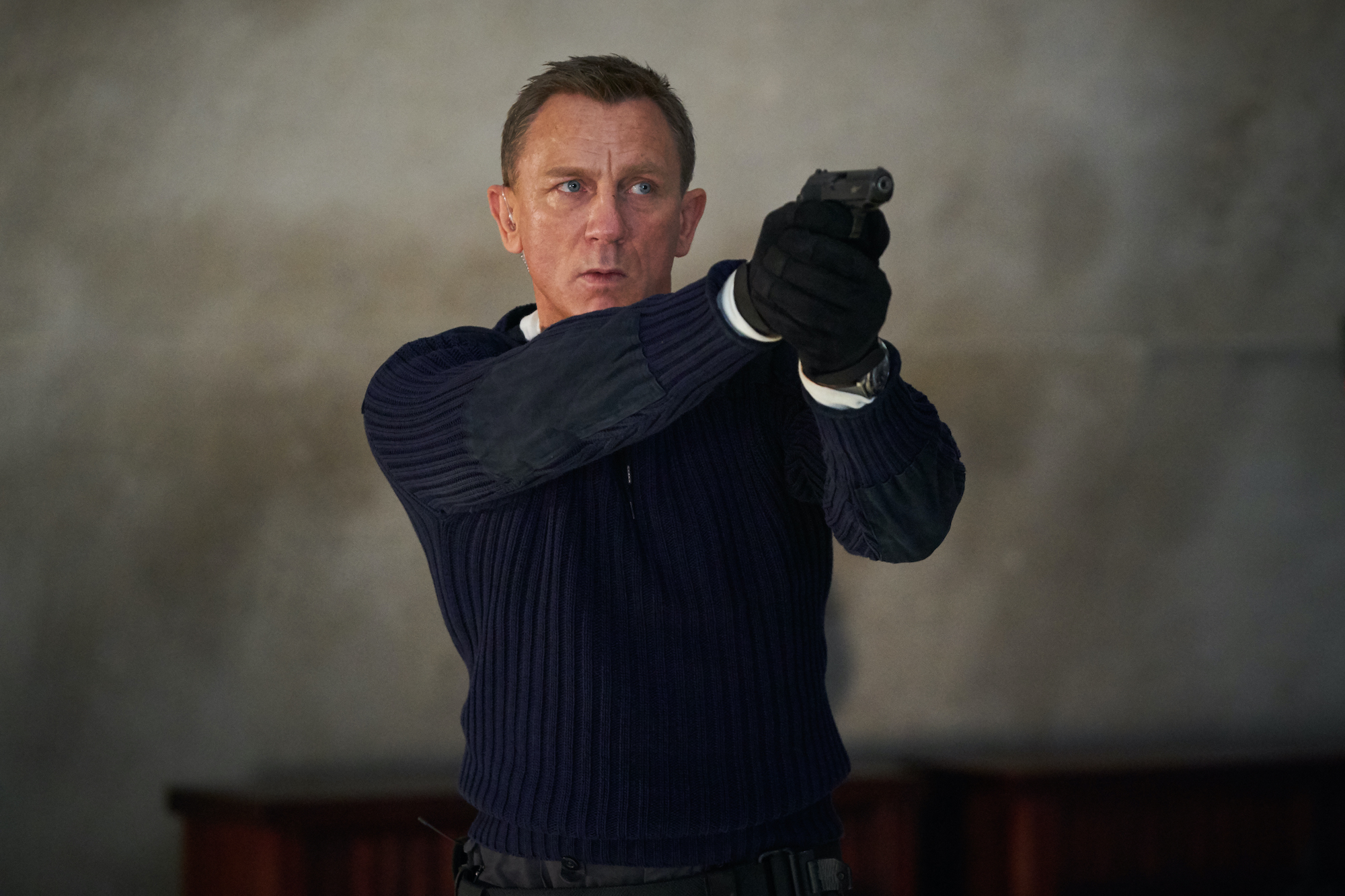
No Time To Die continues Craig’s storyline and finds Bond settled with Lea Seydoux’s Madeleine Swann, after Spectre ended with them driving off into the distance. They find themselves in Matera, Italy, where Bond visits the tomb of Vesper Lynd (Eva Green) only to be intercepted by members of Spectre. Bond abandons Swann on the belief that she has betrayed him. Five years later, we find Bond in retirement mode in Jamaica, who is reluctantly convinced by Felix Leiter (Jeffrey Wright) to rescue a kidnapped scientist, Waldo (David Dencik), which ultimately leads to Bond crossing paths with Blofeld and a mysterious adversary in the form of Lyutsifer Safin (Rami Malek).

The film has taken a while to reach cinemas, after a change of director during production and then the coronavirus pandemic. Danny Boyle was originally in the director’s chair and had a script and proceeded with production but left due to creative differences. Boyle’s vision would likely have been revolutionary for the character but I find his films to vary in quality. Boyle’s style doesn’t really suit Bond, so I wasn’t disappointed with his departure. Boyle was replaced by Cary Joji Fukunaga, who is an inspiring choice, who has had success with the television series, True Detective, and has directed films such as Beasts Of No Nation and he wrote and was originally directing It before leaving due to creative differences but Fukunaga’s influence on the film is very much felt throughout tonally. 

No Time To Die is an operatic and thrilling finale to the Daniel Craig era that takes some ambitious risks in its narrative. Fukunaga’s fingerprints can be felt all over the film from the Japanese memorabilia to the more intimate character moments. The first half an hour gave me goosebumps with an opening tinged in horror and then an emotive initial action sequence. Fukunaga explores a more personal side to Bond and excitedly departs from established franchise formula. The film is beautifully shot by Linus Sandgren, who makes the various travel destination locations look intoxicating.  

Fukunaga ambitiously draws parallels with On Her Majesty’s Secret Service, George Lazenby’s soul outing which is underrated for its fantastic story. This is a brave film to try and ape but the comparisons that are drawn and contrasted are well constructed, if not always successful.  Hans Zimmer’s score revisits some of the cues, although a little clumsily as he jarringly references OHMSS’s score in places that don’t fit. On the subject of Zimmer’s score, it is good but it doesn’t reinvent the wheel, which is a shame, as he could have been more ambitious with this material.  

Of the cast, Daniel Craig is his usual excellent self and impresses with a more sensitive and sombre edge than he had in previous films. Lea Seydoux is also impressive as Madeleine Swann and gets significantly more development, redeeming her more damsel-like performance in Spectre. Ana de Armas makes a particularly strong impression as Paloma, who really shines in an action sequence set in Cuba where she partners with Bond. It’s a shame her character isn’t in the film for longer. The ensemble of M, Q and Moneypenny are not as prominent in the storyline this time around but Fukunaga doesn’t totally neglect them and they all get brief moments to shine. Lashana Lynch’s Nomi doesn’t fare quite as well, as her character lacks personality, but the idea of a female 007 is progressive for the franchise. 

Rami Malek makes for a mostly compelling villain. Fukunaga’s introduction of Safin is tonally reminiscent of a slasher film and there is a clear motive for his actions in the first two thirds of the film. There is an extended monologue in the third act which is the downfall of the character somewhat as Safin’s plans are somewhat conventional and there are a few plot holes. However, the execution of his plan is not conventional, which is what allows him to shine and he makes for a nasty adversary for Bond. Christoph Waltz returns in a limited capacity as Blofeld but he makes the most of his short screen time. 

No Time To Die is a thoroughly thrilling send-off for Craig and it will be interesting to see how James Bond is regenerated in future instalments, given how this film ends. It doesn’t bottle out and Craig’s films cement themselves as the most consistent. It is hard to tell where this film fits into Craig’s films, I think on a first viewing it ranks in the middle of the pack. It is one of the best films in the franchise and Craig’s tenure as 007 will be hard to top. 

⭐⭐⭐⭐ (Excellent)

The Green Knight (Review)

Uncategorized
⭐⭐⭐ (Good)

Director: David Lowery
Starring: Dev Patel, Alicia Vikander, Joel Edgerton, Sarita Choudhury, Sean Harris, Barry Keoghan, Ralph Ineson, Kate Dickie 
Certificate: 15
Run Time: 130 mins

The Green Knight is the latest from director David Lowery, who has had an interesting and varied career to date. His debut Ain’t Them Bodies Saints was an excellent crime drama and Lowery was then granted a bigger budget for his follow-up with Disney’s Pete’s Dragon. Lowery then wrote and directed a more intimate feature, A Ghost Story, which had an excellent premise but I found it hard work to engage in with some baffling creative choices. This was then followed by The Old Man And The Gun, a far more accessible feature that was the vehicle for Robert Redford’s swansong and there was a lot to admire in its earnest and twinkly tone. The Green Knight is an adaptation of the 14th Century poem, Sir Gawain and The Green Knight, and is a passion project for the director.

It is Christmas at King Arthur’s roundtable and Gawain is invited by his side, even though he is not a knight and spends his time drinking and having fun in brothels. The Green Knight turns up at the castle and he sets a challenge to the audience to strike a blow against him. In a year’s time, he who strikes him must journey to the Green Chapel to face a similar blow. Gawain accepts the challenge, to try and prove his worth, impressively decapitates the knight, who then picks up his head and leaves, laughing at Gawain who will face a similar blow next Christmas. Gawain spends his year in drunkenness and then leaves on his quest. 

I was worried about this film, prior to watching it. Whilst the critical reception has been very positive, it has proven divisive with audiences and I was worried Lowery was going to deliver another incomprehensible mess in the vein of A Ghost Story

The Green Knight is a visually arresting and often captivating take on the material. It is also baffling at times and it would be easy to label Lowery’s direction as pretentious but it’s not. The film has stayed with me and its enigmatic and poetic tone is admirable. It is a film that lends itself to repeat viewing and some of Lowery’s directorial choices are clearer when you are aware of the structure of the storytelling. Dev Patel’s performance is extraordinary and he is able to capture the headstrong nature of his character with his child-like immaturity. Lowery’s choice of having certain actors playing multiple characters is an interesting choice and made for a perplexing choice on first viewing but this is symbolic of Gawain’s life approach. The only weak link of the cast is surprisingly Alicia Vikander, whose character I couldn’t connect with and she was unconvincing with her wobbly accent. 

Every frame in this film is drop-dead gorgeous and this is a film to be studied for its photography from its fog drenched landscape to the dark and mossy forests. This is complimented by Daniel Hart’s predominantly string-based score that allows a sense of foreboding. 

Not everything works with The Green Knight. As well as the oddly strange Alicia Vikander performance, there are some moments that Lowery dwells on for too long which make the film a little languorous and there is also a questionable sex scene that pushes the film to its adult rating. Lowery really nails the ending of the film, which is poignantand elegiac and allows the audience a proper sense of closure. Mark Kermode’s likening of the ending in his review to The Twilight Saga: Breaking Dawn Part 2 seemed like an odd comparison but it is actually an extremely astute association. 

The Green Knight is a really admirable effort by David Lowery and although not everything works, it is always best when a director takes a bold risk rather than plays it safe. There have been numerous King Arthur / Merlin adaptations in film history but The Green Knight stands on its own feet and I’m very glad it exists. There are lots of layers to Lowery’s storytelling here and this is a film be that opens up on rewatches if you are able to be absorbed by it. 

⭐⭐⭐ (Good)

Ranking The Films Of James Wan

Uncategorized

With James Wan’s return to the horror genre, Malignant, hitting cinemas, now would make a fitting time to rank the director’s work to date. Wan is arguably the most influential figure in mainstream horror over the past two decades, launching the Saw, Insidious and The Conjuring horror franchises, each offering a distinctive take on the horror genre. Based on his success, Wan has recently tackled bigger budget fare such as Furious 7 and Aquaman. Malignant reflects Wan’s return to the horror genre and has received a polarised reception, some completely dismissing it whereas others sharing an appreciation for its ambition.

Please note that I am yet to see Furious 7, therefore it doesn’t feature in this ranking. 

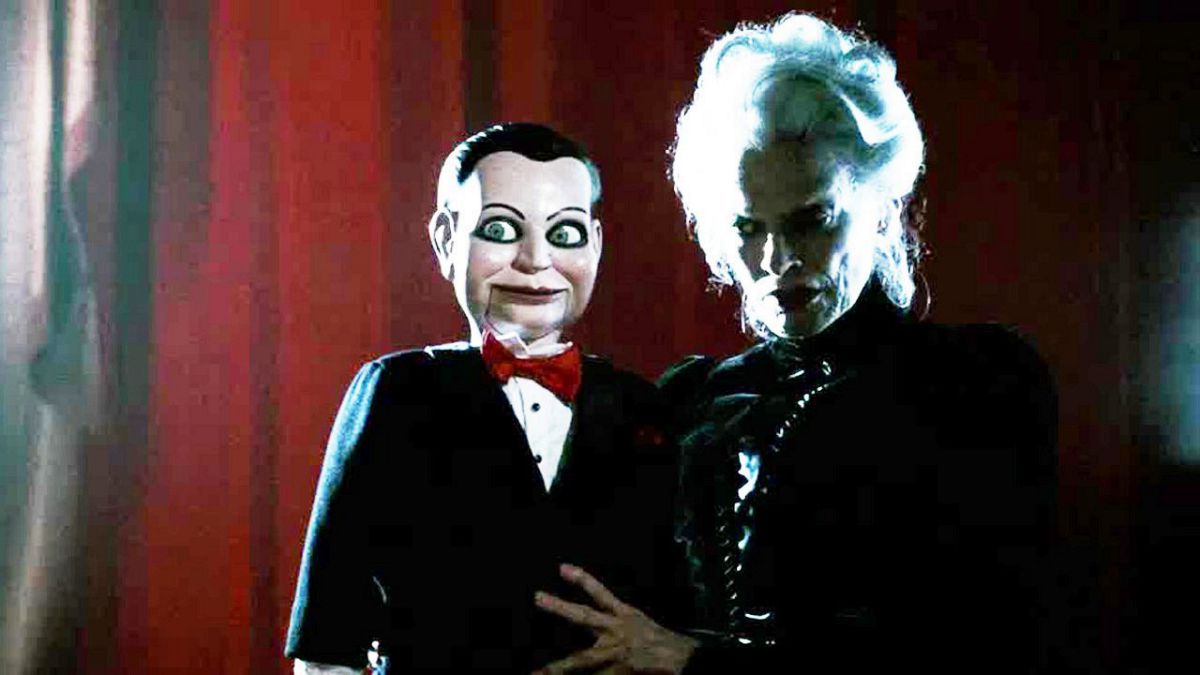
9) Dead Silence

Wan’s follow-up feature after Saw, Dead Silence is by quite some distance, the worst film of Wan’s career. It was released off the back of many horror films of this type and Wan heavily leans into the camp territory. The narrative isn’t particularly interesting, it lacks a twist and the characters aren’t particularly well written, which are reflected in the stale performances. It’s not an outright disaster as Wan demonstrates he is adept with puppetry and there are a handful of creepy images but that’s about it.

There is now a sizeable step in quality…

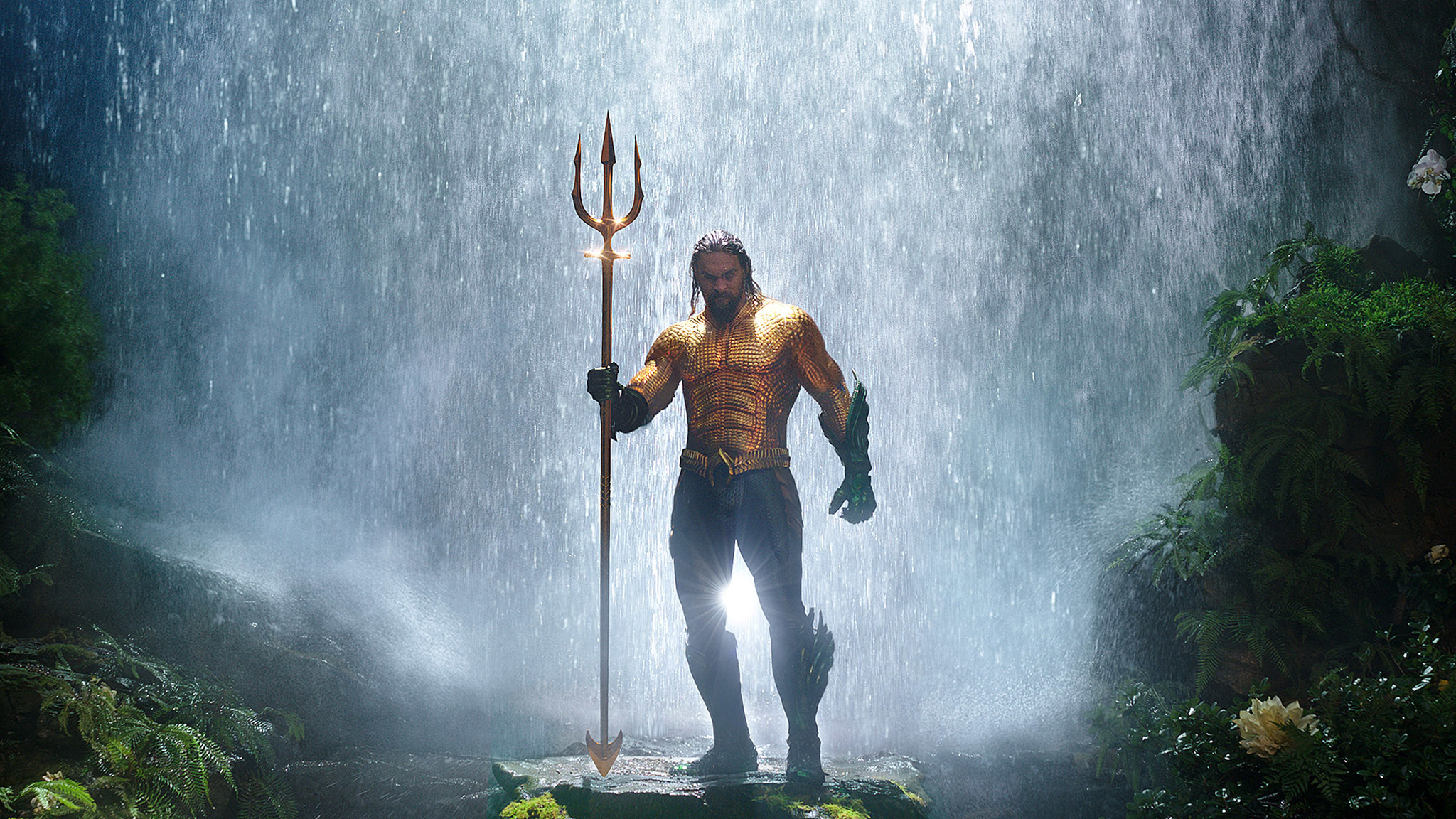
8) Aquaman

Aquaman just about works as a film and it is a largely entertaining underwater extravaganza that is consistently visually stunning. I was frequently in awe witnessing the underwater world Wan created and there are many shots in the film that are wonderfully crafted. Even when the characters are on land, the visuals are excellent and a chase scene in a Sicilian setting is choreographed particularly well. As for Aquaman himself, James Wan certainly embraces the more corny aspects of the character but manages to inject a lot of heart and development to make him more likeable which is a relief. This cheesy tone Wan goes for isn’t entirely successful and the film is stuffed with formulaic dialogue and plot points. It’s also overlong at a whopping 143 minutes and although not to as bad an extent as other films, it does succumb to a CGI-fest in its final act. (My full review here)

Another large step up in quality…

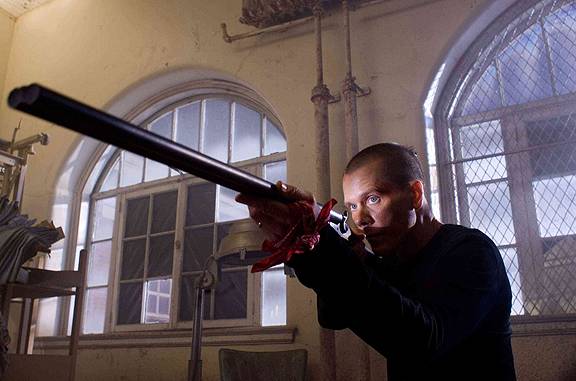
7) Death Sentence

Death Sentence gets a bad rap from critics and audiences but I think this film is quite underrated. This is a lean and brutal revenge thriller that isn’t afraid of gore and violence. Kevin Bacon puts in a committed performance as a vigilante father with not much else to lose after his son is brutally murdered by a gang in an initiation ceremony. The villainous gang, headed by Garrett Hedlund, make for a particularly viable threat and Wan crafts some giddy action sequences. Ignore the reviews and give Death Sentence a watch as it is a total blast and has been somewhat buried compared to his other projects.

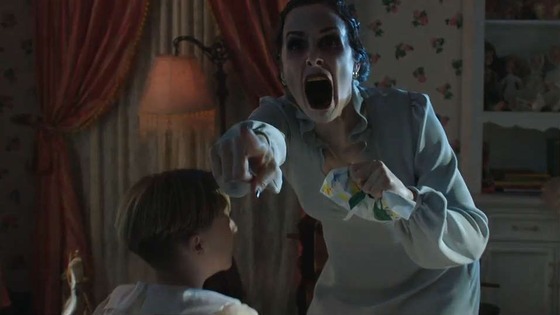
6) Insidious: Chapter 2

Insidious: Chapter 2 received mixed reviews on its release and granted, it does lose some of its originality that the first film had but there are some top rate scares here and a very interesting storyline, which Wan prioritises over the scares. It successfully expands the mythology and framework of ‘The Further’ which this series would go on to further develop in its further sequels. Patrick Wilson provides a sinister riff on Jack Nicholson’s Danny Torrance in his performance and ties in with the first film very neatly.

5) The Conjuring 2

The Conjuring 2 isn’t as strong as the first film – it is overlong which severely impacts the pacing and just isn’t quite as interesting a story as the first one was. However, Wan delivers in spades on the scare-front and the film has some truly frightening sequences and there are also some great performances from the cast. Only Wan could have made or been given permission to make this film as 134 minutes for a horror film is uncommonly long and whilst there is a lot of character development (and self-indulgence), 20 minutes could fairly easily have been chopped off and the film would almost be as strong as the original. This is definitely its main problem which is to its detriment. The film bears many similarities to William Friedkin’s The Exorcist and there are a couple of moments where the film leaves a bit of a sour taste as it reiterates many of the clichéd elements of superior horror films. Coming off a near-perfect original, it’s a shame The Conjuring 2 isn’t a knock-out, but that was always going to be impossible and there is still a lot to like in this film. (My full review here)

4) Malignant

Wan’s latest, Malignant is an ambitious risk and is the director’s interpretation of a Giallo horror. The narrative takes unexpected turns. The first act seems fairly generic on the surface, in the vein of Insidious, although Wan does establish an unsettling atmosphere. The film then morphs into a David Fincher-esque serial killer mystery, where it is at its best. A chase scene between the police and the assailant mid-way through is kinetic and heart-pounding. Its last half an hour or so is outrageous with a bonkers plot twist and is a cacophony of gleeful gore, body horror and John Wick-like ultraviolence, with a hint of Sam Raimi camp. As successful as Wan has been in establishing horror franchises, I hope this film remains a standalone piece, as I think it would be impossible for Wan to surprise his audience to this extent twice if he tackles a sequel. (My full review here)

And now for the top three…

3) Insidious

On the face of it, Insidious seems to begin as a somewhat conventional supernatural horror but with a better quality of jump scare. However, Wan is original with the material in terms of where the story goes and the second and third acts are particularly exciting and take some unexpected turns. What’s particularly impressive is Wan’s variation of jump scares and he is not afraid of unleashing horror on the family in broad daylight, which many horror films are guilty of avoiding.  

2) Saw

Wan’s directorial debut is by far and away the best in the franchise and its influence is somewhat diluted now by its cash cow sequels as most of them miss the point of this film to varying degrees. This is a gleefully nasty film, heavily influenced by Se7en but with its own parameters and character mythology. It has a knock-out twist at the end that if you were not aware of it going in, is jaw-dropping on a first viewing. What makes the film scary isn’t the gore and violence but it’s what Wan alludes to that you don’t witness on-screen. This is filmmaking at its most creative – Wan achieved this film on a very limited budget and he makes the most out of every dollar.

And the best James Wan film is…

1) The Conjuring

There was never any contention for the top spot. The Conjuring is by far and away the best film in the series and this film really helped to propel Wan’s career. The film is suitably scary, very atmospheric and has a fascinating narrative. Wan develops the characters superbly, in particular Vera Farmiga and Patrick Wilson, who are great as The Warren’s. Although the scares aren’t the most original, it’s in the execution which allows this film to really deliver and some of the set pieces in this film are mesmerising. The Conjuring is a film that is even better on rewatches and when we come back to look on the horror genre in the 2010’s, this film is straight up there with its highlights. It is a masterpiece.


What are your thoughts? Let me know in the comments or tweet @TheFilmMeister

Malignant (Review)

Uncategorized
⭐⭐⭐⭐ (Excellent)

Director: James Wan
Starring: Annabelle Wallis, Maddie Hasson, George Young, Jacqueline McKenzie, Michole Briana White
Certificate: 18
Run Time: 111 mins

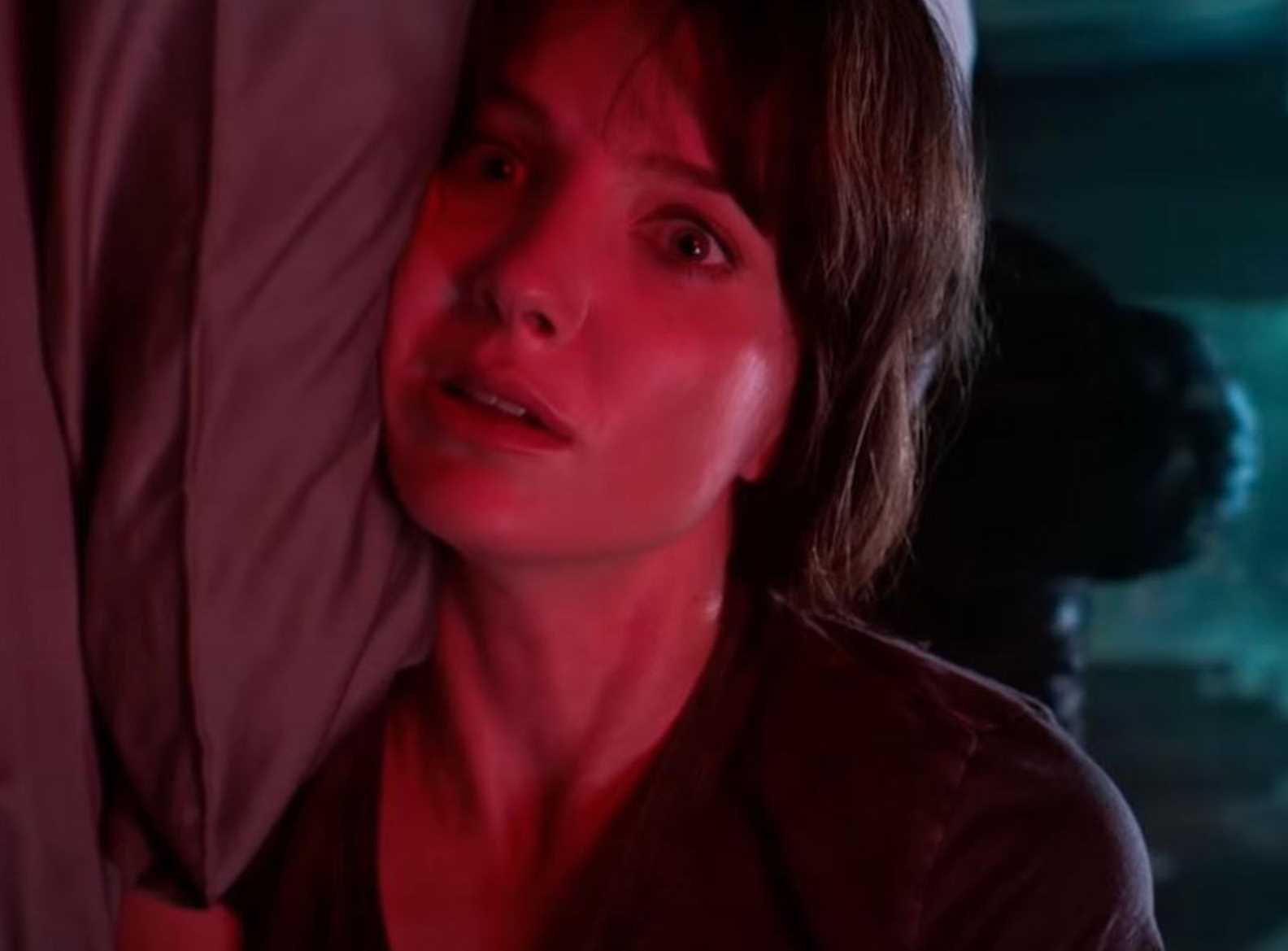
Malignant is a welcome and wholly original return to the horror genre for director James Wan. Wan has had an impressive career to date, establishing himself as a top-tier horror director, launching three very different but highly successful franchises – Saw, Insidious and The Conjuring. He has since turned to bigger budget mainstream fare such as Furious 7 and Aquaman. It is always a promising sign when a director chooses to revisit their roots and tackle a lower budget original concept. Wan’s horror films have been key proponents for the genre in the last twenty years, Saw sparking a wave of splatter horror, Insidious tackling the themes of the supernatural and astral projection and The Conjuring also deals with the supernatural but in a true crime setting. Subsequent filmmakers have tried to ape Wan to mixed results, particularly the jump scare which audiences have increasingly grown tired of. Lesser filmmakers rely on this effect without building up tension or setting an unsettling atmosphere and it has become a very mechanical device. Malignant has been marketed very much in the same vein as a supernatural horror film, more in line with Insidious and The Conjuring, but the result is very far removed from these films and is not what you’d expect.

Malignant is Wan’s interpretation of a Giallo horror and this is a fascinating film that embraces a camp tone. The film opens in a psychiatric hospital where we see obscured glimpses of a psychiatric patient named Gabriel who has become uncontrollable and murders and maims many of the hospital staff. The doctors manage to restrain him and vow to ‘cut out the cancer’ before the opening credits roll. 

We then meet our protagonist of the film, Madison (Annabelle Wallis) who is well into her pregnancy who lives with her abusive husband, Derek (Jake Abel). After an argument, Derek slams Madison’s head is slammed into a wall and the husband is murdered by what we are led to believe is a supernatural serial killer entity. There is a connection between Madison and Gabriel, where she can see the murders unfold in her mind but she cannot do stop them and the police do not take her seriously. 

Malignant is an ambitious risk for James Wan and the story takes unexpected turns. The first act seems fairly generic on the surface, in the vein of Insidious, although Wan does establish an unsettling atmosphere. The film then morphs into a David Fincher-esque serial killer mystery, where it is at its best. A chase scene between the police and the assailant mid-way through is kinetic and heart-pounding. Its last half an hour or so is outrageous with a bonkers plot twist and is a cacophony of gleeful gore, body horror and John Wick-like ultraviolence, with a hint of Sam Raimi camp.

Wan wildly succeeds in establishing a viable threat with his characterisation of Gabriel, who moves strangely and only wants to inflict pain on his victims. Wan never tries to go for the same type of scare twice, which is refreshing, and the film is devoid of jump scares, which is a bold move considering he pioneered the trope. 

The performances are fitting for the camp tone. Annabelle Wallis has played in some real brainrot such as Annabelle and The Mummy but her performance compliments the camp tone and it’s not a performance to take overly seriously. George Young and Michole Briana White as a pair of detectives are excellent and get some strong and humorous lines, and storywriter Ingrid Bisu makes an impression in a small role as one of the forensics. Contortionist Marina Mazepa, who provides the physical performance of Gabriel (whilst Ray Chase provides the voice), is astonishing in that the backward, inhuman movements of the villain are genuine. She is destined for great things. Perhaps she will be utilised in the same vein as Javier Botet, whose Marfan syndrome has allowed him to bring many horror villains to life with his body’s hyperlaxity.

The film is beautifully shot by Michael Burgess, who knows to hold onto a shot longer than is needed to create an unsettling atmosphere. A birds eye shot of Madison scurrying around her house is electrifying, portraying her like a helpless puppet in a doll house. The score by Joseph Bishara is one of the composer’s best and he crafts some memorable themes, erratically veering between Bernard Herrmann reminiscent melodies, unsettling soundscapes and techno synth. 

Malignant is a swing in the right direction for James Wan and I’m very glad the film exists as it is a wild ride from start to finish, even if he tries to throw a lot at the screen and it doesn’t all stick. Its twist lenses the first half of the film in a new light but I’m not sure quite how well this film will hold up on a repeat viewing. It is refreshing to see Wan back in the genre he works best in, an in-demand director with a large amount of creative clout and he has chosen to make something so wild. Malignant is an excellent addition in the genre and I predict it is destined for a cult classic status.

⭐⭐⭐⭐ (Excellent)

No Man Of God (Review)

Uncategorized
⭐⭐⭐ (Good)

Director: Amber Sealey
Starring: Elijah Wood, Luke Kirby, Aleksa Palladino, Robert Patrick, W. Earl Brown
Certificate: 15
Run Time: 100 mins

No Man Of God is a crime mystery that delves into the final years before Ted Bundy’s execution and the complicated relationship formed between the notorious serial killer and FBI Special Agent Bill Hagmaier. The film begins in 1985 and we first witness many Special Agents passing on the job but the newcomer Hagmaier accepts the challenge. There have been several pieces that have explored Bundy recently, most famously Joe Berlinger’s Netflix series, Conversations with a Killer: The Ted Bundy Tapes and his excellent companion film, Extremely Wicked, Shockingly Evil and Vile. Zac Efron played the reviled killer in the film and his performance was top-notch, proving his versatility and shaking off his High School Musical image. This more focussed piece is directed by Amber Sealey and is written by C. Robert Cargill under a pseudonym of Kit Lesser. Cargill is an accomplished writer, most famous for his collaborations with director Scott Derrickson with films such as Sinister and Doctor Strange

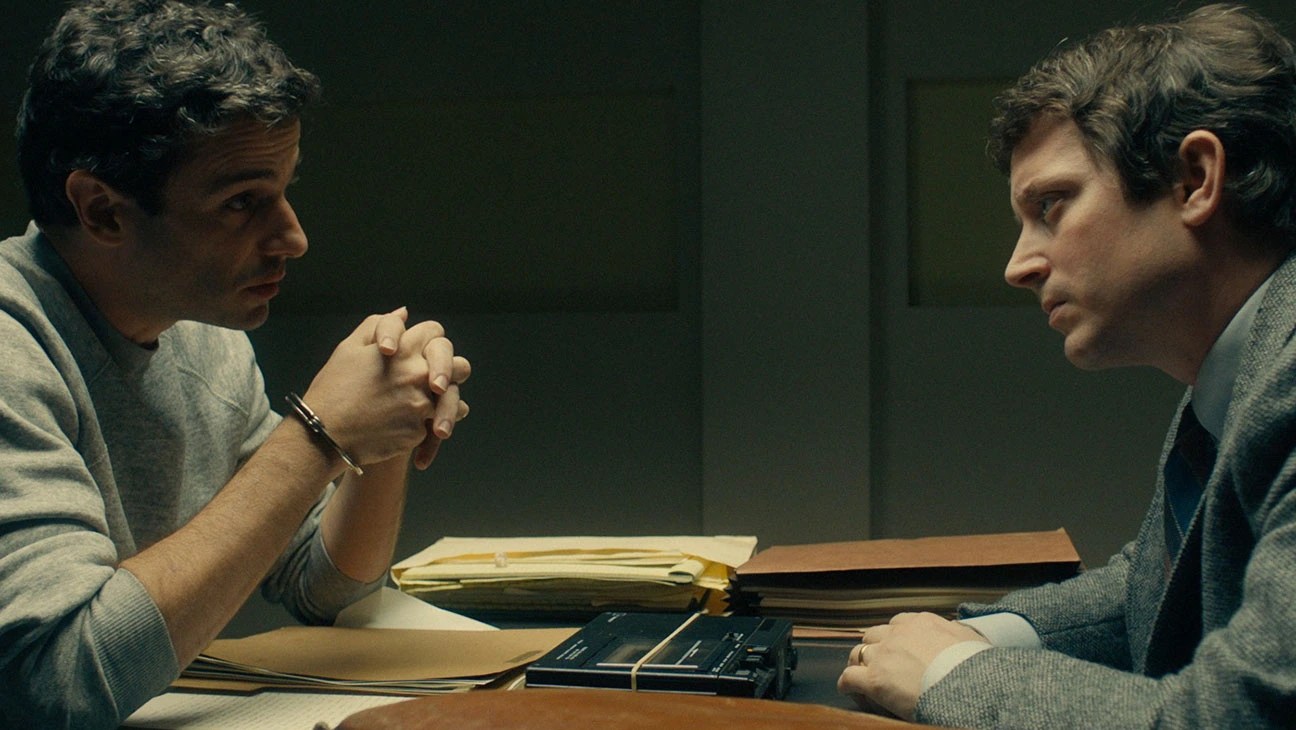
No Man Of God is an interesting exploration into the final years of Bundy’s time on death row and his relationship with Hagmaier. Cargill’s script is sharp and delves into the human psyche. The majority of the film is just the two character conversing and the trap that films of this type can fall into is that they are not entertaining but this is not the case here. 

The performances are both very solid – it is refreshing to see Elijah Wood in a leading role as Hagmaier, capturing his intelligence and philosophical outlook and he is particularly convincing when he is chilled by the words that come out of Bundy’s mouth. Luke Kirby as Bundy is quite literally a commanding screen presence as cinematographer Karina Silva frames him as towering over Hagmaier to invoke him as a threat.  There is no doubt that his character is capable of horrific acts. Zac Efron remains the definitive screen portrayal as he offered more charisma and a greater element of mystery. There is also a pleasant performance from Robert Patrick, another actor who is selective with what he performs in, as Hagmaier’s senior. 

The film is nothing more than just ‘good’ though. Unfortunately, it’s just not very cinematic and lacks any flair behind the camera. The former is not necessarily a minus but director Amber Sealey is clearly aware of this and unsuccessfully splices cheap-looking, dingy montages in between scenes with a techno-score.  No Man Of God is an interesting watch and it justifies its existence with its exciting performances but the material requires a more experienced hand behind the camera to make it more exciting. 

⭐⭐⭐ (Good)

Prisoners Of The Ghostland (Review)

Uncategorized
⭐⭐⭐ (Good)

Director: Sion Sono
Starring: Nicolas Cage, Sofia Boutella, Bill Moseley, Nick Cassavetes, Tak Sakaguchi
Certificate: 15
Run Time: 103 mins

The combination of Nicolas Cage and cult Japanese filmmaker Sion Sono may seem like a peculiar grouping but both never shy away from attempting to shock and surprise their audiences. As well as a meeting of both talents, Sono’s English language debut, Prisoners of the Ghostland, is set in a future dystopia reminiscent of Mad Max relocated to the east. 

Nicolas Cage plays ‘The Hero’ who has been imprisoned for an attempted bank robbery in Samurai Town and is released to complete a task for the ‘Governor’ (Bill Moseley). He must rescue his ‘granddaughter’ (she is one of his favourites at a brothel that he runs) called Bernice (Sofia Boutella), who has escaped with three other women. He instructs Cage to zip up a leather jumpsuit that he hands him to wear, which is rigged with explosives, one at each arm, two by his neck and one for each testicle. It’s a bonkers scenario that is very fitting of Sono and Cage more than suits this type of out-there role. In fact, Cage has ramped up audience expectations by stating that this his ‘wildest role yet’. 

Cage has experienced a career resurgence lately, with two excellent performances in Mandy and Color Out Of Space. When he is paired with the right material, he is fantastic. He also recently frontlined the drama film Pig, which many feel is a revelatory turn for the actor but I found the film and Cage’s performance unwatchable, although I realise I’m in the minority. 

Prisoners of the Ghostland is certainly a strange beast and it is a reasonably entertaining film, particularly in its opening and final acts. Its central concept is compelling, as are some creative fight sequences interspersed in the film. Cage gives a typically committed performance and suits the outlandish rule. Sono crafts some visually arresting images that have burned into my memory and there is also a bombastic score by Joseph Trapanese. 

However, the film is all over the place tonally and is quite unfocussed at times, bordering on incoherent. As much as Sono leans into the ludicrousy of the situation that Cage finds himself in, at the same time, he takes two steps back with sustained silliness in the script and a slow pace with expository waffle. The script is not particularly deep or meaningful and the film fails to fully embrace its genres or themes – it never fully embraces the iconography of the Western and it never leans into its horror or samurai influence. 

Prisoners of the Ghostland is good fun at times but the pairing of this director and actor should have been something really special rather than merely bordering on ‘good’. I’m glad the film exists and it is certainly a step in the right direction for Cage, although if you want to experience a wild ride, both Mandy and Color Out Of Space remain my top picks. 

⭐⭐⭐ (Good)

Shang-Chi And The Legend Of The Ten Rings (Review)

Uncategorized
⭐⭐⭐⭐ (Excellent)

Director: Destin Daniel Cretton
Starring: Simu Liu, Awkwafina, Meng’er Zhang, Fala Chen, Florian Munteanu, Benedict Wong, Michelle Yeoh, Ben Kingsley, Tony Leung
Certificate: 12A
Run Time: 132 mins

Shang-Chi and the Legend of the Ten Rings is the latest in the Marvel Cinematic Universe and the first film to feature the lesser-known oriental superhero. Directed by Destin Daniel Cretton, who made the excellent Just Mercy, he is the latest director to have successfully directed a handful of smaller projects and then given the unenviable task of taking on a behemoth of a Marvel project. This film should be lauded for committing to an Asian director and mostly Asian cast. 

Simu Liu makes his feature film debut as the titular hero. After Shang-Chi runs away from his overbearing crime lord father, Wenwu (Tony Leung) at the age of 14 after the death of his mother, Jiang Li (Fala Chen), he changes his name to Shaun and becomes a valet in San Francisco, where he works with his girlfriend Katy (Awkwafina). On a bus journey to work, members of the Ten Rings attack Shang-Chi and steal a pendant of his, which forces him to head to Macau to warn his sister, Xialing (Meng’er Zhang) that she may also face a similar attack. 

Other than a wonky beginning, Shang-Chi and the Legend of the Ten Rings is upper-tier Marvel fare. It follows the Marvel formula but its emotional warmth and martial arts sequences make it stand out from the crowd. There is a great set up of Shang-Chi’s family, which plays an important dynamic in the film. Shang-Chi boasts some innovative set pieces, fusing and updating the wuxia and kung-fu genres with modern visual effects. The first action sequence on the bus and another early sequence set in Xialing’s fight club are particular highlights with their kinetic energy. The tone of the film feels like a melding of Crouching Tiger, Hidden Dragon and The Chronicles of Narnia with the mystical worlds that Cretton creates. Some of the sheen is lost in the final act of the film as Cretton succumbs to a big CGI battle, which is customary for comic-book films and is often their downfall as the investment is lost in the characters. However, the final CGI spectacle doesn’t derail the film as it is not overlong and there is a purpose in the narrative but it would have been far more exciting if Cretton had tried to deviate from convention. 

Simu Liu makes for a genuine and likeable superhero and Liu and Awkwafina have effortless chemistry together. The treatment of Katy is particularly impressive as she is not just positioned as comic relief or damsel-in-distress. Cretton deftly explores these characters as first generation Asian-Americans and how their native elders have traditional values. Tony Leung makes for an emphatic villain and like the best Marvel villains, one can understand why he takes the actions he takes. 

The film stumbles in its awkward linking to the wider Marvel Cinematic Universe in its first act, with references to Avengers: Infinity War’s Thanos blip. It could have done without it and made the film seem less grounded than it was.

Cretton’s regular composer Joel P. West collaborates again on this project and his scores is excellent, creating some memorable themes for the characters and wisely revisits them often throughout the film. The use of hip hop and pop artists doesn’t work quite as well and felt a little abrasive. 

Overall, Shang-Chi and the Legend of the Ten Rings is an excellent addition to the Marvel Cinematic Universe and proves there is life in the Marvel formula and wider comic-book genre, where it feels like we’re getting a new film a month and the quality is stagnating. There is always the question of how much of a director’s personality will be retained in a big studio project and Cretton fares excellently here, bringing his light and balanced touch to the film. With some innovative action sequences for the genre and amiable character development, I can’t wait to see where these characters are taken next.

⭐⭐⭐⭐ (Excellent)

Worth (Review)

Uncategorized
⭐⭐⭐ (Good)

Director: Sara Colangelo
Starring: Michael Keaton, Stanley Tucci, Amy Ryan, Tate Donovan, Shunori Ramanathan, Laura Benanti
Certificate: 12A
Run Time: 118 mins

Worth is a legal drama directed by Sara Colangelo that boasts a fascinating premise. It documents lawyer Kenneth Feinberg’s unenviable task of creating a scheme in allocating relief funds to the correct people impacted by those who lost their lives in 9/11. Fundamentally, Feinberg is asked and by extension the audience, what is the value of a life? Should every recipient of this fund receive an equal amount or should lives be valued differently depending on if you’re the CEO of a company or have a low-skilled job? 

Most notable for his work in the MonsterVerse with films such as Kong: Skull Island and Godzilla vs Kong, Max Borenstein’s script foregoes kaijus and deftly tackles these tender questions by offering many viewpoints from its range of characters. There are victims of 9/11 that the film explores who don’t fit into the formula that Feinberg meets and he has to ponder how his formula can best serve their plights. The film impressively portrays barely any footage of the 9/11 attacks but the spectre of them loom heavily in the film’s atmosphere that Colangelo crafts.

Michael Keaton gives an expectedly excellent performance as Feinberg. He really nails the balance between his numerical and logistical ability and his struggle with nuance when he is conversing with his victims. Stanley Tucci also shines in a supporting role as an individual whose wife died in the attacks and he leads a movement opposing Feinberg’s planned fund. The scenes that Keaton and Tucci share are particularly of note as they come from opposite ends of the spectrum, although there aren’t enough of them. There is also a silently brilliant performance from Amy Ryan, as one of Feinberg’s measured colleagues. 

Worth is an uneasy watch by design but it brings with it a lot of weight and spins a gripping yarn. The performances are the highlight of the film and Colangelo’s delicate direction works wonders for the film as she avoids the emotional manipulation these types of films can have and brings a more understated edge. The film slides into convention in its closing moments and with Feinberg’s redemptive character arc but for the most part, this is a powerful and arresting drama.

⭐⭐⭐ (Good)

Candyman (Review)

Uncategorized
⭐⭐⭐⭐ (Excellent)

Director: Nia DaCosta
Starring: Yahya Abdul-Mateen II, Teyonah Parris, Nathan Stewart-Jarrett, Colman Domingo, Kyle Kaminsky, Vanessa Williams
Certificate: 15
Run Time: 91 mins

Candyman is an accomplished and thought-provoking update in the series and cements director Nia DaCosta as a new talent to watch. This spiritual sequel is a continuation of the story established in Bernard Rose’s original Candyman, an equally stimulating entry that has aged well even today. DaCosta’s film ignores the two sequels, both of which failed to garner critical acclaim, the second of which was one of director Bill Condon’s early works, functioning as a stepping stone in his career.

Yahya Abdul-Matteen II plays Anthony McCoy, an artist who is suffering from writer’s block who lives with his girlfriend, Brianna (Teyonah Paris) who is an art gallery director. His writer’s block subsides once he learns of the Candyman legend and this suddenly gets his creative juices following until the horror legend starts to come to life and consume his mind. 

Directing from a script which Get Out and Us director Jordan Peele contributed to, Nia DaCosta makes an electric impression behind the screen. Whilst the influences of Peele can be felt in the film’s interrogation of gender, race and sexuality, DaCosta impresses with her cineliteracy, particularly with the exploration of the theme of the double through the use of mirrors and mirrored reflections. Art is explored as a mirrored reality and Anthony is unsettled at his reflection. There are some arresting sequences in the first act of the film where images are inverted and disorienting, setting a foreboding atmosphere. This is complimented by Robert Aubrey Aiki Lowe’s brilliant score and soundscape and it’s refreshing to see him craft his own memorable themes as well as revisit Philip Glass’ original themes, which really elevated the original film.

As a Candyman film, DaCosta’s entry flourishes. It has connections to the first film for fans of the series but it also works well as a standalone piece. The horror elements of the film aren’t handled quite as confidently as its heady themes. It is true that there are some disturbing moments and ideas and it’s refreshing that DaCosta doesn’t settle for jump scares but what is portrayed on-screen never quite chills under the skin. DaCosta likes to leave a lot for the imagination and often cuts away from moments of gore but this makes the horror a little toothless. Save for its climax, the narrative is also well crafted and there are some interesting character developments. The climax tries to tie in a little too closely to the original film and some of the character choices and motivations felt off.

Overall, Candyman is an excellent addition to the series and save for its climax, is a very solid horror film that interrogates some interesting themes. It is probably as good as the original and as a piece that showcases Nia DaCosta’s talent, is excellent and it will be interesting what projects she will pick next.

⭐⭐⭐⭐ (Excellent)

Reminiscence (Review)

Uncategorized
⭐⭐⭐ (Good)

Director: Lisa Joy
Starring: Hugh Jackman, Rebecca Ferguson, Thandiwe Newton, Cliff Curtis, Marina de Tavira, Daniel Wu
Certificate: 12A
Run Time: 116 mins

Reminiscence is the feature film debut from Lisa Joy, one of the creators of hit Western sci-fi television series, Westworld. Her co-showrunner and husband is Jonathan Nolan, brother of esteemed auteur, Christopher Nolan. This sci-fi neo-noir is set in Miami in a dystopian future. Climate change has meant that sea levels have risen and many of the world’s cities have sunk. Miami is on the borderline with its inhabitants building dams to preserve certain areas but other areas are completely submerged. Then, there is the ‘baron’ land of the rich which has a dam built all around it allowing it to be unaffected at the expense of the poorer neighbourhoods nearby. The temperatures are too hot to endure in the daytime so citizens sleep in the day and live their lives at night. 

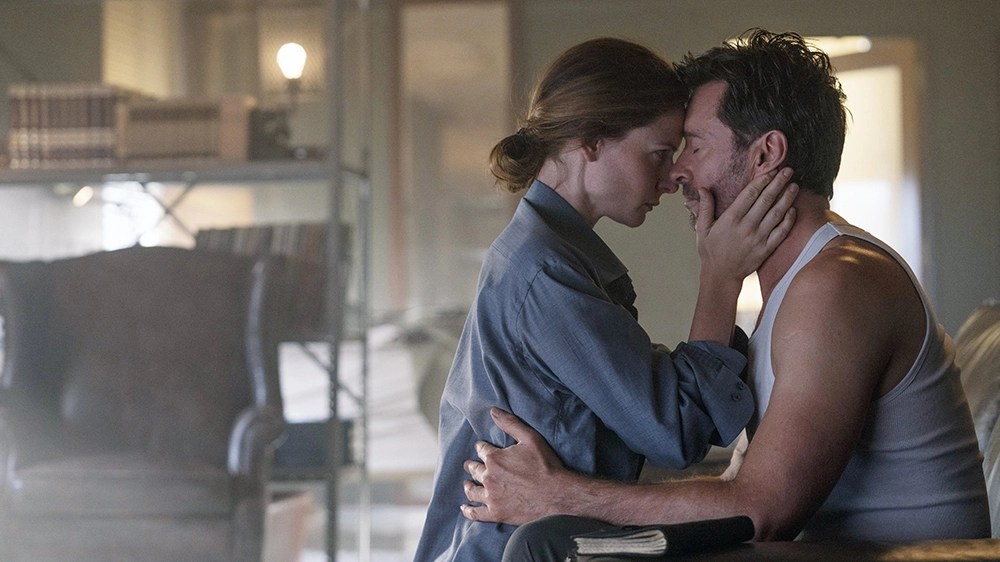
Hugh Jackman leads the film as Nick Bannister, who runs a service with his righteous friend Watts (Thandiwe Newton) that allows people to lie in a technological bath and relive their memories. As their customers reminisce, Nick and Watts can watch their memories on a projector and coax details out of them and analyse the scene’s minutiae. Inevitably, this means that Nick’s services are sometimes called for by the police to allow them to interrogate criminals. One day, Mae (Rebecca Ferguson), a client walks in who needs help finding her keys which requires the use of Nick’s equipment. Nick becomes instantly infatuated with her and they begin what seems to be an authentic and passionate relationship. However, months later, Mae disappears and Nick cannot come to the terms with the fact that she would leave him and decides to investigates her disappearance, leading him down a rabbit hole of conspiracies and twists. As with Westworld, this is a high-concept premise and makes for very promising preconceptions, especially considering the talent involved and the A-list cast. 

Reminiscence is a thoughtful and satisfying neo-noir sci-fi that tells an engaging story, even if some of its story beats are clearly indebted to other film noir. This is partly intentional in that the very act of reliving one’s memories is to experience nostalgia. The film feels like a melding of Chinatown and Blade Runner with some of the beginnings of the ambitions of scale on display in Inception. Joy tackles some heady themes such as how we use and abuse our past and forget to live in the moment, as well as the obvious critical commentary on climate change and the rich-poor divide. 

Jackman gives a typically committed performance, proving his continued versatility across genres. Newton provides solid support to Jackman and her character acts as the voice of reason to Nick. I’ve long been a critic of Rebecca Ferguson, whose had a very spotty career so far with some terrible performances in films such as The Girl On The Train and The Greatest Showman (her first pairing with Jackman). However, she delivered an exemplary performance in Doctor Sleep. Ferguson is perfectly serviceable here but doesn’t fashion a particularly strong impression to make the role her own. Of the rest of the supporting cast, Daniel Wu makes for a slimy drug kingpin and Cliff Curtis plays against type in a villainous role compared to the rest of his back catalogue. It’s a shame that Marina de Tavira isn’t given all that much to do in what is her most high-profile appearance since her career-defining turn in Roma.

Technically, Reminiscence is very competent and Paul Cameron’s cinematography beautifully captures the intricacies of the sinking city and the seedy goings on when its citizens are alive at night, under the protection of the dark. Lisa Joy’s direction is to be admired with her high-concept and there are a couple of excellent action sequences that are sparse but interspersed in the story. A scene in a bar with a tank full of eels feels like a microcosm of the Western sci-fi fusion of Westworld and there is a kinetic rooftop chase sequence. Joy reunites with Westworld composer Ramin Djawadi, who provides an exciting, predominantly guitar-based score.   

With all Reminiscence has going for it, it doesn’t fully reach the heights that its lofty premise promises. The pacing is deliberately glacial, which won’t be to everyone’s tastes and the script is probably a rewrite or two away from being something really impactful. Those expecting a film in the vein of Christopher Nolan will be disappointed, as it is far more pensive in tone. The film is brimming with ideas but Joy isn’t quite able to explore all of them in enough meaningful detail and some end up as an afterthought. Reminiscence is more in the vein of Transcendence, which was directed by Christopher Nolan’s preferred cinematographer Wally Pfister. That film received a critical kicking but it is an equally original and thoughtful sci-fi that I’m surprised hasn’t received an overdue reassessment. Reminiscence isn’t quite as competent in its explorations of its themes but the ambition has to be admired. It is always better for a filmmaker to take a risk and it not fully pay off than to play it safe.

Reminiscence is a lot better than expected and is a well-realised concept that is a rewrite or two away from being something really impactful. It’s a shame that the reception to this film has been lukewarm but this is an admirable feature-length debut from Lisa Joy with an assured leading performance from Hugh Jackman and I’m very glad it exists as films like this don’t really get made anymore, especially with a unique female vision.

⭐⭐⭐ (Good)