This is the second of two posts detailing my top 20 films of 2025. I previously ran you through my best films of 2025 (20-11) and now it’s time to unveil the top ten.
10) Hard Truths
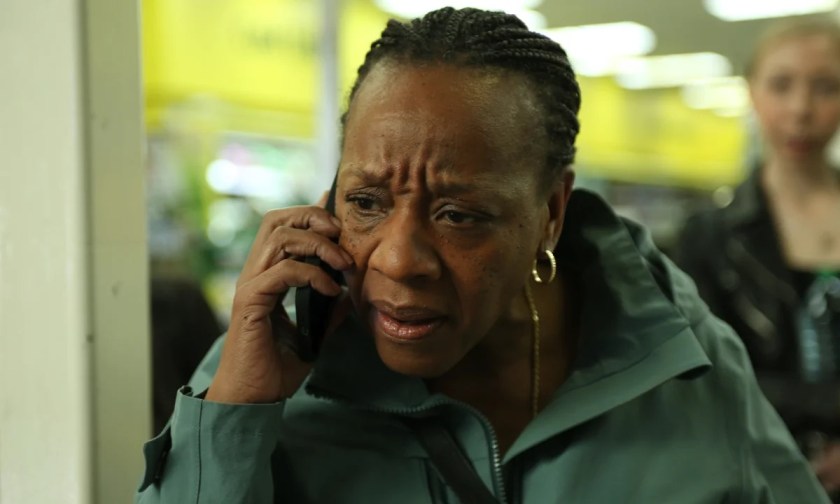
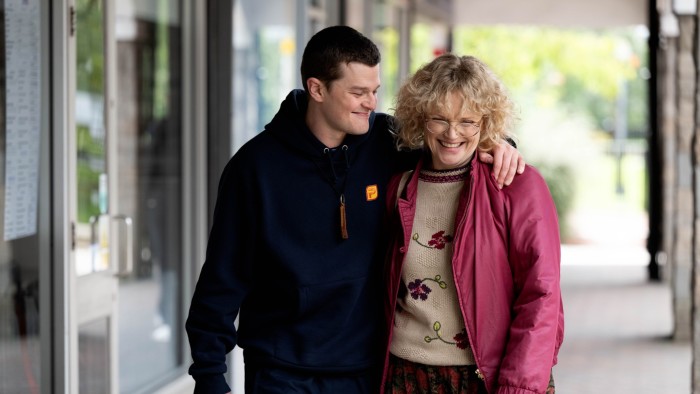
After a couple of historical dramas (the excellent Mr Turner and the underwhelming Peterloo), director Mike Leigh returned to the kitchen sink improvised drama he’s most notable for. Leigh reunites with Secrets and Lies star Marianne Jean-Baptiste, who plays Pansy Deacon, a woman with a short temper who criticises anything and everything. She lives with her quiet plumber husband, Curtley (David Webber) and overweight and jobless but kind-hearted adult son Moses (Tuwaine Barrett). It quickly becomes apparent, though, that Pansy is a deeply troubled woman battling severe anxiety and depression and her sister Chantelle (Michele Austin) tries to ease her out of it.
Hard Truths is another excellent addition in Leigh’s filmography – often very funny but simultaneously devastating. An early scene in a supermarket is particularly rib-tickling as Pansy comes to blows with fellow customers. That devastation slowly invades the humour, though, as the film progresses, and the result is one of Leigh’s most crushing works. Marianne Jean-Baptiste is phenomenal as Pansy, but her performance is matched by both Webber and Barrett as her husband and son and the dynamic between the three of them is perfectly judged. I really felt for all of them and could understand their perspectives on the simmering situation. My only criticism is at 94 minutes, it’s a rather brief film and I wanted to spend more time with these fascinating characters.
9) The Seed of the Sacred Fig
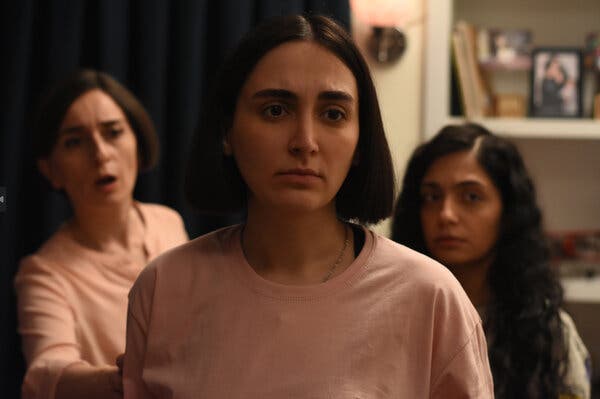
The Seed of the Sacred Fig is an enthralling Iranian political drama about a family who are torn apart by politics. The film opens as the patriarch Iman (Missagh Zareh) gets a promotion when he is appointed as an investigating judge in the Revolutionary Court in Tehran. This is amidst nationwide political protests against the authoritarian government, and Iman quickly learns that he’s not been hired to carefully gather the facts before casting judgement – instead, he’s expected to simply approve judgements without assessing the evidence, which includes death sentences. His wife, Najmeh (Soheila Golestani) lives at home with two daughters Rezvan (Mahsa Rostami) and Sana (Setareh Maleki), and all of their relationships become strained once a friend of Rezvan’s is shot in the face during a demonstration and Najmeh and her daughters provide first aid in their apartment without telling Iman.
Directed by Mohammad Rasoulof, an individual who has been arrested several times by the Iranian government for the nature of his films, The Seed of the Sacred Fig is utterly transfixing and the 167 minutes fly by. The characters are brilliantly developed and there’s a real tension in how the family situation continues to escalate before reaching its wild third act. Although this got an Oscar nomination for Best Foreign Language Film at the ceremony celebrating 2024, it’s a much stronger film in my view than It Was Just An Accident (which is still very good), which has received rapturous acclaim ahead of the upcoming Awards season – don’t overlook this film.
8) Marty Supreme
Marty Supreme is Josh Safdie’s first film as a solo director since 2008, after his many collaborations with his brother Benny. This sports drama is loosely inspired by the life and career of American table tennis player Marty Reisman, and stars Timothée Chalamet as Marty Mauser, an aspiring and ambitious table tennis champion. It’s a film Safdie has been wanting to make for a while, with Chalamet cast all the way back in 2018, the actor practicing the sport ever since.
This is a brilliant sports drama with a terrific Timothée Chalamet central performance and a tension-filled atmosphere. It reminded me heavily of Uncut Gems, the last film the Safdies directed together, in how it sustains a palpable tension throughout with Marty continually digging himself into more desperate situations. That Josh Safdie has been able to make such a gripping film out of what may seem like a low-stakes sport is a commendable achievement. The film is stunningly shot by Darius Khondji, with a seedy aesthetic that faithfully recreates a 1950s feel and there’s a pulsating score by Daniel Lopatin that dominates over the entire film. This is a wild thrill ride from start to finish that never lets you take a breather and it’s impressive how Safdie gets you to root for a host of unlikeable characters.
7) Caught Stealing
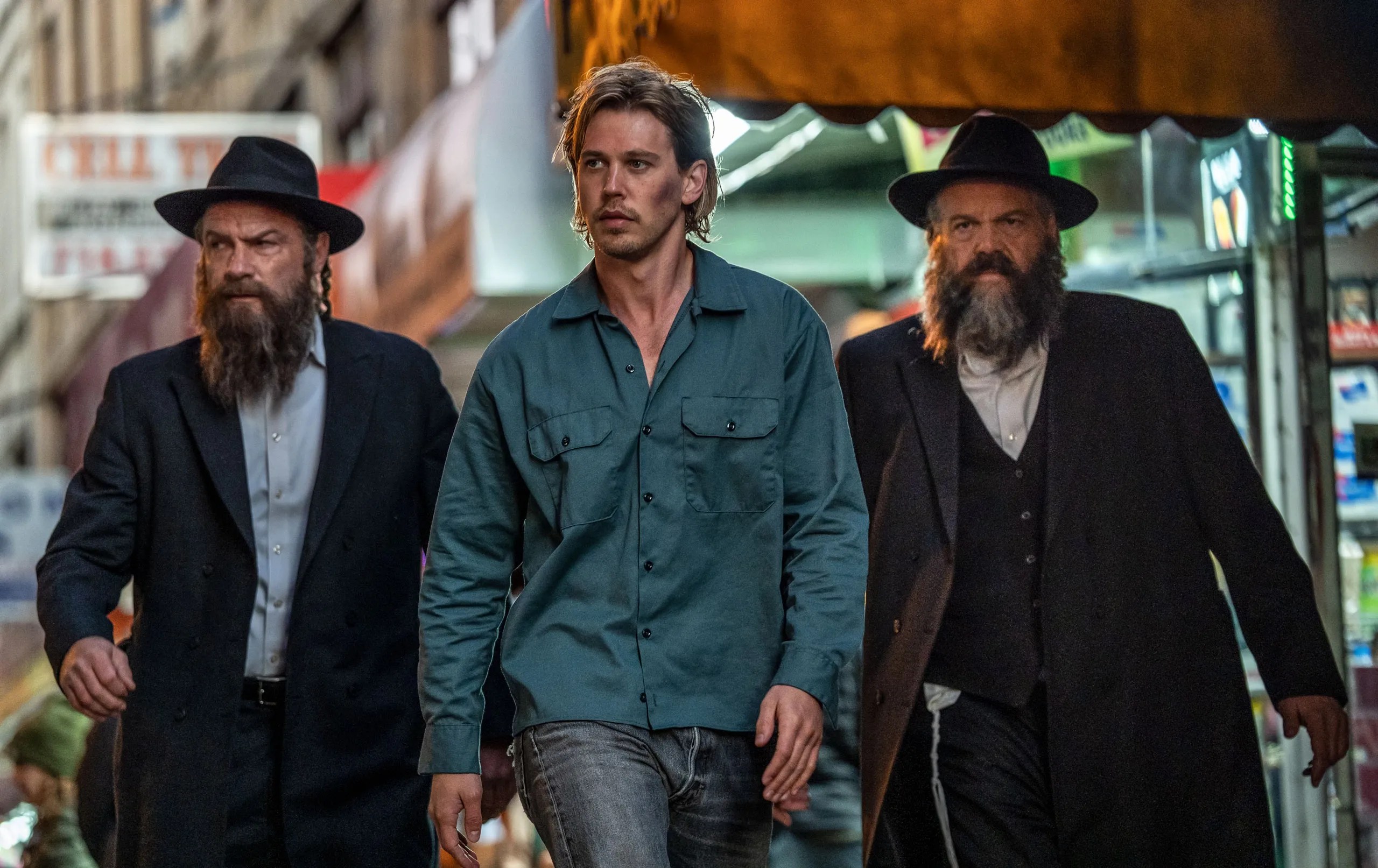
It might seem strange that Darren Aronofsky chose to direct what appears to be a straight-up crime thriller, an adaptation of the 2004 Charlie Huston novel – after all, he’s known for his psychological dramas that explore broken and conflicted individuals. However, don’t worry because there’s plenty of Aronofsky to be found in this darkly original film. Caught Stealing is a wildly unpredictable ride from start to finish that holds no punches in its brutal approach. Aronofsky is on top form here, and the film is directed with real flair, with plenty of his trademark grimness. This is a film that’s often wince-inducing and blackly comic, often at the same time. It has a real kineticism, and there’s some excellent set pieces, especially a third act car chase. But there’s also heart and I really brought the electic mix of characters trying to survive in a grimily realised New York City.
Austin Butler is terrific as Hank, a deeply troubled individual who’s struggling to get himself out of a vicious cycle. Aronofsky gives the character plenty of meat to the bone. Matt Smith is having fun as the drug dealer neighbour with an outrageous mohawk, and Regina King’s excellent as a deliciously slippery police detective. Liev Schreiber and Vincent D’Onofrio are also brilliant as Lipa and Smully Drucker, Hasidic brothers who you really don’t want to mess with. The film’s vividly shot by Aronofsky’s regular cinematographer Matthew Libatique and there’s a fun post-punk score by British band Idles that’s been written by Rob Simonsen, who scored The Whale. I was surprised just how much I liked Caught Stealing, expecting it to be a minor work by Aronofsky after his last couple of films have explored some heavy subject matter, but this is up there with some of his best work.
6) Warfare
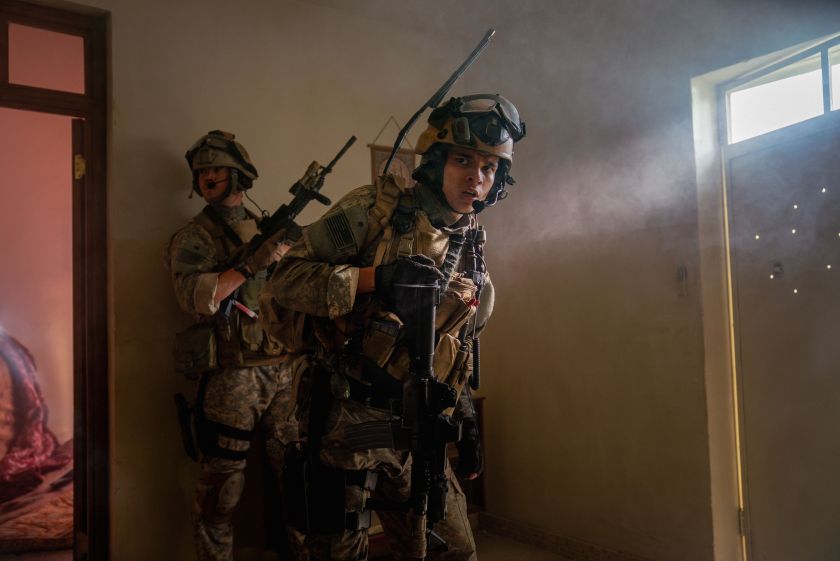
A war film directed by Ray Mendoza and Alex Garland, Warfare is based on Mendoza’s experiences during the Iraq War as a US Navy SEAL. The script and story is taken from the testimonies of the platoon members and presented in real time on one horrible day in November 2006 as the squad takes control of an Iraqi house under the cover of darkness. What follows is a bloody, pointless siege as the platoon comes under enemy attack. Mendoza previously acted as the military supervisor for Alex Garland’s excellent previous film, Civil War. For Warfare, Mendoza and Garland wrote the script together and although both filmmakers receive a director credit, Garland says he had more of a supporting role to Mendoza. All in, this film certainly has an original and intriguing concept.
Warfare is a powerful and gripping war film – a haunting meditation of the human experience without a forced story arc or political stance. Mendoza and Garland ratchet up the tension throughout, crafting an unnerving atmosphere that the platoon are going to be annihilated by the enemy, even though long stretches of the film are of the monotony of waiting around. There’s almost a documentary feel to cinematographer David J. Thompson’s cameras, which makes the experience all the more lifelike. The sound design, in particular stands out – this is a must-see in the cinema for the sound alone. I particularly admired how the film experiments with sound from the character’s perspective, for example a high-frequency, unearthly pitch after a bomb explodes. Save for an ending sequence, the film’s also devoid of music which really works – there are no artificial devices here to emotionally manipulate. Warfare is an incredibly immersive and visceral piece with a lean and mean quality to its pacing. I’m sure some who will criticise the film for not taking a political stance, like Garland was criticised for not doing with Civil War but that’s missing the point –Warfare is instead about the pointless destruction of war.
5) I’m Still Here
I’m Still Here is a political biographical drama about a husband’s forced disappearance during the military dictatorship in Brazil and Walter Salles’ first film since 2012’s On The Road. It’s based on Marcelo Rubens Paiva’s 2015 memoir of the same name, Marcelo being the son of Rubens Paiva, who was the victim in question. Fernanda Torres places Eunice Paiva, Rubens’ wife and activist, with the film largely told from her perspective and how she struggles to cope emotionally and financially, while trying to raise her five children.
I found I’m Still Here to be a deeply affecting and gripping piece of work, masterfully directed by Walter Salles who skilfully contrasts the quiet family domesticity with the simmering and oppressive political horror. Although the film tells a story that happens in the past, I’m Still Here feels very contemporary with its mirroring of current dystopian events. The first hour is quite fast-paced, whereas the second is much slower but this is where the film really wraps its enchanting spell – it reminded me of Roma in many ways in terms of how it finds beauty in the mundane. The film’s complimented by a wonderful Warren Ellis score, which is very subdued in the first half but becomes more melodic later on. Although the majority of the film is set in 1970, the last half an hour jumps forward to 1996 and 2014. Although these somewhat disturb the film’s rhythm, they’re crucial in how they magnify the cruel Brazilian regime of 1970 and how the father’s disappearance continues to have a lasting effect on Eunice and the rest of her family’s lives, lending the film an epic quality. Fernanda Torres is just sensational as Eunice and fully deserving of the Best Actress Oscar nomination she received. She deftly balances her intelligence and frantic search for the truth while being as motherly as she can to her children. This is Walter Salles at the top of his game supported by terrific performances and an important, timely story.
4) The Brutalist
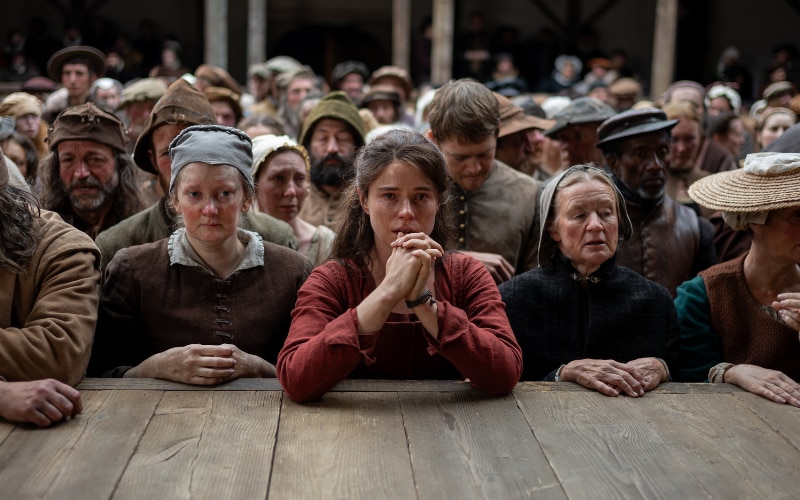
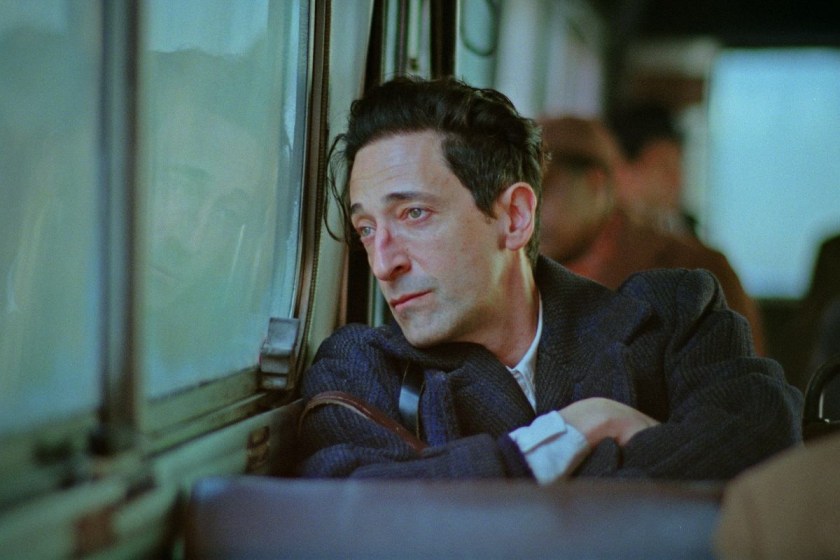
The Brutalist is an epic period drama directed by Brady Corbet, who last made the excellent Vox Lux. Undeniably more ambitious in scope, Corbet’s latest spans over thirty years and a three and a half hour run time. Adrien Brody plays László Tóth, a Hungarian-Jewish Holocaust survivor and Bauhaus-trained architect who immigrates to America and tries to integrate into their culture. Corbet directs the film with real bravura – although it’s about Tóth’s architectural career on the surface, there are plenty of parallels with the idea of how someone suffers for their art and how they are the person remembered rather than the entity throwing money at a project. Of course, that means there’s themes of compromise and interference and although its last 30 minutes may seem to take a different, seemingly incomprehensible tone, I found it very thought-provoking.
Adrien Brody turns in a career-best performance as the suffering artist, nailing the Slavic accent and mannerisms. Guy Pearce is also a standout as a slimy financier in a very multi-faceted performance. Pearce is no stranger to playing villains – his deliciously evil turn in Lawless is evidence of that – but this is a complex individual with all the qualities of someone who has too much money. I was less taken with Felicity Jones’ turn as Erszébet, who doesn’t feel as authentic as Brody or Pearce. But I don’t think all of the blame should be placed on Jones because her relationship with László is underdeveloped and in my opinion, that’s the film’s main flaw. Daniel Blumberg’s prickly score is wonderful, lending the film a simmering intensity and he crafts many memorable themes that develop throughout the film. The Brutalist is also beautifully shot by Lol Crawley, resurrecting the VistaVision process to authentically portray the period. It’s staggering how good the film looks, considering its modest $9.6 million budget and bearing in mind its epic run time. While not perfect, I loved The Brutalist, teeming with brilliant performances, a sharp script and endlessly striking visuals. Granted, some elements are underdeveloped but this is a film that earns its lengthy runtime and I was engrossed from start to finish. I can’t wait to see what Brady Corbet does next.
3) Zootopia 2
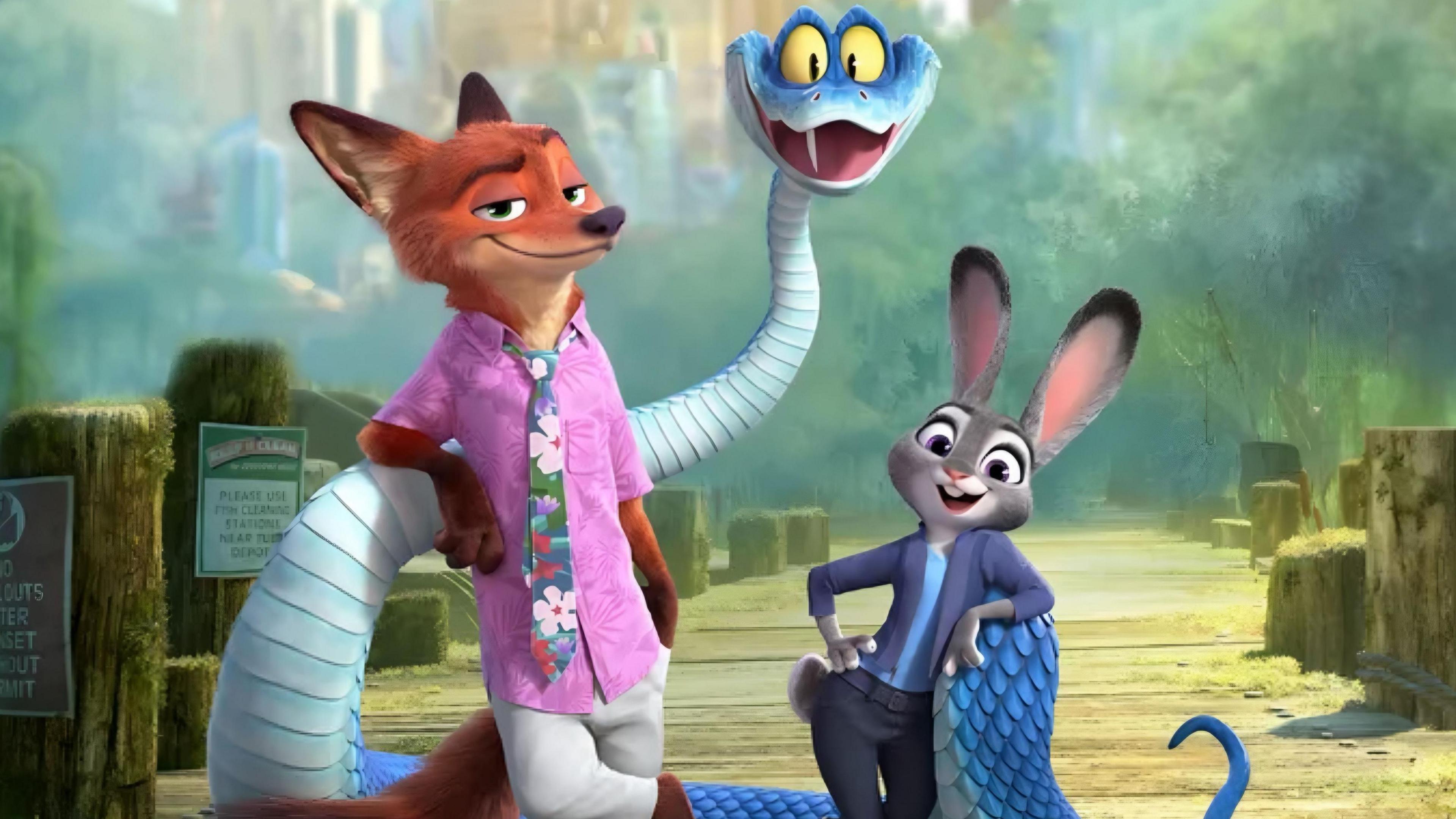
It’s very rare that a long-awaited sequel can better an outstanding original film. But Zootopia 2 did just that – a real treat of a film that takes everything there is to love about the original and develops it in a very satisfying way. The gags come quick and fast and there are so many small, clever details to find in repeat viewings, but this is balanced with plenty of heart and emotion too. Directors Byron Howard and Jared Bush perfectly balance familiar elements that were the highlights of the original film, with new characters, gags and locations. There’s some fantastic set pieces, ranging from a kinetic opening car chase to a powerfully emotional sequence in a power plant. The film’s also intelligently relevant to current events, such as its depiction of a puppet-like mayor (a stallion hilariously voiced by Patrick Warburton) and the unjust persecution of minority races.
The chemistry between Nick and Judy is brilliant once again, from lots of laughs to be had in them being forced into a therapy session to their relationship being tested time and time again through events with real stakes. There’s some excellent additions to the cast, with Ke Huy Quan a highlight as Gary De’Snake, Patrick Warburton as the aforementioned Mayor and Danny Trejo as a basilisk. It’s all held together by an excellent score by Michael Giacchino, who introduces some memorable new themes. I can’t wait to see where the world and characters are taken next, and not only is it one of the best films of the year, Zootopia 2 is one of the best animated films of the decade, along with Soul and Wallace and Gromit: Vengeance Most Fowl.
2) One Battle After Another
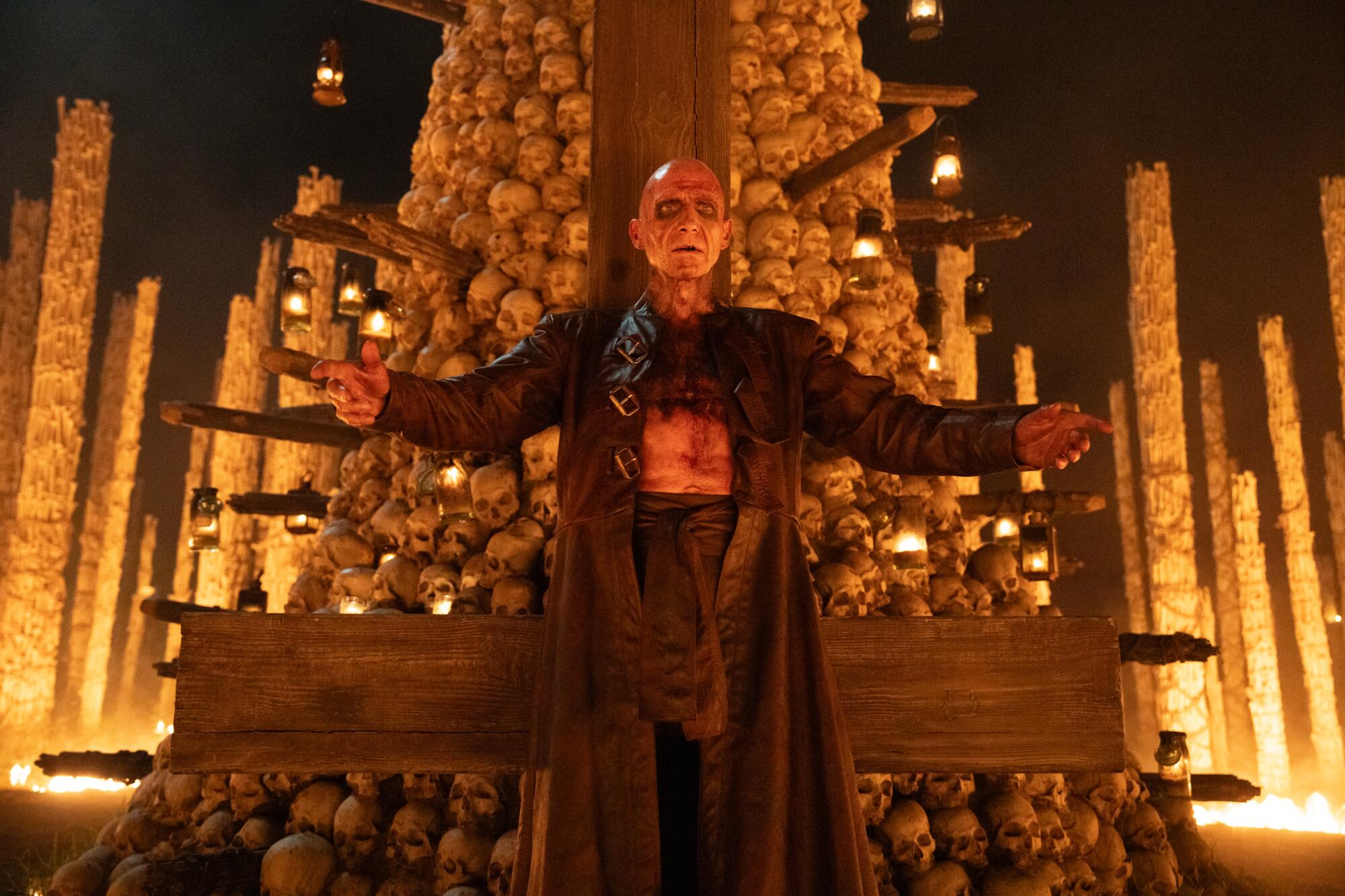
One Battle After Another is a Paul Thomas Anderson triumph – it’s a giddily exciting action epic with plenty of thrilling surprises up its sleeve. It’s fiersomely original, Anderson constantly subverts expectations in a refreshing way with some outrageous set-pieces too. There’s two heart-racing car chases, with the one in the final act particularly memorable for how simple it is – cinematographer Michael Bauman (who also lensed Licorice Pizza) intercuts between three drivers and a stunning desert vista. A 20-minute extended sequence mid-way through the film where DiCaprio’s character needs to evade the authorities is another wildly entertaining highlight. But under the surface of this riveting story, Anderson has plenty to ruminate on the current state of American affairs but in a playful way with plenty of intelligent humour.
Leonardo DiCaprio is fantastic in the lead, dabbling his hand at comedy once again after his last turn in the underrated Don’t Look Up. Once a sharp and intelligent explosives expert, Anderson gets a lot of mileage out of the character who fries his brain with drugs after 16 years and DiCaprio nails it. Is this one of his best roles? It’s hard to say because the actor is so good in almost everything he’s in. Sean Penn puts in career-best work as the bigoted Colonel Lockjaw, an utterly ridiculous and tragicomic racist military officer with a particularly memorable walk. Benicio Del Toro is another standout too as a chilled-as-a-cucumber karate teacher – “I’ve had a few small beers” has already entered the lexicon. The film is beautifully shot on VistaVision by Michael Bauman and Jonny Greenwood turns in a thoroughly unconventional but sensational score. One Battle After Another is a near-masterpiece from Paul Thomas Anderson and it’s certainly his best film since There Will Be Blood.
So the best film of the year is…
1) Weapons
The best film of the year is Zach Cregger’s follow-up to his excellent debut film, Barbarian. Like that film, Weapons is a high-concept horror-thriller that packs plenty of satisfying surprises up its sleeve. The film opens with a child narrator explaining that one Wednesday, in the town of Maybrook, Pennsylvania, seventeen children from schoolteacher Justine Gandy’s (Julia Garner) third-grade class ran away from their homes at 2:17am and disappeared. Only one student, Alex Lilly (Cary Christopher) did not disappear and Gandy is immediately ostracised by the community who suspect her of being involved. To say anymore would be to veer into spoiler territory, but what follows is presented in a non-linear narrative told by certain character’s perspectives. Cregger has said the film is inspired by Paul Thomas Anderson’s Magnolia in structure, whereby there’s overlap between certain stories.
Weapons is a brilliant film and cements Zach Cregger as one of the most exciting up-and-coming talents. This is an assured, skilfully crafted film with some sensational set-pieces and clearly influenced by Magnolia and Prisoners in tone. amazing. Like Barbarian, Weapons hides some outrageous twists up its sleeve and is thematically rich, with lots of the symbolism and plot points up to interpretation. The way in which the film is split into chapters told by different character’s perspectives is an excellent way to tell the story, and it’s interesting to see how certain characters are likeable when portrayed from one perspective, but abhorrent from another. I was totally gripped from the moment Weapons opened to its finish with its enthralling story and pulse-raising setpieces. This is fiersomely original filmmaking and it’s expertly paced. Some might not like that the film has a reasonably neat explanation but I really brought the third act and found it particularly chilling and exciting. Weapons has proven even better on subsequent rewatches, where you start to notice the smaller details in how the different stories overlap and the film remains just as breakneck in its pacing.
What are your favourite films of 2024? Let me know in the comments or tweet @TheFilmMeister











 The Film Meister