Director: Nia DaCosta Starring: Yahya Abdul-Mateen II, Teyonah Parris, Nathan Stewart-Jarrett, Colman Domingo, Kyle Kaminsky, Vanessa Williams Certificate: 15 Run Time: 91 mins
Candyman is an accomplished and thought-provoking update in the series and cements director Nia DaCosta as a new talent to watch. This spiritual sequel is a continuation of the story established in Bernard Rose’s original Candyman, an equally stimulating entry that has aged well even today. DaCosta’s film ignores the two sequels, both of which failed to garner critical acclaim, the second of which was one of director Bill Condon’s early works, functioning as a stepping stone in his career.
Yahya Abdul-Matteen II plays Anthony McCoy, an artist who is suffering from writer’s block who lives with his girlfriend, Brianna (Teyonah Paris) who is an art gallery director. His writer’s block subsides once he learns of the Candyman legend and this suddenly gets his creative juices following until the horror legend starts to come to life and consume his mind.
Directing from a script which Get Out and Us director Jordan Peele contributed to, Nia DaCosta makes an electric impression behind the screen. Whilst the influences of Peele can be felt in the film’s interrogation of gender, race and sexuality, DaCosta impresses with her cineliteracy, particularly with the exploration of the theme of the double through the use of mirrors and mirrored reflections. Art is explored as a mirrored reality and Anthony is unsettled at his reflection. There are some arresting sequences in the first act of the film where images are inverted and disorienting, setting a foreboding atmosphere. This is complimented by Robert Aubrey Aiki Lowe’s brilliant score and soundscape and it’s refreshing to see him craft his own memorable themes as well as revisit Philip Glass’ original themes, which really elevated the original film.
As a Candyman film, DaCosta’s entry flourishes. It has connections to the first film for fans of the series but it also works well as a standalone piece. The horror elements of the film aren’t handled quite as confidently as its heady themes. It is true that there are some disturbing moments and ideas and it’s refreshing that DaCosta doesn’t settle for jump scares but what is portrayed on-screen never quite chills under the skin. DaCosta likes to leave a lot for the imagination and often cuts away from moments of gore but this makes the horror a little toothless. Save for its climax, the narrative is also well crafted and there are some interesting character developments. The climax tries to tie in a little too closely to the original film and some of the character choices and motivations felt off.
Overall, Candyman is an excellent addition to the series and save for its climax, is a very solid horror film that interrogates some interesting themes. It is probably as good as the original and as a piece that showcases Nia DaCosta’s talent, is excellent and it will be interesting what projects she will pick next.
Director: Lisa Joy Starring: Hugh Jackman, Rebecca Ferguson, Thandiwe Newton, Cliff Curtis, Marina de Tavira, Daniel Wu Certificate: 12A Run Time: 116 mins
Reminiscence is the feature film debut from Lisa Joy, one of the creators of hit Western sci-fi television series, Westworld. Her co-showrunner and husband is Jonathan Nolan, brother of esteemed auteur, Christopher Nolan. This sci-fi neo-noir is set in Miami in a dystopian future. Climate change has meant that sea levels have risen and many of the world’s cities have sunk. Miami is on the borderline with its inhabitants building dams to preserve certain areas but other areas are completely submerged. Then, there is the ‘baron’ land of the rich which has a dam built all around it allowing it to be unaffected at the expense of the poorer neighbourhoods nearby. The temperatures are too hot to endure in the daytime so citizens sleep in the day and live their lives at night.
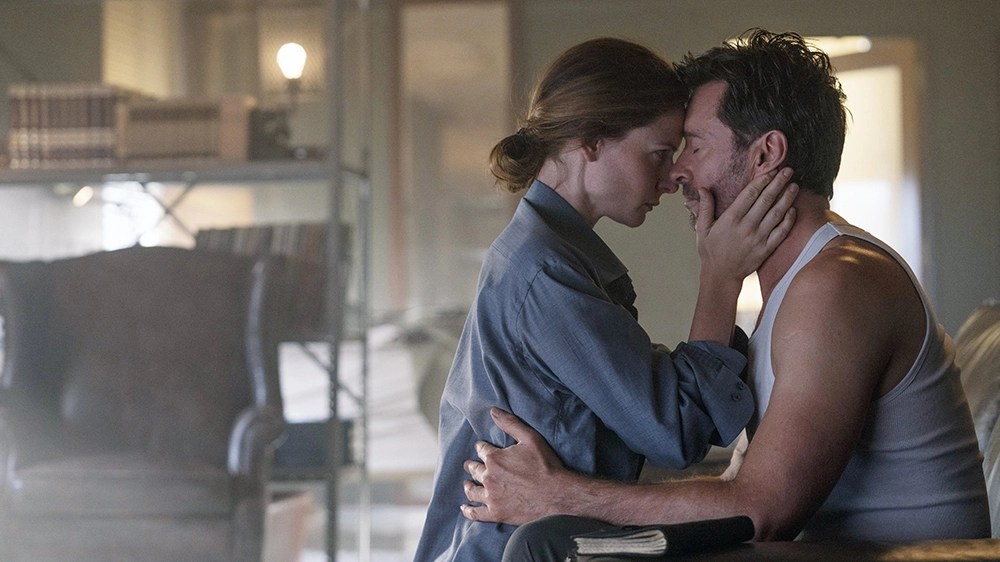
Hugh Jackman leads the film as Nick Bannister, who runs a service with his righteous friend Watts (Thandiwe Newton) that allows people to lie in a technological bath and relive their memories. As their customers reminisce, Nick and Watts can watch their memories on a projector and coax details out of them and analyse the scene’s minutiae. Inevitably, this means that Nick’s services are sometimes called for by the police to allow them to interrogate criminals. One day, Mae (Rebecca Ferguson), a client walks in who needs help finding her keys which requires the use of Nick’s equipment. Nick becomes instantly infatuated with her and they begin what seems to be an authentic and passionate relationship. However, months later, Mae disappears and Nick cannot come to the terms with the fact that she would leave him and decides to investigates her disappearance, leading him down a rabbit hole of conspiracies and twists. As with Westworld, this is a high-concept premise and makes for very promising preconceptions, especially considering the talent involved and the A-list cast.
Reminiscence is a thoughtful and satisfying neo-noir sci-fi that tells an engaging story, even if some of its story beats are clearly indebted to other film noir. This is partly intentional in that the very act of reliving one’s memories is to experience nostalgia. The film feels like a melding of Chinatown and Blade Runner with some of the beginnings of the ambitions of scale on display in Inception. Joy tackles some heady themes such as how we use and abuse our past and forget to live in the moment, as well as the obvious critical commentary on climate change and the rich-poor divide.
Jackman gives a typically committed performance, proving his continued versatility across genres. Newton provides solid support to Jackman and her character acts as the voice of reason to Nick. I’ve long been a critic of Rebecca Ferguson, whose had a very spotty career so far with some terrible performances in films such as The Girl On The Train and The Greatest Showman (her first pairing with Jackman). However, she delivered an exemplary performance in Doctor Sleep. Ferguson is perfectly serviceable here but doesn’t fashion a particularly strong impression to make the role her own. Of the rest of the supporting cast, Daniel Wu makes for a slimy drug kingpin and Cliff Curtis plays against type in a villainous role compared to the rest of his back catalogue. It’s a shame that Marina de Tavira isn’t given all that much to do in what is her most high-profile appearance since her career-defining turn in Roma.
Technically, Reminiscence is very competent and Paul Cameron’s cinematography beautifully captures the intricacies of the sinking city and the seedy goings on when its citizens are alive at night, under the protection of the dark. Lisa Joy’s direction is to be admired with her high-concept and there are a couple of excellent action sequences that are sparse but interspersed in the story. A scene in a bar with a tank full of eels feels like a microcosm of the Western sci-fi fusion of Westworld and there is a kinetic rooftop chase sequence. Joy reunites with Westworld composer Ramin Djawadi, who provides an exciting, predominantly guitar-based score.
With all Reminiscence has going for it, it doesn’t fully reach the heights that its lofty premise promises. The pacing is deliberately glacial, which won’t be to everyone’s tastes and the script is probably a rewrite or two away from being something really impactful. Those expecting a film in the vein of Christopher Nolan will be disappointed, as it is far more pensive in tone. The film is brimming with ideas but Joy isn’t quite able to explore all of them in enough meaningful detail and some end up as an afterthought. Reminiscence is more in the vein of Transcendence, which was directed by Christopher Nolan’s preferred cinematographer Wally Pfister. That film received a critical kicking but it is an equally original and thoughtful sci-fi that I’m surprised hasn’t received an overdue reassessment. Reminiscence isn’t quite as competent in its explorations of its themes but the ambition has to be admired. It is always better for a filmmaker to take a risk and it not fully pay off than to play it safe.
Reminiscence is a lot better than expected and is a well-realised concept that is a rewrite or two away from being something really impactful. It’s a shame that the reception to this film has been lukewarm but this is an admirable feature-length debut from Lisa Joy with an assured leading performance from Hugh Jackman and I’m very glad it exists as films like this don’t really get made anymore, especially with a unique female vision.
Director: Michael Sarnoski Starring: Nicolas Cage, Alex Wolff, Adam Arkin Certificate: 15 Run Time: 92 mins
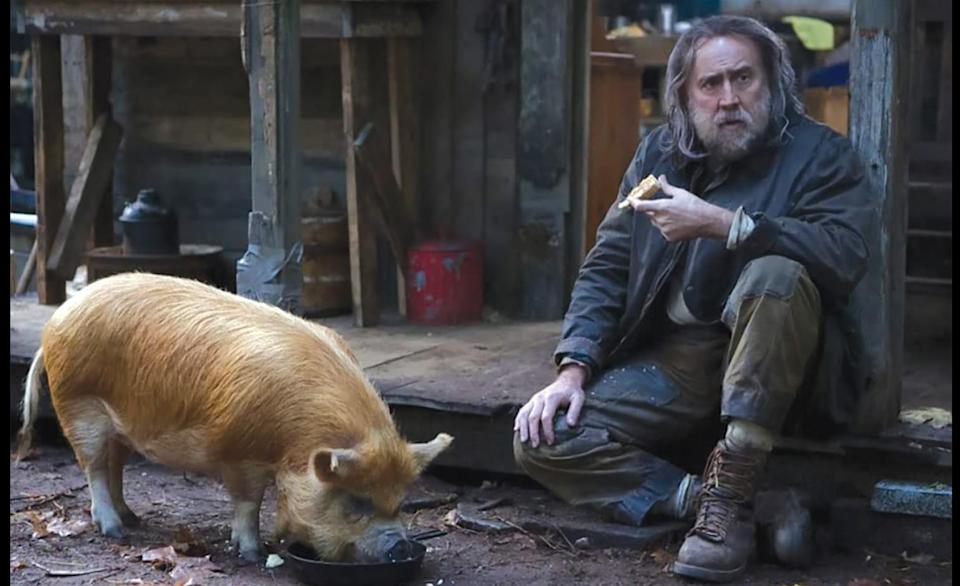
Nicolas Cage has had a fascinating career to date and he is most famous for his unhinged performances in quite often negatively received films. Cage has had a late career resurgence recently with both Mandy and Color Out Of Space being powerful, psychedelic vehicles for the actor, whose overacting has been in keeping with the subject material. Pig looks to be the next step in his resurgence, with Cage playing a reclusive truffle hunter called Rob who owns a prize foraging pig, having formerly been an esteemed Portland chef. When Rob’s pig is stolen, he teams with his young and unexperienced supplier, Amir (Alex Wolff) to track it down and he comes into contact with his past as his journey takes him back to Portland.
As with Cage’s other works, this is a ludicrous concept and he really has the potential to pull it off. Unlike his other works, Pig is not an action thriller and is instead a drama. It is directed by Michael Sarnoski, in what his directorial debut and the film has received near unanimous praise from critics and audiences, many lauding this as one of Cage’s best performances.
Unfortunately, I found Pig to be a thunderously boring experience that is blandly directed and I couldn’t connect with the characters whatsoever. The only engaging sequence of the film was the first ten minutes which consists of Cage and his pig truffle foraging and the kidnapping. Although Cage’s performance is sincere, it is also one-note and baffling. Rob spends the entirety of the film with blood on his face that he doesn’t bother to simply wipe off. Whilst it may have been an interesting creative choice on the page, it doesn’t work on the screen when he is trying to get similarly boring characters to take him seriously. The film is just boring conversation after boring conversation in perplexing locations and the juxtaposition of what is supposed to be a gritty backstory aggressively clashes with the neat sheen of the high-end restaurant trade. This is further heightened by the actors all mumbling their lines with no conviction in their character arc.
Alex Wolff has had a very promising start to his young career with excellent performances in films such as Patriots Day, Hereditary and Old. Unfortunately, his performance as Amir is similarly one-note and he has made the first mis-step of his career. Cage and Wolff completely lack chemistry and a late third act scene with Amir’s wealthy father, Darius (Adam Arkin) that is meant to be a revelatory moment for the duo is just so plodding and uninvolving.
Sarnoski’s direction is uninspiring and he fails to conjure any energy in the material or the performances. I can only imagine he was equally bored during production. Visually, the film has a boring colour palette that is inconsistent and it has a manipulative, vanilla score.
I’m all for Nicolas Cage taking a risk in his career with a complete tonal gear shift in the projects he picks but this was a mind-numbingly monotonous experience with no redeeming qualities other than the first ten minutes. Clearly I am in the minority as Pig has received near unanimous praise but I cannot comprehend what the praise is for. Pig was the most arduous 92 minutes I have had to experience in quite some time and is a complete misfire.
Director: Ferdinando Cito Filomarino Starring: John David Washington, Boyd Holbrook, Vicky Krieps, Alicia Vikander Certificate: 15 Run Time: 108 mins
Beckett is a Luca Guadagnino-produced Euro-chase thriller that is generic and more than a little implausible in its narrative but it is worth a watch for its flair behind the camera. Directed by Ferdinando Cito Filmomarino, Guadagnino’s ex-boyfriend, the film tells the story of the titular character, Beckett (John David Washington) who is vacationing in Greece with his girlfriend, April (Alicia Vikander). When they are driving, he happens to fall asleep at the wheel and roll the car down a hill into a a house, the accident taking the life of his girlfriend and said house just happening to be associated with an international political scandal that the titular character then finds himself embroiled in. To come out of this film having a meaningful experience requires one to to suspend belief and then some.
Beckett gets off to a poor start and the relationship between Washington and Vikander is inauthentic. Their lines are stilted and they don’t have much of a chemistry. The film picks up when the inciting incident occurs and what follows is an entertaining albeit by-the-numbers Euro action thriller. Beckett is heavily indebted to 70’s conspiracy films and you’ll likely see the twists coming. The action sequences are sparse but enjoyable and rather silly. Washington makes for a charismatic, fish-out-of-water lead and is worth the price of admission alone. Vicky Krieps makes a commendable effort as a fellow traveller who is campaigning against the political situation who Beckett’s path crosses with, although she is under-utilised.
There is a moody score by Ryuichi Sakamoto, whose sparse use of music creates a sense of palpable intrigue for the film. Guadagnino-regular Sayombhu Mukdeeprom’s cinematography paints a gritty picture of Greece, from its lavish but desolate hill tops to its crowded city centres juxtaposed with images of poverty.
It feels like the distributor wasn’t quite sure what to do with Beckett, portrayed by the fact it has been released straight onto Netflix. Even the title of the film is rather lacklustre and does nothing to sell it. If you can switch your brain off and look past Beckett‘s flaws, what you have here is an entertaining meat and potatoes thriller with an amiable central performance bolstered by some excellent cinematography and a moody score.
Director: Sian Heder Starring: Emilia Jones, Eugenio Derbez, Troy Kotsur, Ferdia Walsh-Peelo, Daniel Durant, Marlee Matlin Certificate: 15 Run Time: 111 mins
CODA is directed by Sian Heder and is an English-language remake of the 2014 French-Belgian film, La Famille Bélier. This represents Heder’s second feature length film, her debut being the Netflix OriginalTallulah, a comedy-drama that reunited Juno stars Elliot Page and Allison Janney. Following critical acclaim at the 2021 Sundance Film Festival, CODA was acquired by Apple and was released on its Apple TV+ streaming service.
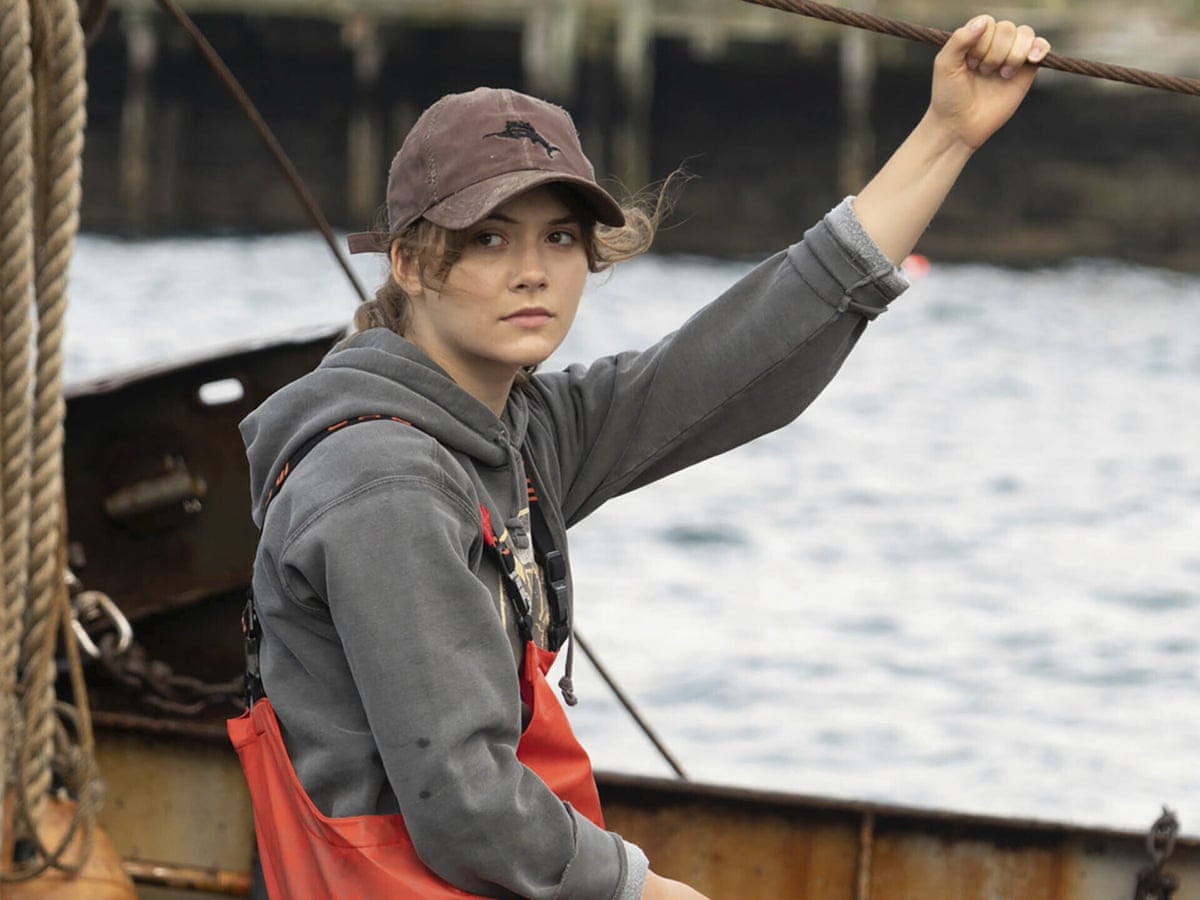
CODA follow Ruby Rossi (Emilia Jones), a teenager in her final year of high school who isn’t sure what the future holds for her. She is the titular CODA (child of deaf adults) and the only hearing member of her family as her brother, Leo (Daniel Durant) is also deaf. Ruby effectively has the unenviable task of acting as the family interpreter, given her fluency in American Sign Language. The family run a struggling fishing business, which Ruby is expected to help in full-time once she has completed her studies. However, Ruby has aspirations to be a singer but struggles to express her passion in her music class, due to a history of bullying having spoken differently as a child.
CODA is an effortlessly heart-warming coming-of-age drama that is elevated by some brilliant performances. Emilia Jones steals the film with a sensational central performance as Ruby, an endlessly relatable teenager who struggles to fully fit in with her peers. She is between a rock and a hard place with her family as they are over-reliant on her help, to the detriment of her own wellbeing and life. This is, without a doubt, one of the best performances of the year.
Eugenio Derbez is also fantastic as the charismatic high school choir director, Bernardo ‘Mr V’ Villalobos. Mr V sets a strict and high bar for his students and his love of music infectious. Deaf actors play Ruby’s family unlike the French original which it drew criticism for. They are all brilliant in capturing a dysfunctional yet sincere family dynamic, even if they are in pursuit of their own pleasures. Troy Kotsur makes a particularly strong impact as the father, who gets many comedic moments and Daniel Durant’s performance as the headstrong brother who wants his family to be taken seriously is admirable. Marlee Matlin plays the overbearing mother, the actress having previously won an Oscar for her acting debut in Children of a Lesser God.
Heder deftly balances the family conundrums with Ruby’s musical development, where she could have very easily fallen into the trap of prioritising its musical numbers. The film is paced perfectly and there are many sequences that are impossible to watch without anything other than a beam on your face.
The only criticism to make would be that CODA doesn’t particularly divert from the well-worn coming-of-age formula. It would be fair to say that if it wasn’t a story that dealt with an uncommonly explored theme, then it wouldn’t have packed as much of a punch. Despite sticking to relative convention in its structure, CODA is a crowd-pleasing film that intimately explores the deaf experience and its hearing protagonist’s young adult experience is endlessly relatable and touching.
Director: Shawn Levy Starring: Ryan Reynolds, Jodie Comer, Lil Rel Howery, Utkarsh Ambudkar, Joe Keery, Taika Waititi Certificate: 12A Run Time: 115 mins
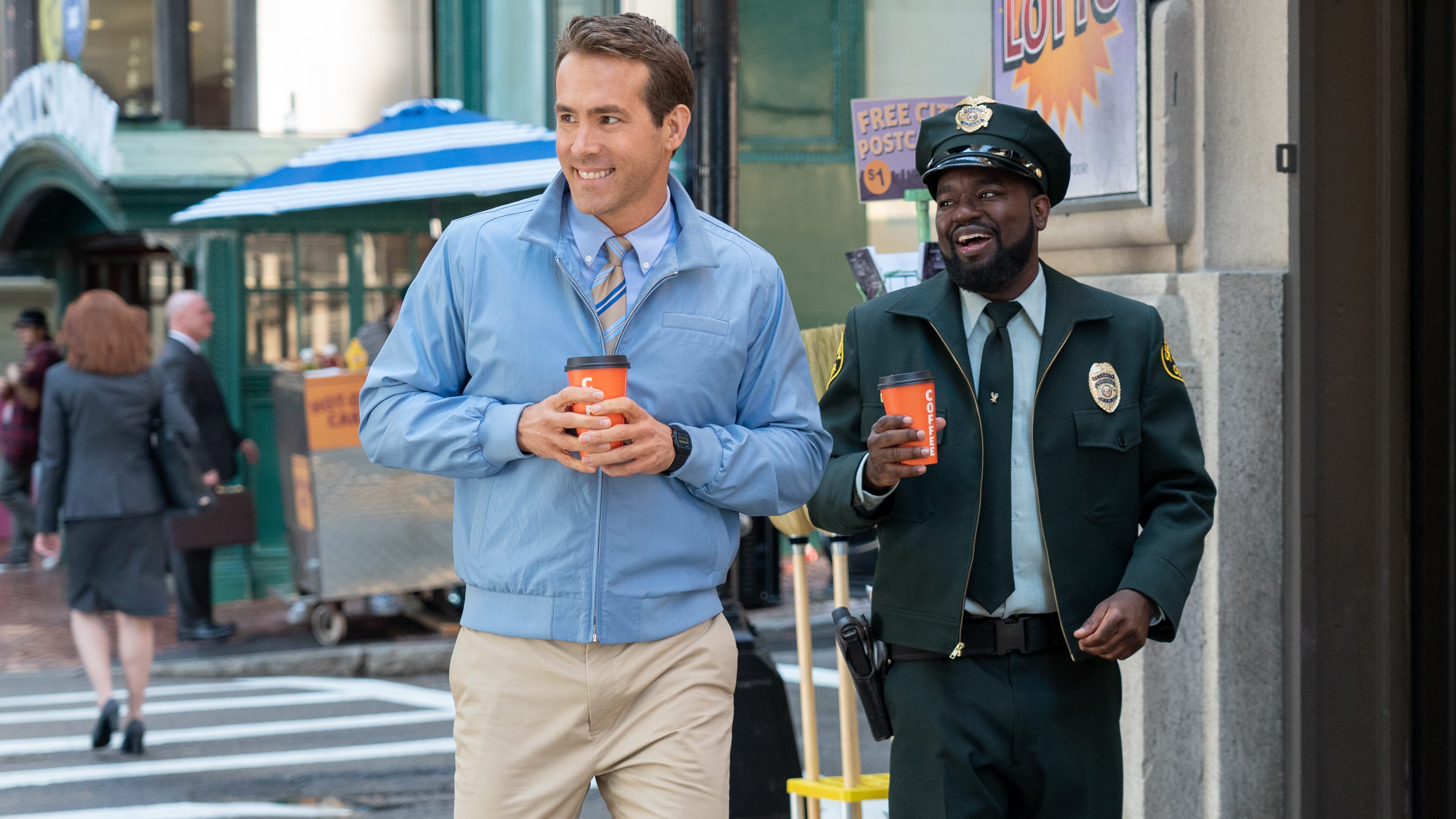
Free Guy is an action sci-fi comedy that is directed by Shawn Levy, his first film since 2014’s Night At The Museum: Secret Of The Tomb. Ryan Reynolds plays Guy, a non-player character (referred to in the gaming community as an NPC) in a video game called Free City. He is a bank teller and his daily routine consists of waking up, greeting his goldfish, drinking the same coffee, wisecracking with the bank security guard Buddy (Lil Rel Howery) and putting up with five or so armed robberies. All day, every day.
In the real world, unemployed Millie (Jodie Comer) enters the world of Free City every day in the hope of finding the game’s source data. The data was stolen from her and her business partner, Keys (Joel Keery) by Antwan Hovachelik (Taika Waititi), the ruthless and boisterous CEO of Soonami Studios. Millie and Keys had created a game called Life Itself, which Free City contains more than a few similarities.
Millie’s Free City avatar, Molotov Girl meets Guy who becomes infatuated with her. After a series of events, Guy is able to access the player’s view of the game and sidelines himself from his scripted Groundhog Day reality, causing chaos both in his world and the real world.
On paper, Free Guy has a lot going for it. When working with strong material, Ryan Reynolds can be a likeable screen presence and the supporting cast of Comer, Waititi and Howery also bodes well. Levy is no stranger to crafting imaginary worlds with plenty of heart. With parallels to the aforementioned Groundhog Day, as well as The Matrix, The Truman Show, The Lego Movie and Ready Player One, can Free Guy carve its own niche?
Unfortunately despite strong critical and audience reception, Free Guy is a major disappointment. The gags are rarely humorous and there is just too much going on – it constantly feels like the film is uneasy with itself. The film is eager to plaster a smile on your face but it really doesn’t hang together. It lacks the warm heart that this material requires and it’s tonally bland.
Ryan Reynolds is likeable enough in the lead but doesn’t make that much of an impression. Even Taika Waititi isn’t given the opportunity to shine in a villainous role for the charismatic actor – his performance is just awkward and bordering on tiring. Luckily, Jodie Comer is the thread that hangs the film together with a committed and warm performance and Lil Rel Howery also brings some typical cheer.
The score by Christophe Beck is obvious and there are some painful chart hits interspersed into the action that aggressively doesn’t fit. The visual effects are pleasing and it can’t be denied that Levy has crafting a colourful and bombastic world. It’s surprising to see George Richmond credited as the cinematographer as the photography doesn’t really match with his signature heightened aesthetic.
It’s a shame that Free Guy isn’t the slam-dunk that it should be on paper. The film has all the ingredients but it’s ultimately a nervous and largely uninteresting mess. There’s some interesting visuals and a couple of bright performances but not a great deal more.
Director: Tom McCarthy Starring: Matt Damon, Camille Cottin, Abigail Breslin, Lilou Siauvaud Certificate: 15 Run Time: 140 mins
Stillwater is the long awaited follow-up from writer-director Tom McCarthy, after his last film Spotlight won the Best Picture Oscar back in 2016. Spotlight was an enthralling exploration into the journalism of a worldwide church scandal, boasting some fine performances and a powerful narrative.
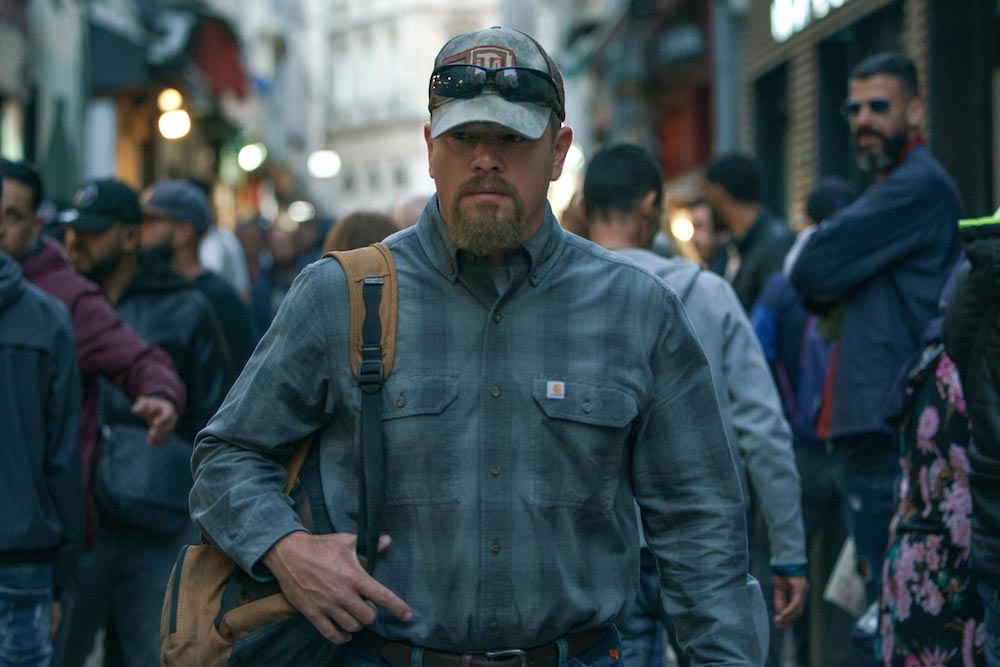
Stillwater draws parallels to the Amanda Knox case, attracting criticism. Matt Damon plays unemployed oil-rig worker Bill Baker who frequently journeys to Marseille from the small town of Stillwater, Oklahoma to visit his daughter, Allison Baker (Abigail Breslin). Allison is five years into her nine year prison sentence after being convicted of killing her university roommate, Lina. Bill is a man of few words and works in order to afford the trips to France. When Bill is in France on a visit, there is an opportunity for the case to be reopened and he fights for his daughter to be exonerated. He has difficulty with the language barrier and the French bureaucracy system. Many locals in the city are aware of the case and know what his daughter did. After a fortuitous chain of events, befriends Virginie (Camille Cottin) and her young daughter, Maya and they all take a reciprocal liking to each other.
Stillwater is an excellent crime drama that is played on a more human scale and centres on one of Matt Damon’s best performances. It is a satisfying yet painful narrative and the character relationships are admirably developed, particularly between Bill, Virginie and Maya. Bill is essentially given a second chance at fatherhood, after he proclaims that he screwed up in the past.
Abigail Breslin’s convicted murderer isn’t as prominent a figure as the premise would suggest. Her performance is mournful yet cold and it is not inconceivable that her character is capable of committing such a crime. Still, Bill sticks up for his daughter and continues his plight for her exonerance. Stillwater tests its characters time and time again. This interrogation of innocence is the greatest success of the film as it asks questions that have no black and white answers
Technically, Masanobu Takayanagi’s cinematography is superb and he beautifully captures the vistas of Southern France with the rougher areas of the divided city of Marseille. Mychael Danna’s score is thoughtful and he crafts some fitting themes.
Stillwater is ultimately a deft melding of the action and revenge thriller genres and is a very interesting project for Tom McCarty to take on following his Awards success. It’s not flawless – there is an attempted suicide where the consequences of it are not explored or even discussed which is a missed opportunity. Still, the film kept me enthralled throughout and won me over with its deep and authentic exploration of its characters. If you can accept the fact that Stillwater is merely inspired from Amanda Knox and doesn’t follow the case to the letter, then you have what is one of the best films of the year.
Director: James Gunn Starring: Margot Robbie, Idris Elba, John Cena, Joel Kinnaman, Sylvester Stallone, Viola Davis, Jai Courtney, Peter Capaldi, David Dastmalchian, Daniela Melchior, Michael Rooker, Pete Davidson, Nathan Fillion, Sean Gunn, Alice Braga Certificate: 15 Run Time: 132 mins
The Suicide Squad is for the most part a giddy, gory and thoroughly adult superhero film. The film is written and directed by James Gunn, whose sensibility for gory horror and dark humour, blend perfectly with the source material, feeling much more akin to his earlier works such as Slither and Super. Gunn originally hit critical acclaim with Marvel’s Guardians of the Galaxy and its sequel, the first film in particular proving a refreshing break from the tired Marvel formula that really allowed his personality to shine through. Despite breaking free of the Marvel formula, Gunn was still constrained to a 12A / PG-13 rating, therefore The Suicide Squad represents him at his most unrestrained.
The Suicide Squad fits into the wider DCEU rather awkwardly in that it is a part-sequel to 2016’s Suicide Squad in that it shares a handful of the same characters but it also functions as a part-reboot in that everything about it is completely different to that film. Suicide Squad unfortunately received a critical mauling on its release and whilst it has its bright spots, unfortunately David Ayer’s film was subject to studio interference which is clearly evident in the final picture.
After her solo outing in Birds of Prey, Margot Robbie returns as the mentally unstable Harley Quinn. Viola Davis’ no-nonsense Amanda Waller also returns, who is tasked with running the Task Force X and she assembles two teams to go to the fictional South American island of Corto Maltese for reasons unknown to the teams. The titular squad are all DC villains who are jailed and Waller picks a roster to undertake a mission, in return for the villains having a length of time knocked off their sentence. They each have a chip implanted in their head which Waller has the ability to explode if they go off course on their mission, and being a James Gunn film, this feature is certainly used.
Gunn has proven a knack for picking unfamiliar comic-book characters and spinning a gripping yarn from their background. The Guardians of the Galaxy were very much a lesser known Marvel property and Gunn was able to utilise this to his advantage, especially with characters like Groot and Rocket Racoon, one a tree that can only say one sentence and the other an anthropomorphic, wisecracking raccoon. Gunn introduces characters like Ratcatcher, Polka Dot Man and King Shark, all C-grade comic villains but he manages to successfully develop and establish a backstory to them so audiences can invest in them.
Will Smith’s Deadshot is not a part of the film this time around, rather it is Idris Elba, who is the team leader. He portrays Bloodsport, a skilled marksman who was imprisoned for shooting Superman with a kryptonite bullet. Elba has struggled to cement his career with leading roles and the performance he gives here is refreshingly cynical but humane and makes for a charismatic lead. John Cena is Peacemaker, a vulgar individual who desires to achieve peace through the act of violence. The main core of the team is comprised of returning actor Joel Kinnaman as Rick Flag, who has a more convincing character arc this time around, Natalie Belchior as Ratcatcher 2, David Dastalmachian as Polka Dot Man and Sylvester Stallone as King Shark. Other memorable characters include regular Gunn collaborator Michael Rooker as Savant and Sean Gunn as the violently strange Weasel.
Gunn paces The Suicide Squad extremely well and the script is stuffed with quips and wisecracking interplay between the characters. There is violence and gore aplenty – heads are decapitated, blood splatters after characters get shot in the face and King Shark likes to devour people… a lot! This is a film that earns its 15 / R rating and it is all the better for it. Like its predecessor, there isn’t much of a story again this time round, but the characters combined objective acts as a coherent plot and there are some excellent character twists along the way. Gunn does an excellent job in not allowing his audience to get to attached to characters, as life is pretty expendable in this film.
John Murphy’s guitar-heavy score is memorable and fits really well to the film. Like Guardians of the Galaxy, Gunn employs a jukebox roster of 80s hits and for the most part, they fit in well. The 2016 film tried to ape Guardians of the Galaxy in its soundtrack but its track picks were all too on-the-nose and uninspired. Henry Braham’s cinematography is excellent – this is a really colourful and visually punctuated world. A fight scene that is portrayed via a reflection is a genius idea and is beautifully captured by Braham.
In a wider context, what impressed me most about The Suicide Squad was its progressive characters for the genre, which acts as a revisionist take on the superhero genre. The superhero genre is overpopulated with generic films that are uncomfortable in breaking the mould and Gunn’s film actively tries to defy conventions, even if it’s not always successful, but the ambition is to be admired.
The Suicide Squad’s main drawback is in its ending, which unfortunately sticks to convention. There is an annoying tendency in superhero films to end the film on a big CGI battle and Gunn was guilty of this in Guardians of the Galaxy Vol. 2. This is the case again, but the CGI battle is far more coherent and involving but it’s disappointing that unlike the rest of the film, he doesn’t make much of an effort to deviate from the formula. It’s a little anti-climatic when the rest of the film is so entertaining and refreshing.
Ultimately, The Suicide Squad is a blast from start to finish and is up there with Gunn’s best works. Gunn’s personality shines through and through in its tone and his knack for establishing convincing and relatable characters and the film is mesmerising and joyfully startling and chaotic at times. It strikes just the right balance in its humour, rather than being boisterous about its adult rating. I can’t wait to see where this storyline is taken next and this film ranks as one of the best efforts in the DCEU and the wider superhero genre.
Director: Jaume Collet-Serra Starring: Dwayne Johnson, Emily Blunt, Édgar Ramirez, Jack Whitehall, Jesse Plemons, Paul Giamatti Certificate: 12A Run Time: 127 mins
Jungle Cruise is an action-adventure film from Disney based on an amusement park theme ride of the same name. It stars Dwayne Johnson as Skipper, the captain of a small riverboat who takes Lily Houghton (Emily Blunt) and her brother (Jack Whitehall) through the Amazon in search of the Tree of Life for its illness-curing properties. The film is directed by Jaume Collet-Serra, who directed the horror film Orphan, a speight of Liam Neeson action thrillers and most recently, The Shallows, a shark attack film. Collet-Serra’s filmography has been a mixed bag. Orphan had a strong premise but its execution at times, was laughable. Of the four Liam Neeson thrillers that Collet-Serra helmed, Run All Night had the most flair and was an entertaining ride with some excellent set pieces. The Shallows received strong reviews but I found it to be very disappointing with a hammy performance from Blake Lively and it lacked tension.
Jungle Cruise is an entertaining yet derivative romp and its tone draws numerous comparisons to Pirates of the Caribbean, Indiana Jones and Stephen Sommers’ The Mummy series. There are some creative action sequences and the character development is amiable. Johnson and Blunt are both clearly having a good time and share an excellent chemistry together. The script is reasonably sharp, although it does lean into and embrace its cliches.
On the other hand, the film has many problems. The visual effects are surprisingly very poor for a film with a $200 million budget, especially the unconvincing CGI animals. It is also overlong and could easily have had twenty minutes or so cut from it. Length hasn’t been a problem with Collet-Serra’s works before as his films have always had an economical pacing.
The film makes some graceless attempts at updating Disney’s image through the representation of sex and gender but it’s rather pandering and misconceived. Johnson’s stardom feels as if he is caged by Disney and he is unable to fully open up his talents and humour in his performance.
There is not much of Collet-Serra’s authorship on show here and this film feels very much like it was directed by a committee. It is always difficult when well established directors take on a studio property, having to walk a tightrope between their vision and the corporate vision.
Jungle Cruise is ultimately a solid action-adventure film to grace our screens this Summer and the characters it introduces are more than ripe for any sequels that Disney will inevitably create. I’d like to see more of a director’s touch to the material and for the film to take a few more risks in its narrative and characters in a future instalment.
Director: M. Night Shyamalan Starring: Gael García Bernal, Vicky Krieps, Rufus Sewell, Alex Wolff, Thomasin McKenzie, Abbey Lee, Nikki Amuka-Bird, Ken Leung, Eliza Scanlen, Aaron Pierre, Embeth Davidtz, Emun Elliott Certificate: 15 Run Time: 108 mins
Old is a new original psychological horror by high concept director M. Night Shyamalan, a director most famous for his signature twists and a figure who has had quite the varied career. After a slump of each film being worse than his last starting with Lady In The Water and The Happening, then resulting in the one-two career suicide of The Last Airbender and After Earth, Shyamalan’s career is steadily back on the rise. When he was in director’s jail, Shyamalan teamed with Blumhouse to film a micro-budget horror called The Visit, which opened to good reviews. He has since directed Split and Glass, completing a trilogy that started with Unbreakable. Split received strong reviews whereas the reception to Glass was decidedly mixed, although I regard it to be his best work.
Inspired by a Swiss graphic novel called Sandcastle, Shyamalan adapts and expands the story to suit his own creative mind. The ever reliable Gael García Bernal plays Guy, who along with his wife, Prisca (Vicky Krieps) and two young children, Trent and Maddox (Alexa Swinton and Nolan River) vacation to a sun-drenched, tropical resort. The children do not know that this is to be their last family holiday as the parents plan on divorcing, as Prisca has been engaged in an affair and is also facing some worrying health problems. The seemingly idyllic haven seems too good to be true from the moment they arrive. The family are welcomed by the hotel manager and his staff with personalised cocktails made to their taste preferences that they specified on their booking form. The resort manager takes a liking to the family and offers them a day on a private, hidden beach to have to themselves. When they embark on the minivan to be transported to the beach, the exclusive nature of the trip is tarnished, as they are joined by another family consisting of an intense British Doctor (Rufus Sewell), his model but hypocalcemic wife (Abbey Lee) his ageing mother, Agnes (Kathleen Chalafant) and young daughter, Kara (Kyle Bailey).
The minivan driver (Shyamalan in a cameo role) drops them off near the beach and hands them an exceedingly large hamper of food before departing, informing them to call him when they are ready to leave. Once they step foot on the beach, after negotiating their way through a jungle and canyon to reach their private slice of paradise. However, all is quickly not as it seems once a dead body washes up on the shore and everyone on the beach starts to age at breakneck speed, one of the characters deducing that they are ageing a year every half an hour.
Old is another bonkers concept by the auteur Shyamalan, and tonally is somewhere between Get Out and The Beach, infused with The Twilight Zone. It is a frequently profound and is an intense, nightmarish exploration into the themes of life and maturation. A scene between two old characters facing worsening eyesight and deafness is beautiful, as their memories are worsening and losing the concept of space and time. Shyamalan deftly balances these profound moments with freakish body horror and violence, one sequence in particular involving a knife is particularly harrowing and well shot. That said, the film could have benefitted from portraying more of these bloody images rather than most of the violence being portrayed off-screen, although the on-screen horror that Shyamalan decides to portray is enough to earn the film a 15 age rating.
Shyamalan has received a fair amount of flack for his stilted scripts, and although there are awkward moments in the script here and characters conversing unnaturally, it is fitting for the horrific scenario that they are placed in, their brains and actions not able to cope with their rapid ageing. The performances, in turn, are stilted to begin with but once the horrors of the beach unfold, there is considerably more energy. Gael García Bernal and Rufus Sewell make the strongest impression, Bernal’s father initially seeming overly tight-lipped but he instills more emotion as the film progresses and Sewell’s anxious but controlling Doctor has more substance than meets the eye. Ken Leung offers perhaps a career best performance as a calm and logical nurse, who is married to his intelligent but epileptic wife (Nikki Amuka-Bird), who the two families encounter later on the beach.
Old is beautifully shot by Mike Gioulakis, who has collaborated with Shyamalan on his last three films. His photography portrays the luscious beach as an imposing figure and a character point-of-view in the film’s second half of worsening eyesight is a genius move. Trevor Gureckis’ score is foreboding and haunting, seemingly offering only despair to the characters situation. Of course, there is a signature, late twist to Old as it wouldn’t be a Shyamalan film without one. The twist is satisfying and as is the case with his best work, forces one to view the film in a different light.
Old is a strong and unapologetic effort from Shyamalan and is further evidence of his career resurrection, if you get on board with the narrative. Reviews for this film have proven polarised but one must always commend a director for being ambitious and not trying to pander to the crowd. Old is one of Shyamalan’s best works and I cannot wait to rewatch it again and pick up on the smaller details that offer breadcrumbs to the film’s twist.






 The Film Meister