

This is the second part of my Best Films of 2023. I previously ran you through my best films of 2023 (20-11) and here, I unveil my top ten.

10) The Covenant
Guy Ritchie’s most mature film in years is a triumph with Jake Gyllenhaal reliably brilliant as Master Sergeant John Kinley, who after his unit are ambushed by the Taliban and his interpreter is killed, is teamed with Dar Salim’s Ahmed. This is a thrilling action drama from Ritchie with surprising restraint, considering his back catalogue, with some nail-biting action sequences and a pulse-raising score by Christopher Benstead. Both Kinley and Ahmed are well-developed and rounded characters and I really brought their friendship. If there’s a downside to the film, it has a rather Americanised ending but its intensity is still to be commended. It’s Ritchie’s best film since The Gentlemen.
9) Anatomy Of A Fall
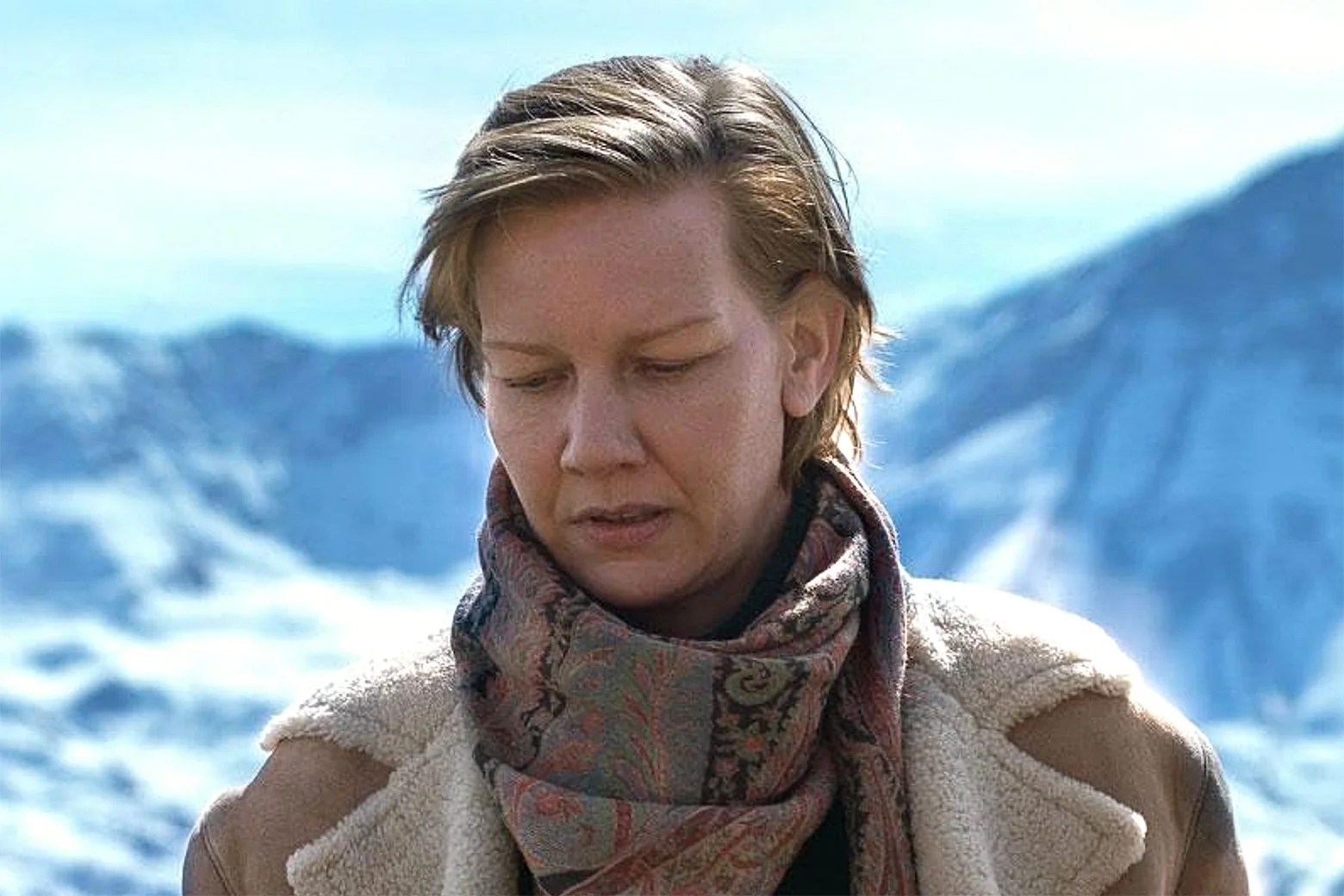
Anatomy of a Fall is a fascinating character study of a family, the couple at its centre and the legal system that tries to break Sandra and her son apart. It’s a smart film that’s simmering with tension and excellent performances, although I’m confident it would pack an even greater wallop if it was tighter. Sandra Hüller is terrific in the lead role and is fully deserving of the praise she has been lauded. Her character is a matter-of-fact, frank individual and director Justine Triet delves into the idea that writers use those around them to bolster their image. Swann Arlaud is also brilliant as Sandra’s silver fox lawyer, Vincent Renzi, as is Antoine Reinartz as a particularly nasty prosecutor. He unpicks anything and everything Sandra or other persons called up to the bar say, constantly repurposing words as evidence of Sandra’s guilt. Although there isn’t an original score, the use of music is terrific and the recurring use of 50 Cent’ P.I.M.P. and Daniel’s piano recitals are chillingly effective. The film’s also beautifully shot by Simon Beaufils, who evocatively captures the high altitude setting of the chalet and likes to zoom in on certain minutiae, as if you’re a fly-on-the-wall.
8) May December
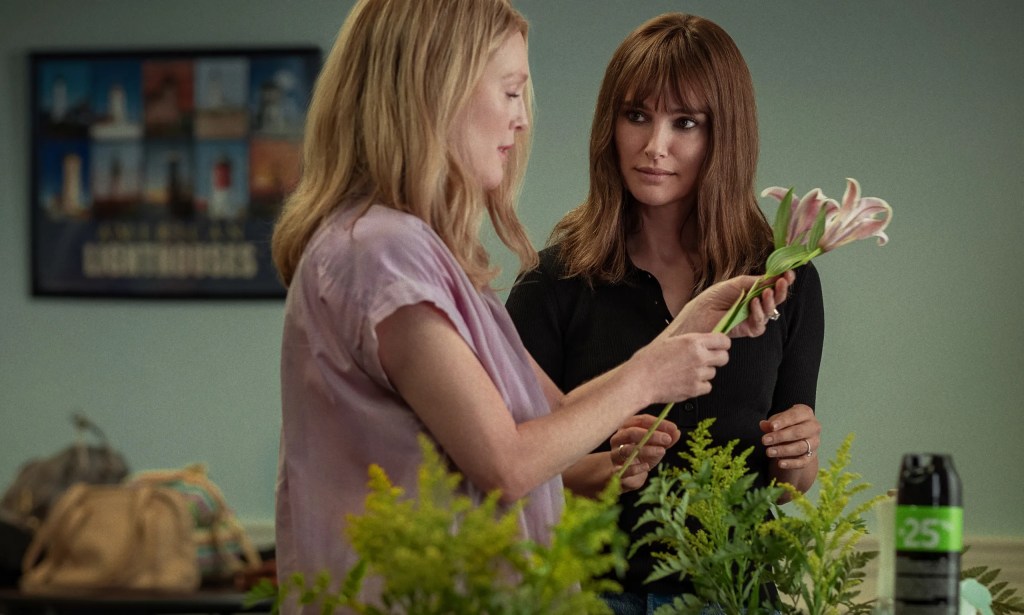
I’ve never fully got on the Todd Haynes hype train but May December is the film that’s converted me – I was enthralled from start to finish. The film is loosely inspired by the Mary Kay Letourneau scandal where the then-34 year old had a sexual relationship with 12-year-old Vili Fualaau. The characters are renamed and the story framed around Natalie Portman’s Elizabeth Berry as an actress who’s about to play the older woman in an upcoming film, played by Julianne Moore. May December isn’t interested at all in unpicking the how’s and why’s of what happened. Haynes refreshingly chooses to focus on the dark and tangled obsessions of its characters and how they mirror each other. The film is seeping in details to unpick and there are many different possible readings, which make it all the more satisfying. It’s brilliantly paced with a sharp script by Samy Burch which deftly balances the camp and unease. Perfectly complimenting the film is a peppery score by Marcelo Zarvos, who reuses Michael Legrand’s whirlwind-like themes from The Go-Between but develops them beautifully.
7) Are You There God? It’s Me, Margaret
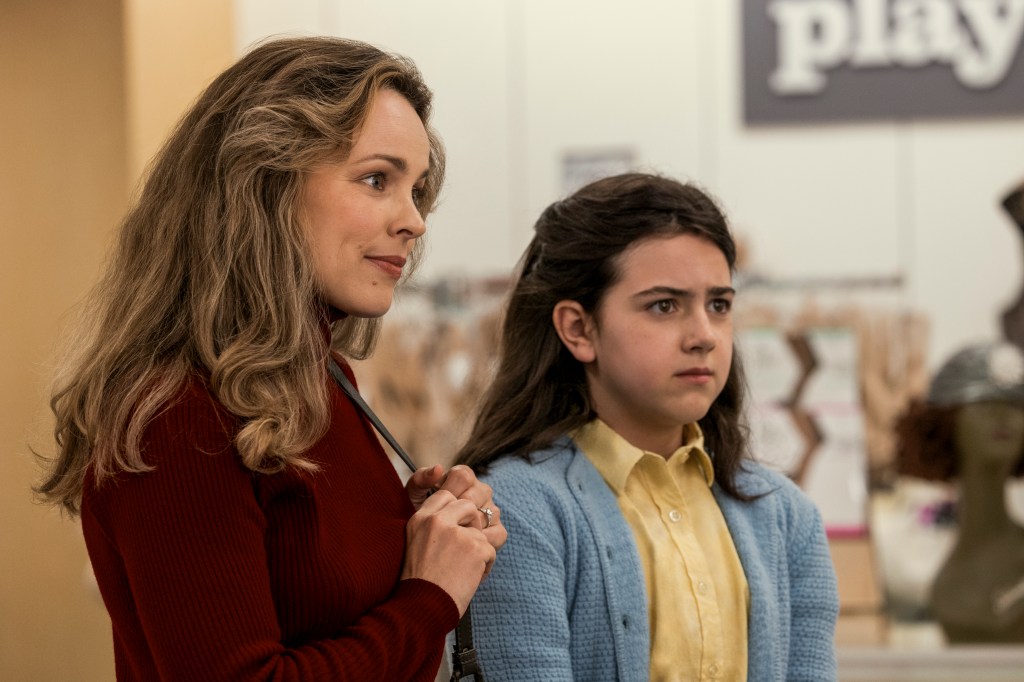
Kelly Fremon Craig’s adaptation of the 1970 novel of the same name is an utterly charming coming-of-age comedy drama that has plenty of laughs matched with real heart. The film is refreshingly frank about a girl’s journey through puberty and the director nails the uneasy but realistic conversations Margaret has with her friends. Abby Ryder Fortson is revelatory as the titular Margaret and Rachel McAdams is equally impressive as her mother, Barbara. Kathy Bates shines as her grandmother, Sylvia and Hans Zimmer’s score is uncharacteristically stripped back.
6) The Son
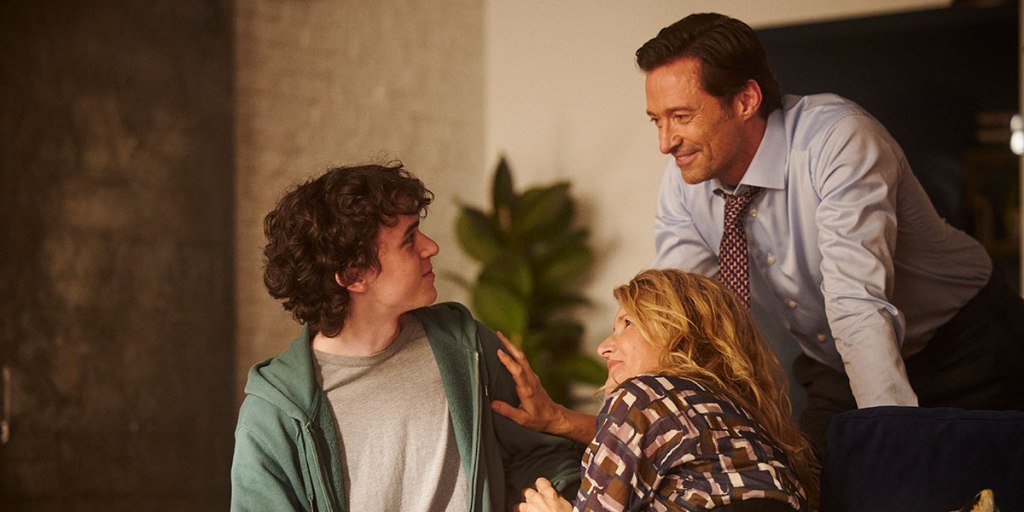
I never expected to like director Florian Zeller’s follow-up to The Father as much as I did, given the negative reception and the fact I had serious reservations regarding his debut. However, The Son really worked for me and follows Peter Miller (Hugh Jackman), who’s trying to juggle his marriage with his second wife Beth (Vanessa Kirby) while raising their newborn baby and his depressed 17-year-old son, Nicholas (Zen McGrath), from his previous marriage. This is an utterly devastating account of depression, with Peter constantly stuck between a rock and a hard place, on the one hand wanting to be a model father and move on from his own childhood trauma with his own cruel father (Anthony Hopkins). Jackman is reliably terrific in the lead, with strong work also from Kirby and McGrath and I was glued to the screen from start to finish. If there’s a film out there that warns you about the dangers of depression, this is it, akin to how Requiem For A Dream is the model film to put you off recreational drug use.
5) Beau Is Afraid
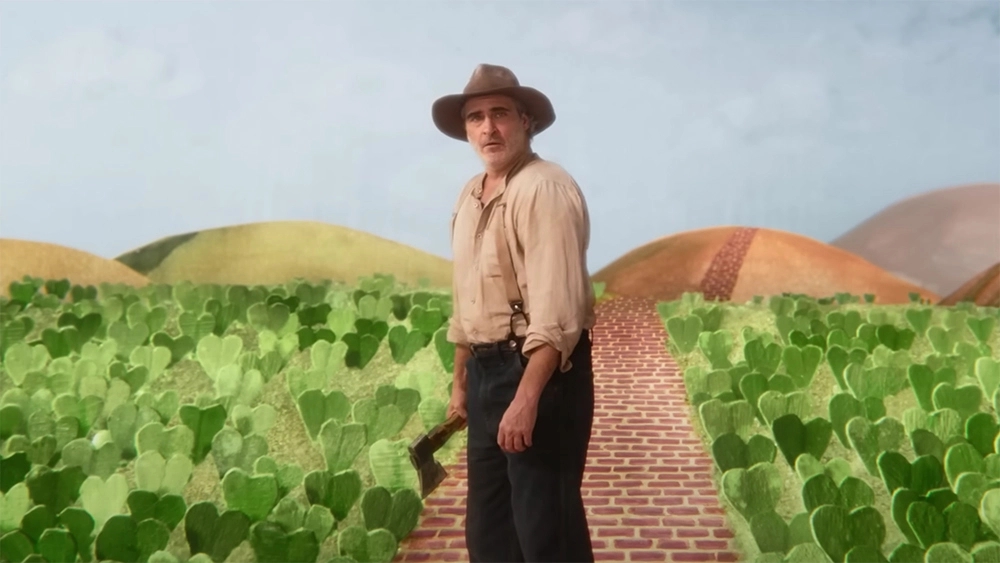
Beau Is Afraid is easily the most confounding cinematic experience I have had in quite some time. It’s a fiercely original effort – a sprawling, paranoia-inducing epic with more than its fair share of Kafka-inspired horror infused with Charlie Kaufman surrealism and a dose of Darren Aronofsky’s mother!. As you’d expect from an Ari Aster film, it’s overflowing in symbolism and requires multiple viewings to better understand its meaning. This isn’t a film that will ever be truly understood, but after two viewings, there is a ton to unpack. A beautiful animated sequence towards the close of the film’s second act is particularly affecting. Joaquin Phoenix is phenomenal as Beau, effortlessly flitting between being pathetic the line between pathetic – crazed emotions, stunts, panic, confusion. Aster’s regular cinematographer Pawel Pogorzelski’s moody cinematography is stunning, an individual once again at the top of his game, and there’s a satisfyingly sickly score from Midsommar‘s Bobby Krlic.

4) John Wick: Chapter 4
John Wick: Chapter 4 is yet another strong entry in the series and its second half is particularly impressive, especially considering the intimidating 169 minute run time. It tells a clear and coherent story and there are real, life-threatening stakes for the characters. The film feels like a sprawling, ultra-violent James Bond film on steroids and mostly earns its length. As you’d expect, Chapter 4 sports some truly mesmerising action sequences that are straight up there as some of the best in the series and a model for action cinema in general. Keanu Reeves once again turns in an excellent performance as the titular character. Bill Skarsgård makes for what is probably the most formidable villain of the series to date and Donnie Yen is clearly having fun as a likeable old friend of Wick, who is forced out of retirement to kill him.
John Wick: Chapter 4 is a fantastic sequel and a genre-defining film for action cinema. It’s a globe-trotting stunt showcase from beginning to end that mostly earns its length and its second half is a tour-de-force. It’s certainly the best sequel of the franchise, although I’m not sure if it betters the original. It’s rare to see a series improve with each entry, although Chapter 4 ends on a fitting note and I hope Stahelski and Reeves aren’t tempted to risk making another.
- Read the full John Wick: Chapter 4 review here
Now into the top #3…
3) Killers of the Flower Moon
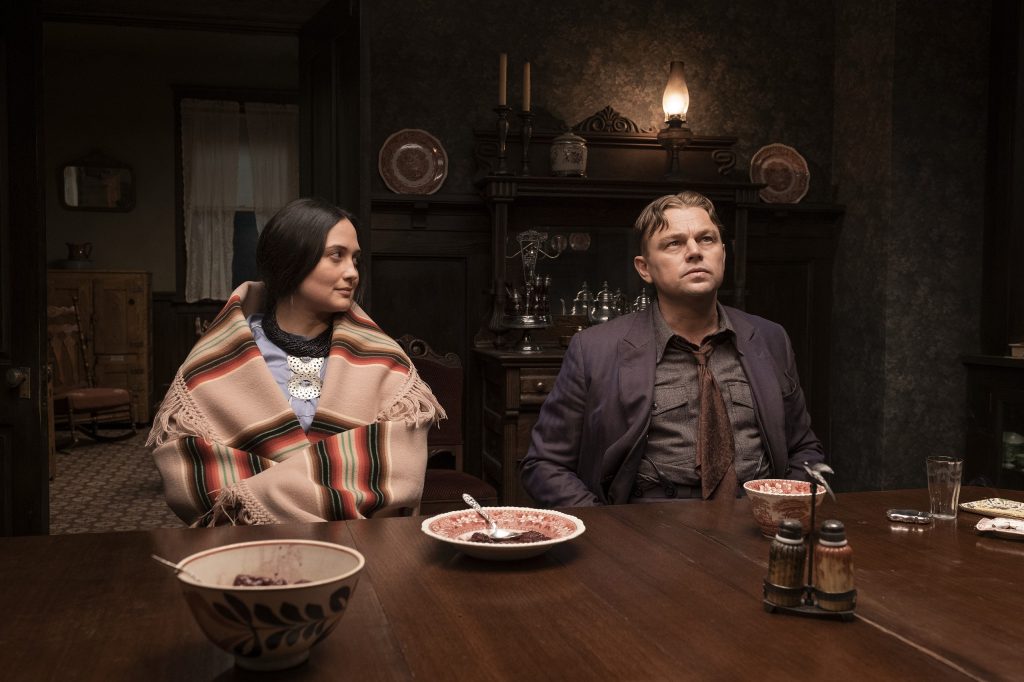
Killers of the Flower Moon is the latest by Martin Scorsese and an adaptation of David Grann’s 2017 non-fiction novel of the same name. The book is a must-read and tells the sickly story of how the Osage community are systematically murdered in the 1920s after oil is discovered on their tribal land. Killers of the Flower Moon is, for the most part, an excellent adaptation. It earns its 206 minute run time with its sprawling, fascinating story and Scorsese takes his time to develop the characters. He immerses you in the terror felt by the Osage, that no-one is safe on their own land with greedy wolves scheming from every corner. I was particularly impressed how like in The Irishman, Scorsese presents the horror in quite an understated way, raw and fact-of-life. Although a revisionist Western first and foremost, there’s still many of Scorsese’s gangster elements to be found, from fatally flawed men to America’s founding myths. Of course, being a Scorsese picture, the film has real big screen beauty and is handsomely shot by regular cinematographer Rodrigo Prieto. He gorgeously captures the expansive Oklahoma vistas and holds onto a shot for uncomfortably long during heinous murders. The stunning cinematography and assured direction is paired with a haunting, bluesy final soundtrack by Robbie Robertson (who sadly passed away in August). A heartbeat motif that is repeated throughout the film is particularly effective, lending a feverish quality.
2) Babylon
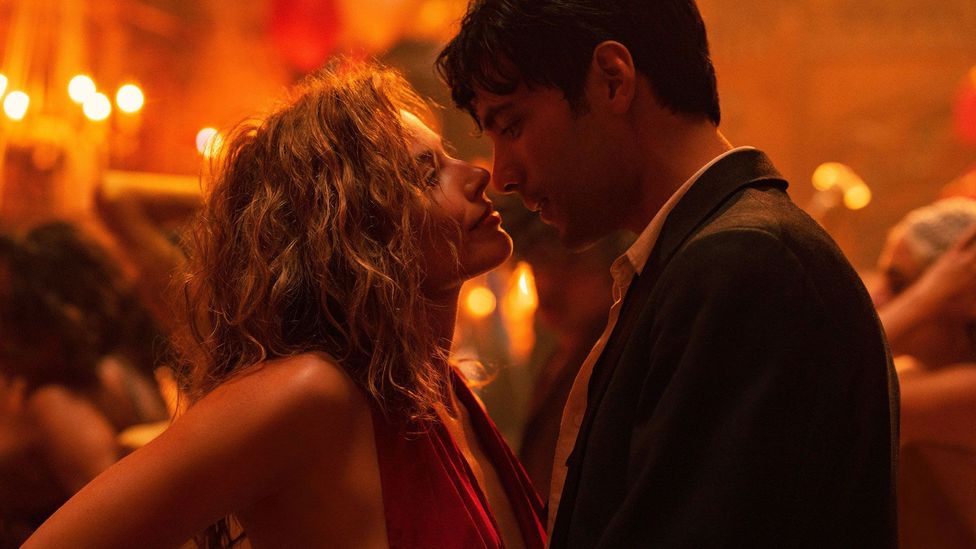
A misunderstood masterpiece, Damien Chazelle’s epic comedy chronicles Hollywood’s transition from silent to sound films in the late 1920s. I’ve had a mixed experience with Chazelle’s filmography. Whiplash is one of my favourite films of the 2010s, I couldn’t understand the praise for La La Land and I admired but didn’t love First Man. Babylon is a return to form for Chazelle and is an ambitious, heady study of the history of cinema. It quite literally details the blood, sweat, tears and sheer luck needed to succeed in Hollywood and the strenuous work required to even film a single scene. Chazelle’s approach is unapologetic – this is a sprawling, loud film that revels in excess be it through drink, drugs or discharging of bodily fluids. But it’s also regularly profound with characters wholly aware their Hollywood career has an expiry date. Although Chazelle’s view of the Hollywood studio system is critical, his passion for film as a medium is evident throughout this three hour plus extravaganza. I hope the mixed reception doesn’t discourage Chazelle from taking another ambitious risk.
So the best film of the year is…

1) Oppenheimer
Oppenheimer is a tension-fuelled, thought-provoking minor-key masterpiece and is straight up there with director Christopher Nolan’s best work. It’s an incredibly rich piece of work and it left me feeling stone-cold with its characters haunting deliberation over the consequences of their work. This is a largely dialogue-heavy film for its lengthy three hour running time and except a breathtaking sequence depicting the Trinity test (even more impressive considering the minimal CGI), is largely bereft of action. Cillian Murphy has often represented one of the mechanisms to a successful Nolan film, and steps up to the lead role for Oppenheimer. His performance is simply sensational and a career-best. Oppenheimer is stacked with A-list actors, with Emily Blunt and Robert Downey Jr other notable highlights. The film is beautifully shot by now-Nolan regular Hoyte van Hoytema and Ludwig Göransson’s score is the glue that holds the film together.
What are your favourite films of 2023? Let me know in the comments or tweet @TheFilmMeister
 The Film Meister