

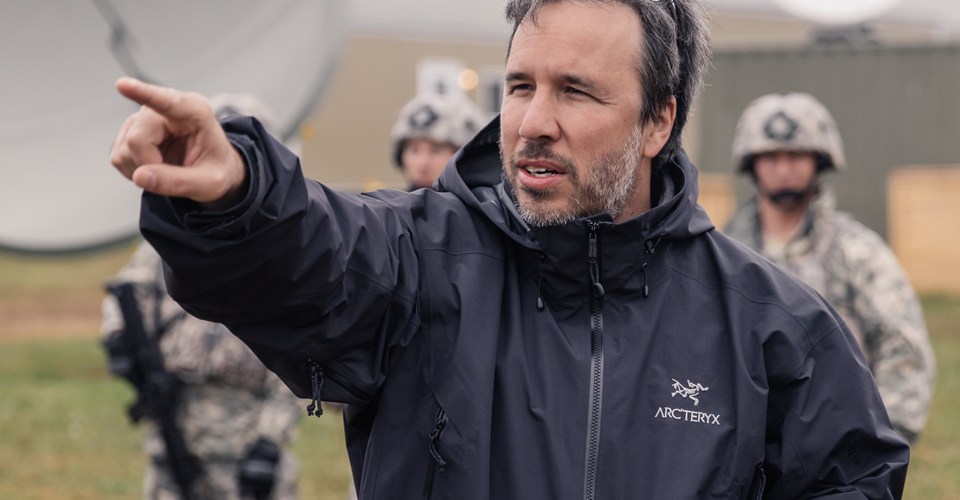
French-Canadian film director Denis Villeneuve exploded onto the big screen in 2010 with Incendies, earning an Academy Award nomination for Best Foreign Language film, putting the filmmaker firmly on the roadmap.
He then made the transition to English-language films with thrillers Prisoners, Enemy and Sicario, all receiving a very positive reception. More recently, Villeneuve has expanded into sci-fi with Arrival earning him a Best Director Oscar nomination, before tackling the behemoths Blade Runner 2049 and Dune.
With the director’s gradual rise in stature, many now compare him with Christopher Nolan for his similarly heady ideas and meticulous attention to detail. With the hotly anticipated Dune: Part Two arriving in cinemas, here is a list of his films ranked worst to best.
Please note this list does not include August 32nd on Earth, Maelström or Polytechnique.
8) Dune: Part Two
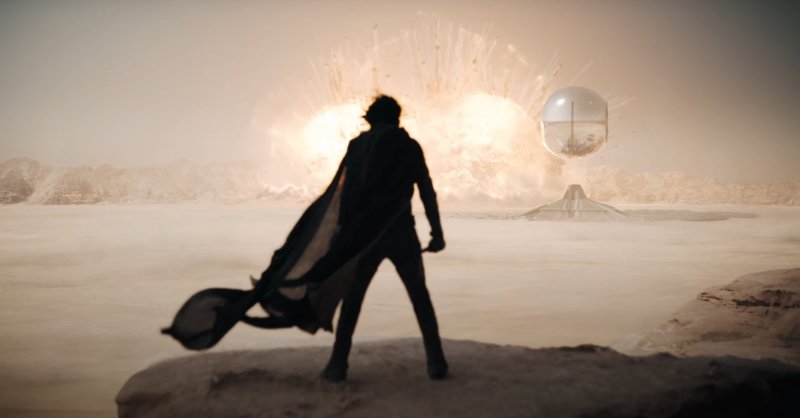
Unfortunately, Villeneuve’s latest is his worst. While there’s no doubting the visual flair on display, Dune: Part Two is a mixed bag and not as strong as its predecessor. What really impressed me with Dune was how Villeneuve was able to maintain a clarity to the narrative, the key downfall of David Lynch’s film who overstuffed the entire book into a 137 minute film. And while that’s still largely the case here, Dune: Part Two runs into all manner of pacing issues. On the one hand, there’s some good world building for the first hour where ultimately not a lot happens. But then, but the film completely rushes through its climax during its last hour. The rushed pacing also comes at the expense of character development. I simply didn’t buy Paul (Timothée Chalamet) and Chani’s (Zendaya) blossoming relationship at the very centre of the film – it simply feels like we’re expected to invest in their relationship with no natural development. I wonder if it’s to do with the fact Eric Roth doesn’t write the script this time around, with Villeneuve himself stepping in to co-write with Jon Spaihts.
It’s a shame Dune: Part Two doesn’t live up to the first film with its odd pacing and lack of character development. But it’s still a fun ride, with some above average elements, such as the black-and-white sequence on the Harkonnen planet, Austin Butler’s performance and some exciting action sequences here and there.
7) Incendies
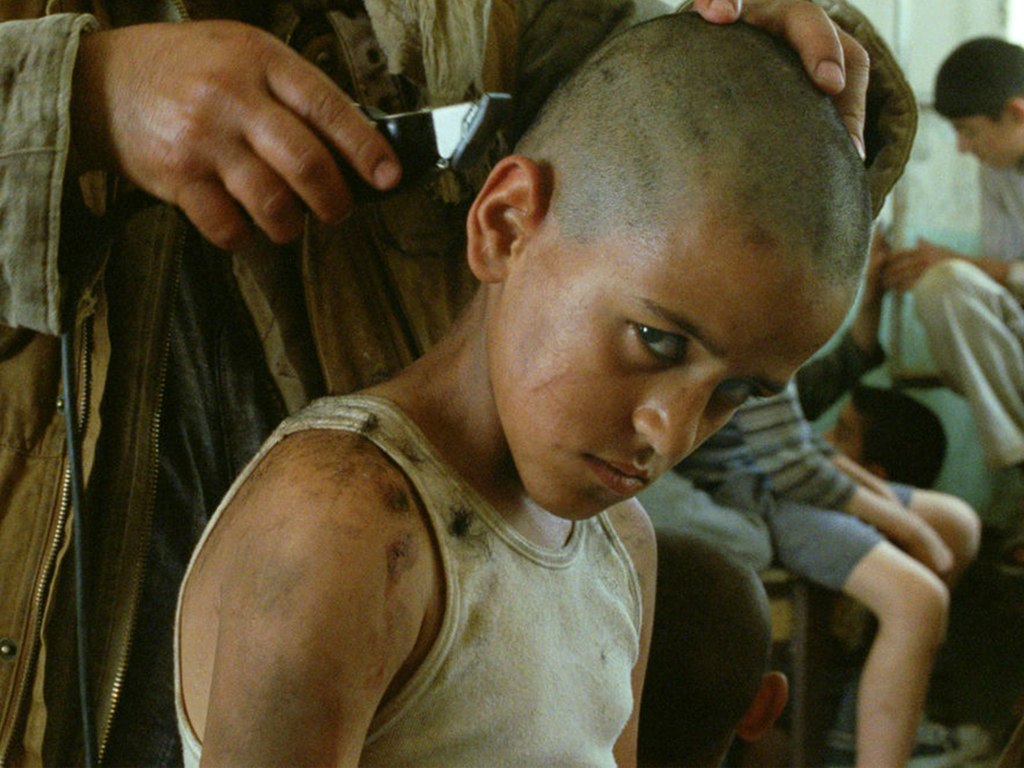
Villeneuve’s highest-profile French-language film earned the director his big break with an Academy Award nomination for Best Foreign Language Film. Incendies follows two Canadian twins who travel to their mother’s native country to uncover her hidden past, with the film heavily influenced by the Lebanese Civil War. Mélissa Désormeaux-Poulin stands out as Jeanne Marwan, the daughter of mother Marwan (Lubna Azabal), who throws herself head first into the investigation, while her short-tempered brother Simon (Maxim Gaudette) wants nothing to do with proceedings. The film is quite unlike Villeneuve’s later works in tone but there’s no denying the powerful cinematography by André Turpin, especially how he captures the unnamed foreign country and its war-torn past. The use of Radiohead’s You and Whose Army in the opening sequence is also masterful. But the plot has its fair share of contrivances that I found problematic, which mean a disturbing twist late into the film doesn’t land quite as effectively as it should.
6) Blade Runner 2049

Blade Runner 2049 is frequently mesmerising to behold on-screen and Villeneuve’s intention towards the project is impressive. Technically, the film is a marvel to behold bolstered by its strong performances. However, it is not quite the victorious slam dunk I expected it to be on the strengths of Villeneuve’s previous works. A lot of this masterful director’s trademarks aren’t immediately apparent in the film due to Villeneuve emulating Ridley Scott’s direction of the first film a little too closely. The film is also overlong and frequently emotionally lacking. Without trying to sound too critical of the film, it is testament to how strongly I regard Villeneuve as a director and the subsequent expectations I had going into this film. Blade Runner 2049 is generally a very strong sequel but like its predecessor, requires time and repeat viewings to further ascertain its quality and lasting impression.
5) Enemy
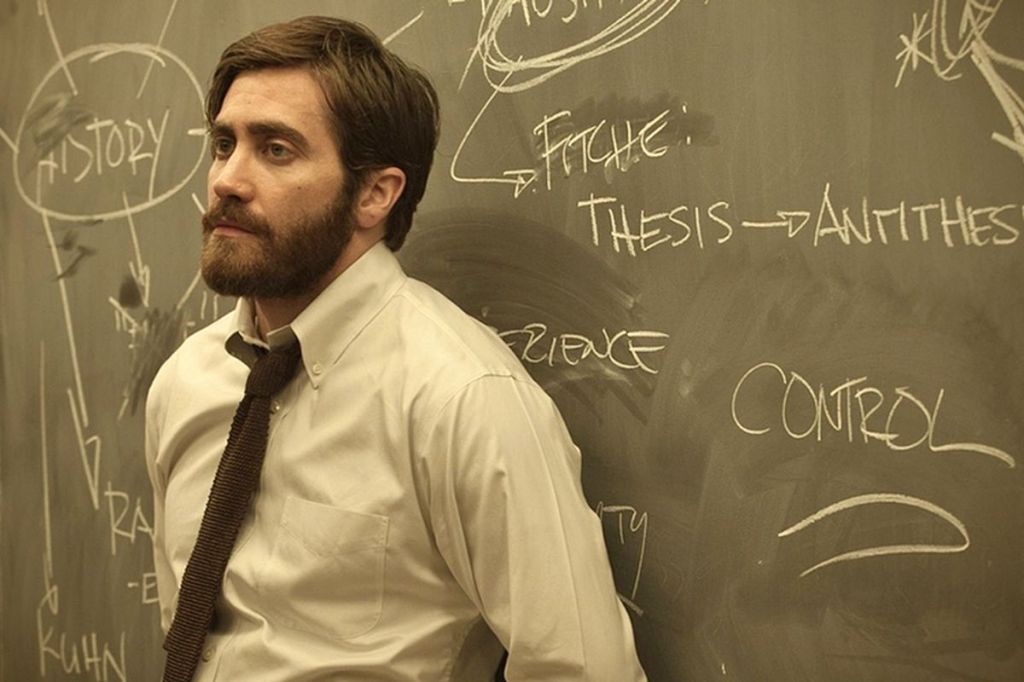
Enemy is an often underlooked work by Villeneuve, who reteams with Jake Gyllenhaal. Clearly inspired by Lynch and Kafka, Enemy is an intense, thoroughly unconventional exploration into the theme of the doppelgänger. It requires multiple rewatches to truly unpack and appreciate its confusing narrative. The ending is jaw-dropping and reframes the film in a different perspective and continues to be debated to this day. The film’s brilliantly paced and doesn’t waste a second of its tight 90 minute run time and it’s vividly shot by Nicolas Bolduc, with an unnerving score by Danny Bensi and Saunder Jurriaans. While Enemy might not be as accessible as some of Villeneuve’s other works, it’s a thoroughly thrilling ride if you can get on board with its heady premise.
4) Dune

As a property, Dune has experienced a particularly hard life in a filmmaker being able to successfully transpose the novel from the page to the screen, Alejandro Jodorowsky dubbing it as ‘unfilmable’ and David Lynch’s 1984 film yielding mixed results. Villeneuve cracks the code though with his adaptation. The decision to split the adaptation into two is an excellent one and the film especially impresses in how it skilfully spins a coherent narrative that is relatively straightforward enough to follow. Villeneuve’s adaptation is particularly cine-literate and the world-building is remarkable. The film is particularly strong in its first act, as it sets the stage for conflict and establishes its sizeable roster of characters. The second and third acts become increasingly action-heavy and build on the spectacle. The performances all-around are excellent, although there are some characters who are short-changed that will have a greater presence in a second film. On that note, it was a courageous decision to film Dune, with the uncertainty of a second film being commissioned to adapt the second half of the story.
3) Arrival
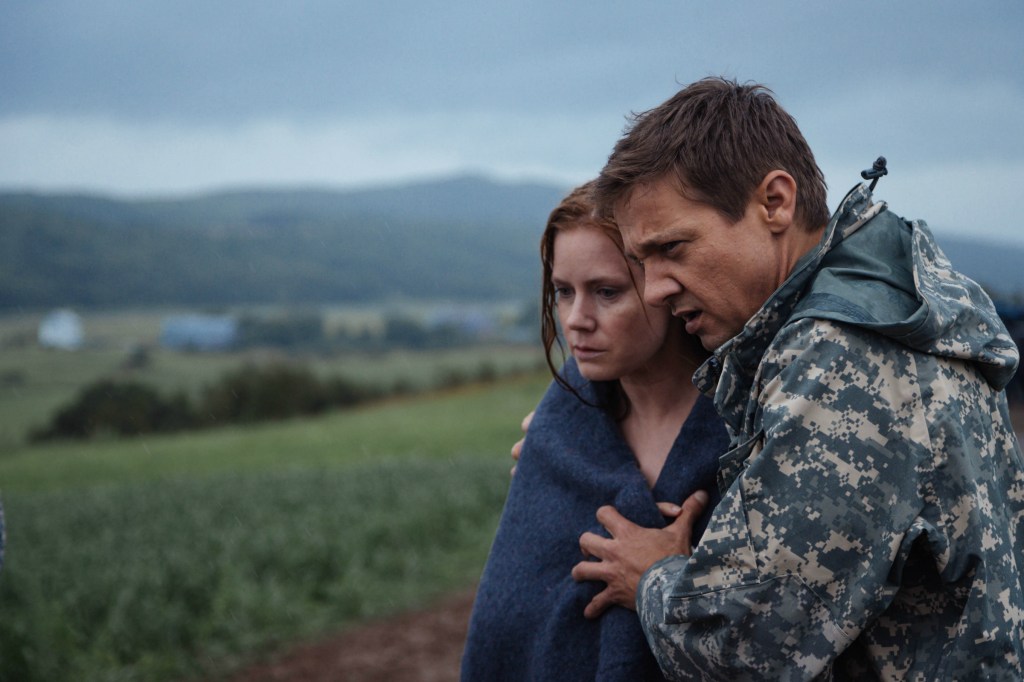
Arrival is masterfully constructed by Villeneuve and its first two thirds is particularly gripping. The performances are strong here too and the film’s beautifully shot by Bradford Young. However, Arrival bites off a bit more than it can chew in its last third and although the film is still very interesting and original, it begins to derail and struggles towards its ending. This is a film that needs to be watched blindly but I felt the film leaves a lot of questions unanswered with some holes to its logic. Like other Villeneuve works, this is a film that warrants multiple rewatches. For a sci-fi, it’s a film that’s very low on action and big set-pieces and is not too dissimilar thematically from films such as Contact or Close Encounters of the Third Kind.
2) Sicario

Sicario is a near-perfect film that features some heart pounding action sequences and excellent performances, most notably from Benicio Del Toro who delivers a career-best performance as the enigmatic Alejandro. Villeneuve’s direction is superb and he has created a very gloomy, dark film that is extremely intense. The film’s brilliantly shot by Roger Deakins and there’s a sensational score by Jóhann Jóhannsson, which is extremely moody and memorable. I also highly recommend its sequel, Sicario 2: Soldado, if you get on with this, although Villeneuve didn’t return in the director’s chair.
And the best Denis Villeneuve film is…
1) Prisoners
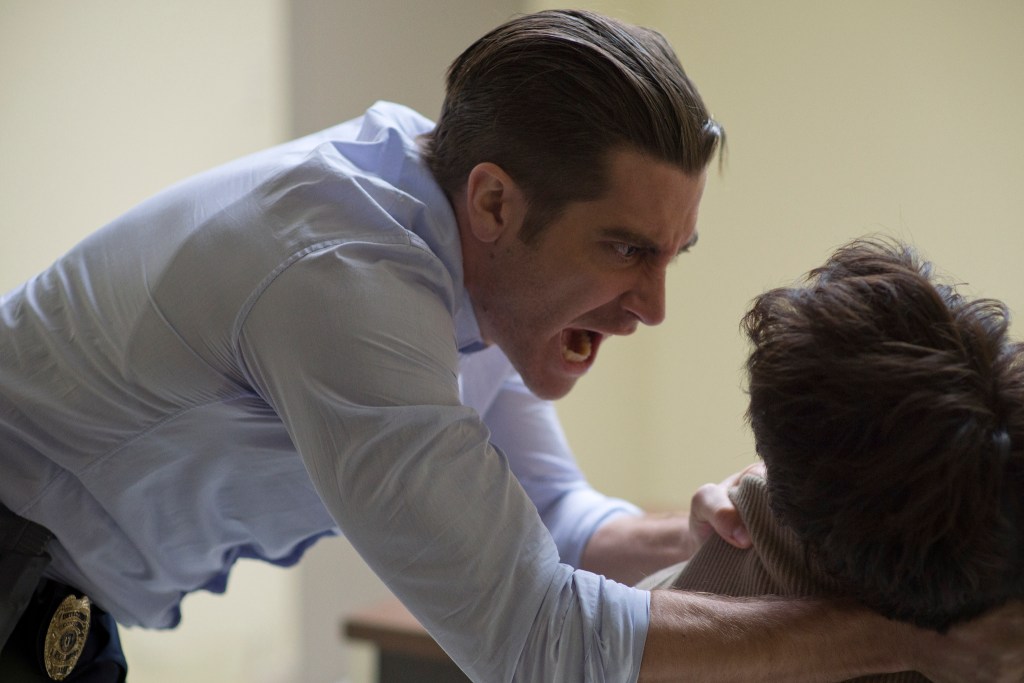
Prisoners is not just my favourite Villeneuve film, but also one of my favourite films of all time – it is a masterpiece and had such a profound effect on me when I first viewed it on release in 2013. Villeneuve’s English-language debut is a harrowing, dark account of the kidnapping of a young girl and the subsequent investigation that ensues. Hugh Jackman plays the father, Keller Dover, whose multi-layered, fragmented character goes to extreme lengths to protect his family and uncover the identity of the kidnapper. This perfect film also features a brilliant score by Jóhann Jóhannsson which is endlessly haunting and is stunningly shot by Roger Deakins, who earned an Oscar nomination for his work. For Jackman’s sake, he’s overshadowed slightly by Jake Gyllenhaal, who also puts in a career-best performance as Detective Loki. I’d love for Villeneuve to return to smaller-budget thriller fare because the results speak for themselves.
What are your thoughts? Let me know in the comments or tweet @TheFilmMeister


3 thoughts on “Denis Villeneuve Films Ranked From Worst To Best”