Compared to 2020 where cinema was in a state of paralysis, 2021 represented a year where the film industry got back on track. Make no mistake, the coronavirus pandemic still affected film releases and the first quarter of the year got off to a shaky start with many films continuing to head to streaming. Streaming has continued to rise in popularity, with Amazon and Netflix the dominant players and Disney+ and Apple TV+ not trailing too far behind.
Having had the chance to sample much of what 2021 had to offer, I now feel ready to share my best films of the year. I know that I am late in the game but there were quite a few films I didn’t get to watch in time and felt that it would be a disservice to generate a list that wasn’t truly reflective of the year.
Generally, 2021 was a sound year for film and although the quality wasn’t as high as 2019, there were still some barnstorming works of art released for all to savour. The second half of the year really picked up as the mid-year list didn’t represent a particularly strong start to the year.
Here I rank numbers 25 to 11. The Top Ten will be detailed in a separate post so stay tuned for that.
Note
I am following the UK release date calendar from January 1st to December 31st hence why a lot of the Awards films do not feature here and why there are some from what may seem like are from 2020.
25) Dune
The long-awaited adaptation of Frank Herbert’s novel following David Lynch’s flawed take, Denis Villeneuve gets a lot right choosing wisely to only adapt the first half of the labyrinthyne story. Dune especially impresses in how it skilfully spins a coherent narrative that is relatively straightforward enough to follow. It’s certainly not a requirement to have prior knowledge of the material before watching this.
Villeneuve’s adaptation is particularly cine-literate and the world-building is remarkable. He beautifully captures the arid and nomadic conditions of Arrakis and juxtaposes this with the water-rich yet isolated imagery of Caladan and the black nightmare of the House of Harkonnen. Dune is a visual spectacle and Villeneuve’s anger towards the film receiving a simultaneous streaming release in certain territories is justified.
The film is particularly strong in its first act, as it sets the stage for conflict and establishes its sizeable roster of characters. The second and third acts become increasingly action-heavy and build on the spectacle. The performances all-around are excellent, although there are some characters who are short-changed that will have a greater presence in a second film. As well as Timothee Chalamet who makes a seamless transition from smaller fare to this behemoth of a project, Stellan Skarsgård is the standout as the levitating and grotesque antagonist Vladimir Harkonnen, who is used sparingly and is brought to life through visual effects.
Dune yet again cements Villeneuve as one of the key directors of our times and I hope the second part lives up to this chapter.
24) Reminiscence
Reminiscence is the feature film debut from Lisa Joy, one of the creators of hit Western sci-fi television series, Westworld. Unfortunately, the film was maligned on release but I found it to be is a thoughtful and satisfying neo-noir sci-fi that tells an engaging story, even if some of its story beats are clearly indebted to other film noir. This is partly intentional in that the very act of reliving one’s memories is to experience nostalgia. The film feels like a melding of Chinatown and Blade Runner with some of the beginnings of the ambitions of scale on display in Inception. Joy tackles some heady themes such as how we use and abuse our past and forget to live in the moment, as well as the obvious critical commentary on climate change and the rich-poor divide.
Hugh Jackman gives a typically committed performance, proving his continued versatility across genres. Technically, Reminiscence is very competent and Paul Cameron’s cinematography beautifully captures the intricacies of the sinking city and the seedy goings on when its citizens are alive at night, under the protection of the dark. Lisa Joy’s direction is to be admired with her high-concept and there are a couple of excellent action sequences that are sparse but interspersed in the story. A scene in a bar with a tank full of eels feels like a microcosm of the Western sci-fi fusion of Westworld and there is a kinetic rooftop chase sequence. Joy reunites with Westworld composer Ramin Djawadi, who provides an exciting, predominantly guitar-based score.
Reminiscence is a lot better than expected and is a well-realised concept that is a rewrite or two away from being something really impactful. I’m very glad it exists as films like this don’t really get made anymore, especially with a unique female vision.
23) Last Night In Soho
Last Night In Soho is another sharp and entertaining piece from The Cornetto Trilogy and Baby Driver director Edgar Wright. It is meticulously crafted and is bursting with nostalgic nods to various 1960s iconography. Wright is clearly in love with the era, from the period correct posters of Thunderball to the decor in the sleazy but dazzling clubs of Soho that lead character Sandie (Thomasin McKenzie) finds herself in. In many ways, this feels like Wright’s most personal film. There are some good twists in the plot that keep the story fresh and the last act takes the story in an interesting and satisfying direction. The film is interestingly a Giallo horror with its macabre murder mystery, hallucinatory quality and visual aesthetic.
Not everything works in the film. The contrast between the 1960s and the present day can be quite jarring in its tonal shifts and the mirroring between Eloise and Sandie isn’t always coherent in how Eloise experiences Sandie in her dream-like state. When the film leans into its horror elements more in the second half, it doesn’t always work as the ghosts that Eloise experiences aren’t particularly well realised visually and Wright doesn’t attempt to build tension or even try to scare audiences – the lucid hauntings and gore are meant to be what is frightening rather than what isn’t portrayed on-screen.
Although uneven, there is a lot to admire in Last Night In Soho and it wildly succeeds in its story and the warmth that it brings to the 1960s of Wright’s vision. This is a really solid film to add to Wright’s back catalogue, even if it represents a departure from his comedic works.
22) Eternals
The first Marvel Cinematic Universe film entry to receive mixed reviews, I found Eternals to represent a refreshing change of pace for the Marvel Cinematic Universe and Nomadland Oscar-winner Chloe Zhao lends an intimate and delicate hand to the material. The complex cosmic narrative is well-handled and each of the ten Eternals is well introduced and possess identifiable character traits, no mean feat when you’re juggling . The relationship between them all is admirably tackled, which is no mean feat as there is always a high risk of sidelining characters, especially when you have ten personalities to juggle.
What allows Eternals to succeed (and perhaps why the film has received a decidedly mixed critical reception) is that it distances itself away from the wider Marvel Cinematic Universe formula and tone. This is a key problem with many entries, which silences the director’s vision and some of the films fall into the trap as feeling they are directed by committee. Other than some moments of light humour which are characteristic of most entries, Eternals boasts a heavier weight in that it asks some difficult questions of its characters and portrays them as god-like, reminiscent of Zack Snyder’s treatment in his DCEU entries Batman v Superman: Dawn of Justice and the director’s cut of Justice League. The film’s at its best in its quieter moments when characters weigh up some tough decisions.
21) The Power Of The Dog
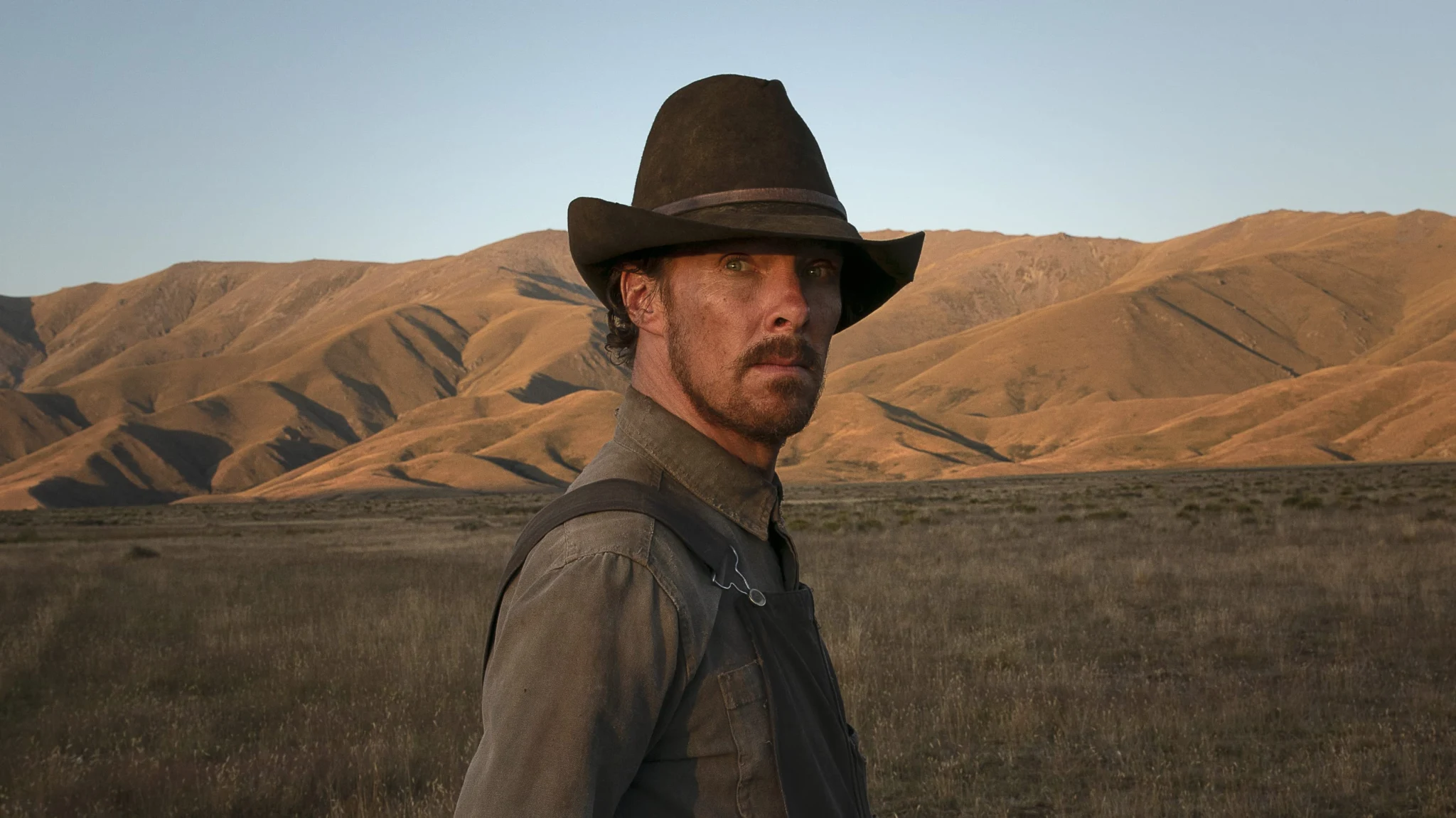
The Power Of The Dog is an atmospheric, slow-burning yet fascinating character study from revered director Jane Campion. It features some brilliant performances, Benedict Cumberbatch gives possibly a career-best performance as Phil, a man with a masculine crisis. He conveys the seething and bullish nature of the character perfectly, going to great depths with his method acting by chain smoking to the point of nicotine poisoning and refusing to bathe and interact with Kirsten Dunst. A scene mid-way in the film where Rose is practicing the piano for a later dinner is particularly chilling as she struggles to perform the piece and Phil cruelly plays it faultlessly on his banjo out of sight. This is a masterful performance and one of the best of the year.
The Power Of The Dog is an enigmatic experience with powerhouse performances. It is deserving of its praise and the unexpected fierce ending creeps up on you. Although the film is slow in its pacing, the ending asks the audience to reconsider what you have witnessed and you’ll want to watch it again to piece the character motivations, where it is a richer and more multi-layered experience.
20) House of Gucci
The first of two Ridley Scott directed entries in 2021, House of Gucci is a solid biopic and succeeds mainly on its performances and its gripping story. It is rather scattershot narratively in that it covers a lot of ground in a reasonably long run time but the film never really feels like it has a chance to breathe as it tries to cover too much. Scott also doesn’t quite master the balance between camp and serious and the film uneasily oscillates between the two tones.
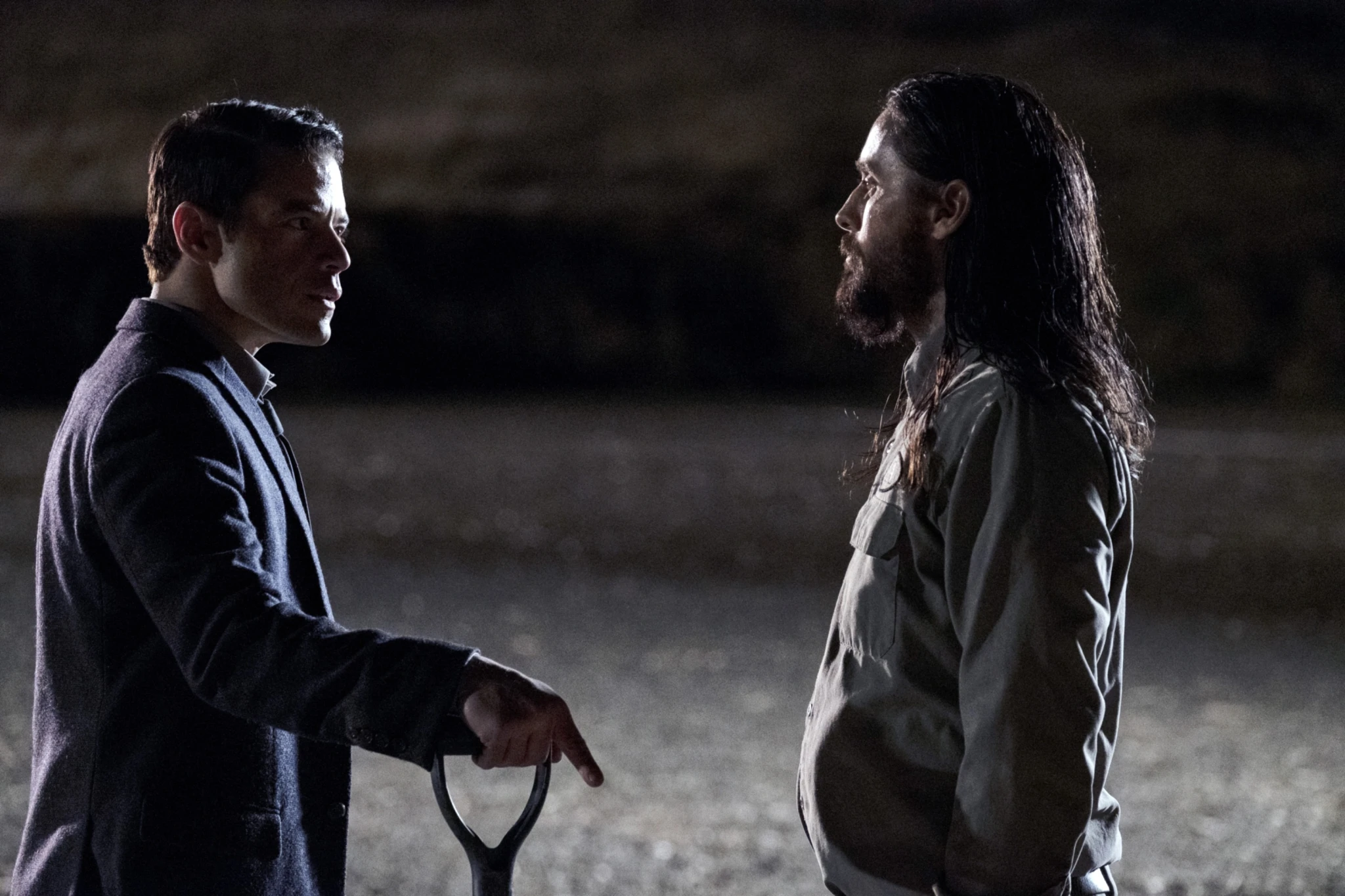
The characters are gleefully horrible and this is a sprawling exploration of the timeline. Lady Gaga is deserving of her praise in the lead role, a tempestuous character who descends further into delirium. It is impressive that this is her second major feature film role after A Star Is Born and she more than fends her own against the experienced cast. Adam Driver is also excellent as the more level-headed yet savvy Maurizio and provides an interesting contrast to Gaga in his more sober performance. Al Pacino is typically passionate as Maurizio’s Uncle, Aldo and Jeremy Irons is chilling as the decadent yet increasingly vampiric Rodolfo. Then, there is Jared Leto, who has received a mixed reaction to his performance, some labelling it as Awards worthy and others citing he is acting in a different film. I would position my opinion somewhere in the middle – he tries to do something different but isn’t too outlandish and the performance worked for me. There is one particular scene between Leto and Pacino and for Leto to outshine Pacino when he is in full-Pacino mode is no mean feat.
19) Antebellum
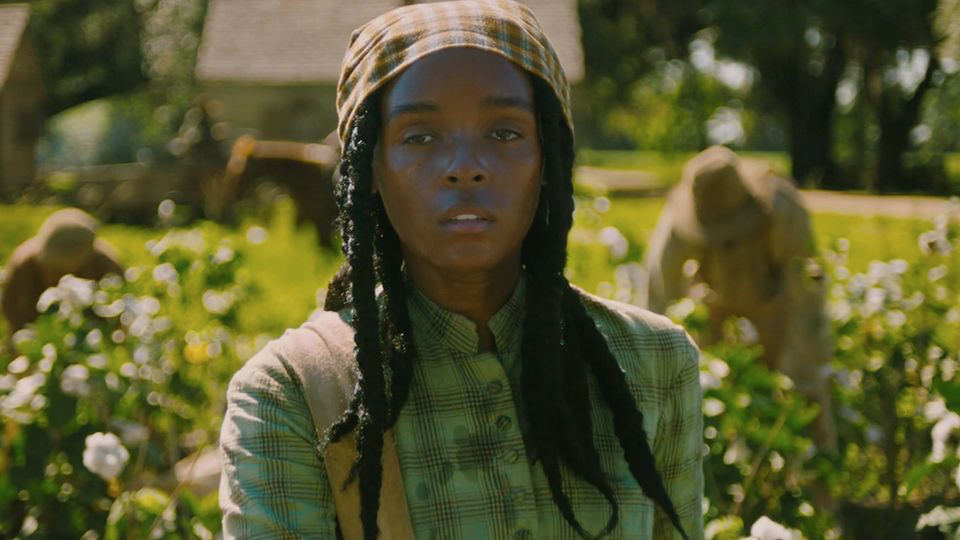
Antebellum is a really interesting debut from directors Gerard Bush and Christopher Renz and I’m very glad it exists, particularly in the context of a ‘Make America Great Again’ society. Positioned as a female-centered nervous mix of The Twilight Zone and 12 Years A Slave with more than a heavy dose of M. Night Shyamalan infused in the mix, Antebellum follows Janelle Monae’s Eden, who is a slave on a plantation in what appears to be Civil War-era America. About forty minutes in, she wakes up as renowned sociologist Dr Veronica Henley and audiences are drawn to the parallels between both narratives and how they might be connected. The first and third acts are particularly riveting even if the film sags in the middle, where there are some overly preachy speeches and a misjudged character played by the normally reliable Gabourey Sidibe. The plantation sequences are particularly uncomfortable to watch for a film of this genre and the cinematography by Pedro Luque and menacing string-based score are stunning.
It’s a shame that the reception to this film has been fairly negative, with many finding the film to be exploitative, its twist not justifying the brutal violence and that its violence is torture porn. I would strongly disagree and would argue that the sadistic violence assists in creating a stronger verisimilitude. I can’t wait to see what Bush and Renz go onto make next and hope that they continue to take risks and are not deterred from the negative critical response.
18) Shang-Chi and the Legend of the Ten Rings
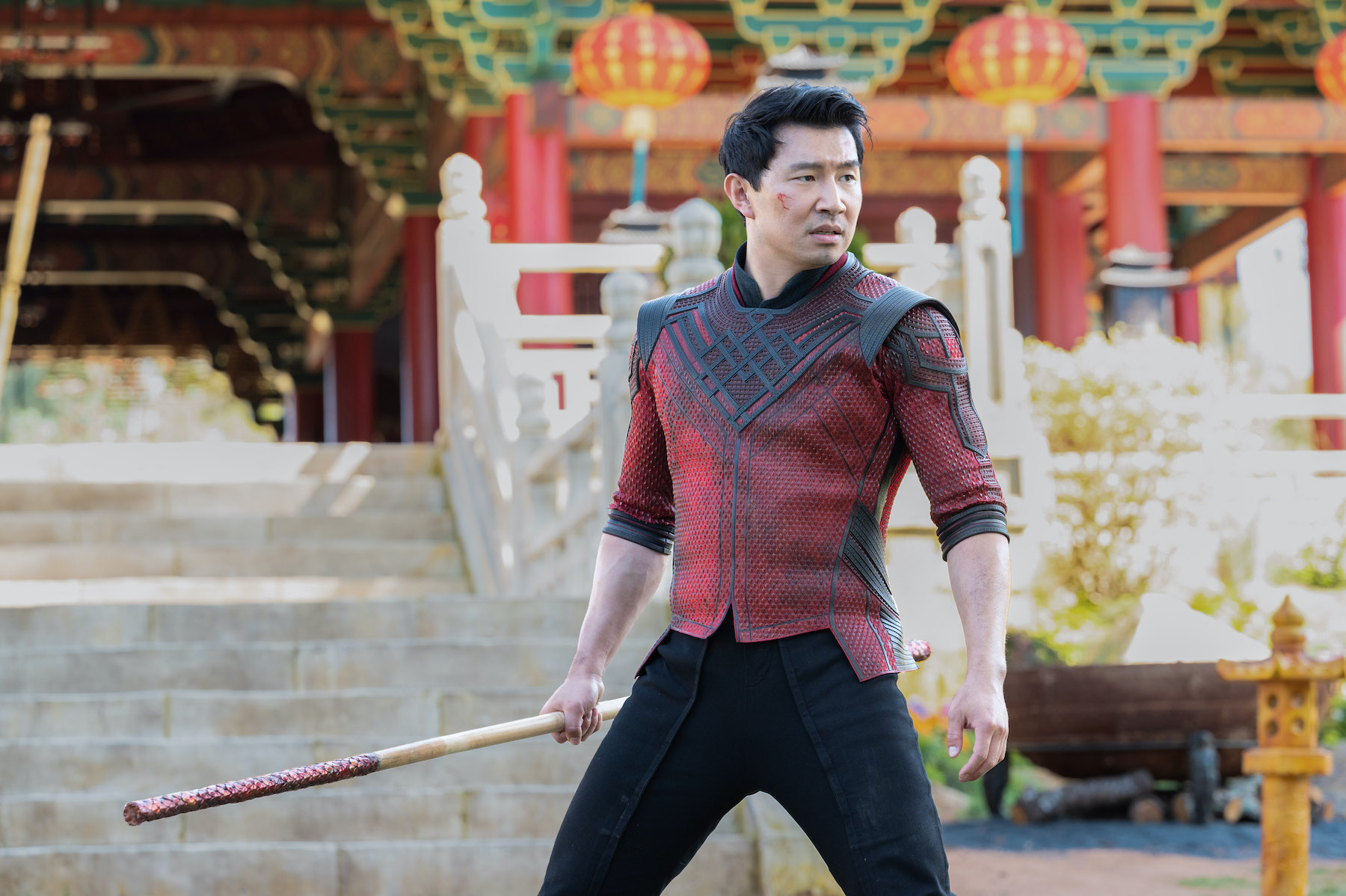
Another Marvel Cinematic Universe entry, other than a wonky beginning, Shang-Chi and the Legend of the Ten Rings is upper-tier superhero fare. It follows the Marvel formula but its emotional warmth and martial arts sequences make it stand out from the crowd. There is a great set up of Shang-Chi’s family, which plays an important dynamic in the film. Shang-Chi boasts some innovative set pieces, fusing and updating the wuxia and kung-fu genres with modern visual effects. The first action sequence on the bus and another early sequence set in Xialing’s fight club are particular highlights with their kinetic energy. The tone of the film feels like a melding of Crouching Tiger, Hidden Dragon and The Chronicles of Narnia with the mystical worlds that Cretton creates. Some of the sheen is lost in the final act of the film as Cretton succumbs to a big CGI battle, which is customary for comic-book films and is often their downfall as the investment is lost in the characters. However, the final CGI spectacle doesn’t derail the film as it is not overlong and there is a purpose in the narrative but it would have been far more exciting if Cretton had tried to deviate from convention.
17) The Last Duel
The Last Duel has a lot of positive aspects, in particular the fascinating and ambitious narrative concept of its Rashomon structure. We witness the same events from different perspectives and audience allegiances are challenged when we see conflicting accounts. The first two perspectives from the duellists are where the film is best, as they directly compliment each other. I found it particularly intelligent how Matt Damon’s performance changes between his account, where he presents himself as a stable and patriotic individual to Le Gris’ perspective of him where he is an embarrassing and oafish presence. The final perspective from Marguerite is also insightful in that women are regarded solely for transactional purposes. It’s interesting that many viewers have cited her telling as the ultimate truth but I think it is far more nuanced in that we don’t witness certain scenes of the film that the first two chapters highlight, invoking that even she isn’t as innocent as she presents herself. The culminating duel is fantastically realised by Scott and is an intense and bloody spectacle that ranks as one of his best set pieces.
16) The Conjuring: The Devil Made Me Do It
The Conjuring: The Devil Made Me Do It represents a welcome change of direction compared to the first two films in that it delves from the haunted house formula and is more of a police procedural crime thriller. The story the film is based on is riveting, even if some creative liberties have been taken with it for it to fit the horror genre. The performances are all excellent, Vera Farmiga and Patrick Wilson as the Warren’s again are the centrepiece of the franchise and the film expands and revolves around their strong relationship. Director James Wan is not behind the camera this time around and the film is directed by Michael Chaves, who directed a previous entry, The Curse Of La Llorona. Chaves’ direction attempts to ape Wan’s from the use of title cards and a prologue sequence at the beginning to the general tone of the film. However, when it comes to the horror aspect of the film, Chaves just does not craft the scares in as sophisticated a fashion as Wan. I was riveted from start to finish but there is always the question of what if this film had been directed by James Wan and I think if had, the result here would have been extraordinary. If the film doubled down on its scares or chose to eliminate them completely and spent longer developing its characters and establishing the stakes, this could have been a masterpiece.
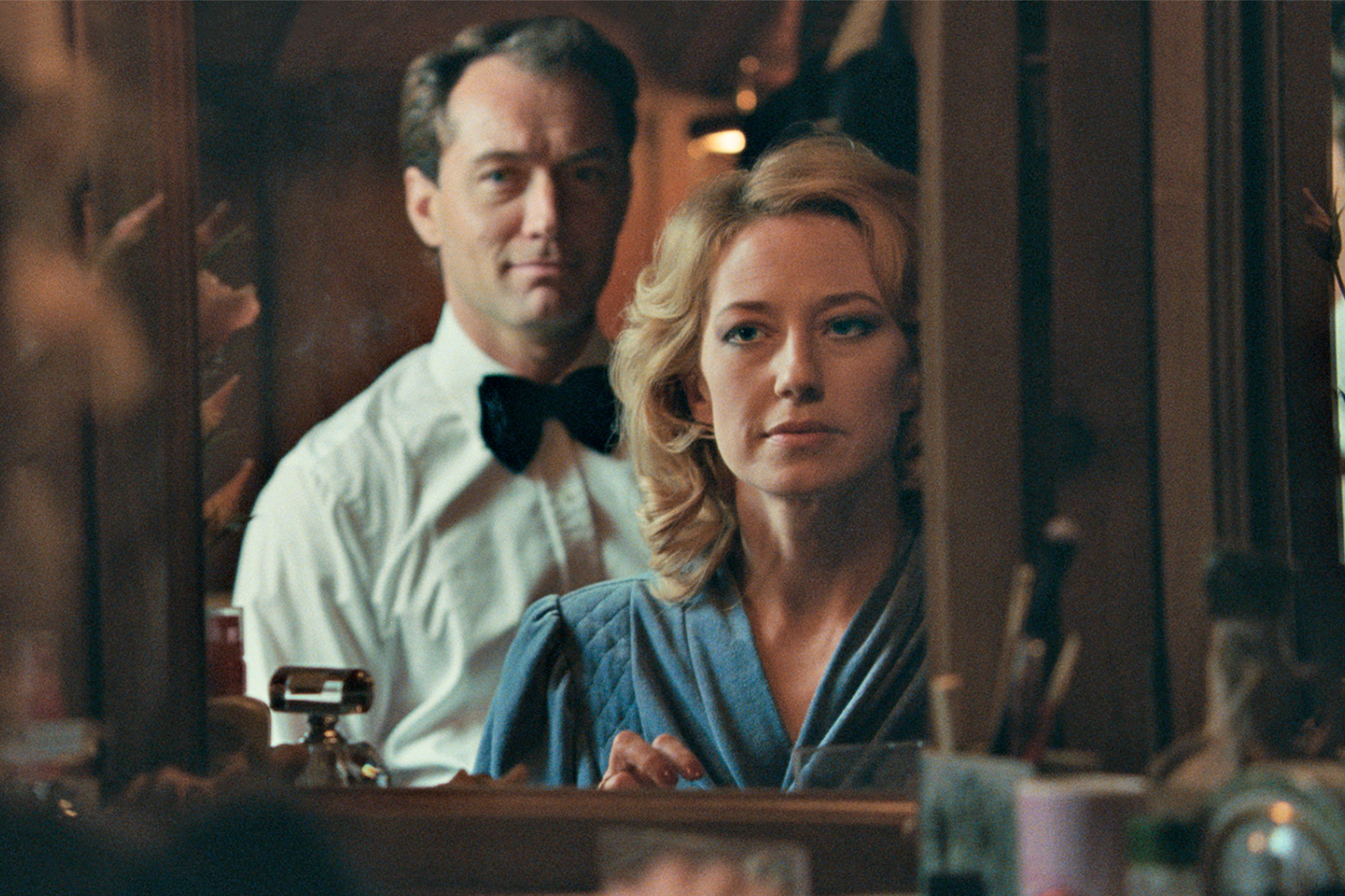
15) The Nest
The Nest is director Sean Durkin’s second film, whose delicate and poignant debut thriller Martha Marcy May Marlene featured Elizabeth Olsen in her breakout role – it’s well worth checking out. This sophomore effort is centred around a family of four in the mid-1980s America who relocate to the UK. The Nest is a riveting character study and features powerhouse performances from Jude Law and Carrie Coon. Durkin excels in creating an eery atmosphere of constant unease with a hint of supernatural horror, bolstered by Son of Saul’s Mátyás Erdély’s frenetic yet dreamy cinematography. The Nest is an absorbing and intelligent character study.
14) CODA
CODA is directed by Sian Heder and is an English-language remake of the 2014 French-Belgian film, La Famille Bélier. The film follows Ruby Rossi (Emilia Jones), a teenager in her final year of high school who isn’t sure what the future holds for her. She is the titular CODA (child of deaf adults) and the only hearing member of her family as her brother, Leo (Daniel Durant) is also deaf. Ruby effectively has the unenviable task of acting as the family interpreter, given her fluency in American Sign Language. The family run a struggling fishing business, which Ruby is expected to help in full-time once she has completed her studies. However, Ruby has aspirations to be a singer but struggles to express her passion in her music class, due to a history of bullying having spoken differently as a child.
CODA is an effortlessly heart-warming coming-of-age drama that is elevated by some brilliant performances. Emilia Jones steals the film with a sensational central performance as Ruby, an endlessly relatable teenager who struggles to fully fit in with her peers. She is between a rock and a hard place with her family as they are over-reliant on her help, to the detriment of her own wellbeing and life. This is, without a doubt, one of the best performances of the year. Generally, the film is paced perfectly and there are many sequences that are impossible to watch without anything other than a beam on your face. This is a crowd-pleasing film that intimately explores the deaf experience and its hearing protagonist’s young adult experience is endlessly relatable and touching.
13) Malignant
Malignant is a welcome and wholly original return to the horror genre for director James Wan. Wan has had an impressive career to date, establishing himself as a top-tier horror director, launching three very different but highly successful franchises – Saw, Insidious and The Conjuring. He has since turned to bigger budget mainstream fare such as Furious 7 and Aquaman. It is always a promising sign when a director chooses to revisit their roots and tackle a lower budget original concept. Malignant has been marketed very much in the same vein as a supernatural horror film, more in line with Insidious and The Conjuring, but the result is very much not.
Like Last Night In Soho, Malignant is Wan’s interpretation of a Giallo horror and this is a fascinating film that embraces a camp tone. It is an ambitious risk for the director and the story takes unexpected turns. The first act seems fairly generic on the surface, in the vein of Insidious, although Wan does establish an unsettling atmosphere. The film then morphs into a David Fincher-esque serial killer mystery, where it is at its best. A chase scene between the police and the assailant mid-way through is kinetic and heart-pounding. Its last half an hour or so is outrageous with a bonkers plot twist and is a cacophony of gleeful gore, body horror and John Wick-like ultraviolence, with a hint of Sam Raimi camp.
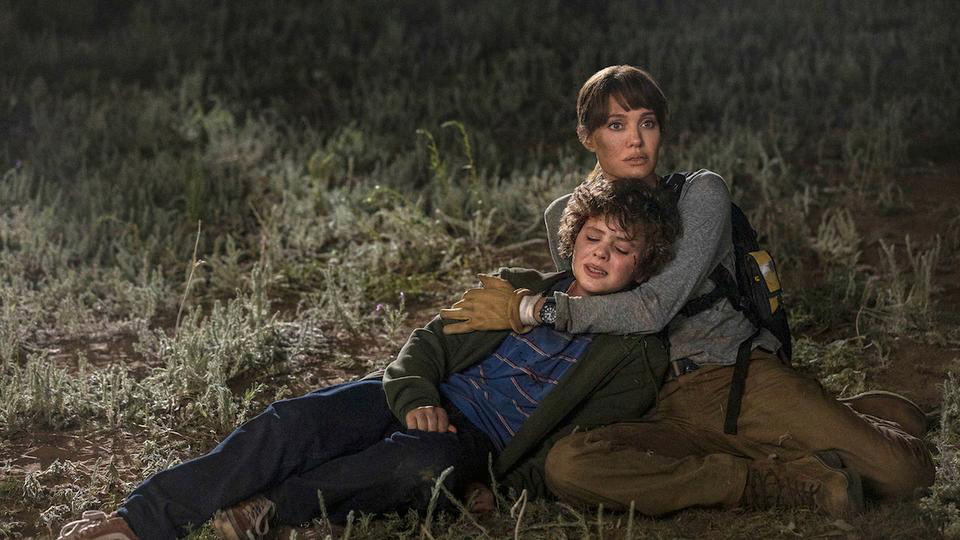
12) Those Who Wish Me Dead
Those Who Wish Me Dead is the latest from writer-director Taylor Sheridan and in keeping with his back catalogue, is another film that explores the modern American frontier. It is yet another original and commanding effort from Taylor Sheridan. It is frequently thrilling and as is customary for the writer-director, there are some interesting twists narratively and in its portrayal of gender. The way in which Sheridan introduces the characters allow the audience to be two steps ahead of them, which is thrilling as we can predict how they will likely act when all the pieces fall together later in the film. Sheridan is again able to extract some excellent performances from the cast. Angelina Jolie makes for a commanding screen presence, haunted by what she feels is her mistake, and this is a solid project for her to pick in her acting comeback. Gillen and Hoult make for an unstoppable reckoning as the assassins.
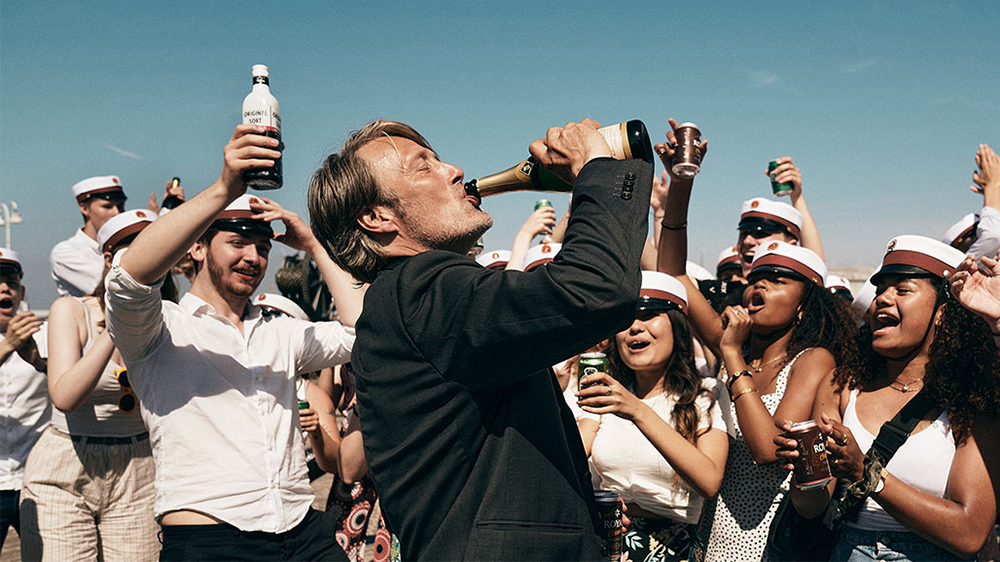
11) Another Round
Another Round is a high concept tragicomedy from director Thomas Vinterberg who re-teams with the ever-versatile Mads Mikkelsen. Mikkelsen plays Martin, a jaded and uninspired History teacher who is struggling to enthuse his students and has a stale relationship with his wife and kids at home. These qualities are shared by three of his close friends who also teach in the same school – sports teacher Tommy (Thomas Bo Larsen), music teacher Peter (Lars Ranthe) and psychology teacher Nikolaj (Magnus Millang). When they meet up to celebrate Nikolaj’s 40th birthday in an up-market restaurant, they get very drunk. One of them brings up the subject of a theory by Norwegian psychologist Finn Skårderud who opined that humanity performs best when they have a blood alcohol content of 0.05%. Martin decides to put this theory to the test one day whilst teaching and he finds that he has a much closer relationship with his pupils. The rest of the group decide to join in and they all have similarly positive results. They start to record their results in an academic journal that they curate and as the film progresses, they slowly up the alcohol level to explore the effects. Perhaps unsurprisingly, they discover that the benefits start to stagnate the more they drink and they eventually reach the road of self-destruction, with both comedic and devastating consequences.
Another Round is often infectiously humorous and the relationship between the four teachers is developed very authentically and they have fantastic chemistry. The film is equally depressing at times when we witness the dire consequences alcohol can have on these teachers. The first two thirds of the film is particularly beautifully crafted but it loses its footing in the final third somewhat. The final act negates the message of the first two acts and Vinterberg seems to be unsure in his argument of whether alcohol has a positive or negative influence.
So there we go, numbers 20 down to 11. Stay tuned for the Top Ten in a separate post…
What are your thoughts? Let me know in the comments or tweet @TheFilmMeister