Director: Tom Gormican Starring: Paul Rudd, Jack Black, Steve Zahn, Thandiwe Newton, Daniela Melchior, Selton Mello Certificate: 12A Run Time: 99 mins
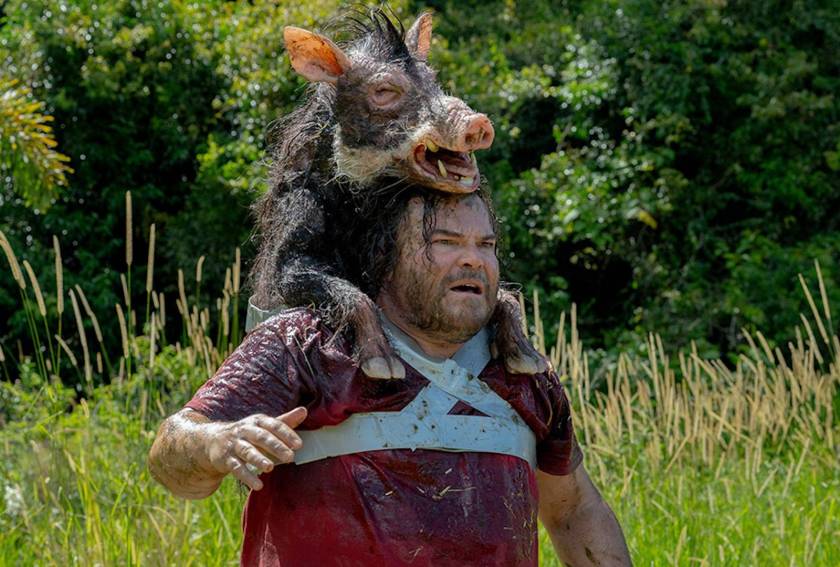
Anaconda is an action comedy meta reboot of the 1997 film starring Paul Rudd and Jack Black as Ronald and Doug, two childhood filmmaker friends who try to remake the original monster horror. The duo have fallen on hard times in recent years, with Ronald an extra who craves a leading role and Doug a wedding videographer who kids himself as having a “B, maybe B+” career. When Ronald claims to have secured the rights to remake Anaconda, he convinces Doug and friends Kenny (Steve Zahn) and Claire (Thandiwe Newton) to travel to the Amazon Rainforest in Brazil to realise their dreams. The film’s directed by Tom Gormican, who made the similarly self-aware The Unbearable Weight of Massive Talent starring Nicolas Cage as a fictionalized version of himself, which I found very muddled.
While this meta reboot of Anaconda has an excellent concept that could have freshly reinvigorated the series, it’s sadly a big disappointment. It’s not terrible – I laughed twice and snickered three or four times, but it’s nowhere near as good as it should be considering the talent involved. The script by Gormican and Kevin Etten is terrible, and while Rudd and Black (particularly the latter) deliver energetic performances, there’s no getting past the poor writing.
The film struggles to settle on a tone and isn’t funny, playful or scary enough. There’s no getting away from the fact the original Anaconda is an incredibly cheesy film, but the idea of having a self-aware meta-sequel is interesting because it could have playfully mocked it while offering thematic depth and terrifying thrills. Instead, what we’ve got is a film with long stretches between laughs, and it fails on the horror front too. The watered-down 12A rating is a mistake – the film would have really benefited catering to a more adult audience where you’d get some gruesome kills and raunchier jokes. The dreadful visual effects also really hinder the film’s verisimilitude and are frankly unforgivable in 2025.
While Jack Black is undoubtedly the highlight, Paul Rudd struggles with a poorly written character despite putting his all in. Thandiwe Newton’s Claire has zero substance and Steve Zahn has to resort to drug or toilet humour, which is a shame considering how talented an actor he is. The Suicide Squad‘s Daniela Melchior is completely wasted as Ana, a woman who claims to be going after illegal gold miners in a needless subplot and while it’s nice to see Selton Mello after his outstanding turn in I’m Still Here, he too is wasted as a poorly written snake handler.
It’s a real shame Anaconda isn’t the slam-dunk it could have been, considering the excellent concept and star-studded cast. While the result isn’t offensively bad, it’s nowhere near the standard it should be and the chief culprit is the shonky script that misjudges what the film’s tone should be. Anaconda could have been excellent if it had first-rate jokes while embracing the horror of such a deadly creature, but what we’ve got is a watered down, underpar and overly cynical, corporate-feeling film that’s designed for a mass audience.
Director: Josh Safdie Starring: Timothee Chalamet, Gwyneth Paltrow, Odessa A’zion, Kevin O’Leary, Tyler Okonma, Abel Ferrara, Fran Drescher Certificate: 15 Run Time: 150 mins
Marty Supreme is Josh Safdie’s first film as a solo director since 2008, after his many collaborations with his brother Benny. This sports drama is loosely inspired by the life and career of American table tennis player Marty Reisman, and stars Timothée Chalamet as Marty Mauser, an aspiring and ambitious table tennis champion. It’s a film Safdie has been wanting to make for a while, with Chalamet cast all the way back in 2018, the actor practicing the sport ever since. It’s also interesting that like his brother, Josh Safdie has also made a sports drama since the duo announced they would be pursuing solo careers. Benny Safdie recently directed The Smashing Machine, which received a fairly muted reception but I really liked it for its exceptional Dwayne Johnson performance, fascinating character development and focus on defying typical biopic conventions.
Marty Supreme is a brilliant sports drama with a terrific Timothée Chalamet central performance and tension-filled atmosphere. It reminded me heavily of Uncut Gems, the last film the Safdies directed together, in how it sustains a palpable tension throughout with Marty continually digging himself into more desperate situations. That Josh Safdie has been able to make such a gripping film out of what may seem like a low-stakes sport is a commendable achievement.
Timothée Chalamet is endlessly charismatic as the ambitious table tennis star and it’s impressive how much we care for someone who is a fairly unlikeable individual. He’s fiercely sharp and crass, doing anything to attract attention and make a name for himself to carve out a career. This is very much Chalamet’s film, with the rest of the cast in fairly small roles, and he’s fully deserving of what I suspect will be a lot of upcoming Awards attention. The film’s paced brilliantly and the 150 minutes fly by, although it takes 20 minutes or so for the film to really grip you under its spell.
Odessa A’zion is another highlight as Rachel Mizler, an equally scuzzy character who Marty has an affair with and Canadian businessman Kevin O’Leary is brilliant as the slimy Milton Rockwell, an influential figure who takes a financial interest in table tennis through Marty. Gwyneth Paltrow plays Rockwell’s retired actress wife, Kay, and while she’s perfectly serviceable, her performance is quite muted. There’s also strong turns from Tyler, the Creator (yes, really!) as a taxi driver and filmmaker Abel Ferrara as a criminal Marty dangerously crosses paths with.
The film is stunningly shot by Darius Khondji, with a seedy aesthetic that faithfully recreates a 1950s feel and there’s a pulsating score by Daniel Lopatin that dominates over the entire film – Khondji and Lopatin both previously worked on Uncut Gems too. I expect both will receive Oscar nominations for their work here, and both would be very deserving.
I had an absolute blast with Marty Supreme, which gripped me throughout and this firmly cements Josh Safdie as a top-tier solo director. It’s a wild thrill ride from start to finish that never lets you take a breather and it’s wince-inducing how characters dig themselves into more desperate situations, but impressive in how you root for a host of unlikeable characters. I can’t wait to rewatch it and this is a film that’s begging to be seen on as big and loud a screen as possible.
Director: Jafar Panahi Starring: Vahid Mobasseri, Mariam Afshari, Ebrahim Azizi, Hadis Pakbaten, Majid Panahi, Mohammad Ali Elyasmehr, Deelnam Najafi, Afssaneh Najmabadi Certificate: 12A Run Time: 104 mins
It Was Just An Accident is the 2025 Palme d’Or winner by Jafar Panahi, an Iranian filmmaker who made the film without official permission from the Iranian authorities after repeatedly criticising their regime in his works and imprisoned several times. The film opens as a man with a prosthetic leg drives his car at night with his wife and daughter. After he accidentally hits and kills a dog, he visits a garage where the mechanic Vahid recognises him from the squeaky sound his prosthetic leg makes as he walks. Vahid kidnaps him, but has final hour doubts when he prepares to bury him alive because he isn’t 100% sure he has the right man. So, Vahid sets about rounding up a group of former Iranian political prisoners to confirm his identity, and there’s fierce debate among them whether it’s right they should take their revenge on the man.
This is a gripping thriller with a bluntly political edge that asks the question – is it morally right to take your revenge on your torturer not just for your own satisfaction but for the greater good of the many others who suffered? For the first half-an-hour where we spend time with the suspected jailer as he tries to get his car fixed, you’re not really sure where the film is going – and there’s a real thrill when Vahid kidnaps him because it comes out of the blue. All of the characters are brilliantly developed and although a totally different setting and story, this film reminded me of Anora in how Vahid is constantly pushed from pillar to post. There’s something almost comical in the lengths the characters need to go to make progress in their revenge quest, even if the reason why they were original imprisoned and tortured is unspeakably bad. Some of the highlights include paying for a bribe via a contactless card reader or having to buy a box of pastries to accompany some cash. Panahi’s script is razor sharp too, with unpredictable hothead Hamid (Mohammad Ali Elyasmehr) getting some brilliant lines and offering multiple perspectives on the situation.
But although Panahi’s film reaches a satisfying conclusion, it’s the last act of the film that doesn’t quite sustain the pace of the first two – I found the film far more profound in its earlier sections. Still, It Was Just An Accident is a thought-provoking and thrilling piece by the courageous filmmaker and is well worth checking out.
Director: Jared Bush & Byron Howard Starring: (voices of) Ginnifer Goodwin, Jason Bateman, Ke Huy Quan, Fortune Feimster, Andy Samberg, David Strathairn, Shakira, Idris Elba, Patrick Warburton, Quinta Brunson, Danny Trejo, Alan Tudyk, Nate Torrence, Don Lake, Bonnie Hunt, Jenny Slate Certificate: PG Run Time: 108 mins
Zootopia 2 is the long-awaited sequel to the excellent 2016 original, which was not only one of my best films of that year but one of Walt Disney Animation Studio’s very best works. Zootopia did a roaring trade at the box office, earning the animation powerhouse over a billion dollars, and the film really worked because it appealed to both children and adults alike, loaded with jokes that would go over younger viewers heads. Disney have carefully taken their time with this sequel, which arrives nine years later and it’s once again directed by Byron Howard – but alongside Jared Bush this time rather than Rich Moore, who left Disney in 2019 for Skydance Animation.
This sequel picks up a week later after the events of the original, with buddy cop duo Judy Hopps (Ginnifer Goodwin) and Nick Wilde (Jason Bateman) on the trail of a reptile after finding a piece of shed snake skin during a smuggling ring raid – no snakes have been seen in the city for years. Things pick up the pace when the duo are framed for a crime they didn’t commit and they have to go on the run.
Zootopia 2 is a real treat and takes everything there is to love about the original and develops it in a very satisfying way. The gags come quick and fast and there are so many small, clever details to find in repeat viewings, but this is balanced with plenty of heart and emotion too. Howard and Bush perfectly balance familiar elements that were the highlights of the original film, with new characters, gags and locations. There’s some fantastic set pieces, ranging from a kinetic opening car chase to a powerfully emotional sequence in a power plant. The film’s also intelligently relevant to current times, such as its depiction of a puppet-like mayor (a stallion hilariously voiced by Patrick Warburton) and the unjust persecution of minority races.
The chemistry between Nick and Judy is brilliant once again, from lots of laughs to be had in them being forced into a therapy session to their relationship being tested time and time again through events with real stakes. There’s some excellent additions to the cast, with Ke Huy Quan a highlight as Gary De’Snake, Patrick Warburton as the aforementioned Mayor and Danny Trejo as a basilisk. It’s all held together by an excellent score by Michael Giacchino, who introduces some memorable new themes.
Zootopia 2 is a brilliant sequel, taking the elements that made Zootopia so memorable and elevating them – after two viewings, I think it’s even better than the original. I can’t wait to see where the world and characters are taken next, and not only is it one of the best films of the year, Zootopia 2 is one of the best animated films of the decade, along with Soul and Wallace and Gromit: Vengeance Most Fowl.
Director: Rian Johnson Starring: Daniel Craig, Josh O’Connor, Glenn Close, Josh Brolin, Mila Kunis, Jeremy Renner, Kerry Washington, Andrew Scott, Cailee Spaeny, Daryl McCormack, Thomas Haden Church Certificate: 12A Run Time: 144 mins
Wake Up Dead Man is the latest in Rian Johnson’s prosperous Knives Outseries centred around Daniel Craig’s Southern private detective Benoit Blanc. While the first two films are undeniably original and full of the auteur director’s style, I wasn’t hot on either of them – the first film ran out of steam in the second half and I found Glass Onion‘s tone too boisterous. This third outing is set in a rural parish in upstate New York, and follows Jud Duplenticy (Josh O’Connor), a former boxer turned Catholic priest who gets reassigned after punching a deacon. Monsignor Jefferson Wicks (Josh Brolin) is the charismatic and domineering priest at the parish, and Duplenticy comes into conflict with him straightaway. Wicks has a loyal following of similarly toxic characters in the town, including Glenn Close’s devout right-hand woman, Kerry Washington’s long-suffering lawyer, Andrew Scott’s washed-up author and Jeremy Renner’s alcoholic doctor. But when there’s a murder mid-way through a church ceremony, Benoit Blanc’s services are enlisted.
Wake Up Dead Man is gripping for the vast majority of its run time and I liked that Rian Johnson reins in the comedy somewhat this time round, opting for a darker, gothic and Agatha Christie inspired tale. As you’d expect, there’s another rogues gallery of despicable characters, aptly played by a star-studded cast, although it’s a shame some of the characters are underdeveloped. It’s also a shame I was able to predict a large portion of the ending, and of all three films, the climax is sadly quite underwhelming. Still, there’s lots of positive points.
Daniel Craig gives the best performance of the trilogy, more serious and long-haired this time round. He takes a relative back seat compared to Josh O’Connor’s priest, who’s also great and very likeable as a priest many would appreciate to call their own. Like his recent performance in The Running Man, Josh Brolin really chews the scenery as Monsignor Wicks and it’s nice to see Jeremy Renner in a film again after his awful snowplow incident in 2023.
Wake Up Dead Man is also undeniably the best-looking film out of the three, with Steve Yedlin beautifully lighting and framing the church setting – it’s a sumptuous film to look at. And even though Rian Johnson has a tendency to overindulge, there are many moments of wit in his sharp script.
Some of the cast aren’t fully utilised – Glenn Close isn’t given a great deal to do as Wicks’ right-hand church lady, Andrew Scott has a slipping American accent as a former best-selling author who’s also underdeveloped and although both Thomas Haden Church and Jeffrey Wright do the best with what they’ve got, they both have minor roles.
Even though Wake Up Dead Man is yet another film in the series that doesn’t make the most of its potential, it’s the one I enjoyed the most until the underwhelming finale. There’s lots of good work here, from some of the performances to the more intimate and darker cine-literate setting. It’s just a shame the character development isn’t as assured this time around and a great story deserves a thrilling conclusion, which Johnson doesn’t quite deliver.
Director: Osgood Perkins Starring: Tatiana Maslany, Rossif Sutherland, Birkett Turton, Eden Weiss Certificate: 15 Run Time: 99 mins
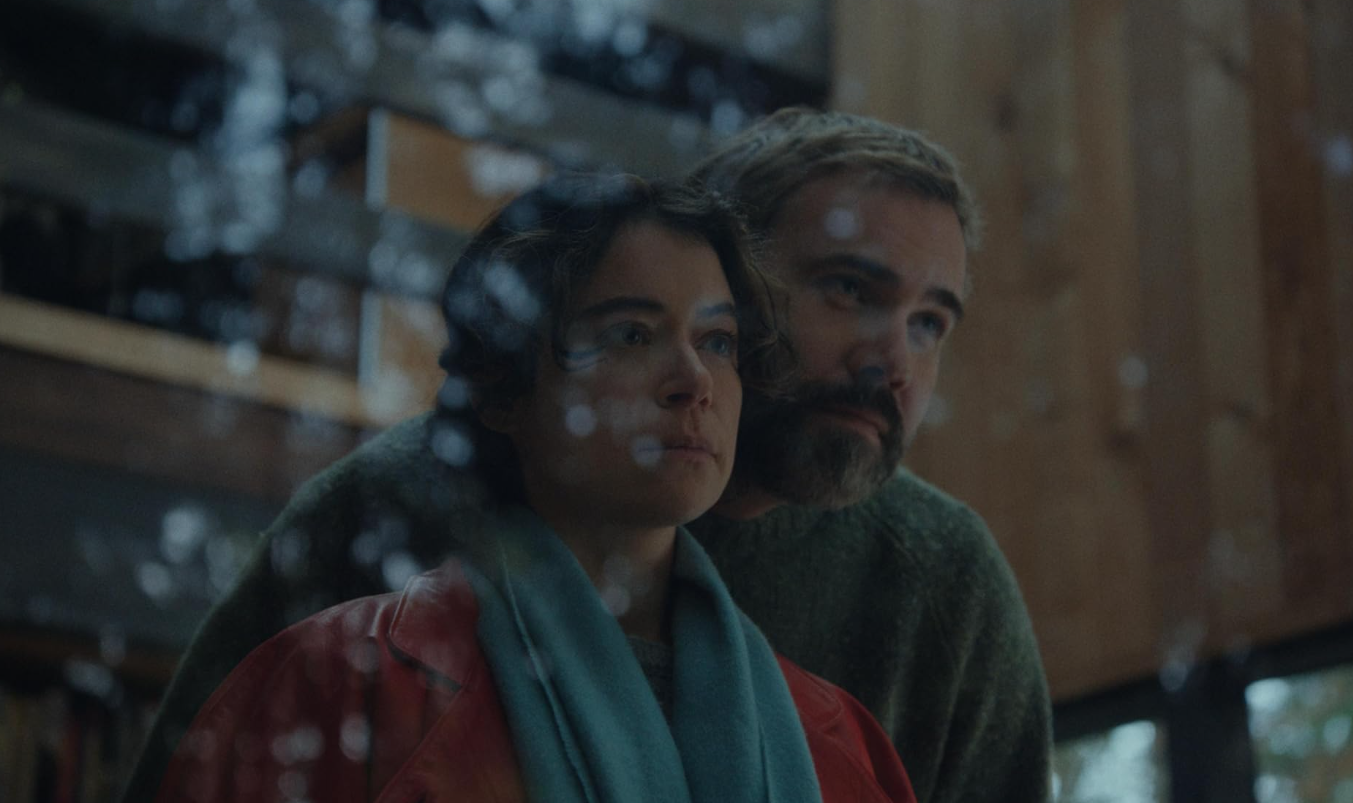
Keeper is the second of two Osgood Perkins films this year, who reached new career heights with the excellent Longlegs last year. His first film this year was The Monkey, a horror comedy adaption of the Stephen King 1980 short story which was also hugely enjoyable with some brilliant set-pieces and striking imagery. A folk horror, Keeper couldn’t be any different from The Monkey. Tatiana Maslany plays Liz, who heads on a weekend trip to a secluded countryside cabin with her boyfriend Malcolm (Rossif Sutherland) to celebrate their one-year anniversary. However, Liz soon starts to become haunted by strange visions.
Keeper is unfortunately a big disappointment and while it’s reasonably well-directed, its problems stem from a conceptual level. This feels far closer to Perkins’ earlier work, such as I Am The Pretty Thing That Lives In The House and Gretel & Hansel in its tone and the script by Nick Lepard (only the second film of Perkins that he hasn’t written) is overly expository. This makes the film languorous, even more so because I predicted the ending of the film as the opening scene transitioned into the title card and got it mostly right. There are also problems with geography and continuity – a character walks into a house and then disappears, for example.
While Tatiana Maslany does her best with the flawed script, I didn’t really sympathise with her character and I certainly never brought her relationship with Malcolm, with Rossif Sutherland totally miscast – the two share zero chemistry. Birkett Turton plays Darren, Malcolm’s obnoxious cousin who turns up uninvited on the first evening during the couple’s dinner, and is just insufferable – but I suppose his performance satisfies the brief.
The whole film hinges on its final set-piece and while there’s some interesting imagery, it’s not enough and certainly not worth the 80-minute trudge to get to that point. And although Perkins has proven himself multiple times in the horror genre, Keeper completely lacks tension and isn’t scary, save for one jump scare.
It’s a shame Keeper doesn’t continue Osgood Perkins’s horror genre momentum. This is a largely uninteresting and tired tale that doesn’t really have any surprises up its sleeve with uninvolving characters. The problem is the concept – this cabin-in-the-woods horror doesn’t have the brain or legs to sustain the 99 minute run time and it shouldn’t have been greenlit.
Director: Edgar Wright Starring: Glen Powell, William H. Macy, Lee Pace, Michael Cera, Emilia Jones, Daniel Ezra, Jayme Lawson, Sean Hayes, Colman Domingo, Josh Brolin Certificate: 15 Run Time: 133 mins
The Running Man is the new film by Edgar Wright, an adaptation of the 1982 Stephen King dystopian novel (who wrote it under his Richard Bachman pseudonym). This isn’t the first time the novel has been adapted into a film – there was the 1987 film Arnold Schwarzenegger-starring film, but that adaptation wasn’t particularly faithful to the source material.
Wright’s film opens in a near-future United States (which draws many parallels with the present day) where an authoritarian media network called the Network rule over society, with most viewers living in poverty. Glen Powell plays Ben Richards, a blacklisted labourer who signs up for ‘The Running Man’ – a television show where contestants can win $1 billion by surviving 30 days and evading a team of hunters. He does this because he’s unable to afford medicine for his young daughter, so he auditions for an alternate show, only to be cherrypicked for ‘The Running Man’.
The Running Man is an above-average thriller with a timely message, even if it isn’t Edgar Wright quite at his best. The director plays things much straighter than the campy but fun 1987 film and it wouldn’t be fair to compare the two. This has plenty of energy, with some fun action set-pieces – Wright’s proved he can shoot action in an almost balletic way with films such as Baby Driver and his magnum opus, Hot Fuzz. The action here doesn’t have as much of the staying power as either of those films, but I had a smile plastered on my face multiple times.
Glen Powell makes for a charismatic lead in what is effectively his first action hero role, deftly conveying his disdain for the Network’s societal control with a cocky edge, although I’m not sure he’s quite as memorable as Arnie. There’s a great performance from Josh Brolin, with an outrageous set of teeth and Colman Domingo really chews the scenery as a sinister television presenter. The two other highlights are Lee Pace and Michael Cera, with the latter refreshingly restrained compared to some of his more comedic roles.
There’s a handful of really handsome shots by Chung-hoon Chung, especially a drone shot following Ben through the halls of a building, and there’s a distinct colour palette too. Edgar Wright’s regular composer Steven Price turns in a fun score too some nice needle drops, and I particularly liked the opening credits sequence.
But considering how talented a filmmaker Edgar Wright is, I wish The Running Man had a bit more of his stamp on it. There’s flashes of his signature throughout but considering his other work, it could have had even more of a propulsive energy to it, nor is it quite as bombastic or absurd as we’ve grown to expect from the director. This film is missing his signature quick cuts and creative transitions from a technical perspective, but also the emotional depth and character development of his best work. The Running Man certainly feels like the most studio-like film to wear his name.
The Running Man is a very entertaining and action packed adaptation of Stephen King’s novel with some fun performances and visuals. But although there’s flashes of his style throughout, I wanted more of Edgar Wright’s personality injected into this and it doesn’t quite reach the lofty heights of some of his best work.
Director: Dan Trachtenberg Starring: Elle Fanning, Dimitrius Schuster-Koloamatangi Certificate: 12A Run Time: 107 mins
Predator: Badlands is the latest instalment in the sci-fi series and the second this year after the animated Predator: Killer of Killers. It’s once again directed by Dan Trachtenberg, who breathed new life into the series with Prey, and he shakes the formula up here yet again. Considering we’re now seven films in, this is the first time a film has a Predator as the protagonist, with the film completely devoid of humans. Dek (Dimitrius Schuster-Koloamatangi) is a runt Predator who takes a vow to hunt a mythical creature called the Kalisk on the lethal planet Genna to earn his father’s approval. In a double role, Elle Fanning plays Thia and Tessa, two Weyland-Yutani (yes, that megacorporation from the Alien series) synthetics who Dek meets on Genna – Thia a damaged synthetic with severed legs who teams up with him, whereas Tessa is an evil droid who opposes the two.
Dan Trachtenberg delivers another above-average instalment and although Predator: Badlands descends into a bit of a CGI-fest in its final act, there’s lots of promise here. The first half is particularly strong, with Dek oddly likeable as the uncommonly sensitive Predator and the relationship between him and Thia is well-developed. It says a lot about the quality of Trachtenberg’s direction and Patrick Aison’s tight script that we root for Dek when he speaks in his native Yautja language throughout the film, translated via subtitles.
There’s lots of good world-building too, both of Dek’s home planet and the hostile environment of Gonna. The film’s well-paced and rolls along at a brisk pace and it’s vividly shot by Jeff Cutter, even if there’s an overreliance on visual effects at times. There’s an interesting score by Sarah Schachner and Benjamin Wallfisch that blends a dark mood with chants in Dek’s native Yakutia language into some memorable themes.
Predator: Badlands is the first in the series to have a 12A / PG-13 rating and I was worried this film would feel watered down. Although it’s true it could certainly be nastier, there’s stil plenty of satisfying violence and bloodshed, and the film’s received this lower rating because there’s no human characters so the blood isn’t red.
It may lack the simplicity of Prey and veer into a bit of a CGI-fest in its final act before an excellent closing set piece, but Predator: Badlands is a very solid entry in the enduring series. Trachtenberg once again manages to find an exciting new direction to take the Predator series in by making the horror icon a likeable protagonist. Based on the promise of its cliffhanger ending, I’m excited to see what’s in store next.
The Predator has been haunting screens since 1987 with the Arnold Schwarzenegger-starring original, becoming one of the most recognisable sci-fi monsters in cinema, spawning an ever-expanding series of films.
With Predator: Badlands now released, this article ranks all of the films in the series so far.
Besides my last choice, there is not much between the seven films quality-wise – they’re all very solid and all pose some interesting ideas. However, the top three entries are a significant step-up from the films in fourth and fifth position and my ranking of them could interchange on any given day.
7) Predator: Killer of Killers
An adult animated anthology film filmed in secret ahead of Predator: Badlands, this is unfortunately the weakest in the series. This animated film is split into four sections – three which tell the stories of human warriors throughout various points of history who face off against a Predator and a final section which ties the preceding stories together. Predator: Killer of Killers is an odd film – the three standalone stories are rather undercooked but the final section that then ties them together is rather excellent, with some fascinating concepts. The film is balls-to-the-wall action and holds nothing back when it comes to gore, which I’m sure many will appreciate. But I like some meat to the bone, and the standalone stories feel as if they’re feature film concepts that have been distilled into their final climax Predator face-off sequence. Not helping proceedings is the poor script and lack of character development, and I didn’t care much for the disorienting animation style either. Although the lack of substance of the three stories failed to properly engage me, it’s the final section which really elevates proceedings. How Trachtenberg ties these stories together is like a child playing in a sci-fi sandpit, with a thrilling set piece and some tantalising teases that hint towards the future.
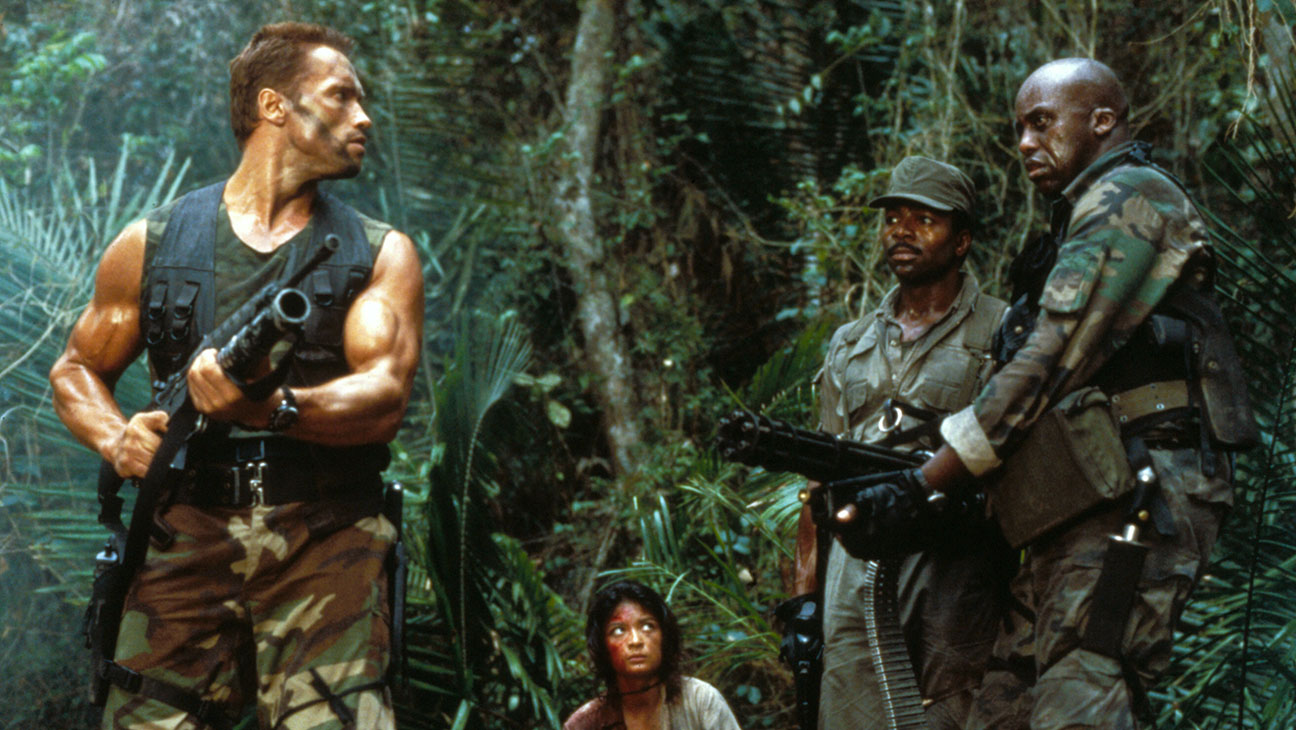
This is probably where you completely shut off and disregard this list, but hear me out. The original Predator is still a great film, but it’s more a film of scenarios than a cohesive narrative and it’s a bit of a trudge to get through until we get to the now-classic Arnie vs The Predator fight which in itself is awesome. Director John McTiernan (who would later go on to make the perfect Die Hard) succeeds in creating suspense with numerous shots of the Predator watching on its prey but there isn’t all that much character development and because of the lack of a narrative thread, there are a few stretches where not much happens. The film also features a very memorable score that has carried through to the rest of the series from Alan Silvestri. Predator is still an enjoyable film but controversially, I don’t think it has aged all that well and the other films have taken the material in more interesting directions.
⭐⭐⭐
Rating: 3 out of 5.
5) The Predator
The Predator is shambolically put together and its pacing is rather breakneck, but it is a really entertaining film and director Shane Black’s signature humour is put to good use here, through the characterisations of the PTSD-ridden soldiers who take on the mythical creature. The first half in particular has some really interesting ideas and some well-constructed action sequences, particularly one in a science facility. I also really liked the decision to have this film set more in the suburbs and the contrast of the Predator to the urban area is interesting.
Considering we’re now seven films in, this is the first time a film has a Predator as the protagonist, with Predator: Badlands completely devoid of humans. Directed by Dan Trachtenberg, the film follows Dek (Dimitrius Schuster-Koloamatangi), a runt Predator who takes a vow to hunt a mythical creature called the Kalisk on the lethal planet Genna to earn his father’s approval. The first half is particularly strong, with Dek oddly likeable as the uncommonly sensitive Predator and the relationship between him and Weyland-Yutani synthetic Thia (Elle Fanning) is well-developed. It says a lot about the quality of Trachtenberg’s direction and Patrick Aison’s tight script that we root for Dek when he speaks in his native Yautja language throughout the film, translated via subtitles. There’s lots of good world-building too, both of Dek’s home planet and the hostile environment of Gonna. The film’s well-paced and rolls along at a brisk pace and it’s vividly shot by Jeff Cutter, even if there’s an over-reliance on visual effects at times. It may lack the simplicity of Prey and veer into a bit of a CGI-fest in its final act before an excellent closing set piece, but Predator: Badlands is a very solid entry in the enduring series.
Prey is an excellent prequel and was just the gut-punch the series needed. Dan Trachtenberg directs with flair and the film features some terrific performance among its almost exclusively Native American cast. The very fact Trachtenberg has opted to centre the film around an underrepresented community is to be commended, too, with the only exception to the rule being a group of French fur trappers Naru encounters. Amber Midthunder makes for a formidable screen presence and it’s great the film focusses on her humanity. She is portrayed as both a skilled hunter but also an individual who makes mistakes. Trachtenberg’s mirroring of smaller animals hunting each other and the Predator and anything that steps in its way is also an excellent creative stroke.
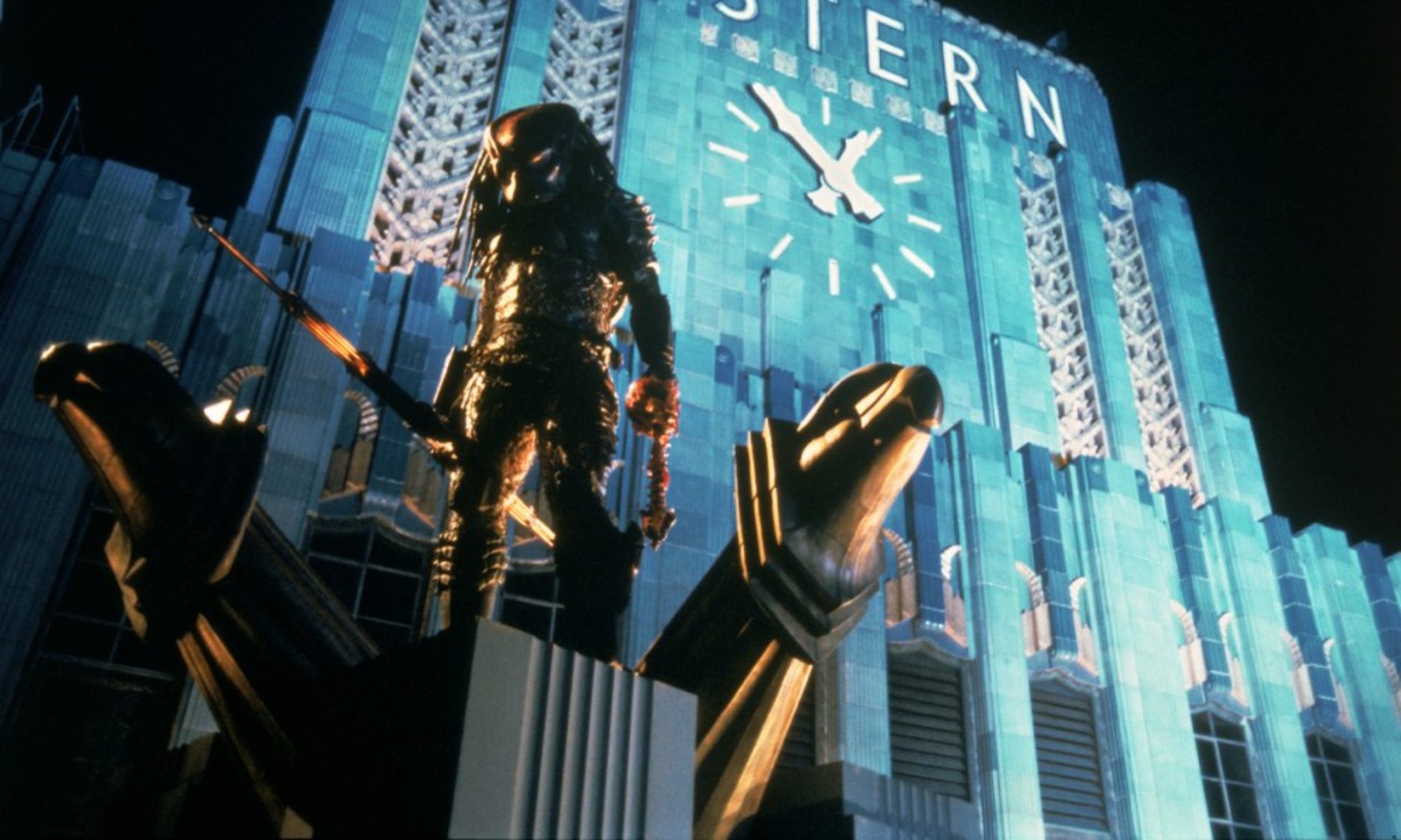
Generally regarded as the worst in the series, Predator 2 is a very brave film in my opinion and is certainly not a film that would be made in this day and age. It’s a film that successfully expands upon the mythologies established in the first film and the Afro aesthetic puts an interesting spin on the character. Danny Glover is great in the lead role, a hot-headed policeman who wants justice but is afraid of heights, which he faces multiple times in the film. The film also features performances from Gary Busey as a shady DEA agent and Bill Paxton as a wisecracking new recruit. There isn’t a boring moment in the film and the final fight sequence is particularly satisfying, over multiple set pieces and sets up future films and cross-overs.
★★★★
1) Predators
Robert Rodriguez was a very interesting choice to reboot the series after Predator 2 failed to impress. Taking a producer role and having Hungarian director Nimrod Antal in the directors chair, Predators is the best in the series in terms of its ideas and narrative. The idea of setting this film on another planet also helps to further expand the mythology and the whole mystery of why specific people are chosen to participate in this game is compelling. The cast are uniformly great, with Adrien Brody solid in the lead and standout performances from Topher Grace, Louis Ozawa Changchien and Laurence Fishburne. Although its second half morphs more into a blockbuster, its first half is where the film really excels and poses its ideas. Although The Predator was a fine entry in the series following this film, what I’d really like to see are sequels / spin-off’s to Predators as there are a lot of interesting places you can take this concept. It’s a shame Predators didn’t do all that well at the box office and remains a very underrated entry in the series.
★★★★
What are your thoughts? Let me know in the comments or tweet @TheFilmMeister
Director: Yorgos Lanthimos Starring: Emma Stone, Jesse Plemons, Aidan Delbis, Stavros Halkias, Alicia Silverstone Certificate: 15 Run Time: 118 mins
Bugonia is the new Yorgos Lanthimos film, who is coming off a high with both Poor Things and Kinds of Kindness making in into my top three best films of 2024. Lanthimos’s films are always memorable, with bold themes and deadpan delivery from the cast. Here, Lanthimos remakes a 2003 South Korean film called Save The Green Planet!, where two men kidnap a CEO because they suspect she is secretly an alien who wants to destroy the earth. The director reunites for the fourth time with Emma Stone, who plays Michelle Fuller, the ill-fated CEO of a pharmaceutical company who is abducted by conspiracy theorist Teddy Gatz (Jesse Plemons) and his disabled brother Don (Aidan Delbis).
Bugonia is yet another thought-provoking work from Lanthimos, packing plenty of surprises and thrills up its sleeve. This is a film that keeps you second-guessing throughout with its complex characters and striking visuals, and like lots of his work, it’ll take multiple watches to fully unpack. I’ve always found Lanthimos is at his best when he’s on scriptwriting duties with his co-writer Efthimis Filippou (they co-wrote Dogtooth, Alps, The Lobster, The Killing of a Sacred Deer and Kinds of Kindness together) with their arch dialogue. It’s why The Favourite didn’t fully work for me. And although Will Tracy’s script isn’t quite as arch as what Lanthimos and Filippou would conjure, I didn’t notice the writing as much as I did in The Favourite.
While Emma Stone is reliably excellent as Michelle, it’s Jesse Plemons and Aidan Delbis that really stand out as the abductors. Plemons is scarily convincing as the unkempt Teddy, who constantly takes advantage of his cousin with his conspiracy theories and has a very short fuse – I hope he’s recognised come Awards season. Delbis is equally brilliant in his debut role, brilliantly balancing the vulnerability of his disability with a clear sense of right and wrong. Stavros Halkias is also excellent as Casey, a charismatic police officer who cares about Teddy and Don’s welfare.
Robbie Ryan’s cinematography is outstanding, shooting the film in VistaVision with a vivid colour palette. Bugonia is particularly beautiful if you watch it in 35mm, which I was fortunate enough to experience. Jerskin Fendrix, who seems to also becoming Lanthimos’ new composer of choice given this is his third collaboration, turns in a career-best score. The monumental score beautifully compliments the events on-screen, upping the intensity with memorable themes.
Bugonia is yet another excellent film from Lanthimos that kept me gripped throughout with its fascinating story, memorable performances and stunning visuals. It’s suitably nasty when it needs to be with its outbursts of violence and poetic in its themes. I’m not sure it’s quite as haunting as his best work – a rewatch will determine if that’s true – but this is still a fearsomely original work that’s a must-see on the big screen.










 The Film Meister