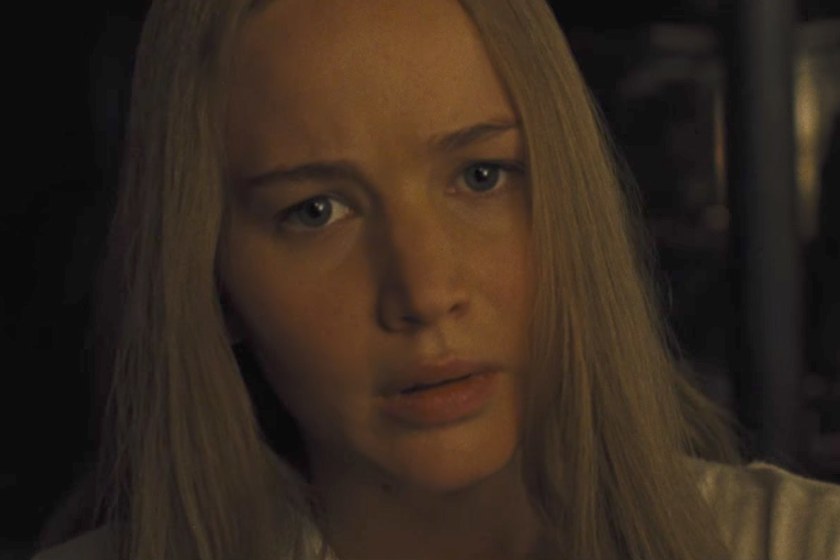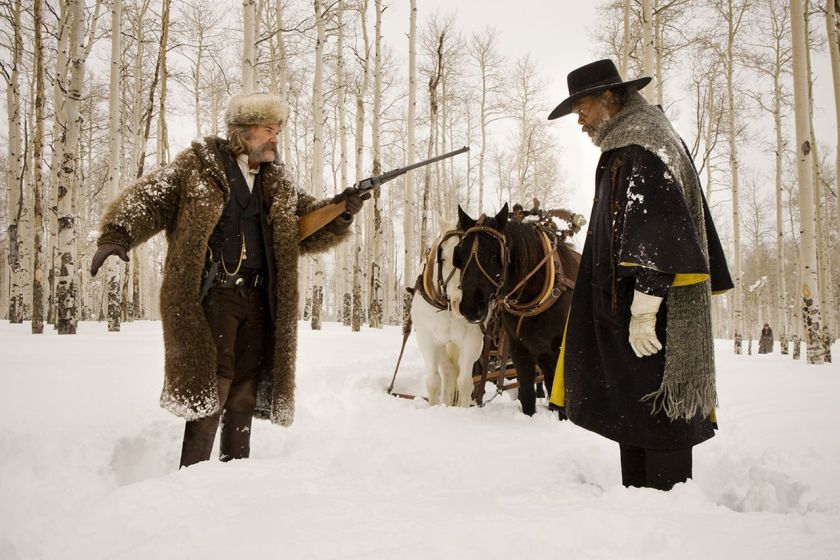
The Ritual (Review)

Uncategorized
ritual_01

⭐⭐⭐ (Good)

Director: David Bruckner
Starring: Rafe Spall, Arsher Ali, Robert James-Collier, Sam Troughton, Paul Reid

Certificate: 15
Run Time: 94 mins

2017 has so far been a strong year for horror films. There’s been the widescale success of both Jordan Peele’s directorial debut, Get Out and Andres Muschiett’s It. I found a lot to like in Annabelle: Creation and although not appreciated by audiences, I really enjoyed It Comes At Night. I’d argue that these aren’t horror films as such but  mother! and Split have some excellent horror elements to them in addition.

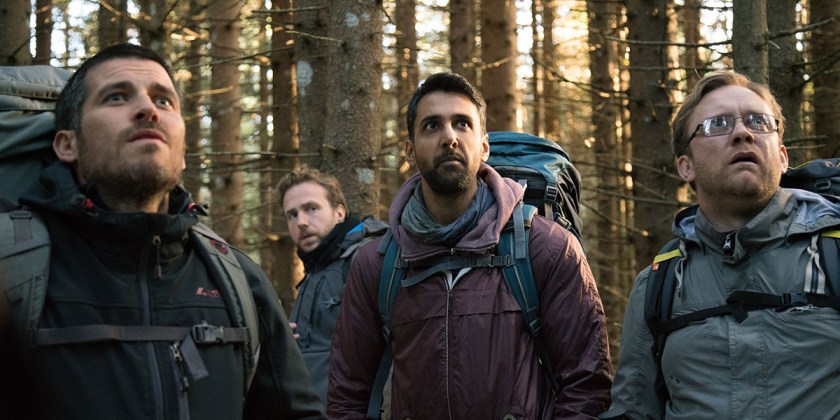
The Ritual tries to join this elite group and is a horror film adaptation based on Adam Nevill’s 2011 novel. It’s directed by David Bruckner of whom this is his first feature length film. He has previously co-directed or directed segments of films before such as V/H/S and Southbound. The Ritual tells the story of a group of friends, who following the unfortunate death of one of their core members, go on a hiking holiday in the Swedish woods in memory of his death. After a sequence of events occur, they decide to take a shortcut through a forest which, you guessed, is home to a malevolent presence that wreaks havoc on our unsuspecting protagonists.

The Ritual features a largely unknown cast and crew save for Rafe Spall who is always watchable in whatever he’s in. This could be an ideal film to showcase some new talent and at the same time, work well as a standalone horror film. Can The Ritual deliver?

In some aspects, yes. The Ritual has its fair share of problems such as stupid character decisions, some conventional horror tropes and a cliched ending. That said, I really liked the craft and was always entertained by it. Ultimately, it’s a case of the talent here being better than the narrative. The biggest thing to take away from the film is the new talent that has emerged for the future. Director David Bruckner clearly has a firm grasp of the horror genre and has a strong voice, as do the strong cast and superb cinematography and score.

The chemistry between the group is brilliant and characters that one can emotionally invest in always elevates a film. Rafe Spall is as expected, always strong  and Sam Troughton is also probably the other strongest performance out of the group, particularly the differences Spall and Troughton’s characters face between each other. Robert James-Collier’s character acts as the driving force of the group and the voice of reason (or not?) and Arsher Ali’s performance is more subdued and thoughtful.

Bruckner manages to establish a proficient tone for the film and there are moments where the film is genuinely creepy and tastefully gory. Hats off to him for not revealing what is stalking these likeable characters until as late as possible in the film. Coupled with cinematography Andrew Shulkind’s slow zooms and dark imagery and Ben Lovett’s deeply unsettling and moody score, the film feels as though it’s a bit of a mash-up between fimls such as The WitchThe Blair Witch ProjectSeverance and The Wicker Man. It sounds like it shouldn’t work, but it does. The film also has genuine heart, particularly due to the development of its characters and their back stories. All of this would seem as if the film shouldn’t work but weirdly enough, it does and I was consistently entertained.

The juxtaposition though between the typically British lads and inner city drinking culture and the  dark and gloomy Swedish forest feels a little off. This is especially due to the fact that the film starts off in England and then moves over to Sweden which I think is a misstep – far more effective and maintaining consistency would have been to embed the opening partially into the film to explain why the characters are where they are in the forest in order to establish the stakes better.

It is also a bit of a shame that Bruckner can’t quite avoid genre cliches – characters make stupid decisions, even acknowledging that what they are doing isn’t a good idea but they do it anyway. We have also seen the ending done many a time before but the film is still entertaining enough to not let it hinder it too negatively.

The Ritual overall is a bit of an odd concoction of setting, themes and characters but it all surprisingly sticks and I had a lot of fun with the film. Granted, Bruckner does fall into the trap of cliches and poor character decisions but the way the film is crafted and the quality of the characters outweigh the negatives. It’s going to be interesting to see how this film is generally recieved given the limited release it has seen so far. It’s definitely a film where I had poor expectations walking in and being pleasantly surprised and it can stand up as being another successful horror film of 2017.

⭐⭐⭐ (Good)

Blade Runner 2049 (Review)

Uncategorized
blade-runner-2049_2

⭐⭐⭐ (Good)

Director: Denis Villeneuve
Starring: Ryan Gosling, Harrison Ford, Ana de Armas, Sylvia Hoeks, Robin Wright, Mackenzie Davis, Carla Juri, Lennie James, Dave Bautista, Jared Leto 

Certificate: 15
Run Time: 163 mins

Blade Runner 2049 is one of the most highly anticipated films of the year, for many different reasons. Firstly and most importantly, it is the sequel to Ridley Scott’s 1982 original, a film that has a turbulent history of its own of underappreciation and misunderstanding. It took a long time for the film to reach the stature it now resides, with different cuts releasing in the process. A sequel has been pondered many a time over the years with Ridley Scott frequently discussing such prospects.

Things took a turn for the better in 2015 when it was announced that Denis Villeneuve would be in the director’s chair, thus leading to  the second reason why this film is so highly anticipated. Blade Runner 2049 feels as though it’s a cumulation of Villeneuve’s previous work, consistently proving multiple times in the past that he is one of the most exciting directors working today. Both Prisoners and Sicario are outstanding pieces of work, Enemy a very interesting piece and although I didn’t love Arrival, there were many who did, garnering Villeneuve a Best Director Oscar nomination and the film a Best Picture nomination. With Villeneuve at the helm, this also means he reunites with cinematographer Roger Deakins. Regular composer Jóhann Jóhannsson was also set to return but his score was unfortunately unused. Thrown in a star-studded cast for good measure and you’re onto a winner. Any normal groans that a sequel was being planned to a film 35 years later would muster were put to rest when everyone noticed the talent involved.

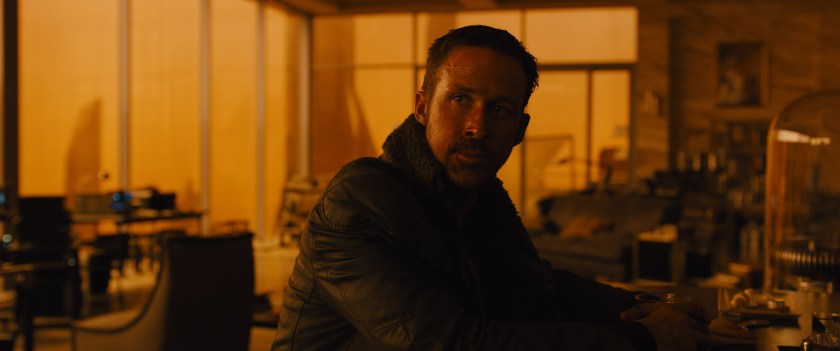
Without divulging any plot spoilers as there are plenty of reveals in the film, it would be fitting to say that this film follows Ryan Gosling’s Officer K and an investigation that he embarks on and that the film is set 30 years later (the clue is in the title) but a lot has happened in this world since the conclusion of Ridley Scott’s original.

My initial reaction to Blade Runner 2049 is the same as it was for Blade Runner in that it wasn’t quite the triumphant feat I expected it to be. There is a lot to admire, particularly on a visual level and there are many moments in the film which are mesmerising to behold on-screen. Roger Deakins’ transfixing cinematography should surely now have earnt him his long overdue Oscar and there are multiple sequences that are destined to be studied by future film students. However, I also have my reservations with it. Bearing in mind the overall history of reception with the original Blade Runner, this is a film that warrants multiple rewatches to truly appreciate it and hopefully then, I will have a higher opinion of the film.

What was really satisfying to observe was Villeneuve’s attitude towards the material. He clearly has a love for the original and the film never felt cynical towards its predecessor at all – it is very much in the same vein. Villeneuve toys with the philosophy and ideas behind the first film and further develops some plot threads but also still manages to keep the enigma sustained in other areas of debate. This is coupled with strong thematic elements such as memory, age and identity and the juxtapositions between what it means to be human or a replicant. There is an excellent exchange in the script that has allusions to Pinnochio which is really fulfilling.

The cast expectedly deliver and Ryan Gosling manages to take the baton from Harrison Ford in the leading role seamlessly. The role suits Gosling perfectly, not too dissimilar from his leading role in Nicolas Winding Refn’s Drive. Gosling is our main point of view into this filmic world and he’s pretty much in every scene and the rest of the cast feature around his character’s journey. The two standout performances though are surprisingly from Dave Bautista and Ana de Armas. Bautista, who has steadily been on the rise in recent years in films such as Guardians of the Galaxy (and its sequel) and Spectre, only really appears in one major scene but his character is extremely committed, vulnerable and tranquil. Apparently Villeneuve originally was against casting Bautista until he proved himself in his third interview. I frankly can’t imagine anyone else in that role. Ana de Armas is also surprisingly brilliant and her character is instrumental to the theme of reality and self-awareness in the film. The rest of the cast are all sound although I don’t really understand why people think Harrison Ford’s performance is one of his best – I thought his performance was more in vein with his return to similarly lately revived franchise pieces such as Indiana Jones and the Kingdom of the Crystal Skull and Star Wars: The Force Awakens.

The quality of the action sequences and Roger Deakins’ cinematography truly elevate the film and distinguish between the macro and micro elements of the world created. Villeneuve continues his trend of strong opening scenes, a scene that manages to both be particularly raw and blunt whilst also situating itself in the grander scheme of things within the film. A fight sequence in a theatre is also wonderfully staged as is a three-way sex scene which has many textual layers to it. Every single shot by Deakins feels meticulously crafted throughout the film and there are many instances in the film where my jaw dropped in amazement. It’s just a little bit of a shame that the final action sequence can’t quite live up to the others as it begins to touch a little too closely to the first film and loses a considerable amount of the spark the film had before.

This is just one of the issues I have on first viewing of the film. Whilst I praise Villeneuve’s stance towards the film, it is also his downfall. There is always the threat in a big budget blockbuster that you lose some of the director’s oeuvre compared to their previous work. Whilst there are some moments where Villeneuve’s input is clear, for example from some of the black imagery of greed and class, a staple of some of his previous works. Whilst this is not because of the fact that the film was made by studio executives (it’s certainly not) like many other blockbusters, perhaps part of the reason why Villeneuve’s input isn’t as apparent is because he channels Ridley Scott’s direction of the first film too much. The film feels like an exact continuation of the first film in the same vein resulting in this loss of authorship. Some may think this is a good thing but I think the film would be a lot more impressive if more of his director’s voice had seeped its way into the film as it certainly suits the material.

Linking to this lack of voice and the self-admiration from the crew of the original film, Hans Zimmer and Benjamin Wallfisch’s score feels very safe. I covered the departure of original composer and regular Villeneuve collaborator, Johann Jóhannsson in a previous post and this is to the film’s detriment. Zimmer and Wallfisch’s score is too close to home with Vangelis’ original. This isn’t particularly unexpected considering how late they signed onto the project, late into the Summer this year. There are a handful of moments of greatness and I am sure that Jóhannsson’s score hasn’t entirely been removed as there is a moment set in the city early on in the film where Gosling’s character meets Mackenzie Davis which could only have been scored by him. It’s a cue that growls and wails and perfectly meshes with what is being portrayed on-screen.

The film is also overlong. I’m all for a film that is willing to take its time to explore its heady themes and tackle a well-woven plot. It is about twenty minutes too long in an intimidating 163 minute run time and whilst I’m all for gaping at Roger Deakins’ stunning cinematography, there are some moments which come to a standstill which could have been improved by a slightly quicker pace. The film also made me feel quite empty – I didn’t really emotionally resonate with it. There are scenes in its plot line which are designed for a reaction but like the numerous replicants that inhabit the film, it left me quite cold.

Blade Runner 2049 is frequently mesmerising to behold on-screen and Villeneuve’s intention towards the project is impressive. Technically, the film is a marvel to behold bolstered by its strong performances. However, it is not quite the victorious slamdunk I expected it to be on the strengths of Denis Villeneuve’s previous works. A lot of this masterful director’s trademarks aren’t immediately apparent in the film due to Villeneuve emulating Ridley Scott’s direction of the first film a little too closely. The film is also overlong and frequently emotionally lacking. Without trying to sound too critical of the film, it is testament to how strongly I regard Villeneuve as a director and the subsequent expectations I had going into this film. Blade Runner 2049 is generally a very strong sequel but like its predecessor, requires time and repeat viewings to further ascertain its quality and lasting impression.

⭐⭐⭐ (Good)

Gerald’s Game (Review)

Uncategorized
bed

⭐⭐⭐ (Good)

Director: Mike Flanagan
Starring: Carla Gugino, Bruce Greenwood, Carel Struycken, Henry Thomas, Kate Siegel

Certificate: 18
Run Time: 103 mins

2017 has been quite the year for film adaptations of Stephen King novels, varying in quality and success. The Dark Tower sunk after it was released to terrible reviews back in August and It has been a critical and financial juggernaut. Gerald’s Game is a lot smaller in scale compared to the latter two films, a ‘Netflix Original’ (you can read my rather strong opinion of this format here), an adaptation of King’s 1992 novel.

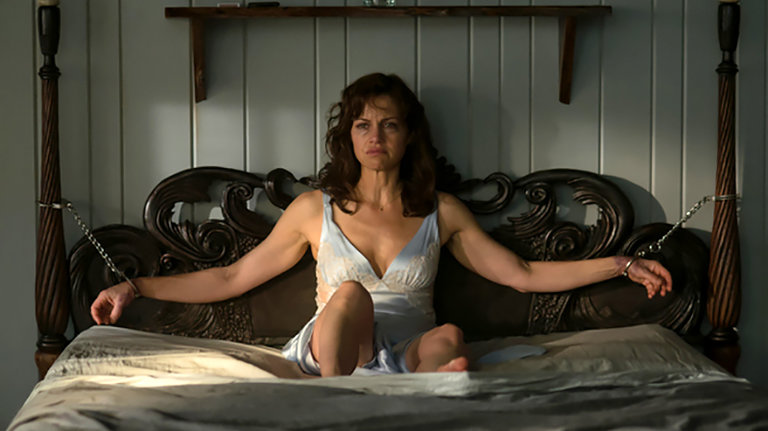
In case you’re not familiar with the novel, Gerald’s Game is about a sex game gone horrifically wrong between the titular Gerald and his wife, Jessie. Gerald handcuffs Jessie to the bed and suffers a fatal heart attack with Jessie still tied. The film details her struggle to free herself and at the same time, they may have accidentally left the front door open where a hungry stray dog is waiting for its food…

Gerald’s Game is directed by Mike Flanagan who has proven himself multiple times in the horror genre. He did a good job with Oculus, a film that was mostly pretty good other than being overlong Hush, a Netflix Original Film that I really liked and directed Ouija: Origin of Evil and pulling off the incredible feat of U-turning the terrible reception to the first film with his strong second film. The material definitely suits him and if there’s anyone who can do a good job of it, it’s him.

Gerald’s Game is an interesting piece of work – it takes King’s strong concept and implements it pretty well and there are moments where it is thematically enriching. However, for the majority of the film’s runtime, Flanagan’s film resorts to exposition and I found it very challenging to empathise with the film’s characters. Luckily, Flanagan manages to craft a genuinely creepy ending which allows the film to leave on a high note and ties the narrative in beautifully – it’s a shame that the majority of the film is a slog to get through before we are rewarded.

A stronger script would have really worked wonders for Flanagan and could have really elevated the overall quality of the film. It’s a real shame characters tell audiences the information we need to know rather than being shown. King’s novel is quite lengthy and it feels as if Flangan and collaborator Mike Howard’s script has tried to condense a lot of the material into monologues. This makes the film feel oddly like a stage play at times and less cinematic. Flanagan clearly has respect for the material – it’s a faithful adaptation and there are even subtle nods to other Stephen King works. It’s just a shame he didn’t know how to make his script work for the big screen.

At least the cast are up to the task of making the most of the opportunity. Carla Gugino is excellent as Jessie, who excels as she becomes increasingly desperate to be released from her struggle and a character whose past comes back to haunt her. Bruce Greenwood gives a particularly nuanced performance as Gerald, a character who is tired, stuck in a rut but also deeply controlling. Both actors do a great job in portraying the weariness of their characters –  it is clearly a marriage that has reached its end and they are both clutching at straws to try and continue it. Their relationship is awkward and both hide their true feelings from each other.

Unfortunately though, it’s hard to root for unrelatable characters. I found Gerald to be despicable and his death didn’t have any emotional resonance at all. I found it hard to even root for Gugino’s Jessie at times, a character so gullibly ruled by the patriarch and someone who hasn’t done anything with her life except feeling sorry for herself.

It’s a welcome relief that Flanagan manages to make up for the film’s problems with an ending that is genuinely chilling and emotionally resonant. I’m a big believer that it’s always better for a disappointing film to pick up at the end rather than the beginning as audiences will leave on a high note. The ending beautifully allows its narative to come full-circle and is thematically rewarding. Perhaps a rewatch would allow for me to pick up on some of the more subtle aspects that feature in its ending and that would elevate my opinion of the film.

Another high point of the film is Michael Fimognari’s cinematography. Fimognari knows when to hold onto a shot rather than resorting to quick cuts and there are a couple of simply awe-inspiring shots on a beach mid-way into the film. The same can’t be said for The Newton Brother’s score which adds nothing to the film and isn’t memorable in the slightest. A real shame as they have done much better work in the past particularly with Oculus.

Gerald’s Game is ultimately not the slamdunk it should have been and it oddly feels the most distanced from Flanagan’s directorial style compared to his other works. It’s always refreshing to see directors try something new but the film is squandered by a weak script which makes the grave mistake of telling rather than showing. Luckily, the good performances from its cast manage to elevate the film and Flanagan sticks the ending allowing the film to conclude on a high note. It’s a solid effort but Flanagan doesn’t manage to reach the heights of his previous work.

⭐⭐⭐ (Good)

The Responsibility Of Marketing

Uncategorized

it-comes-at-night-633x356

Originally published in Concrete, this piece borrows examples from my ‘Effective Marketing‘ opinion piece but does touch on some new themes with the below films. 

Whilst 2017 continues to churn out endless sequels and big-budget franchise films, there hasn’t been a shortage of smaller, original works. Two particularly prominent films are Darren Aronofsky’s mother! and Trey Edward Shults’ It Comes At Night. Both films were sadly notable for their unfavourable audience ratings, with mother! famously receiving an F on CinemaScore. I believe the marketing campaign played a crucial part in their critical kicking. Both campaigns were highly unconventional, arguably misleading as the trailers marketed the films as horrors, not the thoughtful and atmospheric works they really are. Audiences didn’t get what they expected and they let their opinion known. But why should this be the case?

zrlutk9b96mz

bvs-social_31

Effective marketing is arguably what the film industry lacks nowadays. We’re accustomed to practically seeing the entirety of the film in the trailer: many mainstream film trailers constantly ruin plot points and key sequences. Take Batman v Superman: Dawn of Justice for example, released in March 2016 but the first teaser trailer was released in July 2014. That’s a year and a half in advance! Of course, this was to establish to audiences that the film was in the pipeline for those that didn’t know. Four subsequent trailers followed and increasingly with each trailer, meaty spoilers were revealed. Whilst I regard the film to be a crazy invention only director Zack Snyder could have created, I did feel the sense of fatigue of having seen the film in the trailer.

hero_mother-tiff-2017

When you go the cinema or watch a film at home for the first time, it should be a new experience. When the lights fade out and the opening titles begin to appear on-screen, audiences should be on edge and experiencing the narrative freshly as it unfolds. You’ve got to respect both mother! and It Comes At Night for attempting to preserve this filmgoing experience. mother!’s campaign was vastly different (a very strong one in my opinion) with Aronofsky trying to withhold as much information as possible and having a late review embargo. Furthermore, one must consider that both films are difficult to digest and require multiple viewings – an initial response to a film is very different from a genuine one. So what can we learn from this? Don’t take trailers for gospel and be open to the thought that a film might try and surprise you. We should be praising originality not condemning it.

mother! is out now in UK cinemas.

Kingsman: The Golden Circle (Review)

Uncategorized
kingsman-the-golden-circle-0

⭐⭐⭐ (Good)

Director: Matthew Vaughn
Starring: Colin Firth, Julianne Moore, Taron Egerton, Mark Strong, Halle Berry, Elton John, Pedro Pascal, Channing Tatum, Jeff Bridges 

Certificate: 15
Run Time: 141 mins

Kingsman: The Golden Circle is the sequel to the very unexpectedly brilliant first installment in early 2015. The first one was a very guilty pleasure for me – it’s very boisterous and ultraviolent but still manages to carry all the swagger and suave tone that all the best spy films do with impressive action sequences and comedy to boot. Director Matthew Vaughn has a very impressive resume, directing X-Men: First Class, Stardust and Kick-Ass for example, the latter a very anti-comic book film with plenty of swearing and violence. Kingsman is to the spy genre as Kick-Ass is to the comic-book genre. Vaughn returns in the director’s chair, as does screenwriter Jane Goldman (also behind The Limehouse Golem which was released earlier last month) so the film should be in safe hands.

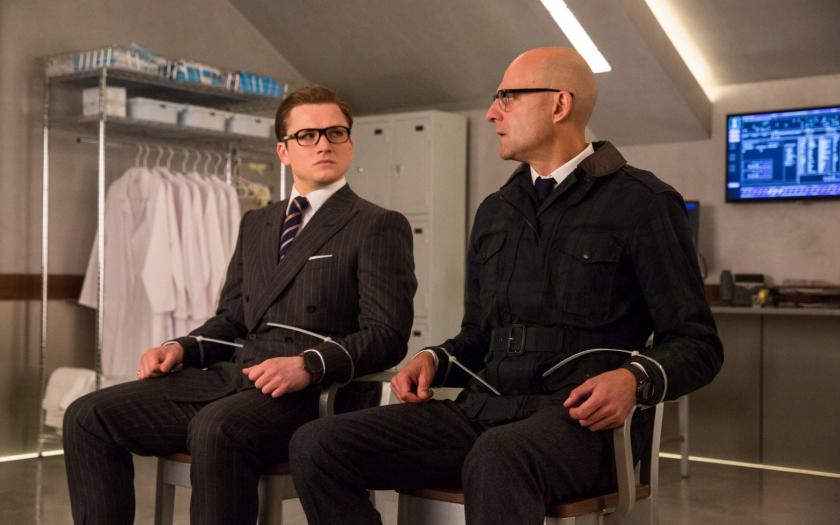
This time, Taron Egerton’s Eggsy is back for another mission after Kingsman’s headquarters are infiltrated very early on into the film and along with Mark Strong’s loveable Merlin team up with their American counterparts, Statesman. Together, they have to tackle Julianne Moore’s drug kingpin villain who has taken the whole world hostage with a sinister plan. It’s a certainly a well-worn narrative that has been done before, particularly the notion of literally expanding a film across the globe. John Wick: Chapter 2 earlier this year used this device as well to open up its cinematic world. Reviewers have not taken as kindly to this installment with reviews decidedly mixed compared to the positive reception of the first film. Many have been critical of its tone and the fact that it is even more violent, sexual and sweary than the first film.

Kingsman: The Golden Circle revisits a lot of the same notes from its original and is a bit of a mess narratively. Due to this, the film lacks the punch the first film had and suffers in its overlong pacing. These reservations aside, the film still manages to maintain the boisterous nature of the first one and I found it to be very entertaining and enjoyable despite the obvious dip in originality. It draws on a lot of the iconography of the spy genre and Vaughn impresses again with his ability to present a convincing subversion of society, particularly regarding current American politics. 

What allows the film to work and stand on top of its convoluted narrative are the strong characters. All of the characters that return from the original film are excellent again and have some great character beats, particularly Mark Strong’s Merlin. The new characters are also by-and-large a worthy addition to this canon. Jeff Bridges and Pedro Pascal in particular make a good impression as Statesman agents, Pascal’s character in particular is developed assuringly. Halle Berry and Channing Tatum aren’t given all that much to do but manage to do a serviceable job with what they’ve got and I anticipate that in future installments, they would suit the material well. As this next cast member has been heavily marketed in the promotional material so I don’t deem this to be a spoiler, it’s no surprise to see Colin Firth back in the film after his wonderful performance in the first film. Firth does an expectedly good job but I feel that Firth’s presence in the film does detract from the first film where it seemed as if he was well and truly dead. There’s always a problem when you bring people back from the dead that any sense of danger is lost and this is a problem with the film. I’ve lambasted Marvel for doing it many times and I personally would rather he had stayed dead to maximise effect. I’ve also got some problems with Julianne Moore’s vicious yet work-shy villain who is nowhere near as effective as Samuel L. Jackson’s lisping, hilarious villain in the first film but Moore does her best despite her acting ability not holding a candle to Jackson’s. The saying that a spy film is only as good as its villain is certainly the case here and this is where the film loses some ground too.

Vaughn still manages to pack in a few genuine surprises with the narrative that him and Goldman have crafted but the overarching narrative for the film feels rather contrived. The film is a rather hefty 141 minutes which could easily be taken down by 15/20 minutes with a couple of expository scenes. The mission that Eggsy is sent on as well feels like ticking a shopping list at times and it feels like characters need to do awfully complicated things before they can move on. This makes the film rather cluttered and haphazard in its pacing. Contrary to reviewers who have criticised the film for being more violent and crude than the first, I have to disagree. Whilst the film certainly earns its 15 rating, the fact that it’s lesser in tone results in violence that has less impact compared to the first film. The film felt more routine due to the introduction of this world that now has some familiarity.

Henry Jackman and Matthew Margeson return for the score, which again isn’t groundbreaking but they manage to craft a few themes that mesh well with the film but not really developing from the foundations of what they had for the first film. The film is again shot by George Richmond who does a really good job and there are a couple of shots that are just wonderful to behold.

Overall, Kingsman: The Golden Circle is a step-down as it revisits a lot of the same notes and themes the original had. But it’s still a rewarding watch that is generally very entertaining, mostly maintaining its obnoxious and crass tone and features some great performances once again. If you were a fan of the first film, I imagine you’d have fun with this and I struggle to see why some have taken so offensively to the film.

⭐⭐⭐ (Good)

‘Focus’ – Jóhann Jóhannsson

Uncategorized

johann

JÓHANN JÓHANNSSON

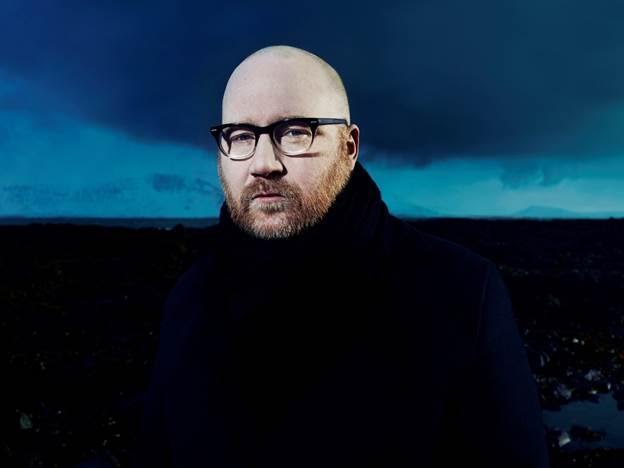
Blade Runner 2049 has finally arrived in UK cinemas, a sequel to Ridley Scott’s 1982 sci-fi noir. The typical reasons this film might pique your interest could be due to its director, Denis Villeneuve, its impressive cast, cinematographer Roger Deakins or perhaps most importantly, the fact that it is a sequel to one of the most influential sci-fi noir films of all time! Whilst my ‘Focus’ posts are generally focussed on the people who are credited for the film that are perhaps overshadowed by others, this post is a little different. The reason this post is about solo artist and film composer Jóhann Jóhannsson is due to the fact that he left the film as composer late on into production and the subsequent controversy (or lack of it) for reasons that I will explain. First and foremost though, I want to highlight the talent of this fantastic composer and celebrate his work thus far in the film industry and if even one reader is inspired to have a look into him, that’ll be a success in my book. It is important to note that Jóhannsson has a successful solo career as well and has released many albums but the main purpose of this post (in line with this website) is his film career.

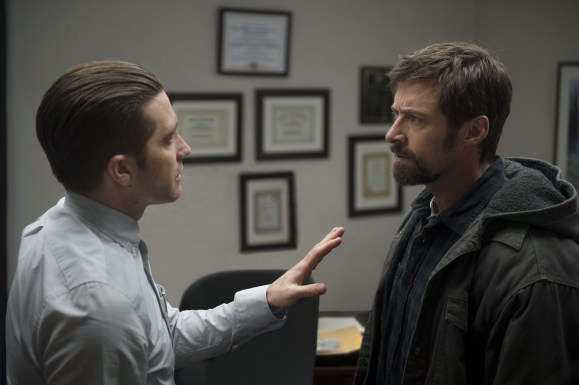
PRISONERS

Iceland-born Jóhann Jóhannsson began film composing quite late into his career in 2012 with Chinese drama film Mystery. However, his big break came in 2013 when he teamed up for the first time with Denis Villeneuve on Prisoners. Prisoners is my favourite film of 2013 and one of my favourite’s of the decade. It is a harrowing, dark account of the kidnapping of a young girl and the subsequent investigation that ensues. Jóhannsson first came onto my radar with his fantastic score for this film which is wholly original and frequently haunting. One of my favourite musical moments of this film is a sequence in a car towards the end of the film – Jóhannsson’s score adds to the urgency of the situation beautifully. I’ve got the soundtrack and the whole piece is excellent.

hero_thetheoryofeverything-2014-1

Jóhannsson’s career elevated when he scored James Marsh’s The Theory of Everything. Whilst it is a little Awards-baity, I still thoroughly enjoyed it and I gave it an honourable mention in my Mid-Year Review. This score didn’t grab me as much as Prisoners but there are some nice cues in it, particularly in its opening. Clearly I’m in the minority as he was nominated for his first Academy Award for Best Original Score – personally, I’d much rather he had been nominated for Prisoners but I suppose if it got his name out, that can only be a good thing.

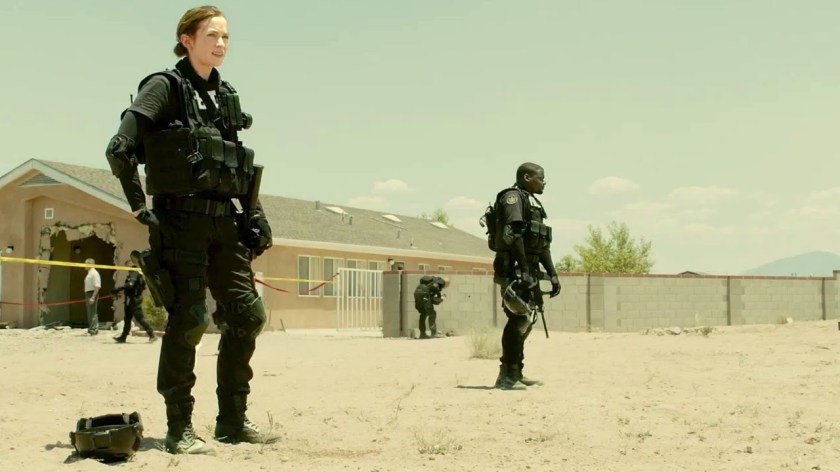
sicario

Jóhannsson reteamed with Denis Villeneuve for Sicario, an extremely intense thriller about a FBI investigation in bringing down the Mexican drug cartel. Jóhannsson’s score is stunning and not only fits the film but also works as a soundtrack in its own right, it’s one of the very rare soundtracks that I can listen to every track and think it’s all very good. Part of the reason why this score is so good is because it defies convention – for example, for a film set in Mexico, his score completely ignores typical Mexican cues and it really acts as its own character in the film. It’s a sensational piece of work. Luckily, the Academy listened and he got his second nomination – rightfully so!

Lovesong was Jóhannsson’s next project, an American drama film directed by So Young Kim. I haven’t seen the film yet to give an opinion.

screen-shot-2016-11-29-at-12-22-45-pm-1480440591-2391x1000

Jóhannsson reteamed for the third time with Villeneuve for Arrival, an Oscar-nominated sci-fi starring Amy Adams and Jeremy Renner. I don’t think this film is as strong as some of Villeneuve’s others (although I’m in the minority as it was nominated for Best Picture) and I would say the same for the score again, which has some brilliant sections but it’s not consistent like his other works. His score was disqualified for Oscar contention as Jóhannsson had used a track by Max Richter, ‘On The Nature of Daylight’ in the opening and close of the film.

2017 was meant to be a big year for this mighty composer. Jóhannsson was scheduled to score both Denis Villeneuve’s Blade Runner 2049, a task he regarded as “an enormous challenge of mythical proportions” and to score Darren Aronofsky‘s latest film mother! in a departure from his usual composer, Clint Mansell. A Jóhannsson score for both of these films would have been sublime, particularly for Blade Runner 2049 as I believe he could have done an excellent job in rivalling Vangelis’ legendary work on Ridley Scott’s original.

screen-shot-2017-08-01-at-11-43-10-am

Late into post-production with mother!, Aronofsky and Jóhannsson came to the mutual decision that the film would work better without a score. Having seen and reviewed the film, I think the lack of score works and it only adds to the lack of order and coherence in its world that the film tries to portray. But I think the film could have done with some score in parts to really help the film flow better and give it more weight – particularly when you have Jóhannsson involved, to throw out a score is sacrilege! Jóhannsson remains credited to the film as a “Music and Sound Consultant”.

blade1

We’ll never know the full story with Blade Runner 2049 as Jóhannsson is contractually forbidden from commenting on the matter but he was suddenly taken off the film very close to the film’s release date and replaced with Hans Zimmer and Benjamin Wallfisch. Both Zimmer and Wallfisch are great composers and whilst I am yet to see the film, the score will likely be far more generic than anything Jóhannsson could have conjured up! Earlier this week, director Denis Villeneuve commented on the matter:

“The thing I will say is that making movies is a laboratory. It’s an artistic process. You cannot plan things. Jóhann Jóhannsson is one of my favorite composers alive today. He’s a very strong artist. But the movie needed something different, and I needed to go back to something closer to Vangelis. Jóhann and I decided that I will need to go in another direction — that’s what I will say. I hope I have the chance to work with him again because I think he’s really a fantastic composer.”

I do hope that this is true and the two of them came to the mutual decision so they can work together in the future. Perhaps Jóhannsson’s score was too experimental? It is also certainly strange that Jóhannsson cannot comment on the matter due to his contract but I think the way Villeneuve has phrased his answer is most diplomatic. We’ll never know and we can only imagine the great things Jóhannsson had came up with for the film.

blade3

So if you do get a chance to watch Blade Runner 2049 in cinemas, try to look at the film with a different perspective if Jóhannsson had scored this film. Would it have drastically changed the film? Ridley Scott’s original film has multiple cuts over time – should there be a Jóhannsson cut? This question might be a little crude but it’s certainly an interesting enigma, almost as fascinating as the film Villeneuve has inevitably made.

What’s next on the horizon for this composer? He’s got two films lined up (hopefully the situation with his two films this year won’t repeat itself). He will be re-teaming with James Marsh for his new film, The Mercy and will be working with Garth Davis, who directed Lion earlier on this year, on Mary Magdalene, both scheduled for release in 2018.

‘Blade Runner 2049’ and ‘mother!’ are now playing in UK cinemas.  

mother! (Review)

Uncategorized
mothercover-0

⭐⭐⭐ (Good)

Director: Darren Aronofsky
Starring: Jennifer Lawrence, Javier Bardem, Ed Harris, Michelle Pfeiffer, Brian Gleeson, Domhnall Gleeson, Kristen Wiig 

Certificate: 18
Run Time: 121 mins

‘mother!’ is one of my most anticipated films of the year mainly because it is directed by Darren Aronofsky. Aronofsky’s entire catalogue (barring his debut ‘Pi’) is extremely strong, a director perhaps most famous for the towering heights of ‘Requiem For A Dream’, ‘The Wrestler’ and ‘Black Swan’. Aronofsky has always been devoted to exploring religion in pretty much all of his films and ‘Noah’, his film prior to ‘mother!’ is a particularly insane Biblical retelling in a mainstream format that could only have been created by this director. Sticking with this theme of creation, the ability to create plays an integral part in a lot of his films, again ‘Noah’ demonstrates this extremely well and ‘The Fountain’ is a similarly bonkers, allegorical account of life.

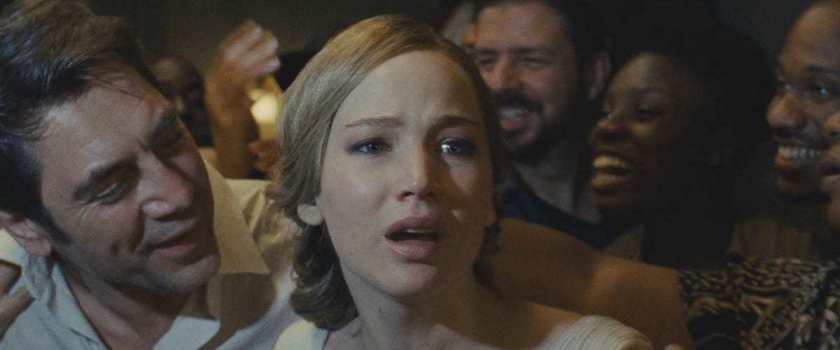
‘mother!’ has been marketed as a horror-thriler / home invasion film. Jennifer Lawrence (Aronofsky’s current real life muse) plays the titular, unnamed character (all the characters in the film are nameless) who is partner to Javier Bardem’s Him, a poet who is suffering with writer’s block. They lead a tranquil life in their country home where Bardem tries to (and unsuccessfully) write and Lawrence tries to renovate the house, marking their personal stamp on their property. This is all disrupted by the arrival of a man (called Man) played by Ed Harris who mistakes the property for a bed-and-breakfast whom Bardem offers to let him stay. His wife, ‘Woman’ played by Michelle Pfeiffer, arrives shortly after and Bardem’s poet begins to take a strong interest in the characters and finds inspiration for his works when all hell begins to break loose.

Narratively, the film doesn’t take a conventional route and it can be interpreted in many diferent ways. Again, it is extremely allegorical and in my opinion, contains Aronofsky’s signature themes of religion again and I see the film in many way as a continuation of ‘The Fountain’ and ‘Noah’. This is a film that is really going to challenge its audience which has showed by its big divide between critics who generally like the film and audiences who seem to dislike the film. Not that CinemaScore should ever be taken for gospel, but the film scored an F with audiences and there have been many an article online and in print damning the film. Like the vast majority of Aronofsky’s works, ‘mother!’ is more of an experiment into the surreal and spiritual.

One has to be tread very carefully when discussing this film and I am yet to fully form my genuine opinion of the film as the film requires multiple rewatches. My initial response to ‘mother!’ however, is that it is a film that I was enamoured by at times but I also have reservations. The film is a paranoid, nightmarish rush from beginning to end and is set in a world that is desolate, unforgiving and cruel. Lawrence’s character goes through all manners of physical and psychological torture and time and time again, we are made to witness this degradation.

The film showcases all of Darren Aronofsky’s best and worst qualities. Aronofsky revels in exploring religion here again and there are many parallels with the notion of Christianity prevalent in the film. Aronofsky’s characterisations demonstrate this, particularly with Bardem’s character who as the film progresses, is presented as a God-like figure, having physical and creative control of the events that unfold in and he is even referred to rather explicitly as a ‘Creator’. Aronofsky also continues to have a grandiose sense of scale, presenting the house as idyllic and initially a sanctuary that nurtures Lawrence and Bardem’s characters. The house is very much as important a player as the real characters in the film. Equally possible and quite explicitly, Aronofsky is critical of the state of the environmental world, exploring themes of overpopulation and war. The soul of the film literally turns very black as the film continues.

Aronofsky’s reach exceeds his grasp as the film progresses and particularly when the film reaches its latter half and tension really elevates, he can’t quite control the chaos that ensues on-screen. Again, it’s a film that I need to rewatch but I found myself rather lost inside the chaos and found the film hard and jarring to keep up with until it reaches its crescendo. I also found his message (or messages) rather overbearing and explicit (which in hindsight, need to be) in juxtaposition to the more subtle and quieter nature of the first half of the film.

What is easier to determine are the quality of the performances. Jennifer Lawrence continues to impressively progress her career here and she manages to perfectly encapsulate both the idyllic and the torment she faces. She is very much the means to which we explore the film, Aronofsky’s regular cinematographer Matthew Libatique’s lens constantly and uncomfortably focussing on our main character. Javier Bardem has perhaps the meatiest role of the film, a character who we can forgive at first for his seemingly rash decisions but then a character who we feel just as isolated from as Lawrence’s character does too. Ed Harris and Michelle Pfeiffer are also superb here, Pfeiffer particularly unlikeable and smarmy as she begins to tear the couple’s relationship and the house from the inside out. It’s a perfect role for her. Domhnall Gleeson’s performance is also equally paranoid as the film who is also given an important role and Kristen Wiig crops up as a character who her personality perfectly matches too.

The glue to all of Aronofsky’s films thus far has been Clint Mansell’s scores which particularly in ‘Requiem For A Dream’ and ‘The Fountain’ have soared. This is Mansell’s first departure from an Aronofsky film and the film is deeply uncomfortable without it, often giving us a false sense of security. Denis Villeneuve-regular Johann Johannsson had first been approached to score the film and wrote a score but both composer and director came to a mutual decision that the film would be better off sans score. This does work and it only adds to the lack of order and coherence the film has but I think the film could have done with some score in parts to really help the film flow better and give it more weight. In particular when you have Johannsson involved, to throw out a score is sacrilege!

I still haven’t really made up my mind on ‘mother!’ and I doubt I will until I have watched it a few more times. The first two acts are particularly grim and brooding and develop really neatly into what is a bonkers third act. I think I enjoy the film more for its conceptual nature rather than the actual film itself which I found a little hard to get into at times. That said, the film has made a very long lasting impression on me and I keep thinking about it. Aronofsky crafts some really strong and memorable images and I really enjoyed the characterisation. ‘mother!’ reinforces my love of the medium of film particularly as it challenges its audience. It’s not a film designed to just be acceptable and dumb and appeal to the lowest common denominator. I’m not really sure (and it is surely deliberate by Aronofsky) what the film means but on first viewing, I found the film to be delirious, deeply allegorical, manic, paranoid and genuinely unnerving. ‘mother!’ is definitely a film that deserves and I appreciate exists.

⭐⭐⭐ (Good)

Top Five Guy Pearce Films

Uncategorized

guy-pearce-5

Guy Pearce has got a new film out this week called ‘Brimstone’, a Western thriller directed by Dutch director Martin Koolhoven and co-stars Dakota Fanning, Kit Harrington and Pearce’s wife, Carice van Houten. Pearce always integrates seamlessly into any film he is in and always elevates the material with his performances (even something deeply flawed as ‘Alien: Covenant‘). In ‘Brimstone’ he plays the villain, a ruthless Reverend. Pearce has played some brilliant villains, which will feature in this list and hopefully he’ll be the highlight of this film again. I thought this would be a suitable time to have a look back at Pearce’s career and count down his Top Five films, in my opinion. These films are based on both his performance in them and their quality – if I was ranking simply based on his performance, the list would dramatically change.

proposition_wideweb__470x3050

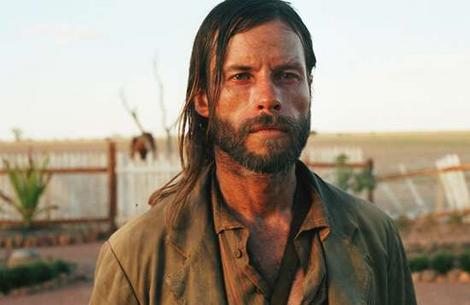
5) The Proposition

Australian director John Hillcoat‘s feature length debut is his best film to date with a very subdued performance by Pearce in the lead role as Charlie Burns. Charlie goes through all manners of hell in this film and Nick Cave’s script puts Pearce front and centre in this epic. It’s a really underrated and underwatched film and features multiple performances as well as Pearce in this film that are highly worthy of mention, in particular the late John Hurt.

picture_0

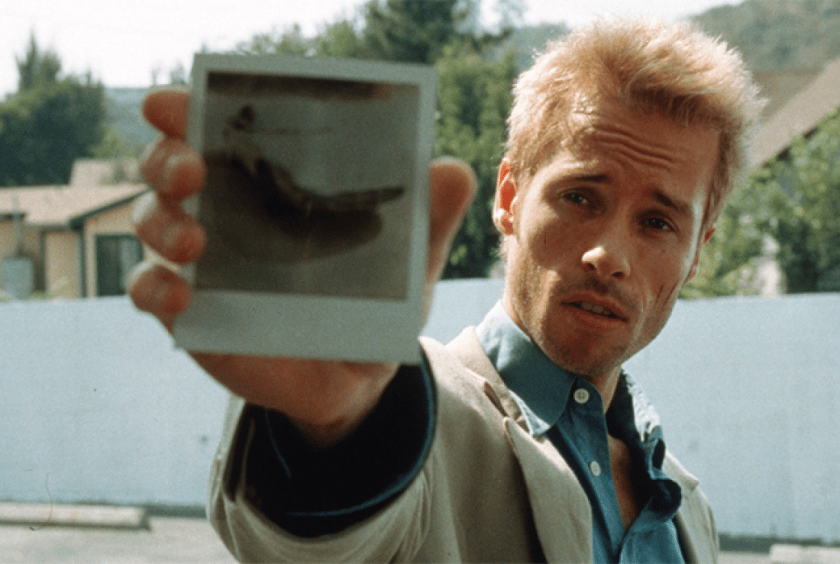
4) Memento

‘Memento’ is Christopher Nolan’s second film after ‘Following’ but his first with a fair budget and a well-known cast. Guy Pearce is excellent as the amnesiac Leonard who tries to learn through conversations, violence and tattoos to search for the people who attacked him and killed his wife. ‘Memento’ is highly original in having its narrative play backwards and also experimenting through colour. It’s an ingenius concept and ‘Memento’ really put Nolan on the map of filmmakers to take seriously.  If you want your first film to watch from this director and have a great Guy Pearce performance within it, this is a great place to start.

guy-pearce-kings-speech-image-2

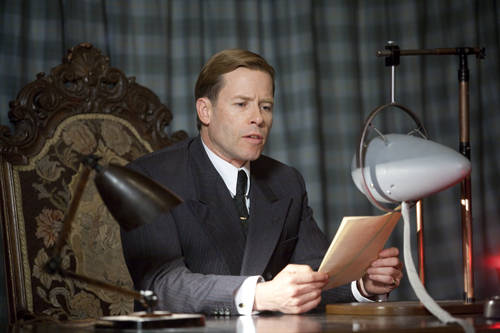
3) The King’s Speech 

Tom Hooper’s ‘The King’s Speech’ recieved many accolades and recieved many nominations for its performances but Guy Pearce, in my opinion, was unfairly left out. Pearce plays Edward, Prince of Wales who becomes King temporarily until he abdicates due to his relationship with Wallace Simpson, a twice-divorced American. One can really sense in Pearce’s performance the inner turmoil the character has to go through, trying to conform to expectations whilst at the same time doing what enriches him best. It’s a very meaty role and one that Pearce wholly succeeds in pulling off.

iron-man-3-villain

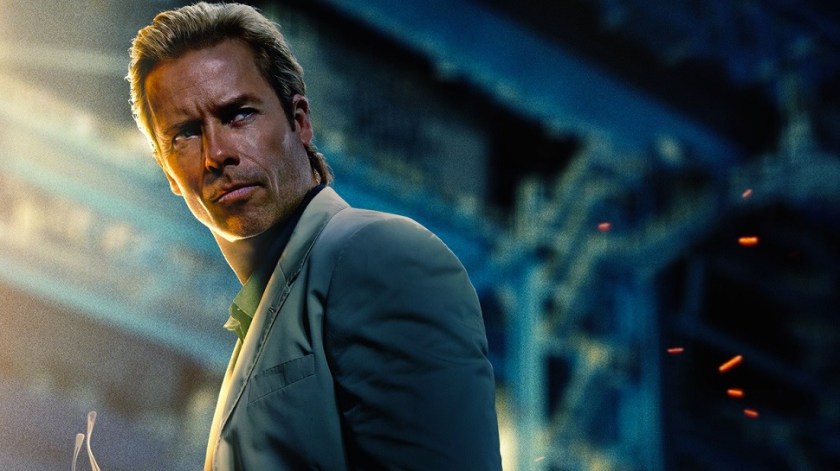
2) Iron Man 3

It may come a bit of a surprise that I have ranked this entry in the ever-expanding Marvel Cinematic Universe behemoth. But ‘Iron Man 3’ is one of the most original entries largely thanks to Shane Black’s direction and a fair amount of plot surprises sprinkled in. Guy Pearce excels as Aldrich Killian. Again, Pearce plays a character who is suffering his own personal problems and Pearce is really able to elevate the material with his performance. 

19_guypearce-w529-h352

1) Lawless

‘Lawless’ is the weakest film quality-wise on this list but Pearce absolutely knocks it out of the park as the villainous Marshal Charley Rakes who antagonises the Bondurat brothers by trying to shut down their Prohibtion-era moonshine business. Pearce plays a really nasty, slimy character who is unpredictable, suitably ruthless and menacing. He really steals the show here and dramatically elevates the quality of the film. ‘Lawless’ would otherwise be a slightly above-average but a deeply flawed crime film. It still is largely but at least the threat from Pearce’s character seems extremely real.


So there we go, there’s my personal Top Five. You’re probably wondering though, where are ‘L. A. Confidential’, ‘The Hurt Locker’ and ‘Animal Kingdom’? Well whilst I do like those films, I feel that these five are more special to me although these films do contain some of his best performances too and are mostly excellent films in their own right. Pearce has such a wide range of performances and films that he his career has spanned across many genres.  Here’s hoping ‘Brimstone’ is worthwhile (it has all the signs)and that this very versatile and talented actor’s career continues to flourish.

9b2eddf0-fe44-11e6-ad46-19db42bc221b_20170303_brimstone_onlyyoucansave

‘Brimstone’ will be released in UK cinemas on Friday 29th September

Reaction Time

Uncategorized

mother-the-film

Darren Aronofsky’s highly anticipated ‘Mother!’ has finally been released into cinemas and it has recieved a very polarising response. Some have loved it, some have hated it: a marmite response if you will. Just before the film opened last Friday, as I regularly do, I watched Mark Kermode’s ‘Kermode Uncut’ blog where he talks about his reaction to the film, or rather how he comes to it. (Watch here) Kermode discusses how an initial response to a film may not be a genuine response and that a film needs time to process. In the case of ‘Mother!’ which he hadn’t reviewed yet when posting this article, Kermode explains how he had seen it a week prior and was still mulling over his reaction before reviewing the film in full last Friday on his regular Kermode and Mayo Film Review slot on 5Live. He also explains how before the film, PR representatives had explained to the critics that there was no embargo for reviews but also they wouldn’t ask for their reactions straight after the film instead allowing the film to settle before deciding on a verdict. This is a very interesting piece of marketing and I certainly have a lot of respect for the film, regardless of its quality (I haven’t seen it yet), for this tactic. We have become accustomed to the culture of quick responses, Rotten Tomatoes scores and whatnot and for a film to be concerned with achieving genuine responses is a good thing. In particular, a film that supposedly demand questions and has multiple interpretations.

Let’s have a look at the notion of a genuine response. In my opinion, a genuine response to a film is one that has been considered and thought about for a couple of days before putting pen to paper. This is partly a reason why my reviews aren’t released instantly on a film’s release. I would much rather post my true response rather than haphazardly come to a verdict just to get a review out on time. I read a comment on Kermode’s blog that belittled him for having to take a week to think about the film. I thought this was rather unfair as if the film really is as labyrinthine as it has made out to be and it challenges genre codes and conventions, it is certainly something that one would need to think about. A week doesn’t sound that unreasonable to me.

This notion of a genuine response doesn’t take into account the factor of rewatching. I’m sure this is true for many but I can think of a number of films where my opinion has changed of a film over time after rewatching it multiple times. You don’t always notice little details and intricacies on first viewing and you can pay attention to different aspects of the film when rewatching. In an ideal world, there are a number of films that I have reviewed here that would have benefitted from me rewatching it again just to solidify my opinion. A couple of examples to prove my point include ‘The Hateful Eight’, ‘Hell Or High Water’ and ‘Dunkirk’. This also begs into question the notion of star rating – if you are a regular reader, you have noticed that I virtually never give a film 5-stars. How is one to judge if a film is perfect on first viewing? With the benefit of hindsight, if I could re-review some of the films that I have watched, 5-stars would be more regular as I know the film better.

hateful_eight_twc_1-0-0

Going back to my examples, I will start with ‘The Hateful Eight‘ first. My initial response and review to the film was extremely positive and I gave it a 4-star rating. I have rewatched the film many times since my first viewing and for me, it is a film that improves on each viewing as I notice a lot more going on in the film, little details and its script. If I could re-review it, I’d give it 5-stars and I would actually rate it above ‘Room‘ which I gave my very rare 5-star rating to on first viewing. Ironically, in my original review of ‘The Hateful Eight’, I thought it wouldn’t hold up as well as some of Quentin Tarantino’s other works and mentioned in my review that it doesn’t seem to “have as much of a rewatchablity factor as perhaps some of his other films”. How wrong was this?!

‘Hell Or High Water’ is another example of a film that has elevated and another film I’d give 5-stars. It took me a couple of watches to really appreciate it and to be honest, if I were to rewrite my favourite films of 2016 list, I’d probably rank it even higher. With ‘Dunkirk‘, my response was very mixed and I found the inital first watch rather empty in emotion. I haven’t had a chance to rewatch the film but this is certainly a film where my opinion could change either way.

Reading these confessions, one might question the credibility of my reviews. I would too, with the notion of the passing of time. But then, surely everyone (not just film critics) is entitled to change their mind over time. Do we have to wait for a year for a reviewer to have watched the film multiple times to come up with their opinion? Certainly not and if that were the case, reviews wouldn’t be credible – how are we able to accurately gauge if someone likes a film without reading their review or their verbal opinion? Perhaps we need to read more reviews of people coming back to films and updating and developing their initial responses?

Looking at another aspect to this difficult question would be the job of a film critic. Quite often, critics need to watch multiple films a day in order to have enough content and to meet the needs of the publisher. How do we know their true response if they’ve immediately finished watching the film and then heading off to watch the next film in their schedule? I have done this too a couple of times and I feel as if my reviews and I’m sure others think this too aren’t quite as strong as you’re trying to juggle your opinions on multiple films on the same day. How can we truly get a genuine opinion?

An example would include ‘It‘, Andres Muschiett’s imagining of Stephen King’s novel which released earlier on this month. I was asked to review it for a newspaper and my deadline was a Sunday when the film only released two days prior. I luckily managed to watch the film on the Friday but I very quickly had to come to a verdict and write something meaningful about it in such a short amount of time.

kingsman_goldenn_circle_1000-920x584

More extreme would be just last night when ‘Kingsman: The Golden Circle’ had its premiere and reviews for it which were embargoed until 10pm UK time were almost instantaneous. Robbie Collin, a stand-in Wittertainee and film critic for The Telegraph, tweeted that he was about to watch the premiere and less than 12 hours later, had a full review of the film, admittedly a very coherent one and well-developed. Even though he thoroughly disliked the film, did he really have time to process it between leaving the press screening and publishing his review?

I suppose the conclusion that I’ve come to is the main point of reading a review is to try and gauge more of a general response and if they enjoyed it, rather than looking too deeply into the film. At least the reader knows if the film is likely to be an enjoyable experience based on the star-rating and the main opinion to see if it is worth their time.

I’m not trying to give answers to Kermode’s article or to my own questions. I’m just trying to pose more questions and if you’re reading this article, getting you to consider this fundamental aspect of reviews. This isn’t strictly limited to film, this applies to literature, music and any form of media. But try to bear the notion of initial responses and genuine responses and read between the lines. It can only help to enrich your experience and get you to pose questions and challenge opinions.

‘Mother!’ is out now in UK cinemas. ‘Kingsman: The Golden Circle’ will be released in UK cinemas on Wednesday 20th September. 


It (Review)

Uncategorized
how-will-the-losers-club-defeat-pennywise-did-the-gun-provide-a-clue-in-the-second-it-2017-movie-trailer

⭐⭐⭐ (Good)

Director: Andres Muschietti
Starring: Jaeden Liberher, Bill Skarsgård, Jeremy Ray Taylor, Sophia Lillis, Finn Wolfhard, Wyatt Oleff, Chosen Jacobs, Jack Dylan Grazer 

Certificate: 15
Run Time: 135 mins

‘It’ is the deliriously anticipated film adaptation of the 1986 Stephen King novel. ‘It’ focuses on the cursed town of Derry, Maine where a demonic presence (taking the form of Pennywise the Dancing Clown) inflicts terror every 27 years, terrorising and murdering children and shapeshifting into their worst nightmares. The narrative follows a group of misfit children who call themselves ‘The Losers Club’, together attempting to end this malevolent curse. There has previously been a mini-series in 1990, perhaps most famous for Tim Curry’s electric performance as Pennywise. This 2017 iteration is directed by Andres Muschietti, his second film after the grating, cliche-ridden ‘Mama’ (2013). Muschietti had replaced Cary Fukunaga who now remains with solely a writing credit.

‘It’ is hypnotic and tension-fuelled for the first half, flowing very naturally. Fukunaga’s influence in tone remains, fully fleshing out its captivating characters. Where the film has wildly succeeded is in its casting. ‘The Losers Club’ are all cast perfectly and Jaeden Libeher and Finn Wolfhard give a particularly genuine performance as Bill, the group’s leader and Richie, a character with an uncommonly foul mouth. Facing stiff competition from Tim Curry who set the bar extremely high, Bill Skarsgard makes Pennywise his own and is supremely sinister and charismatic. The film also features a thoughtful and melodic score by Benjamin Wallfisch and is handsomely shot by Chung-hoon Chung.

Unfortunately, ‘It’ becomes rather wearing in its second half and its scares cheap and uninventive. The ending is quite predictable, with too much concern of setting up the upcoming second part. The visual effects are also surprisingly ropey despite the film’s modest budget.

If you’re looking to be suitably scared, prepare to be disappointed. This is more ‘funhouse’ scary than truly neck-prickling more in the vein of Richard Donner’s ‘The Goonies’ (1985). Although ‘It’ may not do much to advance the horror genre, it’s certainly thrilling enough particularly in its first half to pass the time well.

⭐⭐⭐ (Good)