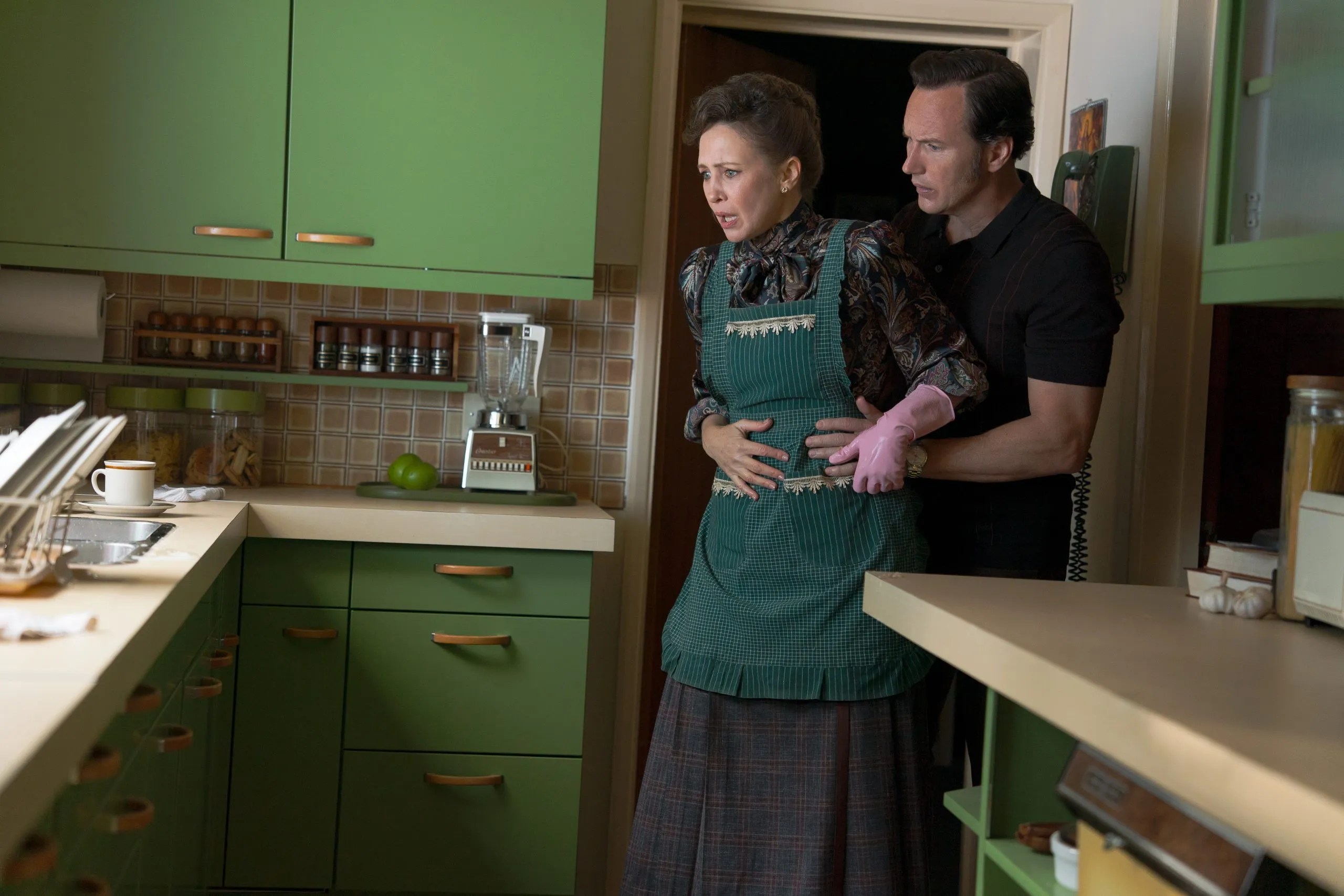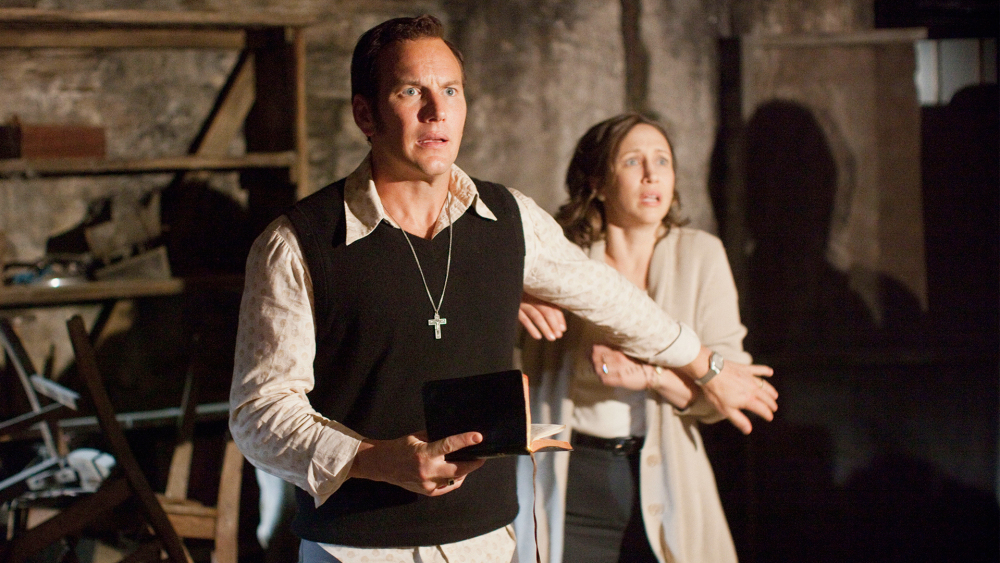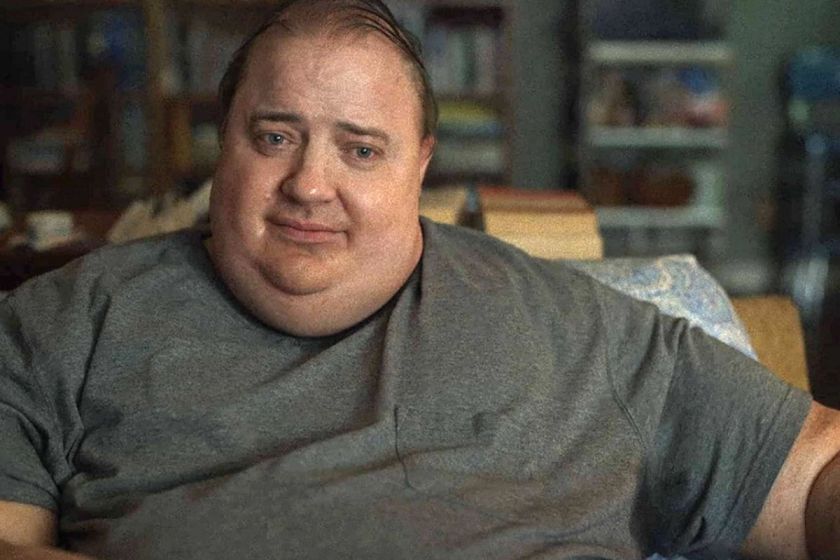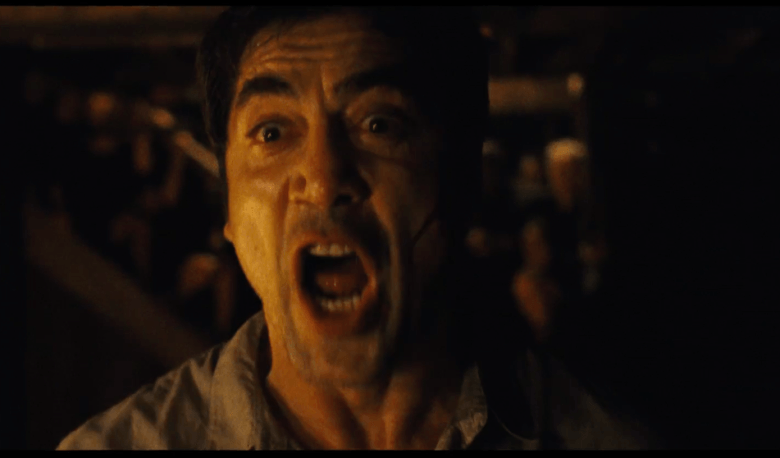
Every Film In The 28 Days Later Series Ranked (Including 28 Years Later: The Bone Temple)

Rankings
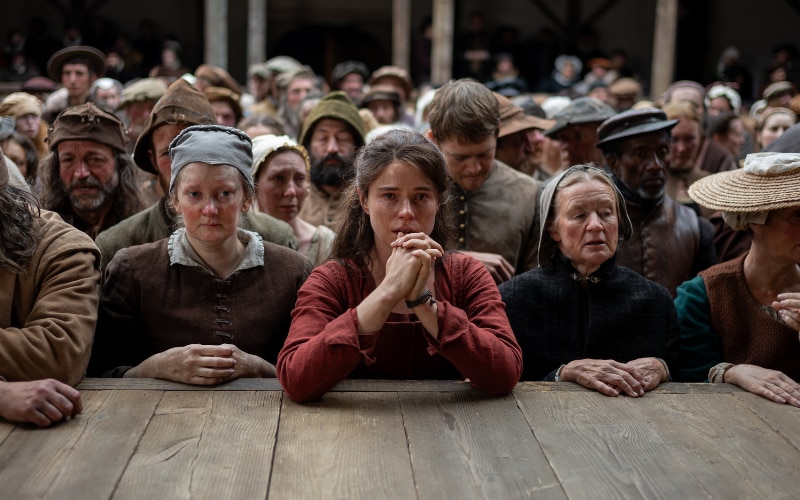
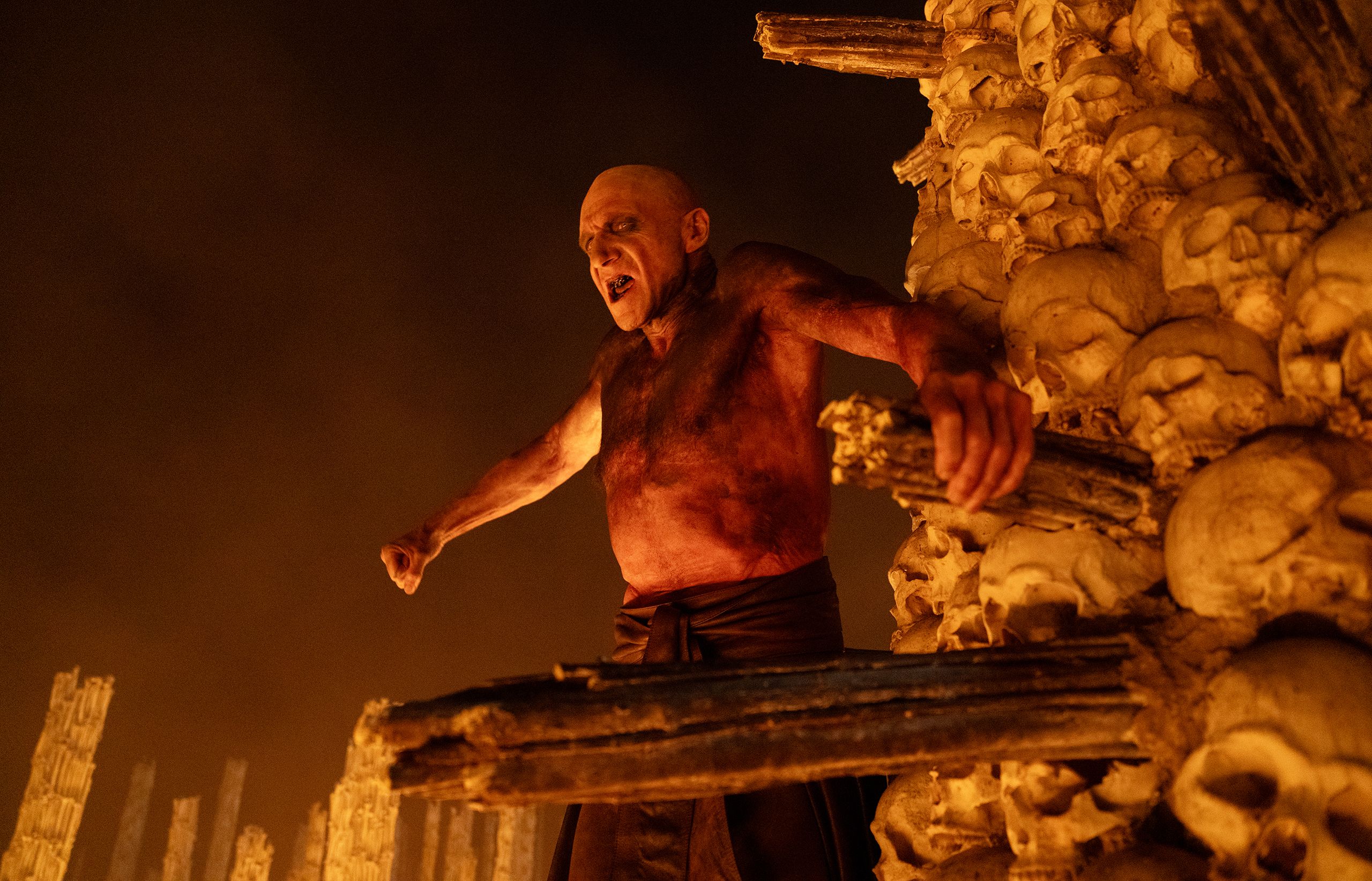
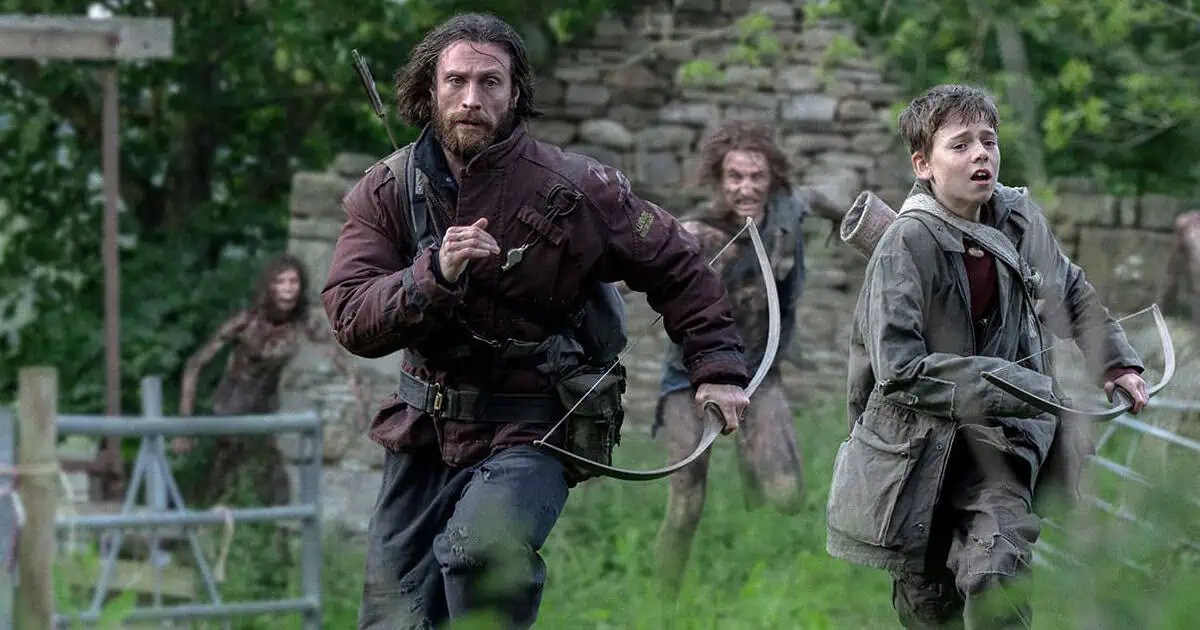
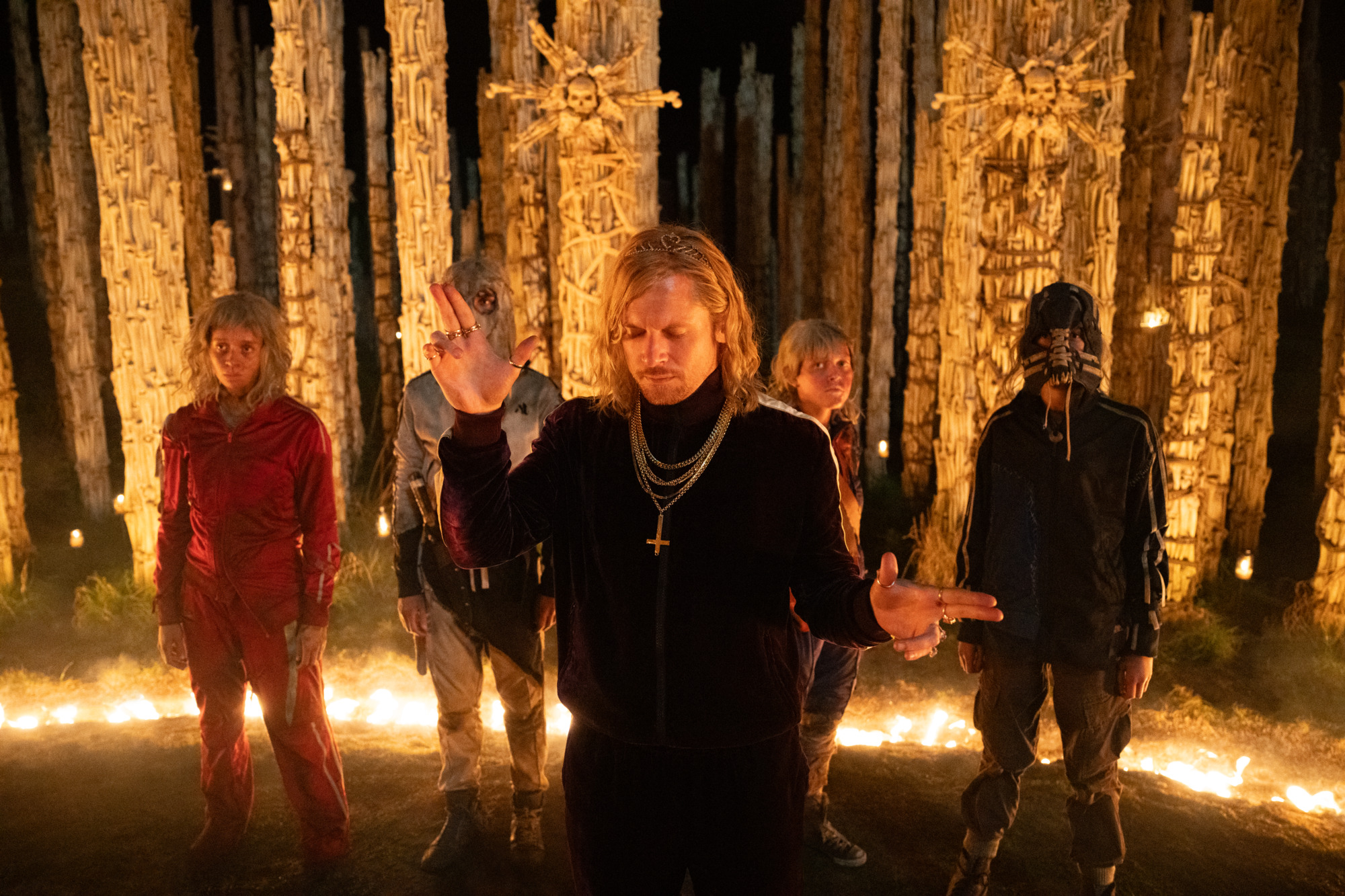
Still from '28 Years Later: The Bone Temple'

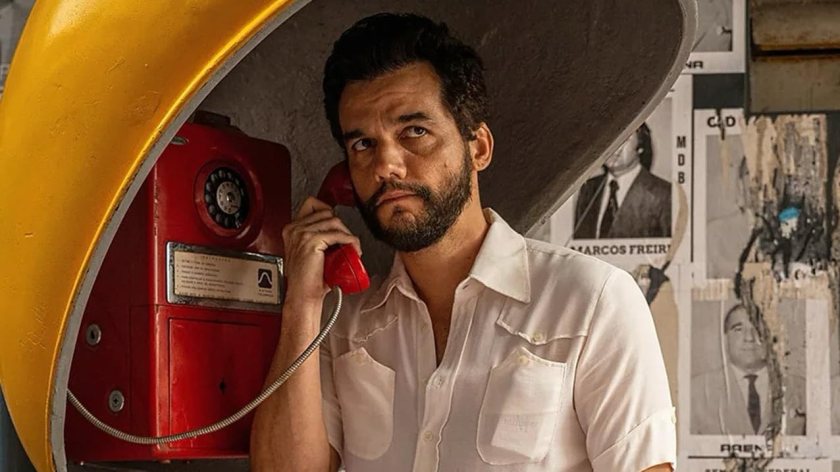
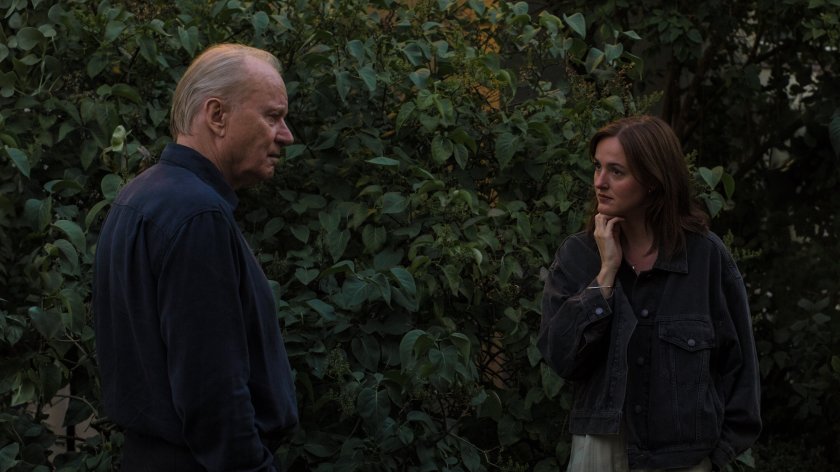
Little did we know in 2002 when Danny Boyle and Alex Garland’s genre-furthering zombie horror 28 Days Later released that it would spawn an entire series. With four films in the franchise (and a fifth reportedly on the way), the franchise depicts the outbreak and effects of the contagious Rage Virus that induces homicidal rage in those that become infected, be it from a full-on bite or just a small drop of blood. The series focuses on the impact of the disease and how it decimates British society, and the original became quickly lauded as a cult classic and has had a significant influence in expanding the the zombie horror genre.

After the critically acclaimed 28 Days Later, neither director Danny Boyle or writer Alex Garland returned for the second instalment, 28 Weeks Later, handing the keys to Spanish director Juan Carlos Fresnadillo. Although it received good reviews, many felt it wasn’t a patch on the original.

The series remained dormant until 2025, when both Boyle and Garland returned with 28 Years Later. This was intended as the start of a new trilogy written by Garland, and was filmed back-to-back with 28 Years Later: The Bone Temple, although Boyle passed the baton to Candyman director Nia DaCosta. With The Bone Temple generating a rapturous response, a trilogy capper has been greenlit with Boyle back at the helm.

In this article, I’ll rank the four films to date – and it proved a rather difficult task because this is one of the most consistent horror series out there where even the film in last place is well above average.

4) 28 Weeks Later

Still from '28 Weeks Later'

The second film in the series is the only one to date that didn’t have Alex Garland on writing duties, but 28 Weeks Later is still an above average zombie horror with plenty going for it. Robert Carlyle makes for an excellent lead as Donald ‘Don’ Harris, who we witness leave his wife behind during a zombie attack in the brilliant opening scene. The rest of the film then relocates the action to London, where the American-led NATO forces try to establish a safe zone. Don tries to reunite with his children Tammy (a young Imogen Poots) and Andy (Mackintosh Muggleton) where he lies about abandoning their mother. But Tammy and Andy quickly discover they haven’t been told the truth when she’s found alive and well, and it’s discovered she’s an asymptomatic carrier of the Rage Virus. What follows is an insightful study into how societal breakdown reveals our worst selves and Juan Carlos Fresnadillo directs the film with plenty of energy in its thrilling second half. It may lack Danny Boyle’s frenetic direction, but 28 Weeks Later is a very fun ride.

Rating: 3.5 out of 5.

3) 28 Days Later

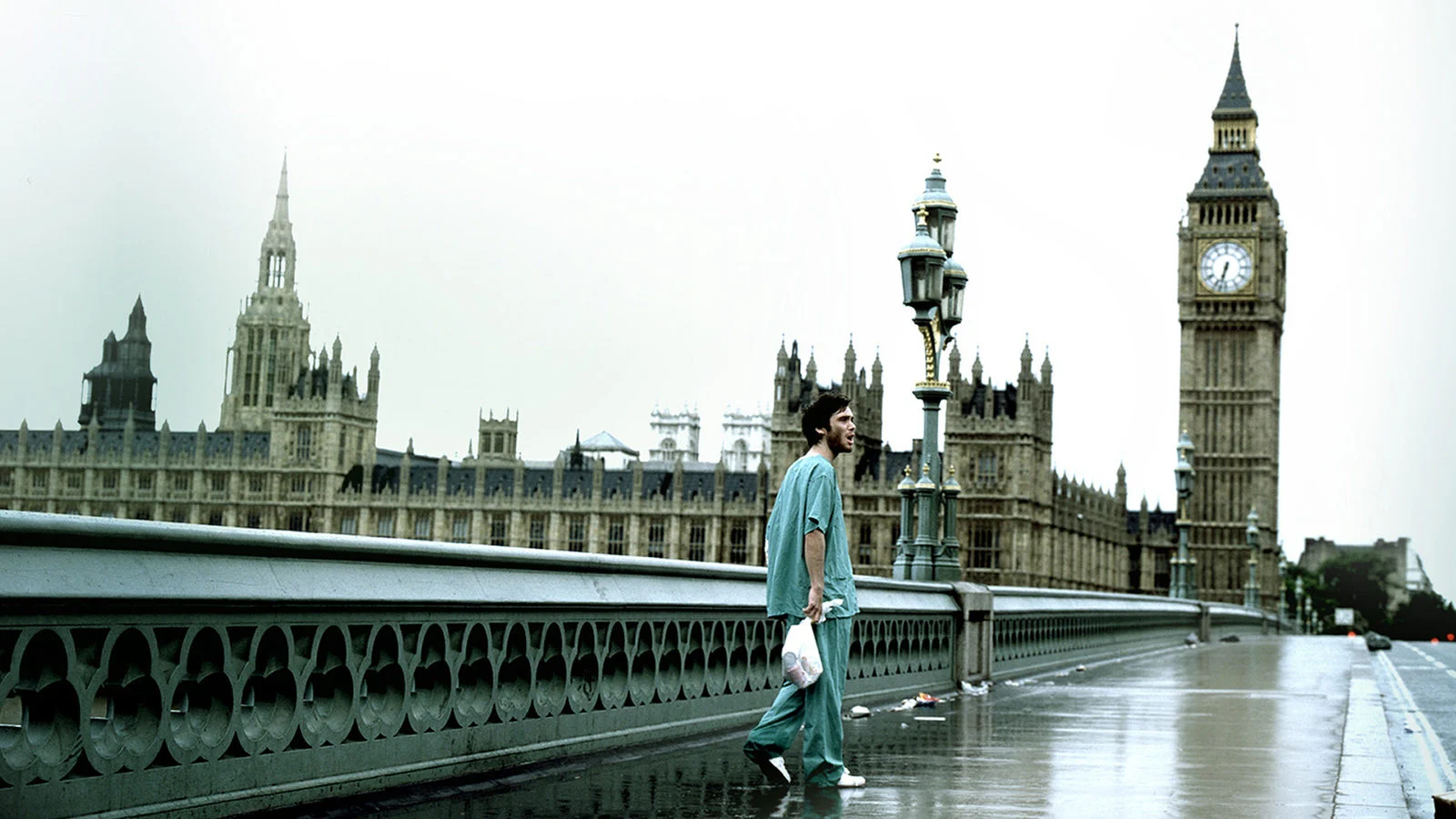
Still from '28 Days Later'

While I’m sure many will feel the original film placing third in this list is blasphemous, hear me out. 28 Days Later is an excellent zombie horror that progressed the genre with its fast-moving infected and clear inspiration from George A. Romero’s Night of the Living Dead. Garland’s script provides plenty of sharp commentary on the breakdown of society and there’s some excellent performances from Cillian Murphy, Naomie Harris and Brendan Gleeson. The first hour has a real bravura energy to it with some terrific set pieces, and is unmistakably Danny Boyle with Anthony Dod Mantle’s kinetic cinematography. John Murphy’s score is also endlessly memorable in its simplicity. But I’ve always thought the second half doesn’t live up to the first when the central quartet arrive at Christopher Eccleston’s army compound. At this point, the film becomes less about its characters and while it’s still very entertaining, it’s the first half that really shines.

Rating: 3.5 out of 5.

2) 28 Years Later: The Bone Temple

Still from '28 Years Later: The Bone Temple'

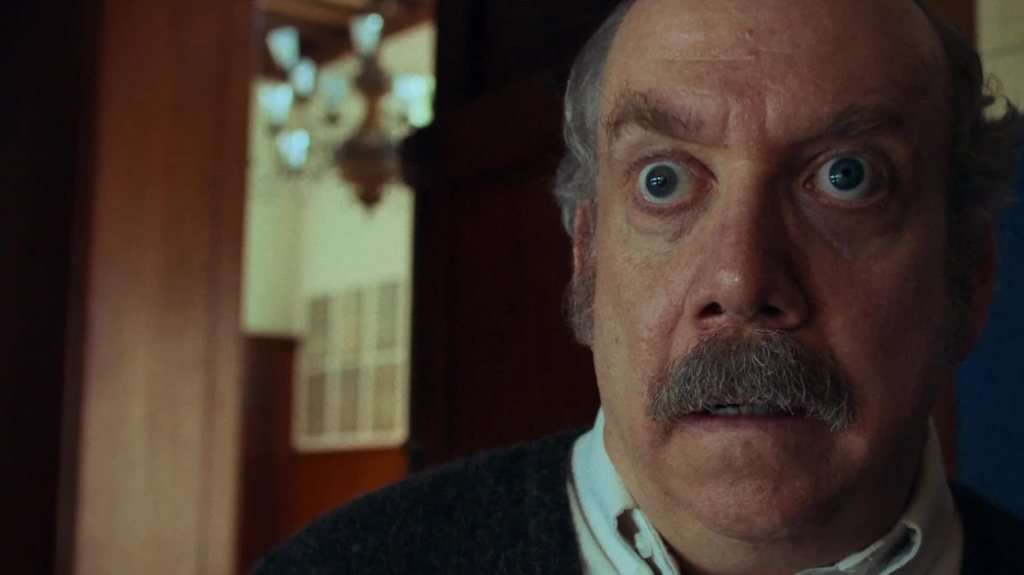
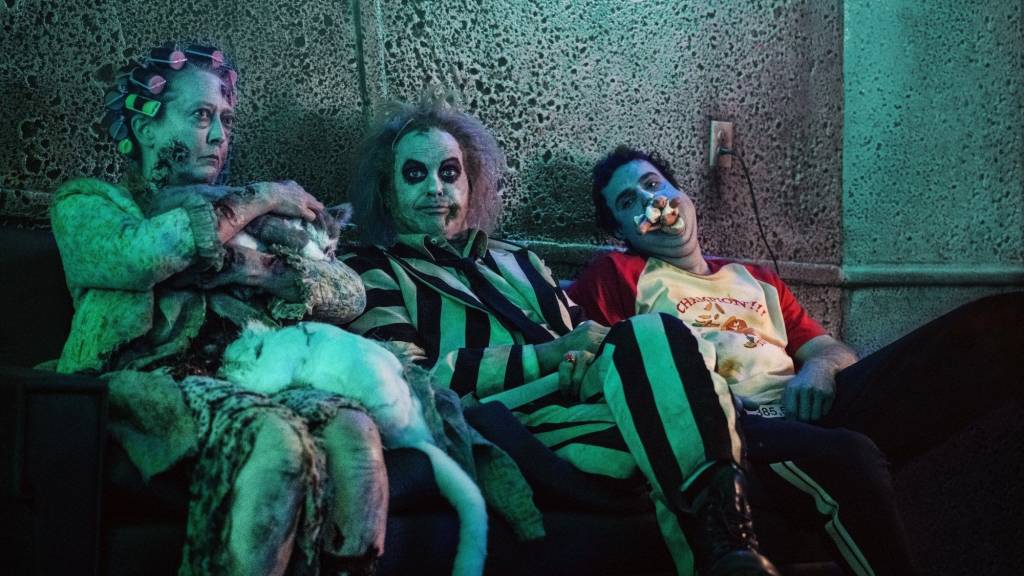
While 28 Years Later: The Bone Temple lacks Danny Boyle’s frenetic directorial style, it more than makes up for it with its fascinating narrative and memorable characters. It’s the very antithesis of 28 Years Later – a shaggy-dog affair with Anthony Dod Mantle’s disorienting but beautiful camerawork (often on an iPhone) that’s stuffed to the brim with thoughtful ideas and themes, while Nia DaCosta’s sequel is a focussed and polished film that feels smaller in scope. But that’s not a problem because this is a powerfully gripping sequel from start to finish (28 Years Later‘s second act relies on a slightly far-fetched decision that throws you out a little) with some sensational performances.

DaCosta sets the grim tone from the very first scene with Spike’s brutal and foul-mouthed initiation and never relents – this film is gleefully nasty and doesn’t hold back with its torture or body organ consumption. It’s certainly the strongest film in the 28 Days Later series to earn its 18 BBFC age rating. Jack O’Connell’s turn as the Satanic cult leader is absolutely fantastic – he makes for a truly repugnant villain, but with plenty of charisma to make him memorable. Both Ralph Fiennes and Chi Lewis-Parry are just as impressive in the film’s second storyline and when the two arcs eventually collide, it results in a giddily exciting third act climax of immense proportion. What’s more, there’s a brilliant score by Hildur Guðnadóttir and although Sean Bobbitt’s cinematography isn’t as memorable as Anthony Dod Mantle’s work, there are some stunning shots here.

Rating: 4 out of 5.

1) 28 Years Later

Still from 28 Years Later

But the edge goes to 28 Years Later, the third film in the series and the first of a proposed trilogy. This is a very exciting and ambitious sequel that was worth the long wait and it often really soars. This is a Danny Boyle film through-and-through, so expect the grainy feel of the original (this time, lots of the film is shot on iPhones), coupled with seriously kinetic cinematography from Anthony Dod Mantle – it’s one of the most striking-looking films of 2025. This is a film that’s full of ideas, and one that refuses to take obvious choices and like some of returning screenwriter Alex Garland’s recent filmography, there are plenty of influences from the UK’s recent political turmoils as the duo paint a picture of a national identity crisis.

When we get to the action, 28 Years Later is absolutely bursting with adrenaline and you’re constantly looking around the screen (when Mantle chooses to settle the camera for a second) for danger. The first act is where the film is strongest, especially a sequence where Spike and Jamie find themselves cornered in a house and a white-knuckle chase along a causeway. I love the way Mantle chooses to briefly pause a shot when an infected is killed and replay the kill from a different angle, and there are some stunning shots of the lush Northumbrian countryside, as well as the sadly-no-more Sycamore Gap tree near Hadrian’s Wall. The film makes a choice in the second act, which prompts Spike to return to the mainland and this stretch felt a little clunky to me, even if it’s still very entertaining. But the third act when Ralph Fiennes’ character enters the fray sees the film back on firmer footing and there’s plenty of the folkloric and elegiac elements clearly inspired by Garland’s Annihilation and Men. I can forgive the slightly wonky second act for the sheer ambition of the rest of the film because it is often transcendent.

Rating: 4 out of 5.

What are your thoughts? Let me know in the comments or tweet @TheFilmMeister

Best Films of 2025 (10-1)

Rankings, Year In Film

This is the second of two posts detailing my top 20 films of 2025. I previously ran you through my best films of 2025 (20-11) and now it’s time to unveil the top ten.

10) Hard Truths

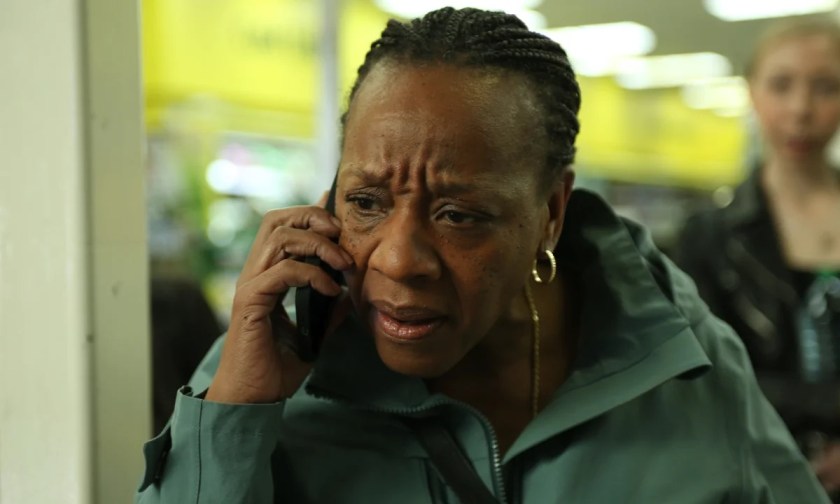
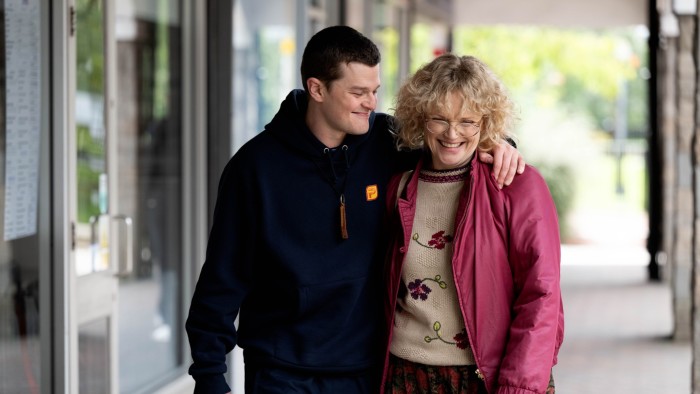
After a couple of historical dramas (the excellent Mr Turner and the underwhelming Peterloo), director Mike Leigh returned to the kitchen sink improvised drama he’s most notable for. Leigh reunites with Secrets and Lies star Marianne Jean-Baptiste, who plays Pansy Deacon, a woman with a short temper who criticises anything and everything. She lives with her quiet plumber husband, Curtley (David Webber) and overweight and jobless but kind-hearted adult son Moses (Tuwaine Barrett). It quickly becomes apparent, though, that Pansy is a deeply troubled woman battling severe anxiety and depression and her sister Chantelle (Michele Austin) tries to ease her out of it.

Hard Truths is another excellent addition in Leigh’s filmography – often very funny but simultaneously devastating. An early scene in a supermarket is particularly rib-tickling as Pansy comes to blows with fellow customers. That devastation slowly invades the humour, though, as the film progresses, and the result is one of Leigh’s most crushing works. Marianne Jean-Baptiste is phenomenal as Pansy, but her performance is matched by both Webber and Barrett as her husband and son and the dynamic between the three of them is perfectly judged. I really felt for all of them and could understand their perspectives on the simmering situation. My only criticism is at 94 minutes, it’s a rather brief film and I wanted to spend more time with these fascinating characters.

9) The Seed of the Sacred Fig

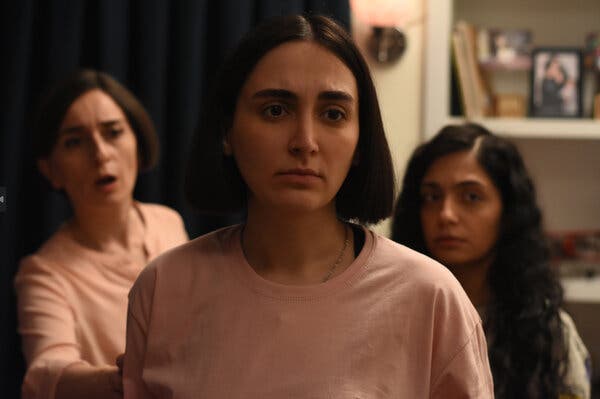
Still from 'The Seed of the Sacred Fig'

The Seed of the Sacred Fig is an enthralling Iranian political drama about a family who are torn apart by politics. The film opens as the patriarch Iman (Missagh Zareh) gets a promotion when he is appointed as an investigating judge in the Revolutionary Court in Tehran. This is amidst nationwide political protests against the authoritarian government, and Iman quickly learns that he’s not been hired to carefully gather the facts before casting judgement – instead, he’s expected to simply approve judgements without assessing the evidence, which includes death sentences. His wife, Najmeh (Soheila Golestani) lives at home with two daughters Rezvan (Mahsa Rostami) and Sana (Setareh Maleki), and all of their relationships become strained once a friend of Rezvan’s is shot in the face during a demonstration and Najmeh and her daughters provide first aid in their apartment without telling Iman.

Directed by Mohammad Rasoulof, an individual who has been arrested several times by the Iranian government for the nature of his films, The Seed of the Sacred Fig is utterly transfixing and the 167 minutes fly by. The characters are brilliantly developed and there’s a real tension in how the family situation continues to escalate before reaching its wild third act. Although this got an Oscar nomination for Best Foreign Language Film at the ceremony celebrating 2024, it’s a much stronger film in my view than It Was Just An Accident (which is still very good), which has received rapturous acclaim ahead of the upcoming Awards season – don’t overlook this film.

8) Marty Supreme

Still from 'Marty Supreme'

Marty Supreme is Josh Safdie’s first film as a solo director since 2008, after his many collaborations with his brother Benny. This sports drama is loosely inspired by the life and career of American table tennis player Marty Reisman, and stars Timothée Chalamet as Marty Mauser, an aspiring and ambitious table tennis champion. It’s a film Safdie has been wanting to make for a while, with Chalamet cast all the way back in 2018, the actor practicing the sport ever since.

This is a brilliant sports drama with a terrific Timothée Chalamet central performance and a tension-filled atmosphere. It reminded me heavily of Uncut Gems, the last film the Safdies directed together, in how it sustains a palpable tension throughout with Marty continually digging himself into more desperate situations. That Josh Safdie has been able to make such a gripping film out of what may seem like a low-stakes sport is a commendable achievement. The film is stunningly shot by Darius Khondji, with a seedy aesthetic that faithfully recreates a 1950s feel and there’s a pulsating score by Daniel Lopatin that dominates over the entire film. This is a wild thrill ride from start to finish that never lets you take a breather and it’s impressive how Safdie gets you to root for a host of unlikeable characters.

7) Caught Stealing

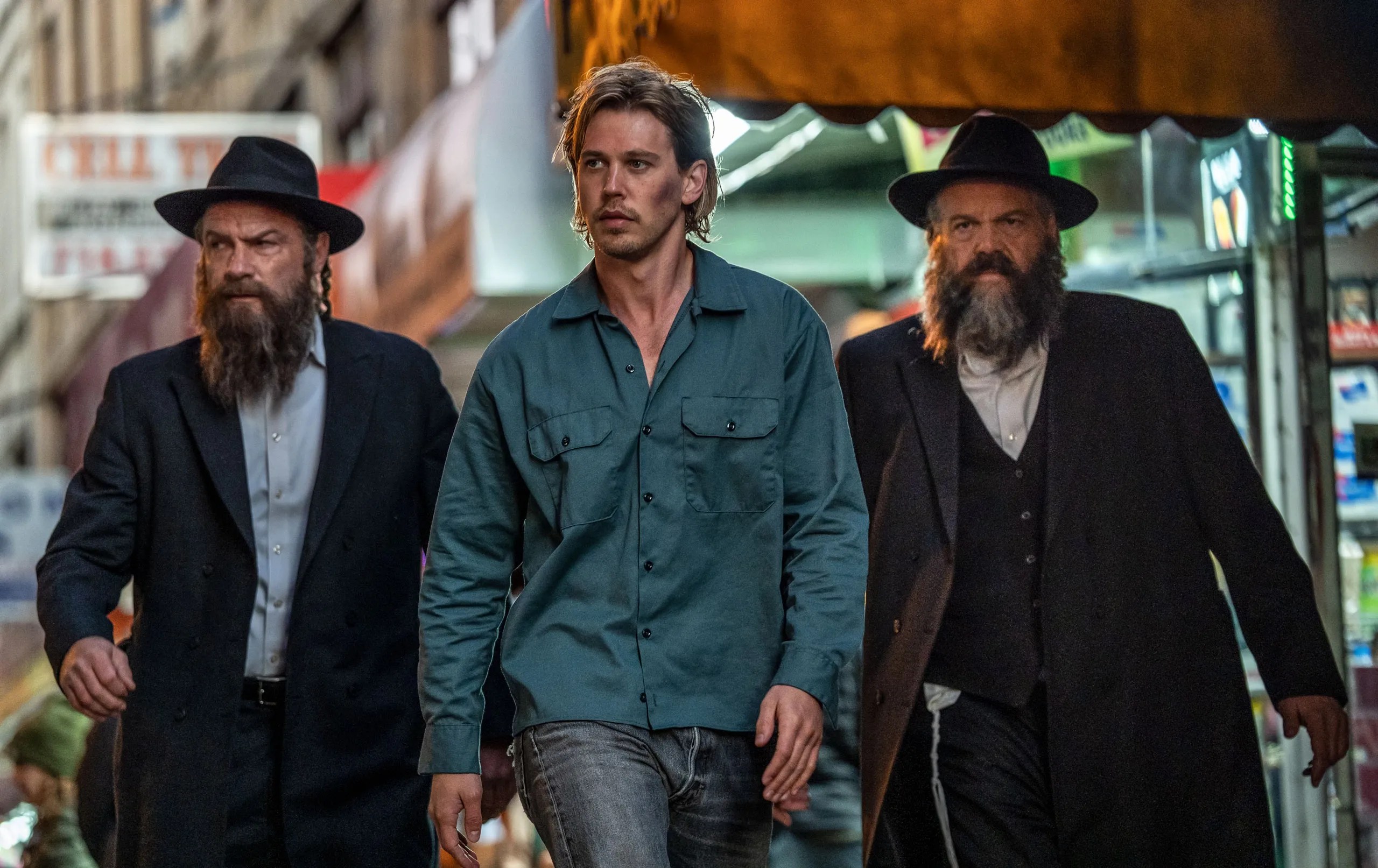
Still from Caught Stealing

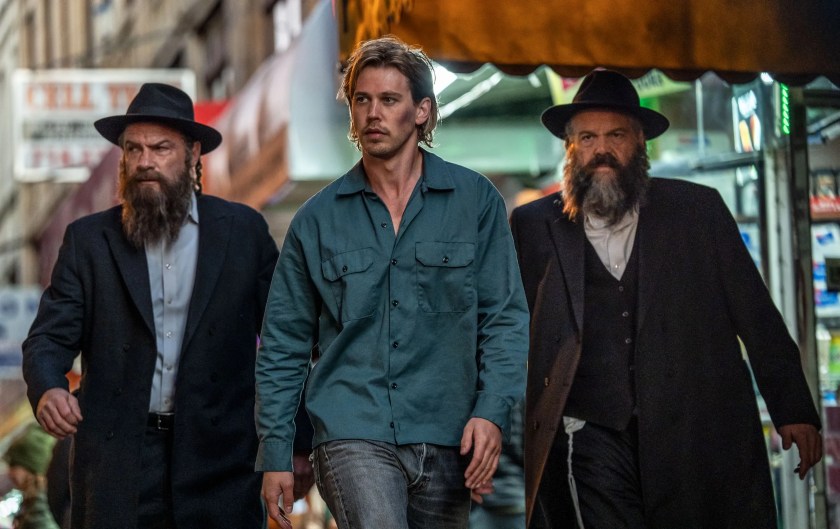
It might seem strange that Darren Aronofsky chose to direct what appears to be a straight-up crime thriller, an adaptation of the 2004 Charlie Huston novel – after all, he’s known for his psychological dramas that explore broken and conflicted individuals. However, don’t worry because there’s plenty of Aronofsky to be found in this darkly original film. Caught Stealing is a wildly unpredictable ride from start to finish that holds no punches in its brutal approach. Aronofsky is on top form here, and the film is directed with real flair, with plenty of his trademark grimness. This is a film that’s often wince-inducing and blackly comic, often at the same time. It has a real kineticism, and there’s some excellent set pieces, especially a third act car chase. But there’s also heart and I really brought the electic mix of characters trying to survive in a grimily realised New York City.

Austin Butler is terrific as Hank, a deeply troubled individual who’s struggling to get himself out of a vicious cycle. Aronofsky gives the character plenty of meat to the bone. Matt Smith is having fun as the drug dealer neighbour with an outrageous mohawk, and Regina King’s excellent as a deliciously slippery police detective. Liev Schreiber and Vincent D’Onofrio are also brilliant as Lipa and Smully Drucker, Hasidic brothers who you really don’t want to mess with. The film’s vividly shot by Aronofsky’s regular cinematographer Matthew Libatique and there’s a fun post-punk score by British band Idles that’s been written by Rob Simonsen, who scored The Whale. I was surprised just how much I liked Caught Stealing, expecting it to be a minor work by Aronofsky after his last couple of films have explored some heavy subject matter, but this is up there with some of his best work.

6) Warfare

Still from Warfare (2025) film

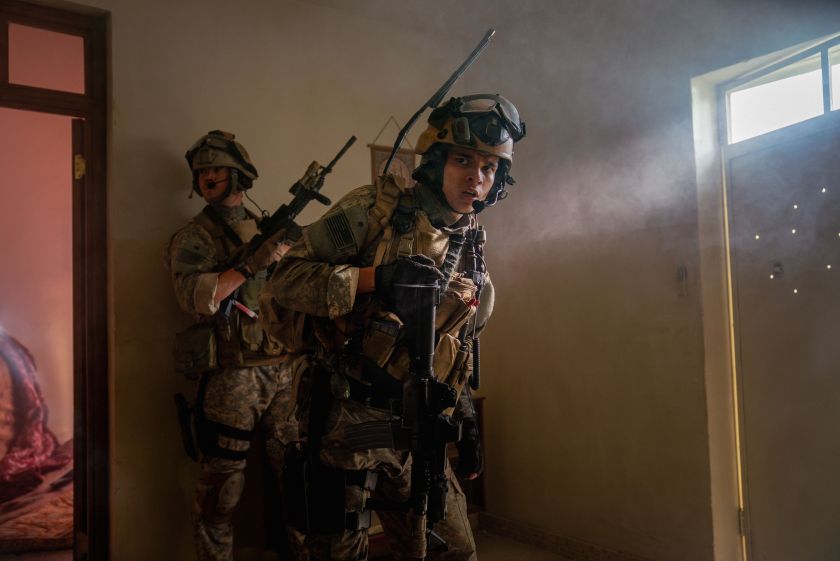
A war film directed by Ray Mendoza and Alex Garland, Warfare is based on Mendoza’s experiences during the Iraq War as a US Navy SEAL. The script and story is taken from the testimonies of the platoon members and presented in real time on one horrible day in November 2006 as the squad takes control of an Iraqi house under the cover of darkness. What follows is a bloody, pointless siege as the platoon comes under enemy attack. Mendoza previously acted as the military supervisor for Alex Garland’s excellent previous film, Civil War. For Warfare, Mendoza and Garland wrote the script together and although both filmmakers receive a director credit, Garland says he had more of a supporting role to Mendoza. All in, this film certainly has an original and intriguing concept.

Warfare is a powerful and gripping war film – a haunting meditation of the human experience without a forced story arc or political stance. Mendoza and Garland ratchet up the tension throughout, crafting an unnerving atmosphere that the platoon are going to be annihilated by the enemy, even though long stretches of the film are of the monotony of waiting around. There’s almost a documentary feel to cinematographer David J. Thompson’s cameras, which makes the experience all the more lifelike. The sound design, in particular stands out – this is a must-see in the cinema for the sound alone. I particularly admired how the film experiments with sound from the character’s perspective, for example a high-frequency, unearthly pitch after a bomb explodes. Save for an ending sequence, the film’s also devoid of music which really works – there are no artificial devices here to emotionally manipulate. Warfare is an incredibly immersive and visceral piece with a lean and mean quality to its pacing. I’m sure some who will criticise the film for not taking a political stance, like Garland was criticised for not doing with Civil War but that’s missing the point –Warfare is instead about the pointless destruction of war.

5) I’m Still Here

I’m Still Here is a political biographical drama about a husband’s forced disappearance during the military dictatorship in Brazil and Walter Salles’ first film since 2012’s On The Road. It’s based on Marcelo Rubens Paiva’s 2015 memoir of the same name, Marcelo being the son of Rubens Paiva, who was the victim in question. Fernanda Torres places Eunice Paiva, Rubens’ wife and activist, with the film largely told from her perspective and how she struggles to cope emotionally and financially, while trying to raise her five children. 

I found I’m Still Here to be a deeply affecting and gripping piece of work, masterfully directed by Walter Salles who skilfully contrasts the quiet family domesticity with the simmering and oppressive political horror. Although the film tells a story that happens in the past, I’m Still Here feels very contemporary with its mirroring of current dystopian events. The first hour is quite fast-paced, whereas the second is much slower but this is where the film really wraps its enchanting spell – it reminded me of Roma in many ways in terms of how it finds beauty in the mundane. The film’s complimented by a wonderful Warren Ellis score, which is very subdued in the first half but becomes more melodic later on. Although the majority of the film is set in 1970, the last half an hour jumps forward to 1996 and 2014. Although these somewhat disturb the film’s rhythm, they’re crucial in how they magnify the cruel Brazilian regime of 1970 and how the father’s disappearance continues to have a lasting effect on Eunice and the rest of her family’s lives, lending the film an epic quality. Fernanda Torres is just sensational as Eunice and fully deserving of the Best Actress Oscar nomination she received. She deftly balances her intelligence and frantic search for the truth while being as motherly as she can to her children. This is Walter Salles at the top of his game supported by terrific performances and an important, timely story.

4) The Brutalist

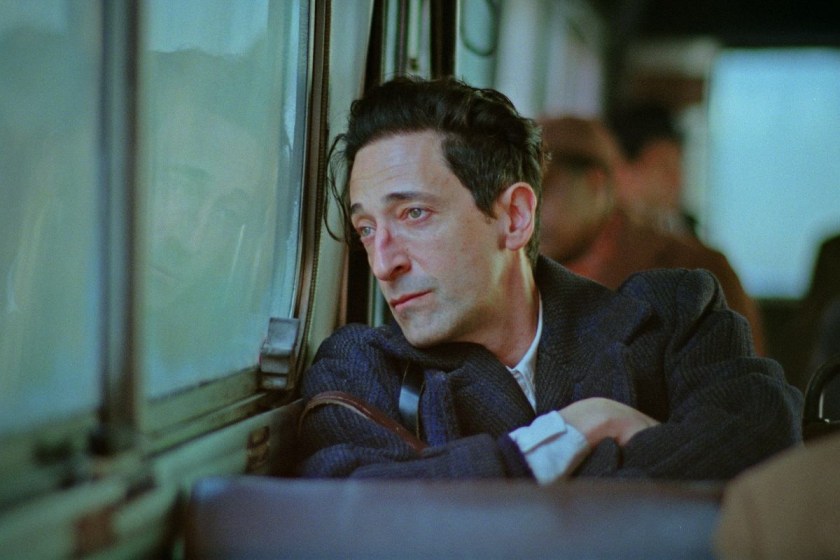
The Brutalist is an epic period drama directed by Brady Corbet, who last made the excellent Vox Lux. Undeniably more ambitious in scope, Corbet’s latest spans over thirty years and a three and a half hour run time. Adrien Brody plays László Tóth, a Hungarian-Jewish Holocaust survivor and Bauhaus-trained architect who immigrates to America and tries to integrate into their culture. Corbet directs the film with real bravura – although it’s about Tóth’s architectural career on the surface, there are plenty of parallels with the idea of how someone suffers for their art and how they are the person remembered rather than the entity throwing money at a project. Of course, that means there’s themes of compromise and interference and although its last 30 minutes may seem to take a different, seemingly incomprehensible tone, I found it very thought-provoking.

Adrien Brody turns in a career-best performance as the suffering artist, nailing the Slavic accent and mannerisms. Guy Pearce is also a standout as a slimy financier in a very multi-faceted performance. Pearce is no stranger to playing villains – his deliciously evil turn in Lawless is evidence of that – but this is a complex individual with all the qualities of someone who has too much money. I was less taken with Felicity Jones’ turn as Erszébet, who doesn’t feel as authentic as Brody or Pearce. But I don’t think all of the blame should be placed on Jones because her relationship with László is underdeveloped and in my opinion, that’s the film’s main flaw. Daniel Blumberg’s prickly score is wonderful, lending the film a simmering intensity and he crafts many memorable themes that develop throughout the film. The Brutalist is also beautifully shot by Lol Crawley, resurrecting the VistaVision process to authentically portray the period. It’s staggering how good the film looks, considering its modest $9.6 million budget and bearing in mind its epic run time. While not perfect, I loved The Brutalist, teeming with brilliant performances, a sharp script and endlessly striking visuals. Granted, some elements are underdeveloped but this is a film that earns its lengthy runtime and I was engrossed from start to finish. I can’t wait to see what Brady Corbet does next.

3) Zootopia 2

Still from Zootopia 2

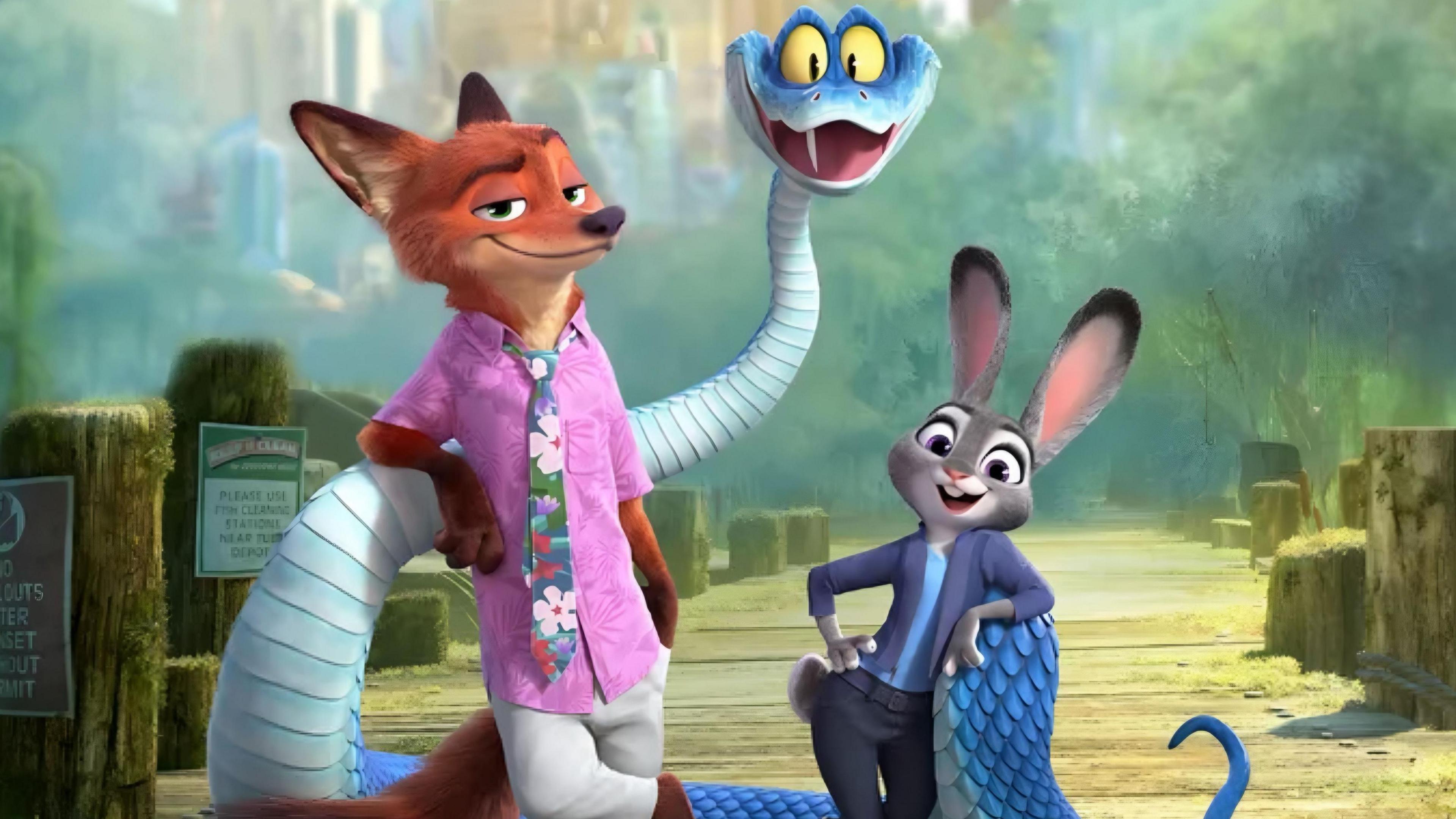
It’s very rare that a long-awaited sequel can better an outstanding original film. But Zootopia 2 did just that – a real treat of a film that takes everything there is to love about the original and develops it in a very satisfying way. The gags come quick and fast and there are so many small, clever details to find in repeat viewings, but this is balanced with plenty of heart and emotion too. Directors Byron Howard and Jared Bush perfectly balance familiar elements that were the highlights of the original film, with new characters, gags and locations. There’s some fantastic set pieces, ranging from a kinetic opening car chase to a powerfully emotional sequence in a power plant. The film’s also intelligently relevant to current events, such as its depiction of a puppet-like mayor (a stallion hilariously voiced by Patrick Warburton) and the unjust persecution of minority races.

The chemistry between Nick and Judy is brilliant once again, from lots of laughs to be had in them being forced into a therapy session to their relationship being tested time and time again through events with real stakes. There’s some excellent additions to the cast, with Ke Huy Quan a highlight as Gary De’Snake, Patrick Warburton as the aforementioned Mayor and Danny Trejo as a basilisk. It’s all held together by an excellent score by Michael Giacchino, who introduces some memorable new themes. I can’t wait to see where the world and characters are taken next, and not only is it one of the best films of the year, Zootopia 2 is one of the best animated films of the decade, along with Soul and Wallace and Gromit: Vengeance Most Fowl.

2) One Battle After Another

Still from 'One Battle After Another'

One Battle After Another is a Paul Thomas Anderson triumph – it’s a giddily exciting action epic with plenty of thrilling surprises up its sleeve. It’s fiersomely original, Anderson constantly subverts expectations in a refreshing way with some outrageous set-pieces too. There’s two heart-racing car chases, with the one in the final act particularly memorable for how simple it is – cinematographer Michael Bauman (who also lensed Licorice Pizza) intercuts between three drivers and a stunning desert vista. A 20-minute extended sequence mid-way through the film where DiCaprio’s character needs to evade the authorities is another wildly entertaining highlight. But under the surface of this riveting story, Anderson has plenty to ruminate on the current state of American affairs but in a playful way with plenty of intelligent humour.

Leonardo DiCaprio is fantastic in the lead, dabbling his hand at comedy once again after his last turn in the underrated Don’t Look Up. Once a sharp and intelligent explosives expert, Anderson gets a lot of mileage out of the character who fries his brain with drugs after 16 years and DiCaprio nails it. Is this one of his best roles? It’s hard to say because the actor is so good in almost everything he’s in. Sean Penn puts in career-best work as the bigoted Colonel Lockjaw, an utterly ridiculous and tragicomic racist military officer with a particularly memorable walk. Benicio Del Toro is another standout too as a chilled-as-a-cucumber karate teacher – “I’ve had a few small beers” has already entered the lexicon. The film is beautifully shot on VistaVision by Michael Bauman and Jonny Greenwood turns in a thoroughly unconventional but sensational score. One Battle After Another is a near-masterpiece from Paul Thomas Anderson and it’s certainly his best film since There Will Be Blood.
So the best film of the year is…

1) Weapons

Still from 'Weapons'

The best film of the year is Zach Cregger’s follow-up to his excellent debut film, Barbarian. Like that film, Weapons is a high-concept horror-thriller that packs plenty of satisfying surprises up its sleeve. The film opens with a child narrator explaining that one Wednesday, in the town of Maybrook, Pennsylvania, seventeen children from schoolteacher Justine Gandy’s (Julia Garner) third-grade class ran away from their homes at 2:17am and disappeared. Only one student, Alex Lilly (Cary Christopher) did not disappear and Gandy is immediately ostracised by the community who suspect her of being involved. To say anymore would be to veer into spoiler territory, but what follows is presented in a non-linear narrative told by certain character’s perspectives. Cregger has said the film is inspired by Paul Thomas Anderson’s Magnolia in structure, whereby there’s overlap between certain stories.

Weapons is a brilliant film and cements Zach Cregger as one of the most exciting up-and-coming talents. This is an assured, skilfully crafted film with some sensational set-pieces and clearly influenced by Magnolia and Prisoners in tone. amazing. Like BarbarianWeapons hides some outrageous twists up its sleeve and is thematically rich, with lots of the symbolism and plot points up to interpretation. The way in which the film is split into chapters told by different character’s perspectives is an excellent way to tell the story, and it’s interesting to see how certain characters are likeable when portrayed from one perspective, but abhorrent from another. I was totally gripped from the moment Weapons opened to its finish with its enthralling story and pulse-raising setpieces. This is fiersomely original filmmaking and it’s expertly paced. Some might not like that the film has a reasonably neat explanation but I really brought the third act and found it particularly chilling and exciting. Weapons has proven even better on subsequent rewatches, where you start to notice the smaller details in how the different stories overlap and the film remains just as breakneck in its pacing.


What are your favourite films of 2024? Let me know in the comments or tweet @TheFilmMeister

Best Films of 2025 (20-11)

Rankings, Year In Film

2025 has reached its end and that means it’s time to look back on the year just gone and unveil my top film picks. It was an overall very strong year, but strange in how lots of the heavy hitters came in waves. After a decent Awards season (some of the Best Picture-nominated films that released in the UK this year feature in this list), it was a veritable desert from March through to August bar a few exceptions. I’ve never seen such a quiet summer for tentpole releases – once Jurassic World: Rebirth and The Fantastic Four: First Steps had done their business, there was precious little.

But there was then a flurry of top-drawer films in the second half of August, with new works from Zach Cregger, Mike Flanagan, Darren Aronofsky and Ari Aster, before a second wave at the end of October into November. It was a tough job cramming in so many films in one go, which proved a real contrast to the frustrating dry spells in between.

Fortunately, there was more than enough good to mute out the bad and curating a top 20 list proved a significantly more difficult task than usual. In this first of two articles, I’ll list numbers 20 to 11. Stay tuned for part two, where I’ll unveil my top ten films of the year.

But first, a few honourable mentions that didn’t quite make the list – A Complete Unknown, Ballerina: From The World of John Wick, Hallow Road, Roofman, The Penguin Lessons and Tornado.

20) I Swear

Still from 'I Swear'

Beginning proceedings is I Swear, a biographical drama that’s based on the true story of John Davidson, who was diagnosed with Tourette’s syndrome when the disorder wasn’t widely recognised. Davidson lived in Galashiels in Scotland in a working class family and the film follows his unconventional childhood at school through to how he navigates adult life. It’s directed by Kirk Jones, best known for making Waking Ned and Nanny McPhee. Like Jones’s previous films, I Swear has the same feel-good and infectiously upbeat spirit about it – it may tread familiar biopic territory but that doesn’t mean I wasn’t riveted from start to finish. Jones’s script is full of energy and there’s plenty of laughs to be had – but they are crucially always with the characters rather than at them. The director also doesn’t neglect to include some wince-inducing moments of some of the difficult situations Davidson faces to keep his story grounded – this film really gets you in the feels with its three-dimensional characters.

Although some may say the film sticks to a somewhat conventional biopic formula, I loved I Swear. It gets the tone just right – compassionate, but never pandering – and the performances are across the board. This is a film that reminds you that people can be good and I guarantee you’ll be leaving the cinema with a smile plastered on your face.

19) The Smashing Machine

Still from 'The Smashing Machine'

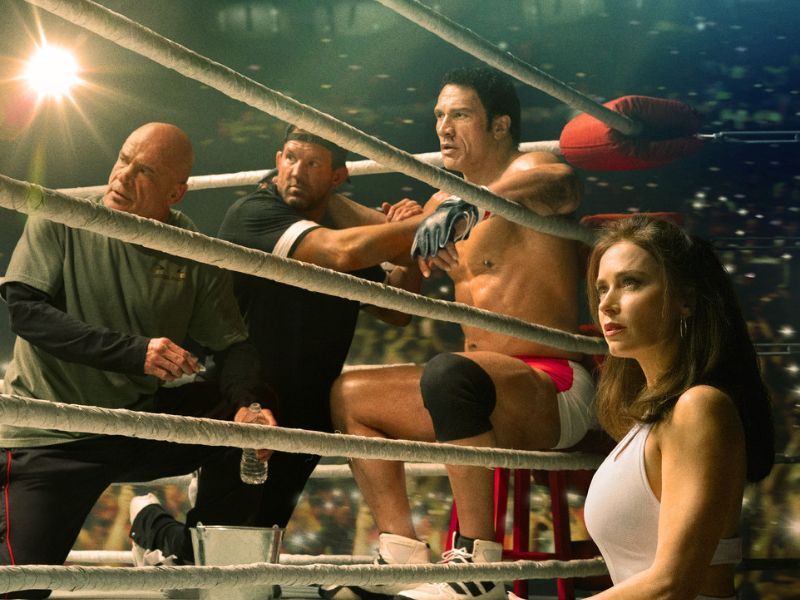
The Smashing Machine is Benny Safdie’s first time behind the camera without his brother Josh – the duo received acclaim for their collaborations with films such as Good Time and Uncut Gems. Dwayne Johnson stars as former amateur wrestler and MMA fighter Mark Kerr, with the film taking place between 1997 and 2000, and Johnson turns in what is easily a career best performance as the wrestler who is often incredibly sweet and polite on the outside, but you know there’s a screw loose that could snap at any moment. This is a fascinating sports biopic and hats off to Safdie for deviating from the conventional biopic formula. The film has a cinéma vérité quality to it (not dissimilar from Darren Aronofsky‘s The Wrestler or Bennett Miller’s Foxcatcher) and Safdie isn’t afraid to really dive deep into the complicated psyche of the heavyweight star – I was gripped throughout. The fight sequences are authentically brutal and there’s an interesting jazz-infused score by Nala Sinephro.

It’s interesting how The Smashing Machine has largely been shrugged as a film and I suspect it will be remembered only for Dwayne Johnson’s performance. But that’s a real shame because there’s a lot more going for it and Safdie really succeeds with diving into the inner psyche of the troubled fighter. Some have labelled the story as unremarkable, but that’s exactly the point – this is a film that’s about a fall from greatness and how a complicated individual such as Kerr navigates relationships and mental obstacles. This film really succeeds by looking past the sport’s shimmery gleam and how to accept and make the most of a mundane routine. I wouldn’t be surprised if this film gets a reappraisal in years to come.

18) Eddington

Still from 'Eddington'

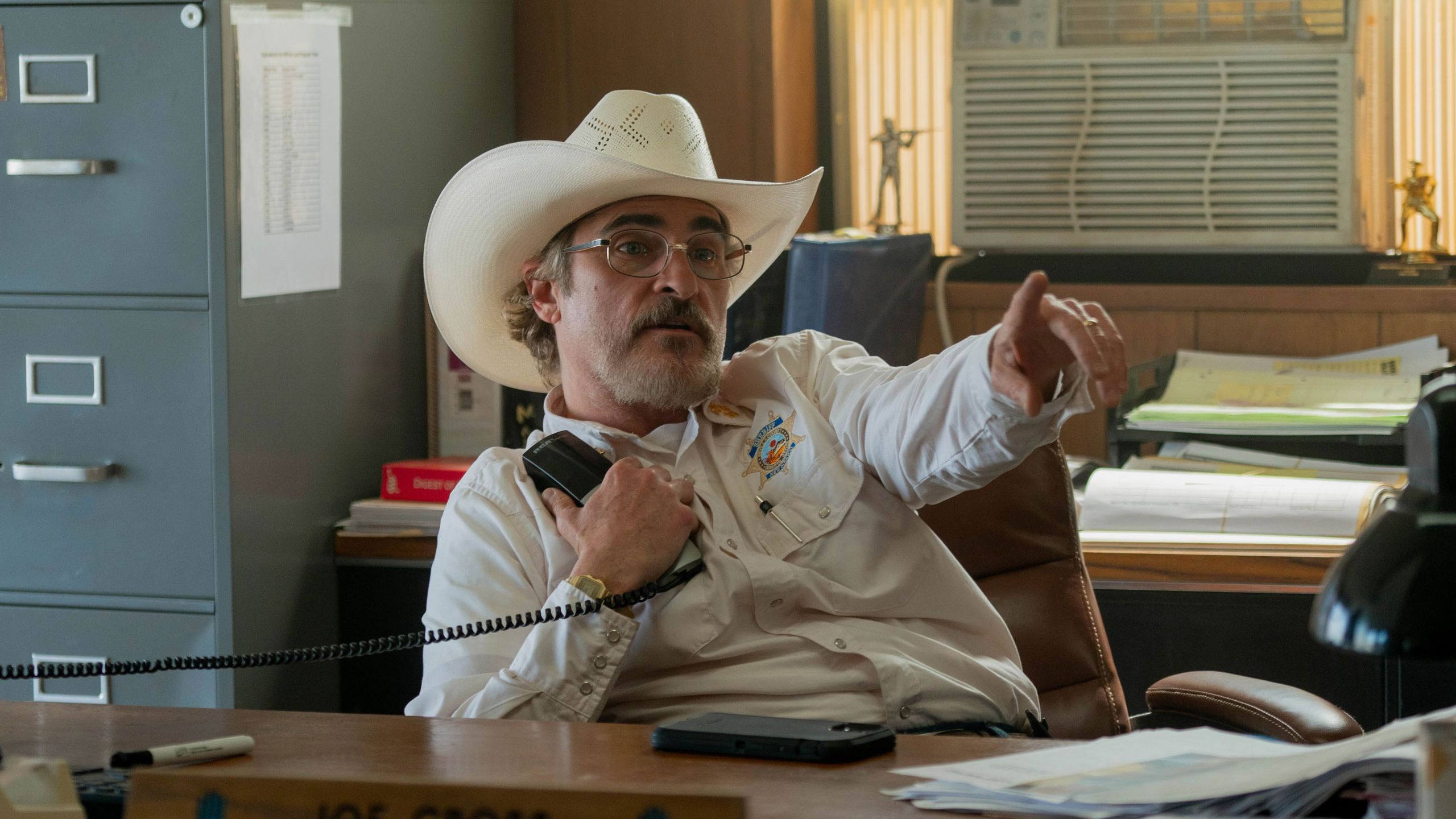
Ari Aster is one of the most exciting filmmakers currently working and after impressing many cinephiles with his first two horror films, Hereditary and Midsommar, his surrealist tragicomedy Beau Is Afraid really split opinion. I loved it and when it was revealed that Aster was working on a neo-Western thriller set in the coronavirus pandemic, it was evident the director wasn’t out to make a crowdpleaser. Joaquin Phoenix stars as Sheriff Joe Cross, who faces off against Pedro Pascal’s Mayor Ted Garcia who is up for re-election. While I admired the film on a first viewing, I had some issues with it – but I really grew to appreciate it on a rewatch, having the knowledge of where the story was heading. This is a fearsomely original work from Aster with a brilliant Joaquin Phoenix performance that poses lots of interesting questions. It’s beautifully shot by Darius Khondji and the film particularly soars in its first and third acts. There’s one major flaw – I think the Emma Stone and Austin Butler story arc is unnecessary and stunts the film’s pacing. But even if it’s not perfect, you have to admire the ambition and I’m positive I’ll be revisiting Eddington in years to come.

17) The Long Walk

Still from 'The Long Walk'

The first of two Stephen King adaptations in this list (and the other two that aren’t here were also pretty good), The Long Walk is set in a future United States under a totalitarian military regime where fifty men compete in an annually televised competition, meant to inspire viewers. There’s a man representing each state and they must walk at a speed of at least three miles per hour – if they fall below and receive three warnings, they’re shot on the spot, with the winner being the final survivor. Francis Lawrence directs – and you couldn’t ask for a more fitting name at the helm, given he’s directed all of The Hunger Games films (bar the first), where people must also fight to the death.

This excellent adaptation deftly sustains a chilling and grim tone, but balanced with a humanity in the well-developed characters. Lawrence really makes the most of its simple premise and there’s a sustained sense of dread throughout – if a character wants to tie a shoelace or stop to relieve themselves, they’re naturally going to be doing that at less than three miles an hour. As you’d expect, the characters move through emotional states as the walk progresses and it’s exciting to see what were adversaries become friends, and vice versa. The film does a great job in forcing you to think that any relationships formed are doomed, given the inevitable’s going to happen. It’s also testament to how strong a story this is when most of the film is just a tracking shot of some characters walking along a road – Lawrence doesn’t use many flashbacks.

Unlike The Hunger Games films where the commentary behind the games is just as compelling as the contest, Lawrence trims the fat from The Long Walk and makes it lean and mean instead. The film doesn’t waste any time in getting started and never wanders into eye-rolling schmaltz, which is an easy trap for a film like this to run into. What’s more, there’s an excellent score by Jeremiah Fraites, who crafts several memorable themes and the film’s well shot by Lawrence’s regular cinematographer Jo Willems, who conveys the expanse and monotonous of the never-ending roads the characters must travel on.

16) 28 Years Later

Still from 28 Years Later

28 Years Later is the long-awaited third instalment in the 28 Days Later series, director Danny Boyle’s 2002 post-apocalyptic horror that was novel for introducing the fast-moving zombie (even if Boyle famously doesn’t consider it to be a zombie film). The film arrives 18 years after 28 Weeks Later, which was directed by Juan Carlos Fresnadillo, and is the first of a planned new trilogy with Alex Garland on writing duties. This is a very exciting and ambitious sequel that was worth the long wait and it often really soars. It’s a Danny Boyle film through-and-through, so expect the grainy feel of the original (this time, lots of the film is shot on iPhones), coupled with seriously kinetic cinematography from Boyle’s regular collaborator Anthony Dod Mantle. This is a film that’s full of ideas, and one that refuses to take obvious choices and like some of Garland’s recent filmography, there are plenty of influences from the UK’s recent political turmoils as the duo paint a picture of a national identity crisis. Although there’s a slight slump in the seond act, when the film peaks, 28 Years Later is transcendent. I’m very excited to see where the story heads next and although many have expressed dissatisfaction at the intentionally befuddling final scene, fear not because I’m confident we’re in safe hands.

15) Dangerous Animals

Still from Dangerous Animals

For about 70 minutes of its 93 minute run time, Dangerous Animals is a near-perfect genre mash-up of a shark film and serial killer mystery that’s deliciously nasty – a blending of Jaws meets Peeping Tom, but turned up to eleven. Jai Courtney plays Tucker, an eccentric ship captain who runs a shark cage tourist attraction business. But as we very quickly learn, he’s also a serial killer with a seriously twisted mind, with his latest victims Heather (Ella Newton), an Englishwoman on a gap year and a feisty American drifter, Zephyr (Hassie Harrison). He likes to harness women up and slowly dunk them into shark-infested waters, and film the results. Nick Lenard’s script is sharp and deftly develops the characters, so it’s easy to care for them later into proceedings. The film’s also gorgeously shot by cinematographer Shelley Farthing-Dawe, with some stunning ocean vistas and blending the turquoise waters with blood red. Until that 70 minute mark or so, I’d go as far as to call Dangerous Animals the definitive shark film. It’s such a shame that in the last 20 minutes, the film really jumps the shark (pun fully intended) – neither director Sean Byrne or Lenard have the strength to act on their sadistic convictions and you really have to suspend disbelief. But despite its disappointing ending, Dangerous Animals still earns a high spot on my list because that first 70 minutes really is something special, and I hope this film revamps Jai Courtney’s career because it’s proof that he can be brilliant when he’s given the right material.

14) Black Bag

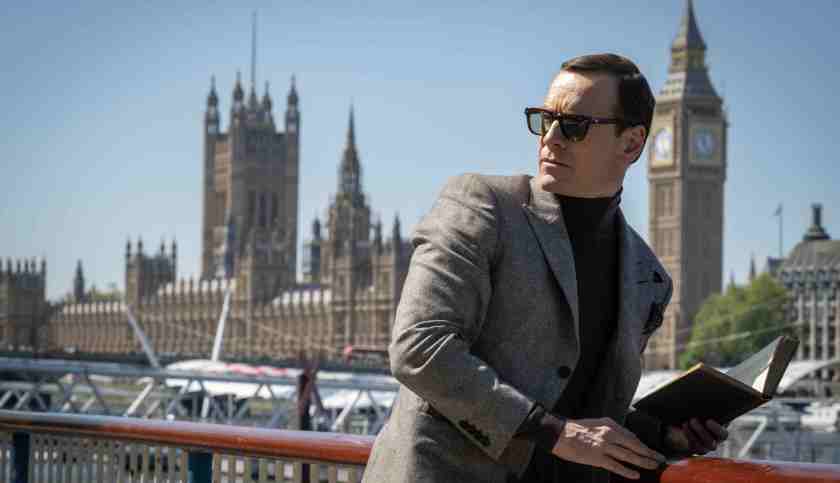
Black Bag is a stripped-down espionage thriller by Steven Soderbergh, one of two films he directed in 2025 (with another one coming up shortly…). Michael Fassbender plays British Intelligence officer George Woodhouse and as the film opens, he is given one week by his superior to investigate who has leaked a top-secret software program. One of the suspects is his fellow intelligence officer and wife, Kathryn (Cate Blanchett). He invites the other four suspects to dinner and drugs the chana masala (which he tells his wife to avoid) to get them to loosen up and in his words “watch the ripples”. 

This is another excellent film from Soderbergh and it’s impressive how lean Black Bag is – there isn’t an ounce of fat in this fast-paced 94 minute thriller. David Koepp’s flirtatious script is very sharply written and the film feels very much indebted to the works of John le Carré, albeit with Soderbergh’s influence. It’s very satisfying constantly seeing this ensemble play each other wih the film’s dry wit and there’s a surprising number of laughs here too, especially a serious Fassbender cooking up a storm in the kitchen with steamed-up glasses. The film’s lusciously shot by Soderbergh (under his usual Peter Andrews pseudonym) and David Holmes’ playful score is very fitting. 

13) Presence

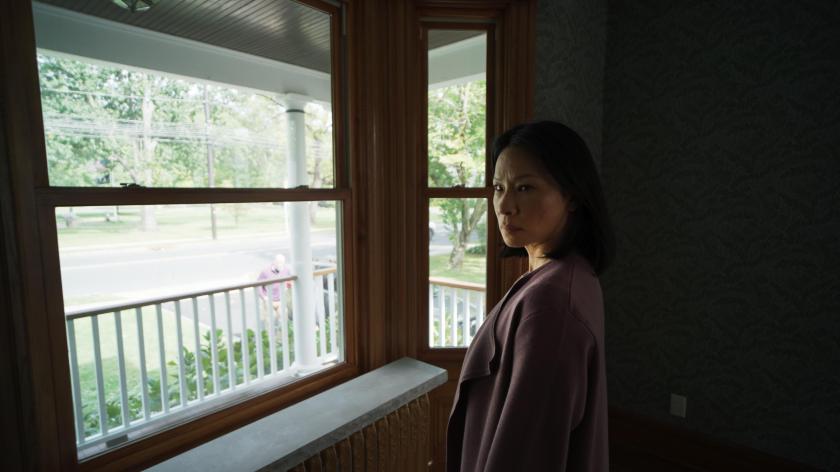
I’m going to give the slight edge to Soderbergh’s first 2025 release, an innovative horror film that’s presented in a series of long takes rom the poltergeist’s point of view – an interesting creative decision. Written by David Koepp, who previously wrote Soderbergh’s KimiPresence follows a family of four who move into a house inhabited by a poltergeist. The family includes mother Rebecca (Lucy Liu), father Chris (Chris Sullivan), bratty elder brother Tyler (Eddy Maday) and troubled younger sister Chloe (Callina Liang). They’re all suffering from various problems – Rebecca clearly prefers her son and has been committing financial fraud, Chris suffers from depression and is considering separation from Rebecca and Chloe is grieving the death of her best friend, Nadia, who recently died in her sleep. Almost immediately after moving in, Chloe starts to complain of a supernatural presence.  

Presence does a really good job of slowly building a sense of unease with a tinge of sadness and there’s some excellent character development among the family. You can really see the cracks start to grow, particularly as the strained marriage falls apart. Chris Sullivan stands out as the father in a very understated performance who generates a lot of empathy. Calling Liang also impresses as the developing but vulnerable daughter who hasn’t quite worked out her purpose yet. Lucy Liu’s mother isn’t particularly likeable, but that’s the point and her performance satisfies the brief. The first person point of view also works here, even if it occasionally falters under scrutiny.  It compliments the narrative and the dream-like images of the wide lens (Soderbergh is on cinematographer duties, too), forcing us to question what the spirit’s intentions are and if it’s malicious by the way the camera studies its subjects. There’s a melodically moody score too from Zack Ryan and at 85 minutes, the film is lean and doesn’t outstay its welcome. If anything, I wish it were a bit more substantial.  

12) The Monkey

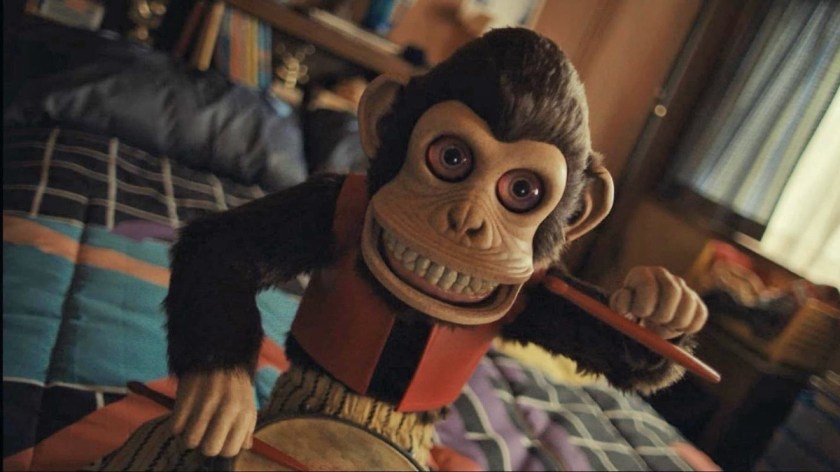
After reaching new career heights with the excellent Longlegs in 2024, director Osgood Perkins’ follow-up sees him adapt Stephen King’s 1980 short story of a cursed monkey that brings death and destruction. Adding further excitement behind the camera is horror maestro James Wan, who produces the film. This is a hugely enjoyable film with some brilliant set-pieces and striking imagery. Perkins is the perfect pick to direct this project, having himself lost his parents in headline-making ways. He decides to intentionally avoid subtlety and use the film’s sadistic gore to joke about the absurdity, pointlessness and randomness of death. That’s a genius approach and really distinguishes The Monkey from more serious horror films about possessed toys, of which there have been many. The film’s brilliantly edited and it packs a real wallop in its breakneck pacing as it hurtles through its sub-100 minute run time. The humour really works – especially how a man reacts to their neighbour getting gruesomely slain in a lawnmower incident, and the film is brimming with Perkins’ signature style in terms of the mise-en-scène. The monkey itself of a wonderfully creepy design – James Wan is no stranger to the genre after all being behind the similarly evil creations of Jigsaw in the Saw films and Annabelle in The Conjuring Universe. The Monkey is another winner from Perkins and it’s a very coherent film with clear influences from King and Wan that really elevate it. The decision to lean into the absurdity of death is a particularly strong choice and it’s a real blood-drenched thrill ride from start to finish. This is an intriguing film that builds to a memorable conclusion, which stays with you long after the credits roll.

11) Bugonia

Still from 'Bugonia'

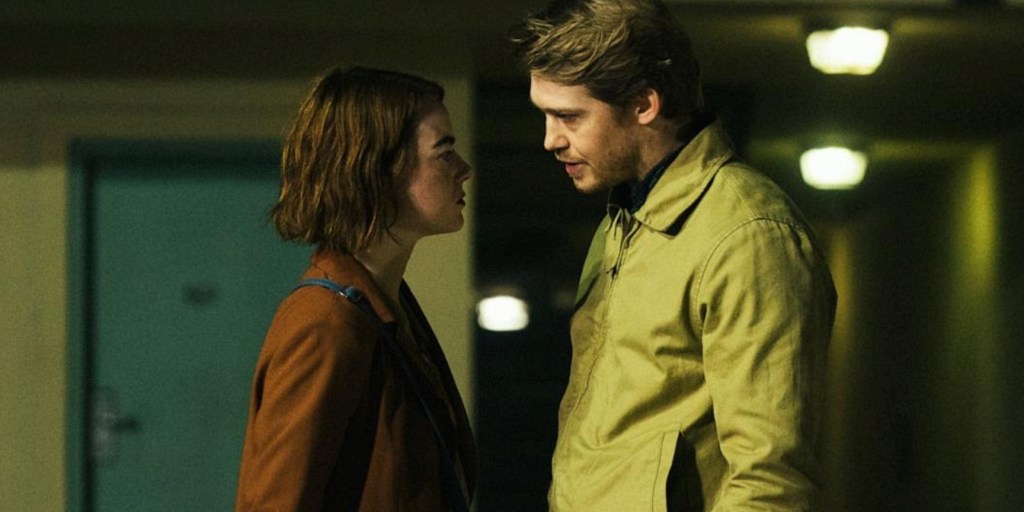
Just missing out on a top ten spot is Yorgos Lanthimos’s latest, which stars Emma Stone as the CEO of a pharmaceutical company, who is abducted by conspiracy theorist Teddy Gatz (Jesse Plemons) and his disabled brother Don (Aidan Delbis). Bugonia is yet another thought-provoking work from Lanthimos, packing plenty of surprises and thrills up its sleeve. This is a film that keeps you second-guessing throughout with its complex characters and striking visuals, and like lots of his work, it’ll take multiple watches to fully unpack. I’ve always found Lanthimos is at his best when he’s on scriptwriting duties with his co-writer Efthimis Filippou (they co-wrote DogtoothAlpsThe LobsterThe Killing of a Sacred Deer and Kinds of Kindness together) with their arch dialogue. It’s why The Favourite didn’t fully work for me. And although Will Tracy’s script isn’t quite as arch as what Lanthimos and Filippou would conjure, I didn’t notice the writing as much as I did in The Favourite.

While Emma Stone is reliably excellent as Michelle, it’s Jesse Plemons and Aidan Delbis that really stand out as the abductors. Plemons is scarily convincing as the unkempt Teddy, who constantly takes advantage of his cousin with his conspiracy theories and has a very short fuse – I hope he’s recognised come Awards season. Delbis is equally brilliant in his debut role, brilliantly balancing the vulnerability of his disability with a clear sense of right and wrong. Robbie Ryan’s cinematography is outstanding, shooting the film in VistaVision with a vivid colour palette. Jerskin Fendrix, who seems to also becoming Lanthimos’ new composer of choice given this is his third collaboration, turns in a career-best score. The monumental score beautifully compliments the events on-screen, upping the intensity with memorable themes. Bugonia is yet another excellent Lanthimos film that kept me gripped throughout with its fascinating story, memorable performances and stunning visuals. 


What are your thoughts? Let me know in the comments or tweet @TheFilmMeister

Every Predator film ranked from worst to best (including Predator: Badlands)

Rankings

The Predator has been haunting screens since 1987 with the Arnold Schwarzenegger-starring original, becoming one of the most recognisable sci-fi monsters in cinema, spawning an ever-expanding series of films.

With Predator: Badlands now released, this article ranks all of the films in the series so far.

Besides my last choice, there is not much between the seven films quality-wise – they’re all very solid and all pose some interesting ideas. However, the top three entries are a significant step-up from the films in fourth and fifth position and my ranking of them could interchange on any given day.

7) Predator: Killer of Killers

Still from Predator: Killer of Killers

An adult animated anthology film filmed in secret ahead of Predator: Badlands, this is unfortunately the weakest in the series. This animated film is split into four sections – three which tell the stories of human warriors throughout various points of history who face off against a Predator and a final section which ties the preceding stories together. Predator: Killer of Killers is an odd film – the three standalone stories are rather undercooked but the final section that then ties them together is rather excellent, with some fascinating concepts. The film is balls-to-the-wall action and holds nothing back when it comes to gore, which I’m sure many will appreciate. But I like some meat to the bone, and the standalone stories feel as if they’re feature film concepts that have been distilled into their final climax Predator face-off sequence. Not helping proceedings is the poor script and lack of character development, and I didn’t care much for the disorienting animation style either. Although the lack of substance of the three stories failed to properly engage me, it’s the final section which really elevates proceedings. How Trachtenberg ties these stories together is like a child playing in a sci-fi sandpit, with a thrilling set piece and some tantalising teases that hint towards the future.

Rating: 2.5 out of 5.

6) Predator

predator-movie-review-image-header

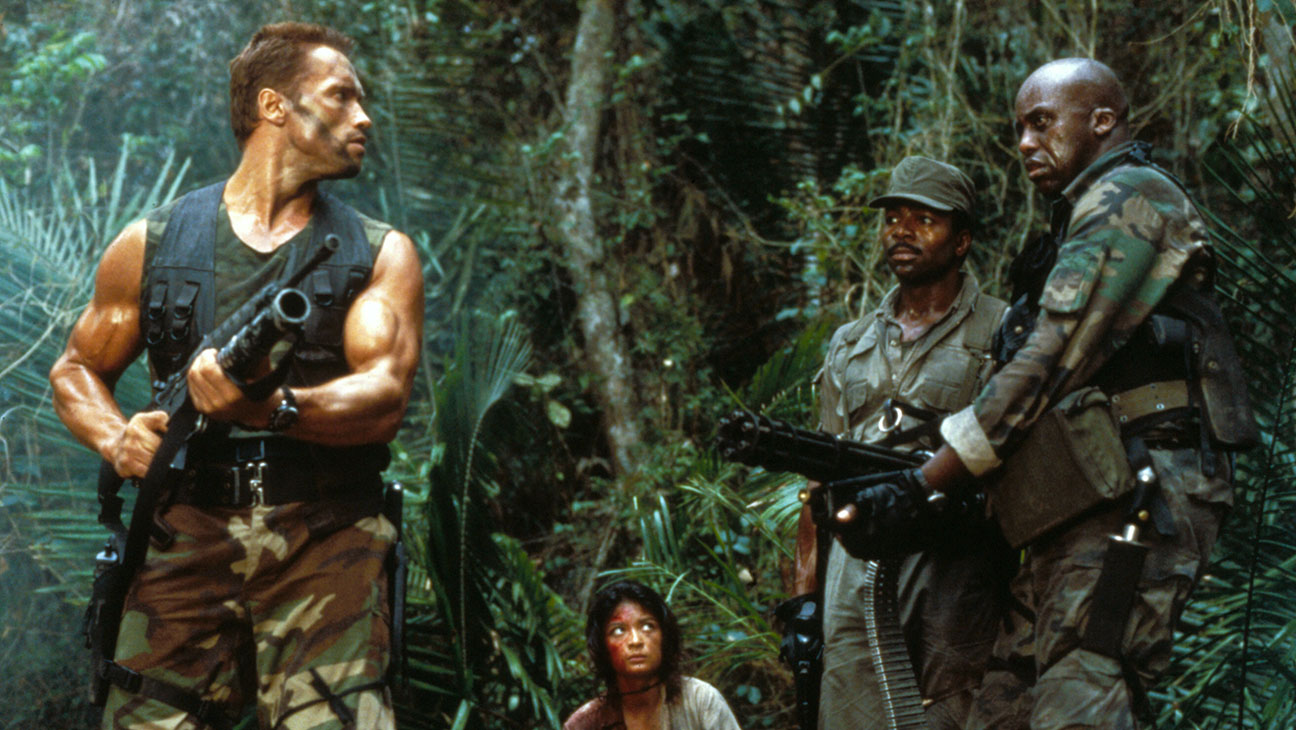
This is probably where you completely shut off and disregard this list, but hear me out. The original Predator is still a great film, but it’s more a film of scenarios than a cohesive narrative and it’s a bit of a trudge to get through until we get to the now-classic Arnie vs The Predator fight which in itself is awesome. Director John McTiernan (who would later go on to make the perfect Die Hard) succeeds in creating suspense with numerous shots of the Predator watching on its prey but there isn’t all that much character development and because of the lack of a narrative thread, there are a few stretches where not much happens. The film also features a very memorable score that has carried through to the rest of the series from Alan Silvestri. Predator is still an enjoyable film but controversially, I don’t think it has aged all that well and the other films have taken the material in more interesting directions.

Rating: 3 out of 5.

5) The Predator

predator_DF_12736_R_rgb.0

The Predator is shambolically put together and its pacing is rather breakneck, but it is a really entertaining film and director Shane Black’s signature humour is put to good use here, through the characterisations of the PTSD-ridden soldiers who take on the mythical creature. The first half in particular has some really interesting ideas and some well-constructed action sequences, particularly one in a science facility. I also really liked the decision to have this film set more in the suburbs and the contrast of the Predator to the urban area is interesting.

Rating: 3 out of 5.

4) Predator: Badlands

Still from 'Predator: Badlands'

Considering we’re now seven films in, this is the first time a film has a Predator as the protagonist, with Predator: Badlands completely devoid of humans. Directed by Dan Trachtenberg, the film follows Dek (Dimitrius Schuster-Koloamatangi), a runt Predator who takes a vow to hunt a mythical creature called the Kalisk on the lethal planet Genna to earn his father’s approval. The first half is particularly strong, with Dek oddly likeable as the uncommonly sensitive Predator and the relationship between him and Weyland-Yutani synthetic Thia (Elle Fanning) is well-developed. It says a lot about the quality of Trachtenberg’s direction and Patrick Aison’s tight script that we root for Dek when he speaks in his native Yautja language throughout the film, translated via subtitles. There’s lots of good world-building too, both of Dek’s home planet and the hostile environment of Gonna. The film’s well-paced and rolls along at a brisk pace and it’s vividly shot by Jeff Cutter, even if there’s an over-reliance on visual effects at times. It may lack the simplicity of Prey and veer into a bit of a CGI-fest in its final act before an excellent closing set piece, but Predator: Badlands is a very solid entry in the enduring series.

Rating: 3.5 out of 5.

Prey is an excellent prequel and was just the gut-punch the series needed. Dan Trachtenberg directs with flair and the film features some terrific performance among its almost exclusively Native American cast. The very fact Trachtenberg has opted to centre the film around an underrepresented community is to be commended, too, with the only exception to the rule being a group of French fur trappers Naru encounters. Amber Midthunder makes for a formidable screen presence and it’s great the film focusses on her humanity. She is portrayed as both a skilled hunter but also an individual who makes mistakes. Trachtenberg’s mirroring of smaller animals hunting each other and the Predator and anything that steps in its way is also an excellent creative stroke.

★★★★

2) Predator 2

predator-DI-2-1864x1118.jpg

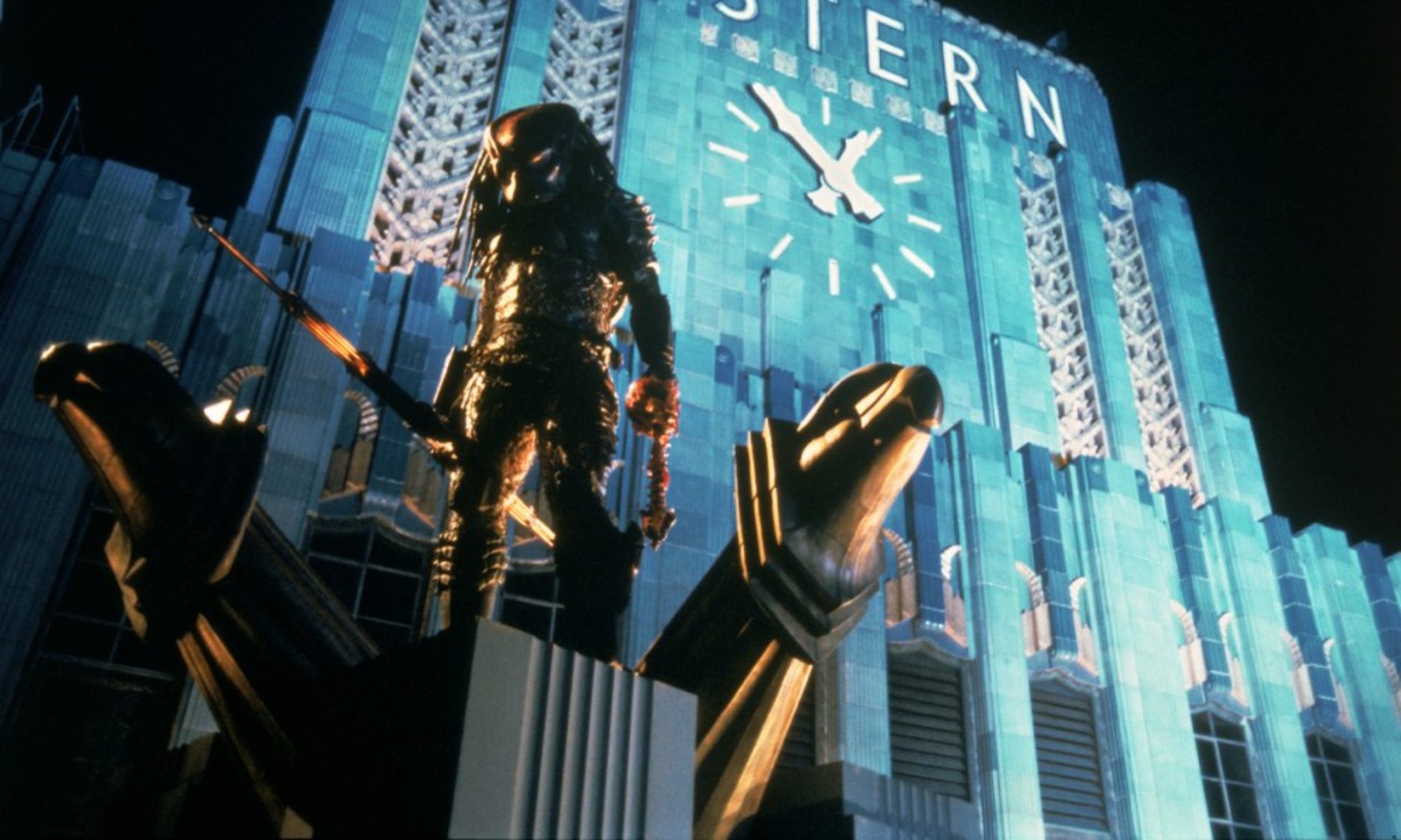
Generally regarded as the worst in the series, Predator 2 is a very brave film in my opinion and is certainly not a film that would be made in this day and age. It’s a film that successfully expands upon the mythologies established in the first film and the Afro aesthetic puts an interesting spin on the character. Danny Glover is great in the lead role, a hot-headed policeman who wants justice but is afraid of heights, which he faces multiple times in the film. The film also features performances from Gary Busey as a shady DEA agent and Bill Paxton as a wisecracking new recruit. There isn’t a boring moment in the film and the final fight sequence is particularly satisfying, over multiple set pieces and sets up future films and cross-overs.

★★★★

1) Predators

predators-2010

Robert Rodriguez was a very interesting choice to reboot the series after Predator 2 failed to impress. Taking a producer role and having Hungarian director Nimrod Antal in the directors chair, Predators is the best in the series in terms of its ideas and narrative. The idea of setting this film on another planet also helps to further expand the mythology and the whole mystery of why specific people are chosen to participate in this game is compelling. The cast are uniformly great, with Adrien Brody solid in the lead and standout performances from Topher Grace, Louis Ozawa Changchien and Laurence Fishburne. Although its second half morphs more into a blockbuster, its first half is where the film really excels and poses its ideas. Although The Predator was a fine entry in the series following this film, what I’d really like to see are sequels / spin-off’s to Predators as there are a lot of interesting places you can take this concept. It’s a shame Predators didn’t do all that well at the box office and remains a very underrated entry in the series.

★★★★


What are your thoughts? Let me know in the comments or tweet @TheFilmMeister

Every Film In The Conjuring Universe Ranked (Including The Conjuring: Last Rites)

Rankings
Still from 'The Conjuring'

When director James Wan‘s deeply effective The Conjuring released in 2013, little did anyone think a standalone horror film depicting one of Ed and Lorraine Warren’s cases would spawn into a fully-fledged cinematic universe. Despite a handful of misfires, the series has proven mostly solid spinning an entertaining yarn on the paranormal investigators and the rogue’s gallery of supernatural demons and entities they’ve faced. 

With The Conjuring: Last Rites now in cinemas, and supposedly the final outing for Ed and Lorraine Warren, here is my ranking of all the films in The Conjuring Universe to date. Note I’m including The Curse of La Llorona, which was considered part of the series when it released but then wasn’t in 2021 when director Michael Chaves said it was only intended as “a wink and a nod” to the franchise.

10) Annabelle

ANNABELLE

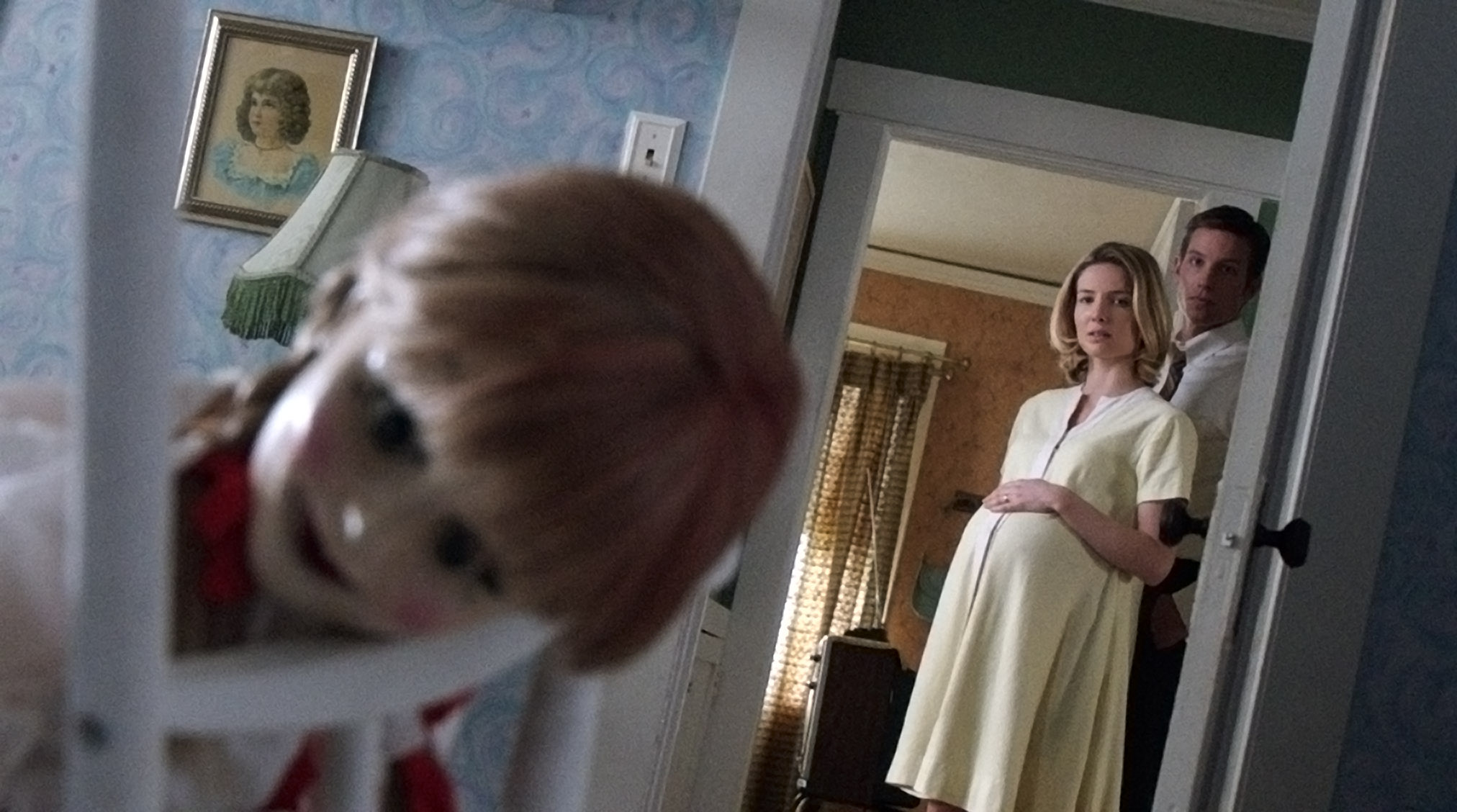
Annabelle is unquestionably the worst of the series and has virtually no redeeming qualities to it. Riding off the success of The Conjuring a year before, John R. Leonetti’s spin-off is a blatantly unoriginal, preposterous cash grab that save for one very well orchestrated scare and beautiful cinematography, is a dud. Annabelle lacks any of the sense of dread The Conjuring has and the jump scares are obvious and uninspiring. The cast are uniformly terrible, in particular Ward Horton and the script is cringeworthy. Its ending is particularly offensive where characters make irrational and stupid decisions and I laughed multiple times. It’s a film that looks like it should have gone straight-to-DVD and represented a complete U-turn in quality for the series.

Rating: 1.5 out of 5.

9) The Nun

NUN_01591r.0

The Nun is an absolute trainwreck – the film is edited extremely badly, its overreliance on jump scares mean it isn’t scary and the story is borderline incoherent. However, unlike Annabelle, there are some redeeming qualities to The Nun

Director Corin Hardy is clearly a horror aficionado which shows in the film’s cineliteracy (there are allusions to some of the Hammer horror films for instance) and the film is quite atmospheric and establishes a chilling setting. For instance, there are some breathtaking shots of the exteriors of the monastery which really portray the grandeur and influence it has on its characters. This is by far, the most frightening aspect of the film and leaves a lot to audience interpretation. It’s strange then that Hardy resorts to jump scares, which are all poor and there is not a single memorable one in the film. It’s also strange that Hardy chooses to punish the characters in the worst possible way towards the beginning of the film. There is an extended sequence where a character is stuck in a grave, which is a horrifying scenario but anything that happens to this character afterwards is never as bad. Surely, this sequence would have worked better towards the end of the film? Despite these fatal mis-steps, all of Hardy’s good work in the film’s atmosphere is undone and squandered by how the film has been edited. Every scene films too brief and this really hinders in creating a creepy atmosphere. Somewhere here is a good enough film, but the way it has been edited completely undermines this and this results in The Nun ultimately being very disappointing.

Rating: 2 out of 5.

8) The Nun 2 

the-nun-2.jpg-1

The Nun 2 represents an improvement over the original with better storytelling and coherent editing but still suffers from its fair share of problems. Director Michael Chaves makes a stronger effort to give the characters an arc, it’s slickly shot and edited and the second half is entertaining in places. However, the jump scares aren’t particularly effective and the first hour is quite tedious, as Sisters Irene and Debra (Taissa Farmiga and Storm Reid) try to catch up with the fact Valak (Bonnie Aaron) has possessed Maurice (Jonas Bloquet) which we learnt at the end of the previous film. The script is quite clunky and there’s some inexcusable exposition, a seemingly all-knowing librarian the nuns meet in their investigation who conveniently happens to know all the particulars of a Macguffin device they need and exactly how to defeat the demon is incredibly lazy. A revelatory line in the film’s climax relating to a mother’s eyes is also unintentionally laughable. It’s also a shame Storm Reid’s character is underdeveloped following a potentially interesting introduction and Anna Popplewell’s unconvincing Irish accent is distracting. 

Rating: 2.5 out of 5.

7) The Conjuring: Last Rites

Still from The Conjuring: Last Rites

While The Conjuring: Last Rites isn’t a bad film, it’s a disappointing ending to the mainline series. Director Michael Chaves veers between an overly schmaltzy tone in how the relationship between a now grown-up Judy (Mia Tomlinson) and Tony (Ben Hardy) develops, and also the relationship between Ed and Lorraine Warren, with sub-par horror. The decision to revert back to the haunted house formula is a bad one, with Chaves lacking James Wan’s mastery in the scares department. While there’s semblances of tension here and there, he doesn’t create a palpable atmosphere of dread like Wan does. There’s a couple of good scares – one involving pausing a videotape and another in a room of mirrors, but the rest are rather underwhelming. Nothing here is on the scale of the tremendous scene from the first film of two children frozen in fear of something that may or may not be behind a door. Chaves unfortuantely also succumbs to many bouts of fan service and in an age of legacy sequels, he leaves the door open by setting Judy and Tony as successors to their parents – Ben Hardy’s Tony essentially performs the same function as Shia La Boeuf’s Mutt in Indiana Jones and the Kingdom of the Crystal Skull. While The Conjuring: Last Rites is supposedly the end for Ed and Lorraine Warren for now, nothing’s really the end but I hope whatever’s next in store for the series has some more thought and care put into it.

Rating: 2.5 out of 5.

6) Annabelle Comes Home 

MV5BMjZjOWJlNjEtODVmYS00ZWI2LWI0MTktZjM3YjNmYzQ5OTgyXkEyXkFqcGdeQXVyNjg2NjQwMDQ@._V1_

The third film in the Annabelle trilogy isn’t as effective as the second but writer Gary Dauberman’s directorial debut has a lot going for it. Dauberman’s film is the first spin-off to feature the Warren’s and is effectively a horror-spin on Night At The Museum as Judy Warren (Mckenna Grace) and her babysitter Mary Ellen (Madison Iseman) inadvertently release Annabelle’s spirit in the artifacts room. The storyline is solid, but the film’s not particularly scary and rather empty in feeling. 

Rating: 3 out of 5.

5) The Curse of La Llorona

la-llorona-1-thumb-700x421-210379-0cea66c

Only loosely tied to The Conjuring Universe, Michael Chaves’ directorial debut is based on the Latin American folklore of La Llorona, a vengeful ghost who roams near bodies of water mourning her children who she drowned in a jealous rage after discovering her husband was cheating on her. Although Chaves doesn’t make the most of the absorbing background story, the film is still an entertaining watch with a handful of effective scares. He does a good job of establishing Anna (Linda Cardellini) and her children and the film is crisply shot by Michael Burgess. 

Rating: 3 out of 5.

4) The Conjuring 2

3a1d3a4e4e1f450babc48b482c4d151a_compressed

The Conjuring 2 isn’t as strong as the first film – it is overlong which severely impacts the pacing and just isn’t quite as interesting a story as the first one was. However, horror-maestro James Wan delivers in spades on the scare-front and the film has some truly frightening sequences and there are also some great performances from the cast. Only Wan could have made or been given permission to make this film as 134 minutes for a horror film is uncommonly long and whilst there is a lot of character development (and self-indulgence), 20 minutes could fairly easily have been chopped off and the film would almost be as strong as the original. This is definitely its main problem which is to its detriment. The film bears many similarities to William Friedkin’s The Exorcist and there are a couple of moments where the film leaves a bit of a sour taste as it reiterates many of the clichéd elements of superior horror films. Coming off a near-perfect original, it’s a shame The Conjuring 2 isn’t a knock-out, but that was always going to be impossible and there is still a lot to like in this film.

Rating: 3.5 out of 5.

3) The Conjuring: The Devil Made Me Do It 

2499.jpg

The Conjuring: The Devil Made Me Do It represents a welcome change of direction compared to the first two films in that it delves from the haunted house formula and is more of a police procedural crime thriller. The story the film is based on is riveting, even if some creative liberties have been taken with it for it to fit the horror genre. The performances are all excellent, Vera Farmiga and Patrick Wilson as the Warren’s again are the centrepiece of the franchise and the film expands and revolves around their strong relationship. James Wan is not behind the camera this time around, with The Curse of La Llorona’s Michael Chaves inheriting the mantle. Chaves’ direction attempts to ape Wan’s from the use of title cards and a prologue sequence at the beginning to the general tone of the film. However, when it comes to the horror aspect of the film, Chaves just does not craft the scares in as sophisticated a fashion as Wan. I was riveted from start to finish but there is always the question of what if this film had been directed by James Wan and I think if had, the result here would have been extraordinary. If the film doubled down on its scares or chose to eliminate them completely and spent longer developing its characters and establishing the stakes, this could have been a masterpiece.

Rating: 3.5 out of 5.

2) Annabelle: Creation

1497965576937

Annabelle: Creation is a marked improvement over its predecessor and is suitably scary, features good character development and is shot beautifully by cinematographer Maxime Alexandre. It also ties itself nicely into the wider universe but not enough to detract from the film – director David F. Sandberg still manages to satisfy on a standalone level. One must applaud Sandberg for having a go at crafting many different types of scares and seeing what sticks and there are several sequences which are superbly crafted. Unfortunately, the film does stick to convention at times and there are a few sections bordering on comedy but it is so, so much better than its predecessor in every level. When the film works, it’s superb and it’s nice and tightly paced. It’s astounding how much of a shift in quality this is from the first film which had no hope.

Rating: 3.5 out of 5.

1) The Conjuring 

the-conjuring1

The Conjuring is by far and away the best film in the series and also represents a career best for director James Wan, which this film really helped to propel his career. The film is suitably scary, very atmospheric and has a fascinating narrative. Wan develops the characters superbly, in particular Vera Farmiga and Patrick Wilson, who are great as The Warren’s. Although the scares aren’t the most original, it’s in the execution which allows this film to really deliver and some of the set pieces in this film are mesmerising. The Conjuring is a film that is even better on rewatches and when we come back to look on the horror genre in the 2010’s, this film will definitely be remembered.

Rating: 4.5 out of 5.

What are your thoughts? Let me know in the comments or tweet @TheFilmMeister

Every Darren Aronofsky film ranked from worst to best (including Caught Stealing)

Rankings
NOAH

Darren Aronofsky is one of my favourite film directors and always makes extremely thoughtful and original films that are brimming with his signature style.

With his latest film, Caught Stealing, currently playing in cinemas, here I rank his filmography from worst to best. It’s telling that I even have plenty of respect for his weakest film.

9) Pi

Pi - 1998

A challenging watch, Pi takes a few watches to get your head around and its ambition is certainly to be admired. This low-budget surrealist debut from Aronofsky centers around an unemployed mathematician Max Cohen (Sean Gullette), who lives in squalor in a Chinatown apartment in New York and believes everything in life can be understood by numbers. But this Lynchian film isn’t just about maths – there’s plenty of commentary on religion too, and you have to admire the film for its frenetic tone, committed performances and manic Clint Mansell score.

Rating: 3 out of 5.

8) The Whale

The Whale is an adaptation of Samuel D. Hunter’s 2012 play and follows a morbidly obese English teacher, Charlie (Brendan Fraser), who has eaten himself to this state following the suicide of his partner. Although the film received mixed reviews, I found it to be an emotionally powerful experience with a terrific performance from Brendan Fraser. Aronofsky beautifully explores the relationship between a father and his daughter and there are many touching moments focussing on Charlie’s outlook of life. I walked out of the film grateful and determined to further my relations with others and to always be positive. Yet, the film deftly conveys Charlie’s pain and hopelessness and it becomes inevitable early on that he is on a path of self-destruction. The way in which Aronofsky portrays binge-eating is particularly harrowing – like Requiem For A Dream will make you never want to touch drugs, The Whale is the equivalent for food. It wouldn’t be an Aronofsky film without the exploration of religion and the events on-screen are interwoven with religious parallels and texts, which lend a pathos to Charlie’s situation. 

Rating: 3.5 out of 5.

7) mother!

screen-shot-2017-08-01-at-11-43-10-am

I still haven’t really made up my mind on ‘mother!’ and I doubt I will until I have watched it a few more times. The first two acts are particularly grim and brooding and develop really neatly into what is a bonkers third act. I think I enjoy the film more for its conceptual nature rather than the actual film itself which I found a little hard to get into at times. That said, the film has made a very long lasting impression on me and I keep thinking about it. Aronofsky crafts some really strong and memorable images and I really enjoyed the characterisation. ‘mother!’ reinforces my love of film and is why I continue to be enamoured with the medium of film. It’s films like ‘mother!’ that challenge their audiences and aren’t just acceptable and dumb that really keep me driven.  I’m not really sure (and it is surely deliberate by Aronofsky) what the film means but on first viewing, I found the film to be delirious, deeply allegorical, manic, paranoid and genuinely unnerving. ‘mother!’ is definitely a film that deserves and I appreciate exists. This film has the potential to crawl up the list as time passes but for now, I have to put it 6th.

Rating: 3.5 out of 5.

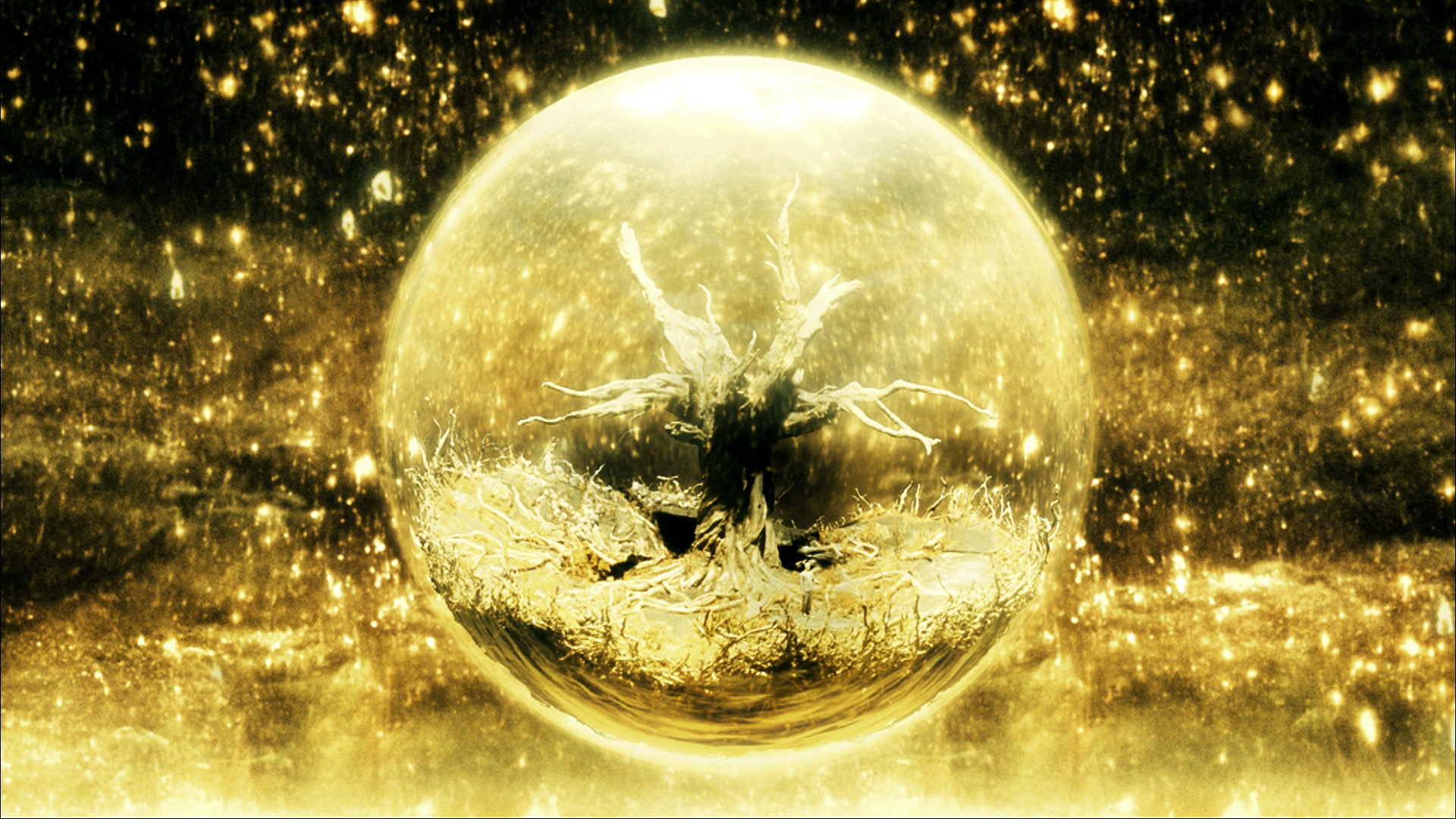
6) The Fountain

the-fountain-movie-image

The Fountain is a rather misunderstood film and received mixed reviews on its release. It is frequently enthralling and is a pure spectacle to behold on screen – it’s very impressive to see what one can do with a limited budget. This is in my opinion, Aronofsky’s first explicit exploration of religion and is perhaps one of the director’s most personal films. It features great performances across the board and features a magnificent score by Aronofsky-regular Clint Mansell and stunning cinematography by Matthew Libatique. So why it doesn’t it rank any higher? Its pacing feels rather disjointed and the film is a bit of a slog in parts and is paced too quickly in others. A more ruthless editor who knew how to assemble the film in a better way, I’m sure would have put this up there with his best films.

Rating: 3.5 out of 5.

5) Caught Stealing

Still from Caught Stealing

While it might seem strange that Aronofsky is directing what appears to be a straight-up crime thriller – don’t worry because there’s plenty of Aronofsky to be found in this darkly original adaptation of Charlie Huston’s 2004 novel. Caught Stealing is a wildly unpredictable ride from start to finish that holds no punches in its brutal approach. Aronofsky is on top form here, and the film is directed with real flair, with plenty of his trademark grimness. This is a film that’s often wince-inducing and blackly comic, sometimes at the same time. It has a real kineticism, and there’s some excellent setpieces, especially a third act car chase. But there’s also heart and I really brought the electic mix of characters, and Aronofsky deftly showcases the dirty, grimy nature of New York.

Rating: 4 out of 5.

4) Black Swan

black-swan-1200-1200-675-675-crop-000000

Black Swan was an important film for Aronofsky and it certainly elevated his oeuvre with a Best Director Oscar nomination. This is a dark, panic-inducing film that tackles a strangely hypnotic and hegemonically calm sport. Natalie Portman is electric as the titular character which she won an Oscar for and the cast is rounded out by Mila Kunis, Vincent Cassel, Barbara Hershey and Winona Ryder who all put in very convincing performances.

Rating: 4 out of 5.

 3) The Wrestler

wrestler1

The Wrestler is a subdued and melancholic investigation into its main character, played magnificently by Mickey Rourke in a comeback role. Rourke is outstanding as Randy ‘The Ram’ Robinson who is a calm yet determined character and Marisa Tomei co-stars here too in what is perhaps a career best performance for her. The Wrestler builds up to an outstanding conclusion and features outstanding cinematgraphy by Maryse Alberti, a departure from Matthew Libatique and a subtle yet memorable Clint Mansell score.

Rating: 4 out of 5.

2) Noah

noah

A passion project for Aronofsky, Noah is perhaps one of the most unconventional and controversial mainstream film of recent times. It delivers visually with some visceral action sequences and fantastical creatures yet is a strangely adult film for its 12 rating. It tackles some really controversial and hard to stomach themes and is in many ways, a morality tale. Russell Crowe is outstanding here as the titular character and across the board, the cast are brilliant with Emma Watson perhaps making the best impression as the barren Ila. Noah really narked audiences off and religious devotees but this is a really special film that goes against the grain and really delivers. And again, Clint Mansell’s score and Matthew Libatique’s cinematgraphy once again elevate the film.

Rating: 4 out of 5.

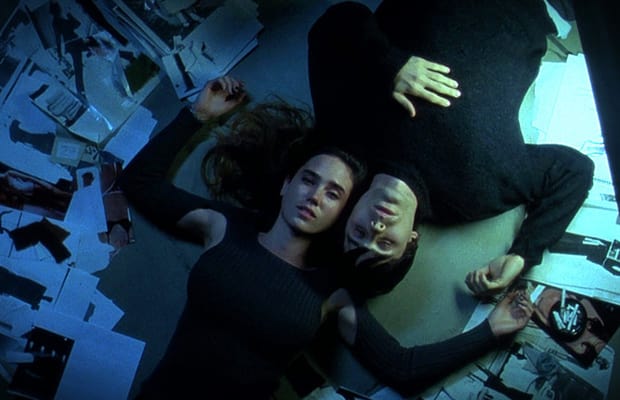
1) Requiem For A Dream

cgizadwstadsmjqsxgb8

Requiem For A Dream is my pick for my favourite Darren Aronofsky film and is perhaps one of my favourite films since 2000 so far. It is a hallucinogenic, nerve-wracking, depressing experience that will put anyone off narcotics far more effectively than a school drugs talk. Aronofsky experiments with form and imagery and Matthew Libatique’s cinematography is especially kinetic and unnerving. Clint Mansell’s score is one of the most haunting of our times and has gone on to inspire many other films. It is a note perfect film and doesn’t degrade on each rewatch. It is a masterpiece.

Rating: 4.5 out of 5.

What are your thoughts? Let me know in the comments or tweet @TheFilmMeister


Every 2025 Best Picture Oscar nominee ranked from best to worst

Rankings

The Academy Award nominations celebrating the films of 2024 have been announced and in this article, I’ll rank the Best Picture nominees in order of my own personal preference. The winners will be announced in the Oscars ceremony on 10th March 2025.

While 2024 was quite possibly the strongest field in many a year, unfortunately the selection for 2025 is incredibly weak. Amidst the sea of mediocrity is a truly terrible film and I would only consider four of the candidates Oscar-worthy. I suppose it’s inevitable that there was going to be a comedown after such a strong previous year. But there were some excellent films that should have made the cut: Hard Truths, Furiosa: A Mad Max Saga, Gladiator II and Juror No. 2 to name but a few.

10) Emilia Pérez

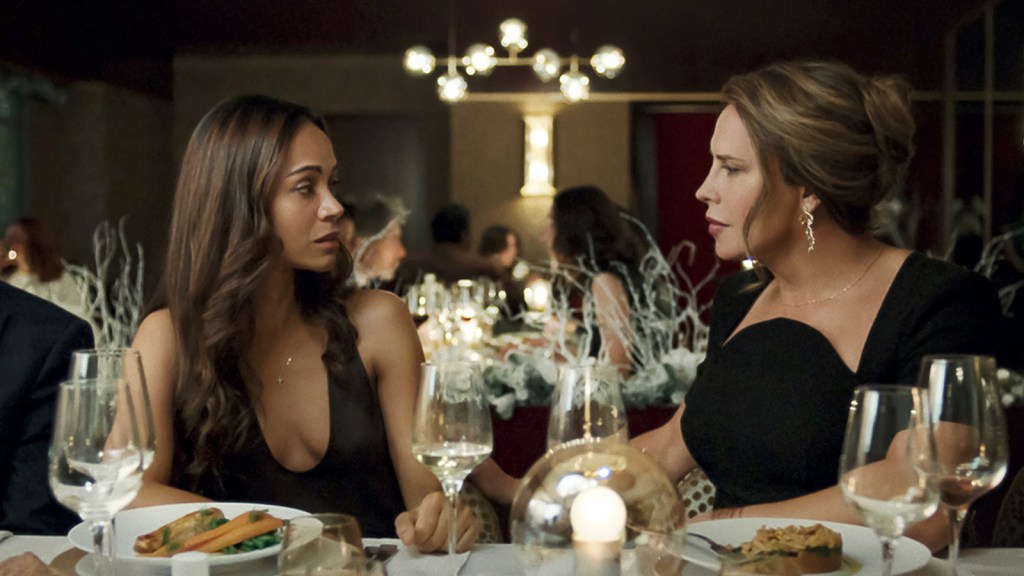
Emilia Pérez isn’t just a bad Best Picture pick – it’s one of the worst films I’ve ever seen and is an utter calamity. The fact this has 13 Oscar nominations show just how out of touch the Academy are with reality. This is a woefully misguided and ugly-looking film with a terrible script, awful musical numbers and poor performances. It’s blandly directed by Jacques Audiard and the mashing of thriller, musical and crime genres just doesn’t work. Zoe Saldaña and Selena Gomez are fine actresses but they’re both terrible in this film (I can’t believe they’ve been nominated for their performances…!). Saldaña is totally emotionless and glum and Gomez overacts what is supposed to be an emotional arc her character undergoes. And then there’s Karla Sofia Gascón as the titular character, who the less said, the better. This is a frighteningly bad film and I’m not surprised Mexican audiences have been offended by its treatment of their country.

Rating: 1 out of 5.

9) Nickel Boys

Nickel Boys is RaMell Ross’ narrative feature directorial debut, previously known for his 2018 Oscar-nominated documentary Hale County This Morning, This Evening. An adaptation of the 2019 novel of the same name by Colson Whitehead, Nickel Boys tells the story story of Elwood Curtis (Ethan Herisse), a young African-American living in a segregated Tallahassee, Florida who finds himself at a reform school notorious for its abusive treatment of black students, through no fault of his own. There, he meets Turner (Brandon Wilson) and despite their initially opposite ideals, become friends. 

The film is shot in a first-person point-of-view so we see the plot unfold through the eyes of Elwood (the perspective is then shared with Turner in the film’s second half). That’s certainly an unconventional way to tell a story and stands Nickel Boys apart from more conventional historical drama biopics. Unfortunately, despite its novel filmmaking technique, I found Nickel Boys to be very dull and I think that first-person point-of-view decision is to blame. It detracts from the important story being told, which tackles some incredibly heavy themes, but the film never conveys its emotions. The stilted script doesn’t flow in a natural way and  and I found it very difficult to connect with any of the characters. None of the performances worked for me, even Hamish Linklater who made such a powerful impression in Midnight Mass. The film is also drastically overlong at 140 minutes and a generic title card revealing some images of the true events feels emotionally manipulative – especially for a film that’s trying to defy convention.  

Rating: 2 out of 5.

8) The Substance

The Substance is a satirical body horror, directed by Coralie Fargeat in her English language debut and it’s received quite the acclaim. The film follows fading Hollywood star Elisabeth Sparkle (Demi Moore) and we see her dismissed from her long-running television show due to her age. She’s intrigued by a black market serum, conveniently called ’The Substance’, which promises a “younger, more beautiful, more perfect” version of onself. But of course, any deal like this has its consequences which Sparkle comes to find. While The Substance is certainly original in its execution, I found it quite disappointing. For a film that runs in excess of 140 minutes, it doesn’t have a great deal to say and is very on-the-nose. The direction is extremely aggressive and in-your-face, which is clearly intentional but it just got on my nerves. The second half is particularly hard work, especially its go-for-broke ending which it doesn’t earn. The body horror did nothing for me and I don’t understand the comparisons many have made to David Cronenberg.  The major positives are the performances.

Rating: 2 out of 5.

7) Wicked

Wicked was much better than I expected – this is an ambitious and visually striking adaptation of the first act of the stage musical. Cynthia Erivo and Ariana Grande are both brilliant as the two witches, and the film details their friendship at Shiz University before the future arrival of Dorothy. At 160 minutes, it’s a meaty film but there’s a lot of interesting themes that director Jon M. Chu develops such as the relationship between humans and animals and what happens when you’re an outcast. Although musicals are generally not for me, I’lll admit there are some memorable numbers in this. That said, I think the film could have lost half an hour or so with a club sequence that doesn’t particularly add much to proceedings.

Rating: 3 out of 5.

6) Dune: Part Two

While there’s no doubting the visual flair on display, Dune: Part Two is a mixed bag and not as strong as its predecessor – by extension, it’s Denis Villeneuve’s weakest film. What really impressed me with Dune was how Villeneuve was able to maintain a clarity to the narrative, the key downfall of David Lynch’s film who overstuffed the entire book into a 137 minute film. And while that’s still largely the case here, Dune: Part Two runs into all manner of pacing issues. On the one hand, there’s some good world building for the first hour where ultimately not a lot happens. But then, but the film completely rushes through its climax during its last hour. The rushed pacing also comes at the expense of character development. I simply didn’t buy Paul (Timothée Chalamet) and Chani’s (Zendaya) blossoming relationship at the very centre of the film – it simply feels like we’re expected to invest in their relationship with no natural development. I wonder if it’s to do with the fact Eric Roth doesn’t write the script this time around, with Villeneuve himself stepping in to co-write with Jon Spaihts. It’s a shame Dune: Part Two doesn’t live up to the first film with its odd pacing and lack of character development. But it’s still a fun ride, with some above average elements, such as the black-and-white sequence on the Harkonnen planet, Austin Butler’s performance and some exciting action sequences here and there.

Rating: 3 out of 5.

5) Conclave

Based on a 2016 novel by Robert Harris, Conclave opens with the Pope dying of a heart attack and Cardinal Thomas Lawrence (Ralph Fiennes) is tasked with organising a papal conclave to elect a successor. However, Lawrence quickly finds himself investigating secrets and scandals about each of the candidates. They include Aldo Bellini (Stanley Tucci), an ambitious American liberal, Joseph Tremblay (John Lithgow), a Canadian moderate with a secret, Goffredo Tedesco (Sergio Castellitto), an Italian reactionary right-winger and Joseph Adeyemi (Lycian Msamati), a Nigerian candidate with homophobic views. Not dissimilar from many popular recent elections, Conclave is about deciding who is the least worst option and that’s what makes it rather entertaining. You’ll need to suspend disbelief (especially with its many twists) but if you’re after an overripe thriller filled with catty remarks, this delivers. Ralph Fiennes is reliably excellent as the overseer, who is also standing in the election and throughout the film, you’re constantly working out whether he has secret ambitions and if he’s as impartial as he should be. Sergio Castellitto, who was fantastic as the villainous King Miraz in The Chronicles of Narnia: Prince Caspian, turns his performance up to eleven as Tedesco and Isabella Rossellini also stands out as the head caterer and housekeeper who doesn’t have time for aimless chitchat. The jittery score by Volker Bertelmann (Hauschka) is fantastic and he crafts many memorable themes that add to the urgency of the election. Stéphane Fontaine lusciously shoots the film too, with excellent use of light and shadow to underscore the theme of corruption. But as entertaining as Conclave is, I’m not sure it’s quite the awards material it looks like it may become. 

Rating: 3.5 out of 5.

4) A Complete Unknown

It may follow a conventional biopic structure, but I still found A Complete Unknown gripping from start to finish, with director James Mangold at the top of his game paired with many impressive performances. Here, Mangold tells the story of Bob Dylan, adapting a 2015 book by Elijah Wald called Dylan Goes Electric! which covers his earliest folk music success to his controversial use of electric instruments at the 1965 Newport Folk Festival. Mangold co-writes the script with Jay Cocks, his first since Martin Scorsese’s Silence. But straight from the opening scene, Mangold directs the film with a real warmth and energy and I loved the film’s tone. I especially liked its commentary on how genres evolve and how fellow artists support each other, even if that example isn’t followed by the public. It also has plenty to say on what it’s like to meet your idols. The film’s lusciously shot by Phedon Papamichael, and the production design of the 1960s is brilliantly captured. Timothée Chalamet is magnetic as Dylan, balancing the musician’s sheer talent while being somewhat impenetrable and unlikeable at times. The other standout’s Monica Barbaro as Joan Baez, who brings a real warmth to the singer and like Chalamet, also does all her own singing.

Rating: 4 out of 5.

3) Anora

The Palme D’Or winning new Sean Baker film proved a very memorable cinema experience. Other than Mikey Madison’s fantastic performance, I found the first 45 minutes of Anora really testing. But as soon as two men knock on a mansion door, the narrative takes a different direction and the rest of the 139 minute film had me grinning with its breathless fireball energy and wit. In retrospect, the first 45 minutes are needed to get you to despise the characters for the rest of it to work, so stay with it if you’re feeling the same way. It’s a film where characters are consistently pulled from pillar to post but there’s also a stark tenderness to its humanity and Baker portrays a vivid contrast between the rich and poor. It’s beautifully shot by Drew Daniels, who lends the film its disorientingly frenetic edge. Mikey Madison, who was one of Charles Manson’s accomplices in Once Upon A Time In Hollywood, is fantastic as Anora and thoroughly deserving of awards attention. She has bundles of empathy and despite her demeaning work selling her body, she knows how to get what she wants. Yura Borisov is also brilliant as Igor, a Russian henchman with morals with a similarly modest financial background as Anora who makes such an impression despite not having many lines. Karen Karagulian is brilliant as Toros, an Armenian handler, whose mania knows no bounds when his career is jeopardised. Anora is ultimately an excellent film from Sean Baker and quite possibly his best work.

Rating: 4 out of 5.

2) I’m Still Here

It was very hard to pick between first and second place but I’ve gone with I’m Still Here – a political biographical drama about a husband’s forced disappearance during the military dictatorship in Brazil and Walter Salles’ first film since 2012’s On The Road. It’s based on Marcelo Rubens Paiva’s 2015 memoir of the same name, Marcelo being the son of Rubens Paiva, who was the victim in question. Fernanda Torres places Eunice Paiva, Rubens’ wife and activist, with the film largely told from her perspective and how she struggles to cope emotionally and financially, while trying to raise her five children. I found I’m Still Here to be a deeply affecting and gripping piece of work, masterfully directed by Salles who skilfully contrasts the quiet family domesticity with the simmering and oppressive political horror. Although the film tells a story that happens in the past, I’m Still Here feels very contemporary with its mirroring of current dystopian events. The first hour is quite fast-paced, whereas the second is much slower but this is where the film really wraps its enchanting spell – it reminded me of Roma in many ways in terms of how it finds beauty in the mundane. The film’s complimented by a wonderful Warren Ellis score, which is very subdued in the first half but becomes more melodic later on. Fernanda Torres is just sensational as Eunice and fully deserving of her Best Actress Oscar nomination. She deftly balances her intelligence and frantic search for the truth while being as motherly as she can to her children. I absolutely loved I’m Still Here and found myself powerfully moved as the credits started to roll. 

Rating: 4 out of 5.

And the best film is…

1) The Brutalist

My top pick is The Brutalist, an epic period drama directed by Brady Corbet, who last made the excellent Vox Lux. Undeniably more ambitious in scope, Corbet’s latest spans over thirty years and a three and a half hour run time. Adrien Brody plays László Tóth, a Hungarian-Jewish Holocaust survivor and Bauhaus-trained architect who immigrates to America in search of a new life. The film isn’t perfect but The Brutalist is directed with real bravura and has a lot to say – although it’s about Tóth’s architectural career on the surface, there are plenty of parallels with the idea of how someone suffers for their art and how they are the person remembered rather than the entity throwing money at a project. Of course, that means there’s themes of compromise and interference and although its last 30 minutes may seem to take a different, seemingly incomprehensible tone, I found it very thought-provoking. Adrien Brody turns in a career-best performance as the suffering artist, nailing the Slavic accent and mannerisms – he’s fully deserving of his Best Actor nomination and he’s the clear winner. Guy Pearce is also a standout as the slimy financier in a very multi-faceted performance. Pearce is no stranger to playing villains – his deliciously evil turn in Lawlessis evidence of that – but this is a complex individual with all the qualities of someone who has too much money. Daniel Blumberg’s prickly score is wonderful, lending the film a simmering intensity and he crafts many memorable themes that develop throughout the film. The Brutalist is also beautifully shot by Lol Crawley, resurrecting the VistaVision process to authentically portray the period. It’s staggering how good the film looks, considering its modest $9.6 million budget and bearing in mind its epic run time. I was engrossed from start to finish.
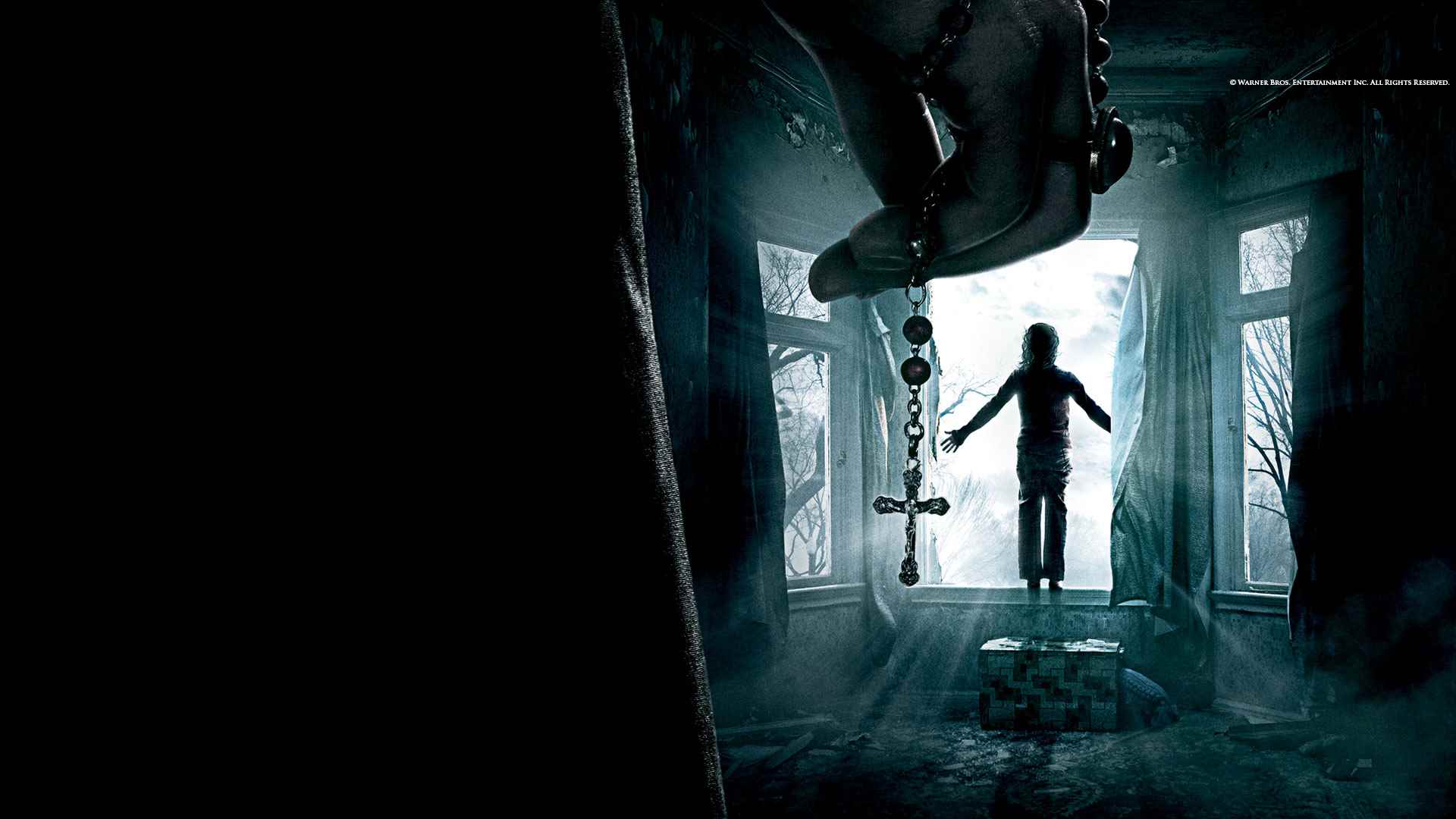
Rating: 4 out of 5.

Best Films of 2024 (10-1)

Rankings, Year In Film

This is the second of two posts detailing my top 20 films of 2024. I previously ran you through my best films of 2024 (20-11) and here, I’ll unveil my top ten. I find it rather interesting that all bar one of these films came out in the first half of the year (according to the UK release calendar).

10) The Zone of Interest

The Zone of Interest is a fiercely original work from Jonathan Glazer, his first film in eleven years. It tells the story of Rudolf Höss, the longest-serving commandant of the Auschwitz concentration camp, where he lived with his wife Hedwig (Sandra Hüller) in what they perceived as their idyllic home. Small catch – the garden wall with barbed wire atop it is shared with Auschwitz. 

The result is an uncomfortable viewing and a film that really gets under your skin. The Zone of Interest represents the most important use of sound I can think of in quite some time – the sound of the droning concentration camp with its whirring machinery is ever-present during mundane conversation and day-to-day life. Glazer never shows us the atrocities inside the camp and what we hear beyond the frame is another film in itself. I loved the surreal elements too, particularly a storyline shot with thermal cameras. The Zone of Interest is a fascinating work in Glazer’s career, despite its cold and intentionally bad taste that will leave you thinking long after the credits have rolled. 
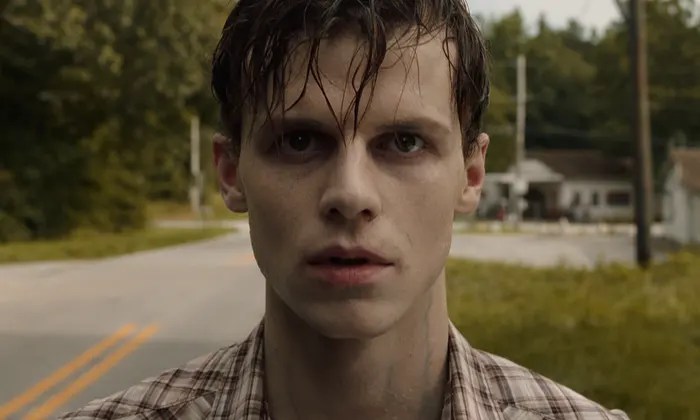
9) Longlegs

Longlegs is a horror thriller written and directed by Osgood Perkins, his fourth film but by far his highest profile effort. The film follows Lee Harker (Maika Monroe), an FBI agent assigned to investigate a decades-spanning case of a series of brutal murder-suicides. Although Longlegs isn’t as outright scary as some have made it out to be and is more of a crime thriller, this is still a barnstorming original effort from Perkins. He maintains a real sense of dread and tension throughout and the film is relentlessly bleak with some a terrific central performance by Maika Monroe. The film’s beautifully shot by Andrés Arochi, favouring close-ups of characters but keeping the background in shot – an early scene where Harker reads a letter following a home invasion is brilliantly shot as we’re constantly peering at the edge of the kitchen door frame. I also loved the muted, grey colour palette and the dreary, dilapidated homes many of the characters live in that portray the Oregonian setting is not particularly affluent. It’s also complemented by an excellent, rather minimalist score by Zilgi (who is actually the director’s’ brother, Elvis Perkins) but there are equally many scenes of silence which really contributes to the dread. While perhaps a little too neatly crafted in its narrative, Longlegs is a fiersomely original horror directed with real skill and flair. 

8) Kingdom of the Planet of the Apes

Kingdom of the Planet of the Apes is an uncommonly intelligent sequel and is another strong entry in the series. With Andy Serkis’ Caesar kicking the bucket at the end of War for the Planet of the Apes, this film picks up ‘many generations’ after War’s conclusion with a new set of characters. The underlying social subtext is what really allows the Planet of the Apes films to excel, and the lack of it is what lets down its two weakest instalments – Tim Burton’s misguided Planet of the Apes remake and Beneath the Planet of the Apes. The idea of exploring how a key figure’s teachings have been twisted after a period of time is a genius move, reflecting the intrigue and conflict brought by religion in our world. I loved how director Wes Ball advances the aesthetic and tone of the series – gone are the predominantly forested surroundings of Dawn and War and its road movie influence feels closer to earlier entries of the original pentology. The abandoned human world is fascinating to pick apart, from rusted escalators to buildings covered in overgrown fauna. There’s some great set-pieces too, with fast-paced and memorable action sequences, the highlight being one on a bridge. The film is lusciously shot by Gyula Pados and John Paesano does a great job with the score, no mean feat coming off of Michael Giacchino’s work. Kingdom of the Planet of the Apes does an excellent job of advancing the reboot series, while brimming with potent social subtext and respecting what made the original pentology work. 

7) Furiosa: A Mad Max Saga

Those wanting a rehash of Mad Max: Fury Road should rethink their expectations because Furiosa: A Mad Max Saga plays out very differently – a mature and slow-burn revenge thriller split into five chapters. Except for perhaps ten minutes when the characters reach The Green Place in Fury Road, that film was effectively a non-stop car chase whereas there’s plenty of room to breathe this time around. Considering he’s almost eighty years old, Miller’s film is brimming with the same passionate energy with some truly breathtaking action sequences, the highlight an extended chase aboard the War Rig. There’s plenty of meat to the bone to all the characters too, with an excellent script Miller co-wrote with Nico Lathouris, and it’s expectedly beautifully shot by Simon Duggan.  Although she doesn’t show up until the third chapter, Anya Taylor-Joy stuns as the titular character. Not only is her performance magnetic, but she also embodies Charlize Theron’s (who played the character in Fury Road) sounds and mannerisms.

6) Civil War

Civil War is a brilliant film and director Alex Garland’s best work to date – it’s well-paced and sustains its unnerving tension throughout. I really connected with the characters and the film looks more expensive than its $50 million budget suggests.  I loved its depiction of journalism in how there is the dedication, thrill, rush and joy of creating content. The idea of one photo in every 100 being perfect is also true, but the lengths in which Garland depicts journalists in capturing even a single photo (for example, by jumping into enemy gunfire) is chilling. I also loved how photojournalism was edited into the film and Civil War is about how a story becomes an image. Sound is also used to brilliant effect, with the lack of sound in key sequences very effective in increasing tension and portraying how used to violence these characters have become. While the performance are uniformly excellent, it’s Jesse Plemons that stands out as a racist militant.

5) Io Capitano

Io Capitano is a terrific and thought-provoking piece from Italian director Matteo Garrone about two teenage cousins who decide to leave their native Senegal for a more prosperous future in Italy. While its first twenty minutes are quite atypical of Garrone’s usual directorial style, once the boys leave home, this is an immersive experience through and through. A scene with a desperate woman falling behind as a group walk through a desert is particularly affecting, especially with how Garrone plays with time and hallucinations. The ending is also bleak and hard-hitting yet simultaneously joyous. An extended sequence set in a prison is also typical of Garrone and I really brought the relationship between Seydou (Seydou Sarr) and Martin (Issaka Sawagodo), a man he’s imprisoned with. Garrone masterfully often shows but doesn’t tell and I always respect it when a filmmaker treats their audience as intelligent. 

4) American Fiction

American Fiction is a highly entertaining literary comedy with a blisteringly sharp script that in some ways, feels like a film a more muted Spike Lee would make. This is a tough genre to crack and there have been far more failures than hits but I genuinely laughed quite a few times at this. There’s also more than a few kernels of truth about the publishing industry and what it means to be a writer, exploring the highs and lows of both the creative process and critical reception. But Cord Jefferson (in his directorial debut) deftly balances his commentary on the media with a heartfelt treatment of the themes of loneliness and family. The family drama element of the film is equally riveting, with the treatment of Alzheimers touching and the mundane but necessary tasks of trying to get someone into a home. There’s some terrific performances here too, especially Jeffrey Wright who’s always been a reliable screen presence but doesn’t often take the lead role. Wright nails the prickly, depressing nature of his character as he struggles to fit in and open up to people but with an almost lovable quality. To think this is only the directorial debut of Cord Jefferson makes me excited to see where he goes next.

3) Kinds of Kindness

One of two Yorgos Lanthimos films to release this year, Kinds of Kindness sees the director reteam with Efthimis Filippou in their first writing collaboration since The Killing of a Sacred Deer (in my opinion, Lanthimos’ best film). An thrillingly cold-hearted abrudist triptych with a razor dry sense of humour, Kinds of Kindness represents the director at his most daring. It’s a fascinating film, where not everything in the three stories is meant to tie together, but it doesn’t stop one trying to piece the puzzle together. Jesse Plemons is sensational as the lead in the first two stories and Emma Stone and Willem Dafoe are also reliably excellent. Kinds of Kindness is a fascinating film in Lanthimos’ catalogue and while I expect he’ll be tempted to make more mainstream fare given The Favourite and Poor Things‘ reception, I love the eerie strangeness and uncomfortable feeling when he has a hand in the script.

2) The Holdovers

The Holdovers is the new Alexander Payne film and his first since 2017’s Downsizing. Payne reunites with his Sideways lead Paul Giamatti who stars as Paul Hunham, a strict classics teacher at Barton Academy, a New England boarding school that he attended back in his youth. The Holdovers is Payne at his best and is a tender delight from start to finish, but it deftly balances its warmth with a bittersweet tone. The performances are terrific all around, especially Giamatti, and the film perfectly evokes classic 1970’s cinema with its intentionally rustic aesthetic – it looks and feels like a work made at the time. It’s beautifully shot by In Bruges cinematographer Eigil Bryld, especially the wintry landscapes during the opening credits and some disorienting frames that feature late into the film. Paul Giamatti turns in what I’d probably consider a career-best performance as Hunham. Hunham is both lovable and loathsome and an easy character to relate to with the hardships he’s faced in life. In fact, there are many similarities between Hunham and Miles Raymond, the character Giamatti plays in Sideways – both characters that have been hard done-by in life.

I absolutely loved The Holdovers and was completely swept up by the film throughout, with its intelligent script and committed performances. It’s Payne’s best film since Sideways and after only the best part of a year since its release, I predict it will become a Christmas classic. They certainly don’t make films like this anymore.  

So the best film of the year is…

1) Poor Things

The first Yorgos Lanthimos film to release this year takes top honours. Poor Things is Lanthimos back on track (I thought The Favourite was flawed) with a brilliantly twisted, uncomfortable yet multi-layered triumph. A film that gets better on each viewing, Poor Things is narratively stuffed with thought-provoking themes, striking visuals and evocative production design. Robbie Ryan’s cinematography is a career-best, with every frame a painting worth pausing to analyse, which is interesting considering some of his work can be quite vanilla. The film boldly experiments with colour and perspectives are often shot through a fish-eye lens and it’s supported by the lavish production design. I also loved the retrofuturistic vision, with the Victorian London setting contrasting with succeeding elements.

Emma Stone turns in a career-best performance as the Frankenstein-like Bella Baxter, who opens the film as an inquisitive and brash child and ends as a self-made woman. I’ve sometimes struggled with her performances in the past and couldn’t believe she won the Best Actress Oscar for La La Land but not so here. Willem Dafoe is also reliably brilliant as the eccentric surgeon, who belches bubbles at the dinner table due to a health condition. Mark Ruffalo provides much of the comic relief as Wedderburn, who becomes increasingly child-like as the film progresses, although his British accent is rather wandery. Poor Things came out right at the very start of the year and nothing’s been able to dethrone it from the number one spot.


What are your favourite films of 2024? Let me know in the comments or tweet @TheFilmMeister

Best Films of 2024 (20-11)

Rankings, Year In Film

With 2024 now at a close, it’s time to reflect back on the year just gone and unveil my top film picks. 2024 was an interesting year in film – on the one hand, it had one of the strongest Awards seasons in many a year (many of which will be featuring in this list) and the films that delivered really hit the spot. But there were also a number of crushing disappointments, from sequels such as Alien: Romulus and Deadpool and Wolverine to career lows for directors like M. Night Shyamalan with Trap and J. C. Chandor with Kraven the Hunter.

In this first of two articles, I’ll rank numbers 20 to 11. Stay tuned for part two, where I’ll unveil my top ten films of the year. But first a few honourable mentions that didn’t quite make the top 20 – Red Rooms, Conclave, The Beekeeper and Salem’s Lot (yes, seriously for those final two).

20) The Iron Claw

Beginning proceedings is The Iron Claw and although it’s Sean Durkin’s weakest effort to date in that it’s far more conventional than Martha Marcy May Marlene and The Nest, this is still a largely gripping and grim recount of the Von Erich family, who were beset by premature tragedies. The film’s bolstered by some terrific performances, with Zac Efron reliably brilliant as Kevin, who has noble and instinctual family values but struggles to carve a life with his own ambitions. Efron has had a fascinating career after his High School Musical breakthrough, and like with his chilling portrayal of Ted Bundy in Extremely Wicked, Shockingly Evil and Vile, proves he is a versatile actor with buckets of range. Holt McCallany, who is often lumped with supporting roles in action films such as Wrath of Man, gives a career-best performance as the patriarch, and Maura Tierney is also quietly brilliant as the quiet and sullen mother, who’s clearly faced her own despair. 

The first half of the film is pretty standard wrestling fare, chock-full with the sub-genre’s generic constructs, until the darker elements are introduced at the half-way mark. There’s an excellent near-surreal ending sequence that won me over and the film’s handsomely shot with a smoky, grey quality by Hungarian cinematographer Mátyás Erdély.

19) Immaculate

Although this religious psychological horror starring Sydney Sweeney as a troubled young nun takes a while to get going, once it shifts into gear, Immaculate is a gonzo, gleefully blood-soaked riptide. The last forty-five minutes are particularly memorable, with a series of wild twists and turns, with more than a few influences from Dario Argento and Roman Polanski. Director Michael Mohan knows how to build suspense and pile on the dread and the wince-inducing gore in its final act more than earns it its 18-certificate. The film looks a lot more expensive than it is and it’s beautifully shot by DP Elisha Christian. You’ll be left gasping for breath in its closing moments.

Although it’s not as strong, The First Omen came out a few weeks later and follows eerily similar themes – it’s worth a watch too.

18) Anora

One of my most memorable cinema-going experiences of the year, Anora is the new Palme D’Or winning film by Sean Baker. Other than Mikey Madison’s hypnotic lead performance as the titular Brooklyn stripper, I hated the first 45 minutes of this film. But when two men knock on a mansion door after Anora’s drink and drug-fuelled journey with Vanya (Mark Eydelshteyn), the 21-year-old-son of a Russian oligarch, the narrative takes a different direction and the rest of the 139 minute film had me grinning with its breathless fireball energy and wit. In retrospect, the first 45 minutes are needed to get you to despise the characters for the rest of it to work, so stay with it if you’re feeling the same way. It’s a film where characters are consistently pulled from pillar to post but there’s also a stark tenderness to its humanity and Baker portrays a vivid contrast between the rich and poor. It’s beautifully shot by Drew Daniels, who lends the film its disorientingly frenetic edge. Apart from Madison, Yura Borisov and Karen Karagulian are the other standouts of the cast, especially Borisov who makes such a strong impression despite not having many lines. Anora is ultimately an excellent film from Sean Baker and quite possibly his best work.

17) Juror No. 2

It’s a real shame that what is probably Clint Eastwood’s last film got bizarrely and unjustifiably buried by Warner Bros. It’s their loss because this legal thriller is an excellent effort from the nonagenarian filmmaker, which follows recovering alcoholic Justin Kemp (Nicholas Hoult) who is summoned for jury service where he realises he may have been responsible for the death he’s adjudicating on. What initially seems like a fairly routine, low-profile case gradually turns into a crime with plenty of holes. A morally ambiguous film that asks its audience what they would do in the main character’s shoes, Jonathan Abrams’ script does a good job of messing with its audience’s minds in creating doubt of what’s being portrayed on-screen. The film also questions the imperfect nature of the justice system, even if it’s rather unsubtle. But Eastwood does a better job of analysing the biases that certain characters bring into the courtroom, from the lawyers defending and prosecuting the accused to the backstories of the jury members. Nicholas Hoult makes for an excellent lead and we’re never sure whether we can fully side with him or not, despite making a compelling case for the decisions he makes. 

16) Turtles All The Way Down

I never expected a John Green adaptation to rank among my best films of the year – Paper Towns and The Fault In Our Stars were both ghastly – but I loved this. Sensitively directed by Hannah Marks, the ever-reliable (well, apart from Alien: Romulus…) Isabela Merced is fantastic as Aza, a 16-year-old struggling with OCD who tries to reconnect with her childhood crush. The chemistry she shares with her best friend Daisy (Cree) is terrific and the script is sharp, deftly balancing humour, wit and heart. Marks deftly portrays what it’s like to experience this disorder and the sense of achievement when characters overcome their obstacles in this film is commendable. I was gripped from start to finish and although it’s a film you’ll need to seek out, I highly recommend it.

15) Gladiator II

I had low expectations for this long-awaited sequel, having thought the 2000 Best Picture winning original was merely good, and returning director Ridley Scott has a chequered record with historical epics. Fortunately, Gladiator II is an excellent sequel and although it shares some similar story beats to the original, it shakes things up more than enough to avoid it being a simple rehash. At its height, it almost has a soap opera quality (much in the same vein as House of Gucci and Napoleon) but in a good way. There’s an immense pleasure in anticipating how the different characters are going to eventually clash with their various motivations, and David Scarpa’s script sets them up well. Some of the characters are gleefully horrible and the cast are more than game for it. Scott’s also concocted some thrilling (if wildly historically inaccurate set-pieces with sharks and killer monkeys) that lean into the gore – this is very much a film about revenge and retribution. It’s also vividly shot by returning cinematographer John Mathieson, who lends the film a rich colour palette. That Ridley Scott can still be directing a sword-and-sandals sequel like this with so much energy in his late eighties is nothing short of miraculous. 

14) Rebel Ridge

Rebel Ridge is a crime thriller by Jeremy Saulnier, his first film in six years after Hold The Dark. Having proved quite the accomplished director, Rebel Ridge may be his best yet – a gripping thriller that examines police injustice with a deliciously mean streak about it, even if it’s slightly overlong and peaks in its first act. But I still had a grin plastered on my face throughout. Aaron Pierre is brilliant as Terry, an ex-Marine who’s intercepted by two corrupt policemen while cycling to Shelby Springs to post bail for his imprisoned cousin. Don Johnson is deliciously snarky as the crooked Chief of Police and there are some terrific chase sequences, cementing why Saulnier is one of the best in the revenge thriller genre.

13) Beetlejuice Beetlejuice

Beetlejuice Beetlejuice is a very pleasant surprise – an excellent legacy sequel that’s not far off the quality of the original, showcasing Tim Burton at his best. The script by Alfred Gough and Mark Millar is razor-sharp and full of charm, with lots of laughs to be had. Although some have criticised this sequel for being overstuffed, I thought the various elements really worked and there’s excitement in knowing that all of the different storylines are inevitably going to collide. The film’s visually arresting too, with lots of physical effects and I particularly admired an early body horror sequence where a character staples body parts together. Danny Elfman turns in a typically romping and swooning score that keeps the film fast-paced. Michael Keaton’s reliably excellent as the grotesque bio-exorcist, in the role that arguably launched his career. It’s also refreshing to see Winona Ryder, who hasn’t taken a leading role in a mainstream film in quite a while. Burton proves he’s still flowing with the creative juices that left such an impression on his early work and I hope the strong reception to this film inspires him to continue developing wholly original pieces. 

12) MaXXXine

MaXXXine is the third instalment in Ti West’s X series and a direct sequel to X. It’s surreal to think what was originally a relatively low-key release is now a full-blown film series, with West having originally shot X (which I loved) and Pearl (fine, but overrated) back-to-back. MaXXXine is a thoroughly enjoyable, if uneven third instalment. Like its predecessors, West experiments with exploring a different horror sub-genre – in this case, Giallo horror. It unexpectedly shares many of the story beats of Quentin Tarantino’s Once Upon A Time In Hollywood but in a thrilling way that isn’t derivative. The energetic score by Tyler Bates is brilliant and is probably a career-best. The film’s also beautifully shot by Eliot Rocket, who really captures the neon, seedy 80’s Hollywood aesthetic. There’s some very entertaining performances across the board. Mia Goth is reliably strong but Kevin Bacon steals the show as a seedy private investigator, resplendent with gold teeth. Giancarlo Esposito is also a highlight as Maxine’s agent with an outrageous haircut. I really enjoyed MaXXXine and although it’s a little shambolically crafted, I’d be lying if I didn’t say I had a big grin on my face throughout.

11) Wallace and Gromit: Vengeance Most Fowl

My expectations were very high after the 19 year wait since the masterpiece that was The Curse of the Were-Rabbit and Vengeance Most Fowl is a more than worthy follow-up. This is an excellent sequel with plenty of laughs and a typically sharp and witty script. The rapport between Wallace and Gromit is as strong as ever and the film has a lot to say on the reliance of AI and automation, the resurgence of old technology and police incompetence. There’s some fabulous action sequences (especially a climactic boat chase) and the film’s typically brimming with small details to pick up on future rewatches. Returning villain Feathers McGraw steals the show with some delicious gags and Ben Whitehead (replacing the late Peter Sallis) fits in seamlessly as Wallace.

I don’t think it’s quite as strong as The Curse of the Were-Rabbit though – Vengeance Most Fowl is decidedly smaller-scale and there’s a surprising lack of cheese jokes (although the film makes up for it with plenty of other gags). Otherwise, this is yet another Wallace and Gromit adventure that’s impossible to resist and it does nothing to tarnish their revered reputation.


What are your thoughts? Let me know in the comments or tweet @TheFilmMeister

Ranking the Planet of the Apes films from worst to best

Rankings

Planet of the Apes is one of the most enduring sci-fi franchises and for good reason – almost all of them explore morality-questioning themes that mirror our world. Coming off Pierre Boulle’s 1963 novel, La Planète des singes, the series imagines a world where apes are the dominant species and humans are reduced to a savage, animal-like and mute state. 

There’s been 10 films so far, with an original pentalogy running from 1968 to 1973, in addition to a television series. A Tim Burton remake of the original followed in 2001 to a largely negative reception. Rise of the Planet of the Apes rebooted the series in 2011, with three further films following. 

Let’s take a look at the series and rank all of the entries. 

10) Planet of the Apes (2001) 

Tim Burton’s remake is unfortunately in last position, chiefly because it’s the only film in the series to not provide a commentary on society.  Instead, Burton’s film is simply an imagining of a planet of apes and that’s it. It’s not terrible but it could have been so much more. 

Mark Wahlberg is miscast and no match for Charlton Heston but Tim Roth makes for a menacing villain and Paul Giamatti’s clearly having fun too. Rick Baker’s makeup is a highlight and the apes are strikingly realised. Many have complained about the film’s final twist but I actually think it’s one of the most interesting elements in what’s a pretty rote film and admire it for being bonkers.  

Rating: 2.5 out of 5.

9) Beneath the Planet of the Apes 

A disappointing sequel to the original but an like Burton’s remake, an utterly bonkers one. The first half of the film is essentially an amalgamation of the first, with astronaut Brent (James Franciscus) a less charismatic and less talented Charlton Heston. 

The second half is where the film erratically veers as we head into The Forbidden Zone, where a group of telepathic human survivors live who worship a nuclear bomb. This all culminates in a truly bleak ending, a direction that surely no Hollywood studio would ever let a filmmaker take now. 

Rating: 2.5 out of 5.

8) Dawn of the Planet of the Apes 

The controversial placing of this list, I don’t understand all the love for the second film in the reboot trilogy. Matt Reeves’ first outing in the director’s chair is visually stunning and Andy Serkis continues to mature as Caesar. There’s also a palpable tension in the first half as the humans and apes figure out how to live alongside one another in relative peace. 

But the story is surprisingly simplistic and extremely predictable. There’s not much to latch onto emotionally with the human characters and the film would also have benefitted from a tighter edit.  

Rating: 3.5 out of 5.

7) Battle for the Planet of the Apes 

Often regarded as the worst of the original pentalogy, yes Battle for the Planet of the Apes isn’t the most lavish production with its titular battle mainly set in a field. But there’s a lot of substance here. 

Roddy McDowall is brilliant as Caesar and the development of the apes where we see them at the start of the film compared to Conquest of the Planet of the Apes feels very natural. The conflict of ‘ape shall never kill ape’ is explored more convincingly here than in Dawn of the Planet of the Apes and Aldo (Claude Akins) makes for a multi-faceted villain.  

Rating: 3.5 out of 5.

6) Conquest of the Planet of the Apes 

The first of the original pentalogy to have Roddy McDowall leading as Caesar, this is a particularly dark outing of pure rage and revolution. A filmmaker wouldn’t be allowed to treat a series that has to also appeal to the younger generation like director J. Lee Thompson managed to get away with here. 

As Caesar struggles to come to terms with how terribly apes are treated by humans, he sets about teaching the other apes to resist their masters and it all culminates in a violent and impassioned final act. Don Murray makes for a particularly sinister villain and Hari Rhodes shines  as Breck’s chief aide, an African American who is able to sympathise with the apes. 

Rating: 3.5 out of 5.

5) Escape from the Planet of the Apes 

The ending of Beneath the Planet of the Apes didn’t leave many options on how to narratively continue the series, so why not fly back through time to the past? Escape starts out as a much lighter film than the previous entries as the Cornelius and Zira (Roddy McDowall and Kim Hunter) are treated as celebrities but soon shows it darker hand as the cruelty of humanity enters the fray. 

This is a brilliant and tightly edited series entry with a sharp script by Paul Dehn and the performances across the board are excellent. It all culminates in a particularly distressing ending that closes an old chapter and teases an exciting new one. 

Rating: 3.5 out of 5.

4) Kingdom of the Planet of the Apes

Set nearly 300 years after War for the Planet of the Apes, director Wes Ball impresses with this intelligent and mature fourth installment. The decision to explore how a key figure’s teaching have been twisted after a period of time is a genius move and I love how Ball advances the aesthetic and tone of the series – gone are the predominantly forested surroundings of Dawn and War and its road movie influence feels closer to the original pentalogy.   

Owen Teague proves an excellent lead as Noa and Kevin Durand’s Proximus Caesar is one of the most memorable villains of the series. There’s some fantastic setpieces too, bolstered by a memorable score by John Paesano. 

Rating: 4 out of 5.

3) War for the Planet of the Apes

Although I found Dawn to be overrated, director Matt Reeves got it right on the second go. This is a grim, heartfelt, revenge-filled and morality-questioning closing chapter to Caesar’s trilogy. There are many prolonged sequences where War almost feels like a silent film and it’s just stunning to behold. 

Andy Serkis gives his best performance as Caesar, now capable of speaking pretty much fluent English and Woody Harrelson makes for a particularly nasty piece of work as the Colonel. The score by Michael Giacchino is perhaps a career-best and it’s lusciously shot by Michael Seresin.  

Rating: 4 out of 5.

2) Planet of the Apes (1968)

Franklin J. Schaffner’s original is still the best of the original series and one of the best sci-fi pieces of all time. Michael Wilson and Rod Serling’s script is particularly tightly written, exploring many fascinating themes and ideologies. They show particular restraint in not introducing the apes until a good third of the way in, complimented by Leon Shamroy’s paranoid cinematography and Jerry Goldsmith’s eclectic score. 

Charlton Heston makes for a terrific lead and despite many of the ape’s cruelty, all of them are similarly well-developed and we can sympathise from different perspectives. The iconic ending is still devastating and it fully deserves its rich legacy. 

Rating: 4 out of 5.

1) Rise of the Planet of the Apes 

Although many would still rate the 1968 original as the pinnacle of the series, Rise of the Planet of the Apes is an astonishing achievement and a better-paced, more emotional film. The series was dead in the water after Tim Burton fumbled his remake and what better way to reboot it than to start right back at the beginning? 

Andy Serkis is sensational as Caesar, in a role he would go onto further develop across two more films. What sets this entry apart are the human characters – James Franco and Freida Pinto are excellent leads and John Lithgow lends a lot of heart to proceedings as Franco’s dementia-ridden father. Tom Felton and David Oyelowo are brilliant as the villains that incite the ape onslaught and the film’s beautifully shot by Andrew Lesnie. Patrick Doyle’s score is very memorable and the final act that culminates on a battle on the Golden Gate Bridge is a sheer assault on the senses.   

Rating: 4.5 out of 5.