Godzilla vs Kong (Review)

Uncategorized
gvk

⭐⭐⭐ (Good)

Director: Adam Wingard
Starring: Alexander Skarsgård, Millie Bobby Brown, Rebecca Hall, Brian Tyree Henry, Shun Oguri, Eiza González, Julian Dennison, Lance Reddick, Kyle Chandler, Demián Bichir 
Certificate: 12A
Run Time: 113 mins

It is rather surreal that Godzilla vs Kong has finally arrived on our screens, even if in most cases, that is the small screen. The Toho titan duo match-up has been a long time coming and is the MonsterVerse’s culmination film, thus far. There have been two Godzilla entries, the first of which had a fantastic first half before a disappointing second, and the second, King of the Monsters, was pretty much a disaster from start to finish. Kong: Skull Island is where the cinematic universe has peaked so far, which was directed by Jordan Vogt-Roberts, who succesfully managed to infuse the big-budget Hollywood studio structure with his signature style and some terrific visuals.

Godzilla vs Kong is directed by Adam Wingard, in what is certainly his biggest film to date. Wingard peaked in his career with You’re Next and The Guest, two excellent horror / thriller films with a John Carpenter sensibility. The story most closely follows on from Godzilla: King of the Monsters, with Millie Bobby Brown and Kyle Chandler returning as the father / daughter duo. However, Alexander Skarsgård is in the lead role here, who is a geologist and cartographer, with Rebecca Hall playing a Doctor, who is adopting a young, deaf, native orphan who forms a special bond with Kong. The human characters have mostly been on the weaker scale in all of the MonsterVerse films and it’s the monsters that audiences are really expecting to see.

Godzilla vs Kong is rather ramshackle in its construction and has a preposterous narrative. That said, it’s very entertaining, even if one must suspend belief for the majority of the run time, especially at some of the mass destruction of cities and the non-existent consequences that has. Wingard proves an assured director here, and I particularly admire how lean the film is in its run time, making it one of the more coherent entries in the franchise. The human characters aren’t great here again, with Skarsgard proving a wooden lead. Rebecca Hall and Brian Tyree Henry have the most substance out of the characters here and it’s a real shame that the talented Julian Dennison isn’t particularly well utilised. But Wingard knows not to dwell on the humans and there is plenty of punchy spectacle here.

There are some terrific visuals from cinematographer Ben Seresin, and the film has a vibrant colour mix. The score by Junkie XL is excellent, his melodic yet foreboding theme for Kong is particularly memorable.

This is certainly more of a Kong film than a Godzilla film, and it’s all the better for it, as he has far more personality. This iteration of Kong is a far cry from his origin film and also far removed from previous incarnations, but he is well developed and the idea for him to relate strongly to a character is a wise decision.

Godzilla vs Kong is ultimately more brawl than brain and isn’t particularly deep, but Adam Wingard has crafted a lean and entertaining match-up of the two titans with some spectacular visuals and arresting action sequences.

⭐⭐⭐ (Good)

Zack Snyder’s Justice League (Review)

Uncategorized
mUYt8jvC8MCpTfEMhGW348

⭐⭐⭐⭐ (Excellent)

Director: Zack Snyder
Starring: Ben Affleck, Henry Cavill, Amy Adams, Gal Gadot, Ray Fisher, Jason Momoa, Ezra Miller, JWillem Dafoe, Jesse Eisenberg, Jeremy Irons, Diane Lane, Connie Nielsen, J. K. Simmons, Ciarán Hinds, Ryan Zheng, Amber Heard, Joe Morton, Lisa Loven Kongsli, David Thewlis, Jared Leto, Kiersey Clemons, Ray Porter 

Certificate: 15
Run Time: 242 mins

Zack Snyder’s Justice League is the director’s cut of the film Snyder tried to originally make before butting heads with Warner Brothers executives and then departing the project after a family tragedy. Joss Whedon of the first two Avengers films was drafted in to finish the project and effectively rewrote and reshot a significant portion of the film. The studio further mandated a two hour run time after the disappointing reception to Batman v Superman: Dawn of JusticeWhedon further didn’t want to use Junkie XL’s score that he had written for the film and drafted in Danny Elfman to write a new score.

The end result was a crushing disappointment – a schizophrenic mess that represented a clash of two opposing styles of direction with an unfinished feeling. The film neglected to develop its new characters of Aquaman, Cyborg and The Flash that it introduces and Steppenwolf was a very forgettable, one-dimensional CGI villain with typical end-of-the-world antics. It failed in establishing the stakes faced against these characters and the film has a poor sense of flow. The action sequences were cartoonish and for a $300 million dollar budget, the visual effects were laughable.

Fans have petitioned for Snyder’s original vision and the movement began on social media with the hashtag #RestoreTheSnyderCut. After many months of speculation, Snyder then revealed that he had most of a finished cut completed and it was up to Warner Bros to release it. Fans continued to push for its release in their numbers and the ‘Snyder Cut’ was announced in May 2020. Warner Bros granted Snyder an additional $70 million to finish the film and it now sees the light of day in its full 242 minute glory.

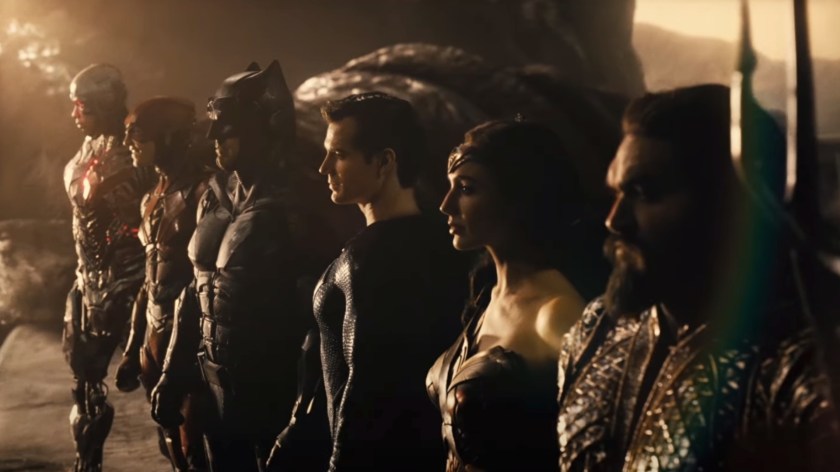
Zack Snyder’s Justice League is an astonishing achievement and represents a mature and risky effort in establishing the DC team. The four hours fly by and it is a visual treat throughout. This is a Zack Snyder film through and through but it interestingly represents a more mature effort in that the storytelling here is improved from some of his previous filmography, where some of his films have bordered on the incoherent. By the film having its length, the film can breathe and Snyder works wonders in establishing and developing each and every character of the team. There is no conceivable way this story can be told in a two hour run time.

This director’s cut is completely different in story and structure from the theatrical cut. There isn’t many of Snyder’s scenes in the theatrical cut and it’s interesting that Whedon cut many of his scenes to the point where they dramatically alter the meaning they are attempting to effect. This director’s cut has real stakes and sets up a greater arc for future films to explore, although it is improbable that will come to fruition. Snyder presents his superheroes as god-like figures that have made sacrifices and the narrative interweaves with various forms of ancient mythology.

Ray Fisher’s Cyborg makes the biggest impression in this cut, a character that barely registered in the theatrical rendition. We witness the origins of how Victor Stone becomes Cyborg and there are real emotional stakes in his character, particularly in his relationship with his father played by Joe Morton, again in an expanded capacity in this cut. Wonder Woman and The Flash also have expanded roles compared to the original cut that further develop both characters, Snyder portraying a darker and more gritty take on Wonder Woman. The focus Snyder takes with Ben Affleck’s Batman is more of a mentor role, which is also interesting and we see the more vulnerable aspect to the character in some of the action sequences where he clearly isn’t as physically strong as other members on the team. Aquaman features more in the film but isn’t as much the focus, but this is a nice introduction to the character in preparation for what was his solo film. It’s fascinating that Superman’s resurrection sequence occurs around two and a half hours into the film, which is quite a long way in and the first two and a half hours effectively portray the dour reality of a world without Superman.

The villains are much better in this film compared to the theatrical cut. Ciarán Hinds’ Steppenwolf was really poorly established and developed in the theatrical cut. Interestingly, Steppenwolf’s first scene in the Snyder Cut is when he acquires the first Mother Stone from Themiscyra. It is a much better scene compared to in the Whedon cut (which this scene was surprisingly one of the highlights) as his motivations are made much clearer. Steppenwolf is actually a pawn to a greater power, Darkseid, and the interplay between them is excellent and Steppenwolf’s servant role is greatly explored. Ray Porter’s Darkseid also makes a strong impression here in a limited role that introduces audiences to him, almost the equivalent in stature in DC than Thanos is to Marvel.

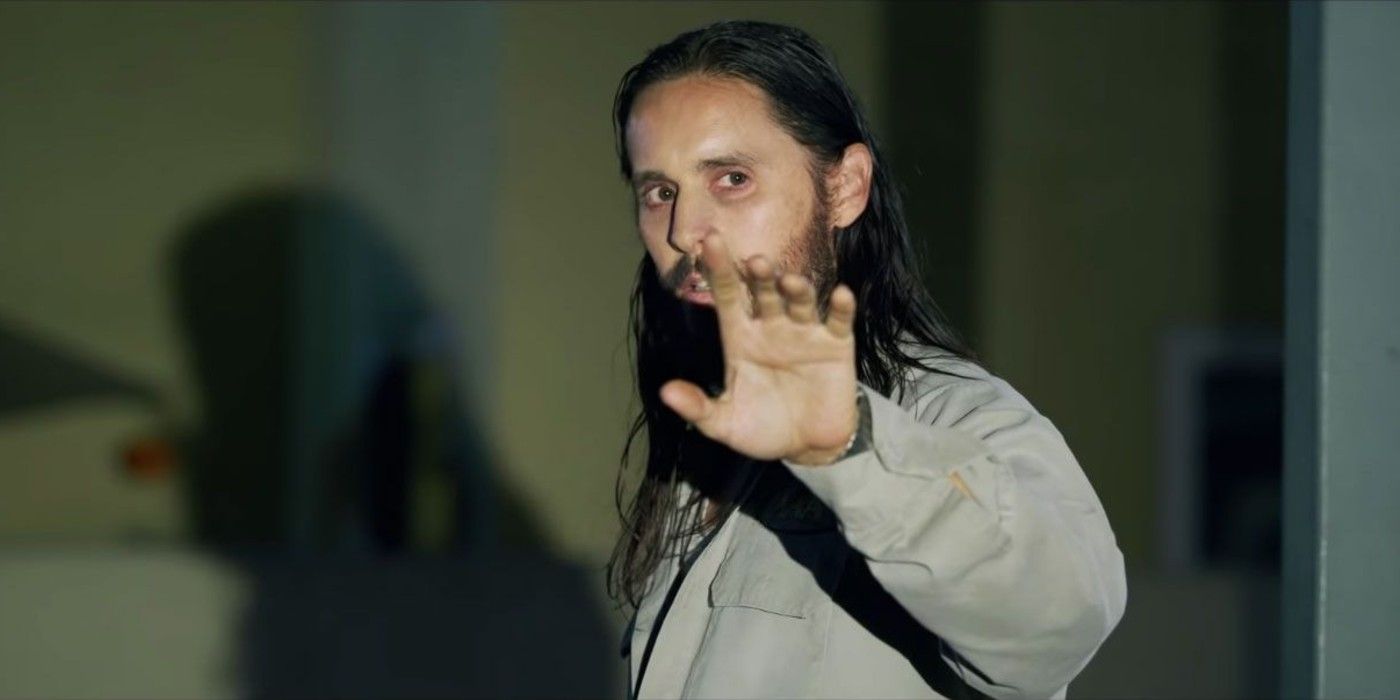
Jared Leto features in a scene towards the end of the film as the Joker that was shot towards Snyder’s completion of the film. Leto’s portrayal was derided in Suicide Squad (although I found enough to like in his portrayal) and in the scene he shares with Batman here, he is unhinged and unpredictable, diverting from other portrayals in that he focusses more on the ‘Wild Card’ aspect of the character.

This director’s cut also wildly succeeds on a visual level, playing to Snyder’s strengths. At no point in the 4 hour run time did I feel that the effects looked unfinished or rushed and the apocalyptic aesthetic of the film has far more weight than the brighter aesthetic of the theatrical cut. Fabian Wagner’s cinematography is outstanding – it didn’t make much of an impression in the theatrical cut but clearly, the majority of that cut consisted of reshoots. Wagner crafts some mesmerising images, complimenting Snyder-regular Larry Fong’s work on Batman v Superman.

Junkie XL’s metal-heavy and god-like score further elevates the film and is far more bombastic and ambitious than Danny Elfman’s stale score for the theatrical cut. That said, not all of Elfman’s score made it to the original cut and there is some material on the soundtrack that is excellent. Junkie XL successfully crafts new and memorable themes for the new superheroes introduced and it’s impressive that throughout the extended run time, it manages to sustain its quality.

Ultimately, Zack Snyder’s Justice League is a frequently astonishing and bold take on this DC lineup and it earns its four hour run time. Snyder has matured as a director and he has markedly improved on some of his lesser qualities in previous films in regards to storytelling and representations. The wider context of this director’s cut is fascinating in how different it is from what Warner Bros chose to release. The stark differences between both cuts is something that can and likely will be studied for years to come and having watched this director’s cut, one has to question the psychology of the decision to approve the theatrical cut for cinema release. It would be really interesting to see where the narrative of this cuts leads with further installments but that is unlikely to happen. Still, it’s miraculous that this director’s cut has seen the light of day and if there is the audience demand for the continuation of Snyder’s storyline, it would be barmy for Warner Bros to ignore its market.

⭐⭐⭐⭐ (Excellent)

Judas And The Black Messiah (Review)

Uncategorized

⭐⭐ (Poor)

Director: Shaka King
Starring: Daniel Kaluuya, Lakeith Stanfield, Jesse Plemons, Dominique Fishback, Ashton Sanders, Darrell Britt-Gibson, Lil Rel Howery, Algee Smith, Dominique Thorne, Martin Sheen
Certificate: 15
Run Time: 126 mins

Every Awards season, there is one undeserving film and this year, that honour goes to Judas And The Black Messiah. Directed by Shaka King, the film chronicles the story of Fred Hampton (Daniel Kaluuya) and his rise in the Illinois Black Panther chapter, culminating in his eventual betrayal by William O’Neale (Lakeith Stanfield), an FBI informant. The film is largely told from the perspective of O’Neale, who we meet at the beginning of the film as he raids a bar with a fake FBI licence and steals a car, only to then get arrested and inform for them by infiltrating the Black Panther party. Judas and the Black Messiah is one of the heavy hitters this Awards season and it has a star studded cast so why doesn’t the film work? 

The storytelling isn’t particularly coherent and King fails to capitalise on key moments. Plot points are glossed over throughout the film with no depth or meaningful character development. Most irritating is King’s glossing over of O’Neale’s betrayal at the end of the film and the results are emotionless, without consequence. The plot feels like a tick-box exercise. 

Much praise has been touted regarding Daniel Kaluuya’s performance, who looks almost certain to win, as the Black Panther leader. Kaluuya is good but the way the character is written is one-note and this is far from his career best performance. It’s a shame that certain actors get rewarded for work that isn’t their best. If anything, Lakeith Stanfield gives the better performance of the two as his character has more gravitas but not nearly enough emotional development to empathise with the sticky situation O’Neale finds himself intertwined in. 

The biggest mistake this film commits is it has an obnoxiously preachy tone, although luckily not to the extent of Selma, another Awards film that had received unanimous praise but I found it abhorrent. 

The film’s not without a handful of merits. There are some energetic moments here and there where it feels like the film is going to take off but then it never happens and these attempts are ultimately inert. The opening with O’Neale raiding a bar is well done, as is a pulse-raising shootout on a busy street against the police. The score by Mark Isham and Craig Harris is interesting at times and there is a good performance in a standout scene from Lil Rey Howery, a mirroring of an earlier scene. 

It’s a shame that with a cast and crew this good that the result is this inert. Whilst it has a couple of bright spots, for the most part, Judas And The Black Messiah is a slog of a biopic and a real disappointment. 

⭐⭐ (Poor)

The Little Things (Review)

Uncategorized

little things

⭐⭐⭐⭐ (Excellent)

Director: John Lee Hancock
Starring: Denzel Washington, Rami Malek, Jared Leto, Natalie Morales
Certificate: 15
Run Time: 128 mins

The Little Things is a neo-noir crime thriller that heavily wears its inspiration of David Fincher’s Se7en and Zodiac on its sleeve. Denzel Washington stars as a grizzled detective, Joe ‘Deke’ Deacon who crosses paths with recently appointed lead Detective Jimmy Baxter (Rami Malek). The two of the them team to investigate a string of serial murders and their search leads them to a strange loner (Jared Leto), who may or may not be the culprit. Director John Lee Hancock lends an assured hand to the material, allowing the film a familiar feel that revels in its atmosphere. His filmography is quite diverse from Saving Mr Banks and The Founder proving success but his most recent project for Netflix, The Highwaymen, was a howler.

Although familiar, for the majority of The Little Things, I was enamoured by the atmosphere, the development of the characters and the performances. Denzel Washington and Rami Malek make a great pair, Washington particularly convincing as the experienced but unorthodox sheriff. Jared Leto is suitably creepy as the suspect, although he has played this type of role before. The characters are all really well developed and Washington conveys his age and experience in his interactions with former acquaintances brilliantly. The interplay between Malek and his young family is also convincing. The central mystery is enticing as well. Thomas Newman’s score is excellent in being his signature but uncomfortable.

Unfortunately, the film runs into murky water in its final 15 minutes with its controversial ending. Granted, it is original but I found it very anti-climatic, abrupt and like a big nothing and more than a little underwhelming. Hancock justifies the decision to end the film in this way. The film could easily for me have gone on for longer to solve its central mystery, but the film isn’t really interested in this and is more focussed on character.

It is easy to understand the mixed reception to The Little Things but until its ending, I found it to be a riveting drama that is very cine-literate.

⭐⭐⭐⭐ (Excellent)

Coming 2 America (Review)

Uncategorized
⭐⭐⭐ (Good)

Director: Craig Brewer
Starring: Eddie Murphy, Arsenio Hall, Jermaine Fowler, Leslie Jones, Tracy Morgan, KiKi Layne, Shari Headley, Teyana Taylor, Wesley Snipes, James Earl Jones 
Certificate: 12A
Run Time: 110 mins

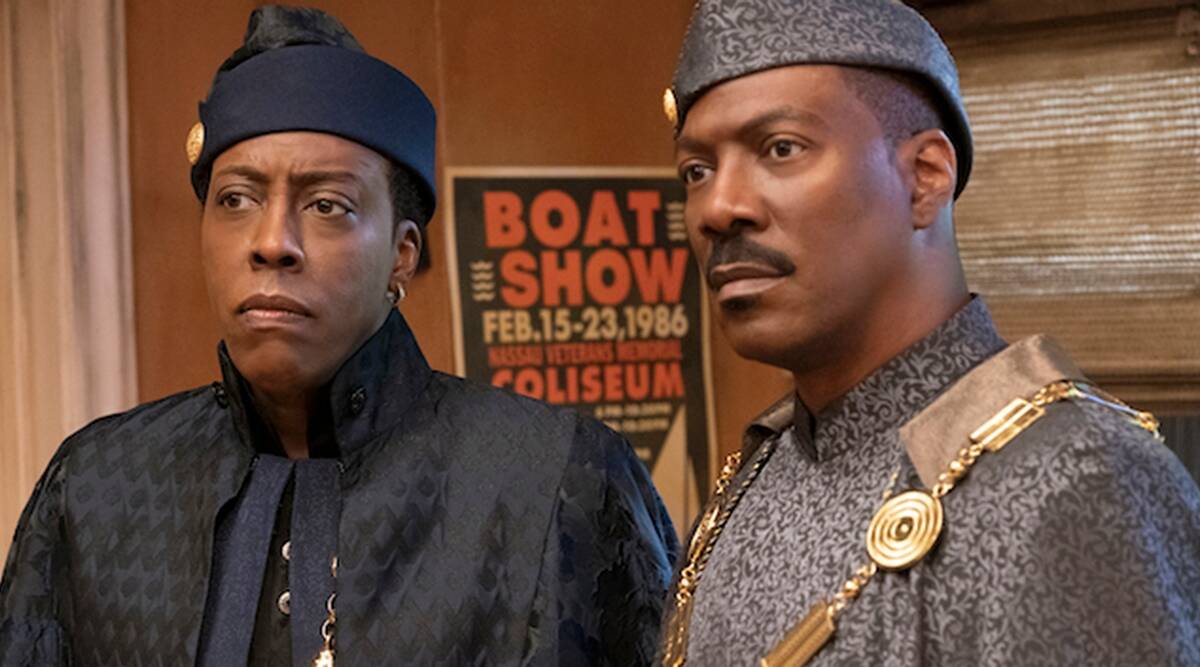
Coming 2 America is a competent and entertaining sequel, even if it is more family oriented and lacks the 1988 comedy classic’s edge. Eddie Murphy returns as the Zamundan Prince Akeem, the role that helped propel the actor to stardom after a string of hits, such as Trading Places and Beverly Hills Cop. Set on the 30th anniversary of his wedding with Lisa McDowell (Shari Headley), Prince Akeem is summoned by his ailing father, King Jaffe Joffer (James Earl Jones), who reveals that Akeem had inadvertently fathered a son on his trip to New York in the first film. As it is tradition in Zamunda for the King’s successor to be a male, Prince Akeem is sent back to New York to retrieve his son. This causes a rift with the now Queen Lisa, who Akeem had fathered three girls with, and the notion of changing Zamundan politics ensues. The film is directed by Craig Brewer, replacing John Landis who helmed the first film, who most recently directed Dolemite Is My Name, a film that cemented Eddie Murphy’s comeback with a fantastic performance as the titular performer. 

Coming 2 America best succeeds with its returning characters from the first film and successfully introduces some compelling new faces. Leslie Jones has some of the film’s best lines as Mary, the woman who Akeem had fathered his son with and Wesley Snipes lends a surprising comedic touch as the dictator, General Izzi, of Zamunda’s neighbouring nation, Nexdoria. The relationship between Akeem and his three daughters is well explored, their roles reminiscent of a comedic Shakespearean parallel, with Akeem mirroring his father’s presence. This family oriented feel of the film is what allows it to succeed. It would have really benefitted the film if both Eddie Murphy and Arsenio Hall (who returns as Akeem’s aide and best friend, Semmi and also reprises his other roles from the first film) had more to do as both actors are the reason why audiences would want to invest in a sequel, but the film is more centred on the newer generation of characters. The film is well worth watching for their performances, even if they are more reserved and less raucous than the first film. 

It is this raucousness and bite that made the original film work so well that this sequel lacks. Arguably, Murphy and crew had more reason to take a risk with the first film with their edgy comedy as they were trying to establish their careers, rather than rock the boat on a sequel over thirty years later. The film wears a 12A / PG-13 rating rather than the 15 / R rating of the original, which is a shame as it limits the subject matter of the comedy and language of the script. 

Coming 2 America is a fun sequel that is worth watching if you are a fan of the original and successfully develops the characters and world that had been established. But if you are looking for an ambitious sequel that is not afraid to rock the boat, this is not it. This sequel deserves credit though for not trying to rehash the main plot elements of the first film and feel like a carbon copy, which many comedy sequels fall into this trap. Coming 2 America is good fun in the moment, even if it may not have the lasting quality of the original. 

⭐⭐⭐ (Good)

Capone (Review)

Uncategorized

tom-hardy-al-capone

⭐⭐⭐ (Good)

Director: Josh Trank
Starring: Tom Hardy, Linda Cardellini, Jack Lowden, Noel Fisher, Kyle MacLachlan, Matt Dillon 
Certificate: 18
Run Time: 104 mins

Capone (initially titled as Fonzo) is an unconventional biopic that centers on the infamous mobster’s last year of his life where he is suffering with the effects of syphilis and dementia. This is the first film by director Josh Trank after his time in director’s jail after seemingly being wiped off the face of Hollywood with Fantastic Four. I defended the film as I found that problems aside, there was still a good film in there which unfortunately had been tangled with by Fox’s executives. Sadly, most people didn’t see it this way and after Trank publicly disowned the film on the day of its release, it isn’t hard to imagine that most production companies wouldn’t want to take a chance with him. I would love to see what Trank had planned for that film one day in a director’s cut but there’s next to no chance of that ever happening.

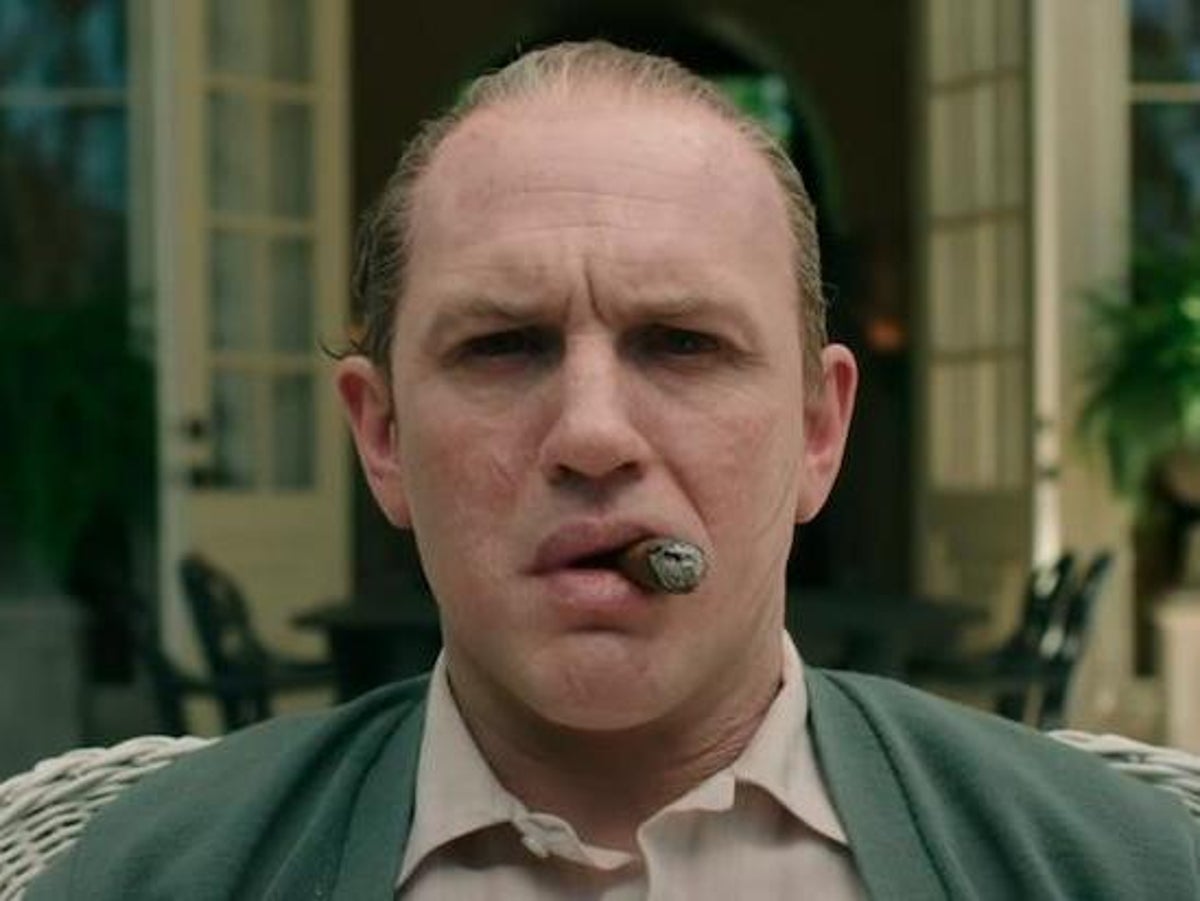
Trank has written, directed and edited this biopic that was shot in early 2018 and was released in most territories last year but has only now found its way to a UK release, quietly and unceremeniously dumped on Netflix. Tom Hardy plays the ageing gangster under a lot of prosthetics having spent a long stint in prison. He now lives under the care of his family on house arrest and is still being closely monitored by the FBI, who are unsure if his illness is as authentic as it seems. We witness his decline in his last year, bookended by two Thanksgiving family dinners, where he loses awareness of reality, suffers hallucinations and battles incontinence. He is regularly seen to by a Doctor (Kyle MacLachlan) who faces a moral dilemma of assisting him with his health but is also under the pressure by the FBI to ‘coax’ him out of his illness and reveal where a vast amount of money that he had hidden before he was convicted is lurking.

Capone is a mixed bag. Thankfully, there is more good than bad though and it is always refreshing to see a filmmaker craft something original and defy convention rather than just churn out a generic biopic. The film hinges on the electric performance from Tom Hardy, who is terrific as the unhinged mobster and portrays his descent into insanity very convincingly. Hardy’s vocal mannerisms of Capone are brilliant, as is his feral, wide-eyed demeanour. There are some fine performances from the rest of the cast, such as Linda Cardellini as his wife and Kyle MacLachlan as Capone’s Doctor but this is very much Tom Hardy’s vehicle.

Trank intersperses the film with flashbacks to Capone’s prime and hallucinations, particularly one extended sequence where Capone regrets his past actions as he relives a torturing and murder of a character and then sings along at a dinner to Cowardly Lion’s If I Were King Of The Forest from The Wizard of Oz. This extended sequence is the first major hallucination we experience of Capone’s but it is overlong and doesn’t really have much of a point, other than to witness that despite Capone’s mental state, he still expresses regret. There are some outlandish scenes in the film but this first extended sequence undoes the desired effect as we wait to discover if what we have just witnessed is in Capone’s head or reality. There is also a character that features in the film, seemingly in reality, where it transpires that he has been dead for many years and it’s rather frustrating that Trank doesn’t make more of a statement with the character in some of the earlier scenes he features – it ends up being rather anti-climatic.

That said, there is a terrific sequence where Capone wields a gold Tommy gun and wreaks havoc on his estate before an encounter with a crocodile. It’s clearly obvious from the onset of this scene with the absurdity of the situation that this isn’t real and it is easier to relax into the film.

The film is scored by El-P and is atmospheric in places but surprisingly lacks substance. Capone would have been better served by a more pulsating score that was in keeping with the madness portrayed on-screen. Peter Deming’s cinematography is suitably arresting, the moments of strong bloody violence that earn Capone its 18-rating are well realised, as is the sequence with a crocodile, a rare moment of vivid, kaleidoscopic colour that juxtaposes from the rest of the film’s suitably murky colour palette.

Capone ultimately represents an interesting follow-up for director Josh Trank that is neither as great as it could have been to redeem his image nor the terrible and repugnant disaster that some reviews have made it out to be. Trank has crafted this film on his own terms and it’s not a film for everyone. This is a film that warrants rewatching to further unpack its meaning. I’m grateful that this film exists and that Trank has stuck to his vision without compromise, even if the end result is flawed.

⭐⭐⭐ (Good)

I Care A Lot (Review)

Uncategorized

4800

⭐⭐⭐⭐ (Excellent)

Director: J. Blakeson
Starring: Rosmaund Pike, Peter Dinklage, Eiza González, Dianne Wiest 
Certificate: 15
Run Time: 118 mins

I Care A Lot is a gripping and wild black comedy-thriller that keeps its audience on its toes throughout. Rosamund Pike plays Marla Grayson, a morally bankrupt but cool-as-a-cucumber con artist who preys and scams on the older generation by becoming their ‘legal guardian’ and sending them to a care home, whilst she profits from selling their property and assets. Marla is assisted by her lover and business partner, Fran (Eiza Gonzalez) who has an equal disregard for the ethics of her actions. After targeting what is defined early on in the film as a ‘cherry’ – a single lady called Jennifer Paterson (Dianne Wiest) who has no family but vast amounts of wealth, on paper this should be the perfect opportunity for them to profit. Jennifer is quickly whisked away into a care home, which is not too dissimilar to a prison in its construction. Marla faces a visit from a stash-carrying lawyer who warns her that Jennifer is ‘the worst mistake you will ever make’, a gripping game of cat-and-mouse ensues with elements of revenge, a no-nonsense, smoothie-drinking villain who is very much Marla’s match and ties to the Russian mafia.

Directed by J. Blakeson, I Care A Lot is directed with an improved and impressive assurance for only the directors third feature. Blakeson crafts some intense sequences which are really well developed in their Hitchockian construction. The performances are fantastic across the board. This is familiar territory for Rosamund Pike, Marla a character cut from the same cloth as her Oscar-nominated performance in Gone Girl. Eiza González is just as strong as her partner in crime. Peter Dinklage is clearly having fun as the villain and Dianne Wiest deftly manages to balance the hopelessness but hidden intelligence of Jennifer. Isaiah Whitlock Jr. has a small but humorous role as a Judge who is very much under the spell of Marla.

The film from start to finish is really excellent. Perhaps some of the twists the film takes in its third act aren’t quite as fresh as the beginning and it begins to move away from its smart commentary in the first two acts on the elderly generation. The notion that this could happen to you when you are older is genuinely frightening and really doesn’t feel that far removed from reality. I’m also not sure on the film’s ending and I felt that there was a clear end point which would have been more enigmatic for the audience, rather than there being an actual conclusion. The film features an interesting synth score which contrasts with the events unfolding on-screen but sometimes aggressively doesn’t fit.

Ultimately, I Care A Lot is a wild ride throughout and is thoroughly entertaining. This is not only J. Blakeson’s best work in his career, this is also one of the best films of the year so far.

⭐⭐⭐⭐ (Excellent)

News Of The World (Review)

Uncategorized

MV5BNTM4ZmJjOWQtZTI5OS00YzUxLTk0ODQtNGYxMWY5YzE2ZDEzXkEyXkFqcGdeQXZ3ZXNsZXk@._V1_

⭐⭐⭐ (Good)

Director: Paul Greengrass
Starring: Tom Hanks, Helena Zengel
Certificate: 12A
Run Time: 118 mins

News of the World represents a different filmic venture for director Paul Greengrass, most notable for the Jason Bourne series and his dramatisations of original events with films such as United 93 and Captain Phillips. This is a quiet, contemplative Western that save for one stake-out on a hill mid-way through, is bereft of action. It couldn’t be more far removed from the rest of his filmography, also foregoing his signature twitchy handheld camera and docu-drama aesthetic. 

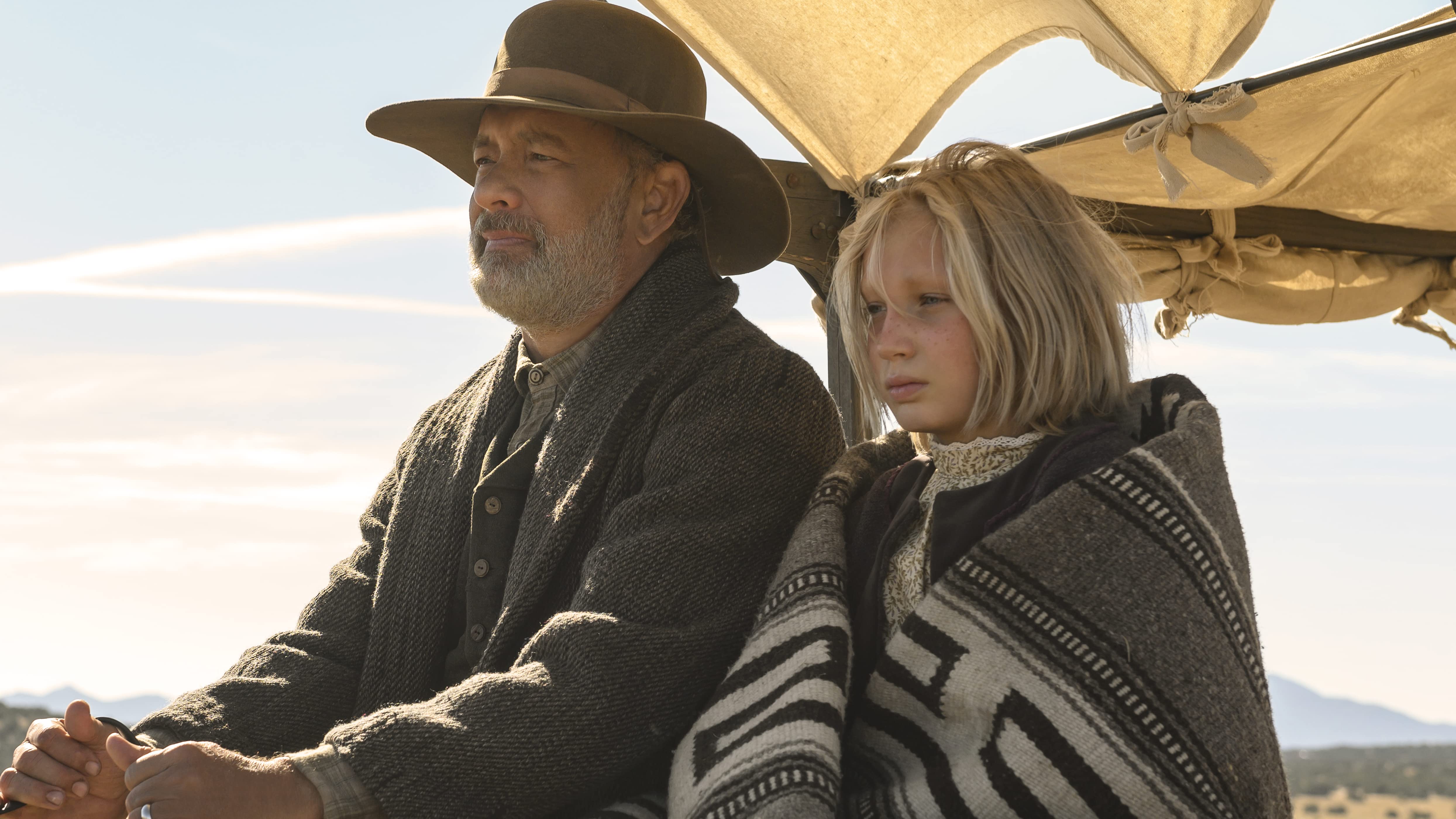
Tom Hanks plays Captain Jefferson Kyle Kidd, a Confederate veteran who makes a living travelling from town to town in 1870’s America, reading the news to local populations for ten pence per person. Captain Kidd’s relatively simple life is overturned when he encounters an overturned cart where twice orphaned Johanna (Helena Zengel) is discovered after she runs past him terrified. Johanna has quite a back story – she came from a German farming community who were attacked by a Kiowa tribe, where they then made her part of her community and now the Kiowa’s have been cleared out by the American army. After trying to deliver her to the relevant authorities who can take her to safety, Kidd decides to take the task up himself to reunite her with her closest family, an aunt and uncle who live on a farm on the far side of the state. Along the way, he stops to read the news to various communities to finance the journey, one community in particular drawing parallels with modern day politics in how its dictator gives Kidd his approved news to read and he has an army to ‘cleanse’ the county of any outsiders.

Both performances by Tom Hanks and Helena Zengel are exemplary. Despite Hanks’ vast variety of roles, this his first official Western (although arguably, Woody in Toy Story is close!). The young Helena Zengel impresses and the two establish a convincing rapport. When the film reaches its action setpiece mid-way through, Greengrass has already more than allowed audiences to have an emotional investment in the duo Dariusz Wolski’s cinematography is terrific, with sweeping panoramic vistas with a gallery quality that draws parallels with The Searchers, one shot in particular harkens back to its ending.

However, News of the World is only good. The Western has had a resurgence in recent years with some outstanding additions to the genre such as The Hateful Eight, Bone Tomahawk and Hell Or High Water. As there have been so many examples of strong work that perhaps have established an unreasonably high bar, it’s disappointing that News of the World doesn’t come close. It’s perfectly acceptable that Greengrass’ film sticks to convention but there isn’t a great deal of substance here both in its narrative or tonal quality. Even James Newton Howard’s try-hard score doesn’t really stick.

Ultimately, News of the World is a modest and well-intentioned Western with strong performances but it doesn’t try to reinvent or progress the genre, is narratively thin and fails to leave a lasting impression.

⭐⭐⭐ (Good)

The Dig (Review)

Uncategorized

the-dig

⭐⭐⭐ (Good)

Director: Simon Stone
Starring: Carey Mulligan, Ralph Fiennes, Lily James, Johnny Flynn, Ben Chaplin, Ken Stott
Certificate: 12A
Run Time: 112 mins

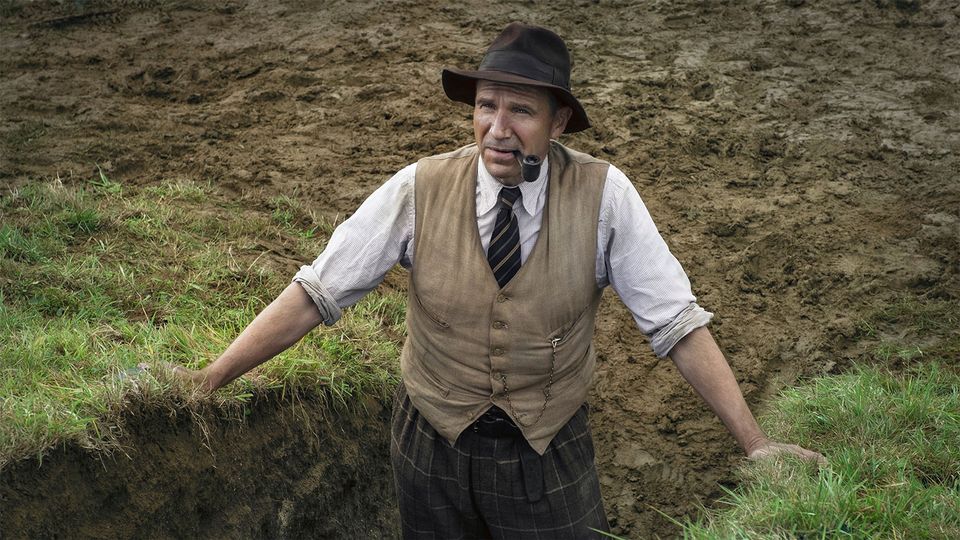
The Dig is a handsomely crafted biopic, with an earnest central performance from Ralph Fiennes, that chooses not to veer off the course of biopic convention.  It explores the story of the excavation of the Great Ship Burial at Sutton Hoo in 1939, on the eve of World War II. The landowner, Edith Petty (Carey Mulligan) hires local, self-taught archaeologist / excavator Basil Brown for the task, who has largely been forgotten in history, who made the important discovery only to be shadowed by a Cambridge archaeologist who brings in a large group to dig the site up, by order of the Office of Works.

Ralph Fiennes makes for a likeable lead as the honest yet unconventional Basil Brown and Carey Mulligan is also charismatic as the landowner with a secret. The film is at its best in its first half when the film is mainly focussed on the duo, with the second half starting to overshadow them with the arrival of Ken Stott’s chief archaeologist and his crew. There is a touching subplot with how Fiennes interacts with Mulligan’s young son and the initial excavation and discovery of the Anglo-Saxon ship and artefacts. The second half is less focussed, and Lily James’ awkward inclusion in the film as a gifted archaeologist is reduced somewhat in another romantic subplot and it is less intimate in its character development of the central duo.

The Dig is a handsomely crafted biopic with a fascinating story and sympathetic performances but unlike its characters who take courageous risks, this is a film that refuses to deviate from convention. There is a growing host of biopics out there and although the story is gripping, the film itself is likely not to be particularly well remembered in years to come.

⭐⭐⭐ (Good)

Ranking The Comic-Book Films Of 2020

Uncategorized

The comic-book genre continues to maintain its audience popularity and 2020 brought some new additions to the table. Unfortunately, not every film that was in the calendar has been released due to the coronavirus pandemic, so this is a much smaller year in terms of volume. Three films made it to release. Here, I rank these films in order of my personal preference.

In a surprise move, DC had the biggest year releasing two of its films. Birds of Prey was lucky to release in February just before the pandemic hit and was interesting in that it represents a more adult take on the genre with an all female cast. Wonder Woman 1984 was scheduled for early June but found itself getting delayed and ultimately recieved a hybrid release in select open cinemas and video-on-demand in December.

Marvel were meant to release two films this year – Black Widow and The Eternals but neither were released and have moved to the 2021 slate. Black Widow was meant to release in May but Disney have been reluctant to move it to their Disney+ channel and are trying to hold out for a theatrical release.

In their Sony slate, Marvel were also meant to release Morbius and Venom 2 this year that continue the universe set up by Venom but both have also been moved to 2021.

In what is perhaps a surprise move, the final X-Men film (well more of a spin-off that was meant to release back in 2018!), The New Mutants, had a quiet release in Summer once cinemas reopened but had next to no marketing. It has been clear since its strained release that Disney-Fox lacked confidence in the product and in the vein of Fantastic Four, tried to dump it on screens so that it had a theatrical release and be rid of it. 

Overall, I would argue that the three films in this small list here are all good and there isn’t a great deal between them, especially the top two films in this list. Let’s get started!

maxresdefault

3) Birds of Prey 

Birds of Prey is an interesting addition to the DCEU in that it functions as a distanced sequel to Suicide Squad in that it follows Margot Robbie’s Harley Quinn and some of the ramifications following the events in that film but functions as a standalone piece otherwise. Directed by Cathy Yan, this is an interesting and original entry into the comic-book genre that hits more than it misses. Yan implores the use of unreliable narration and dials up the violence to earn the film a 15 rating, following the success of more adult entries such as Deadpool and Logan. It’s also an all female team directed with a feminist agenda which is also refreshing. The film is very ramshackle in its construction for its first two acts and there are some sequences that diverge from the main plot which just don’t work, alongside some poor musical choices. However, the film finds its footing in the final act once the team are assembled and there is a carnival-esque quality to their camrarderie. Birds of Prey is an interesting film that I’m glad exists and I would be happy to watch future installments but this film does run into its fair share of issues.

Wonder-Woman-1984

2) Wonder Woman 1984 

Overall, Wonder Woman 1984 is a risky sequel that retains the first film’s quality in developing its characters and uses action sparingly in its long run time. I can understand the mixed reception to some of the film’s themes but I got on board with the narrative and was thoroughly entertained from when the film finds its footing about 20 minutes in right through to the end. Yes, it has its problems with some of the narrative choices and the depiction of Cheetah but director Patty Jenkins poses enough thought-provoking questions and develops her characters very well to make the film worthwhile. It is always better for a sequel to take risks in order to develop a film series rather than just rehash the same beats and for that, you have to appreciate the ambition of Wonder Woman 1984, even if said risks don’t always pay off. It will be very interesting to see where Wonder Woman and the supporting characters are taken next in future DCEU films. (My full review here)

And the best comic-book film of 2020 is…

disney-will-release-a-new-trailer-for-marvels-the-new-mutants-next-month-social

1) The New Mutants 

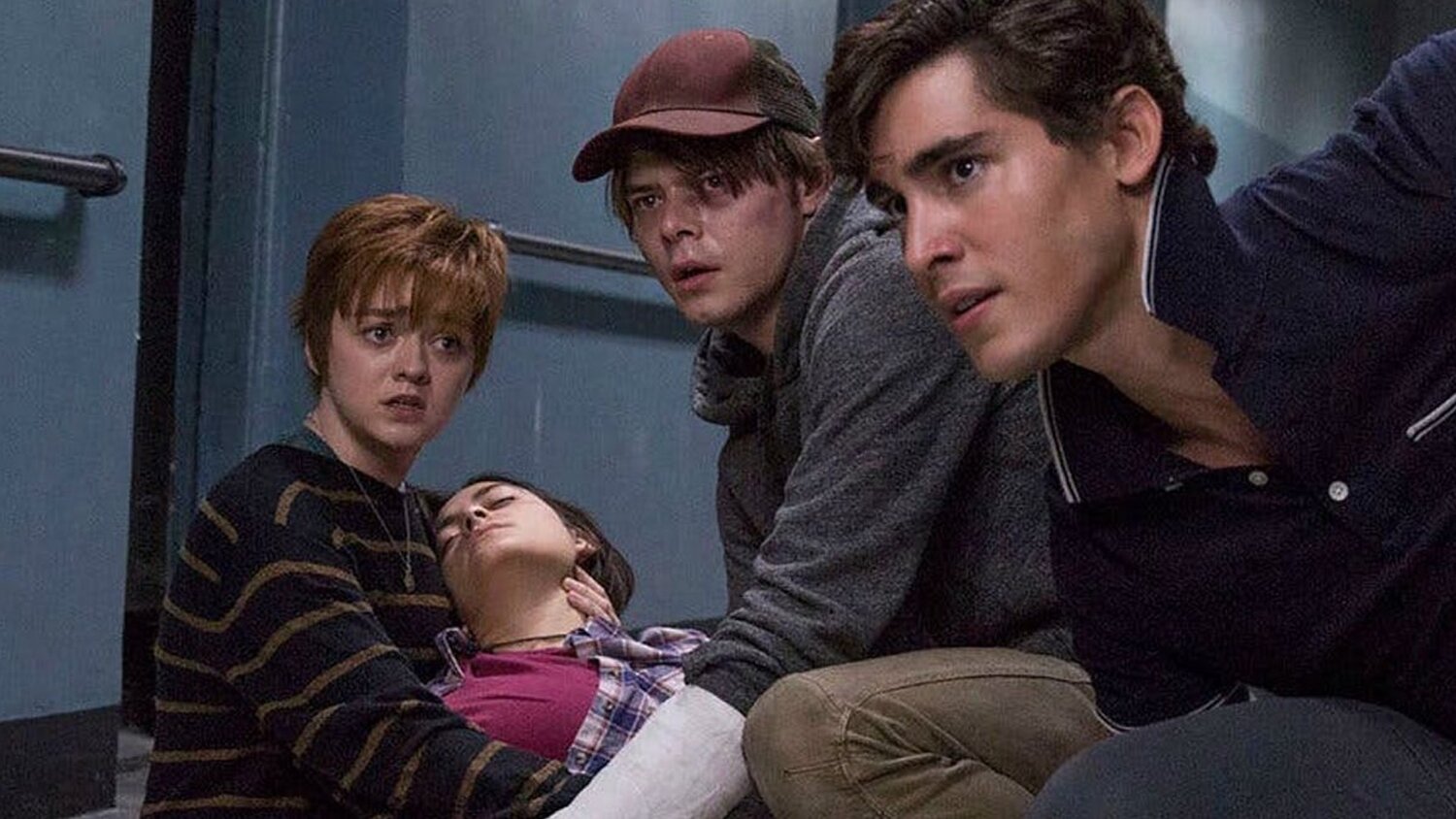
A choice that I’m sure will spark controversy! Although Wonder Woman 1984 is perhaps a slightly more consistent film, The New Mutants surprised me in that it is a far better film than it has any right to be or as the delays would suggest. The notion of director Josh Boone melding a comic-book film with the horror genre is an interesting decision and whilst the film isn’t particularly scary, there are some unsettling images of some of the team’s greatest fears. The smaller scale works wonders for the film, with Boone successfully establishing and developing its close-knit characters. By the time the film reaches the third act, all of the characters make compelling cases to really care for them. Unfortunately, The New Mutants commits the classic comic-film sin with its last 15 mins as it descends into a bit of a CGI-fest but it’s relatively short-lived. It does undo the sense of intrigue somewhat but it needs to integrate into the genre somehow, I suppose. Despite the ambitions for The New Mutants to start a new series, this standalone film is a valiant effort in its final form and is worth watching for viewers of the series. (My full review here)


What are your thoughts? Let me know in the comments or tweet @TheFilmMeister