Director: Parker Finn Starring: Sosie Bacon, Jessie T. Usher, Kyle Gallner, Kal Penn, Rob Morgan Certificate: 18 Run Time: 115 mins
Smile is a psychological horror written and directed by Parker Finn, in his feature-length debut. Finn expands his 2020 short film called Laura Hasn’t Slept. The film follows a therapist named Rose Cotter (Sosie Bacon) who starts having increasingly disturbing experiences after witnessing the unexplained suicide of a patient. She starts to believe her experiences are supernatural. The marketing for Smile hasn’t seemed particularly convincing, but how does it fare?
Smile is a surprisingly effective psychological horror that deftly explores the themes of trauma, grief and guilt through horror’s generic constructs. It’s not perfect – it overrelies on some classical horror tropes, particularly with its use of jump scares and there’s nothing here you’ve haven’t seen before. It’s also around 10 minutes overlong.
That said, it’s impressive that it doesn’t fully reveal what is haunting Cotter right until the very end and as a result, it maintains its tension. There’s also a terrifically creepy yet awkward party and the atmosphere of the hospital Cotter works at is also well-realised.
Sosie Bacon makes for a compelling lead as the increasingly frantic Cotter, who we learn is burying some past trauma of her own. Jessie T. Usher turns in an uncharacteristically sombre performance as Cotter’s uncaring husband. Caitlin Stasey is also excellent as the patient who takes her life in front of Cotter, having originally played the lead in Laura Hasn’t Slept.
The score by Cristobal Tapia de Veer is unnerving and anxiety-inducing, successfully getting under the film’s skin. It’s also well shot by Charlie Sarroff, with some effective Dutch angles.
Smile is ultimately much better than it has any right to be and is thoroughly entertaining and meaningful from start to finish. No, it’s not the most original example of horror but despite an over reliance on jump scares, it maintains a creepy tension throughout and there are some striking images. It’s another solid horror to add to the impressive 2022 collection and I’m looking forward to seeing how Finn’s career develops.
Director: Andrew Dominik Starring: Ana de Armas, Adrien Brody, Bobby Cannavale, Xavier Samuel, Julianne Nicholson Certificate: 18 Run Time: 166 mins
Blonde is the eagerly awaited fictional retelling of the life of Marilyn Monroe from director Andrew Dominik. Dominik is a terrific talent who hasn’t put a foot wrong from the chilling prison crime drama Chopper, the magnificent The Assassination of Jesse James by the Coward Robert Ford and the grim yet thrilling Killing Them Softly.
The film is an adaptation of Joyce Carol Oates’ 2000 novel of the same name, which takes more than a few liberties of Monroe’s life and career. Naturally, Blonde has attracted controversy for this, as well as Dominik’s portrayal of Monroe, which many have labelled as exploitative.
While the film may have rubbed people the wrong way, it’s best to go into Blonde not expecting a biopic that rigidly sticks to fact and is instead a mechanism to interrogate fame in a horror-like setting.
Blonde is a bold and electrifying piece from Dominik – a hellish, unrelenting account that deftly captures the descent of Monroe’s life. The film argues Monroe was used and abused at every turn, a child-like figure who couldn’t handle herself. Redefining the parameters of the biopic genre, Blonde indebted to the style of David Lynch and Darren Aronofsky in its hallucinogenic portrayal of Monroe’s gloomy life. Dominik also experiments with colour and aspect ratios and there are numerous sequences which feel like they have been lifted straight from the 1950s.
The opening twenty minutes is particularly startling, a young Monroe (brilliantly played by Lily Fisher) suffering abuse at the hands of her mentally unstable mother, Gladys (Julianne Nicholson).
Dominik’s portrayal of the paparazzi and male gaze is also fascinating, especially how he meticulously recreates iconic images from Monroe’s career. The film is unflinching in its depiction of sexual violence and domestic abuse, thoroughly earning its 18-rating.
Its last act is a disorienting Lynchian descent into drug-fuelled mania. A scene where Monroe is sleeping is shot as if from the angle of a voyeur and she awakens from her slumber to check her surroundings. DP Chayse Irvin experiments with shadows and figures and there is definitely someone in the room.
Ana de Armas is terrific as Monroe, who disappears into the role of an individual that simply has no place in life. A scene where she watches her in-laws make pasta from scratch is particularly profound as she likens the technique to the writing of a script and how she can’t fit in.
Of the rest of the cast, Adrien Brody also turns in a brilliant performance as the playwright Arthur Miller, as does Julianne Nicholson as Monroe’s unhinged mother.
The score by Nick Cave and Warren Ellis is breathtaking – a haunting and melancholic soundscape that is endlessly memorable and is the glue that holds the film together. It’s interesting that between Monroe’s childhood years, there is a lack of score until a polyamorous sexual encounter.
Chayse Irvin’s cinematography is mind-blowing. On top of the experimentation in colour and aspect ratio, a scene of Bobby Cannavale’s Joe diMaggio threateningly walking up a set of stairs is particularly striking, as is a disorienting sequence of characters walking through a corridor, made to feel as if it is one shot.
Blonde is not for the faint-hearted but this is a fierce and muscular horror-filled biopic of Monroe. It’s directed with real vigour, backed up by committed performance and a technical crew on top of their game. The 166 minutes fly by and a second watch unlocks even more substance. This is one of the best films of the year and worth the uncomfortably long wait for Dominik to direct a feature-length film.
Director: John Michael McDonagh Starring: Ralph Fiennes, Jessica Chastain, Matt Smith, Ismael Kanater, Caleb Landry Jones, Abbey Lee, Mourad Zaoui, Marie-Josée Croze, Alex Jennings, Saïd Taghmaoui, Christopher Abbott Certificate: 18 Run Time: 117 mins
The Forgiven is the new film by director John Michael McDonagh, brother of Martin McDonagh behind films such as In Bruges and Three Billboards Outside Ebbing, Missouri. The lesser known brother has also had a very strong career, his first two films with Brendan Gleeson in the leading role, The Guard and Calvary were magnificent. I was less enamoured with War On Everyone, a black comedy with Michael Peña and Alexander Skarsgård and found it to be very uneven.
Based on a 2012 novel by Lawrence Osborne, Ralph Fiennes plays David Henninger, who is travelling with his wife Jo (Jessica Chastain) around Morocco. Their relationship is clearly strained at the start of the film and David is a high-functioning alcoholic. They travel to a friend’s gathering in a castle-like villa and on their way, David hits and kills a young teenager holding a fossil. The Henninger’s turn up late at the villa and after contacting the authorities, the death is ruled as an accident. However, the teenager’s father, Abdellah (Ismael Kanater), who shows up on the doorstep with his cronies and David ends up accompanying him back for the son’s burial. The story splits into two and we follow both David’ journey to forgiveness and Jo’s experiences in the villa with its ghastly inhabitants.
The Forgiven sees McDonagh mostly back on form, although it’s not a masterpiece like his first two films were. The film is uneven and after the opening sequence, it takes a good twenty minutes or so to find its stride. At first, I thought McDonagh had made a straight-faced adaptation without his trademark black humour but thankfully, there’s plenty of that to be found once the film finds its feet. McDonagh balances this satisfying mean-spiritedness with sequences of profundity. Like the rest of his filmography, it’s a cathartic experience and the narrative leads you down some unexpected but satisfying roads.
Fiennes is excellent in the lead role, a tired and pitiful individual with a pessimistic outlook on life and McDonagh’s characterisation of him is excellent. He’s given some cracking lines in the script, especially one sequence where he is riding a camel in the desert. Fiennes balances this initial pessimism with an individual who has to do his penance and accept guilt.
Chastain is also excellent as the lumbered wife who’s never allowed to have any fun and at first, the death clearly affects her more than David. Matt Smith essentially plays himself but I didn’t gel with Caleb Landry Jones’ portrayal of his lover, Dally Margolis at all. Though, this is arguably by design McDonagh intentionally tries to portray the rich as despicable and repugnant.
Ismael Kanater is also excellent as Abdellah, consumed by guilt and rage. Kanater conveys his unpredictability convincingly and you’re never quite sure if he’s going to lash out at David or try to understand him. Wonder Womanstar Saïd Taghmaoui also impresses as one of his bodyguards, who receives an interesting backstory and provides a window into the poorer communities’ outlook on life.
The score by Lorne Balfe is interesting, who crafts some memorable themes, particularly in the opening sequence. It’s also lusciously shot by Larry Smith, who crafts some arresting vistas.
Overall, The Forgiven is an uneven yet thought-provoking drama. At times, it’s a profound drama infused with black comedy but it can also come across as a slightly oafish hangout film. Ralph Fiennes makes for an excellent lead and McDonagh has ultimately crafted a mostly gripping adaptation of the novel. It’s definitely worth your time.
Director: Michael Flatley Starring: Michael Flatley, Eric Roberts, Nicole Evans, Patrick Bergin, Ian Beattie, Rachel Warren Certificate: 15 Run Time: 90 mins
Blackbird is a film directed, written, produced and starring Michael Flatley, best known for his Irish dancing in shows such as Riverdance and Lord of the Dance. The film was self-funded by Flatley (he says it was not a vanity project…) and Flatley not only directs, but also writes, produces and stars in the lead role. Blackbird was filmed back in 2018 and after terrible initial reviews, a UK release was unclear. Four years later, it’s finally with us.
Flatley is Victor Blackley, an ex-MI6 agent who likes to wear a hat at all kinds of angles. A few minutes into the film, you know exactly what you’re in for with a hilarious, ill-advised flashback to a previous relationship with Flatley’s facial expression against a white background, akin to the Teletubbies sun.
Blackley now owns a hotel in Barbados and has retired from espionage. That is until Eric Roberts’ villain walks in with his girlfriend, Vivian (Nicole Evans) who happens to also be an ex-MI6 agent from Viktor’s past. We’re expected to believe that she is completely unaware of his villainous tendencies. Viktor’s friends repeatedly tell him something has to be done to prevent Roberts from unleashing worldwide catastrophe.
Blackbird is expectedly terrible and is laugh-out-loud bad in places, particularly in its second half. Michael Flatley was not born to be an actor and his performance is all about his hat, that gets positioned. He has no charisma or emotion and his relationship with women is particularly wooden.
The dialogue is ear-scraping and the story, if you can even call it that, perfunctory. Once you accept the film is an unmitigated disaster, it passes the time well enough and the unintentional laughs keep on coming, especially in the second half.
And then there are the action sequences. Flatley imagines his secret agent as a superhero, who can take down henchmen twice his size in one blow. It’s quite extraordinary to witness.
Blackbird is a train wreck and Flatley makes all of the wrong decisions in his filmmaking debut. But when categorised specifically as a ‘bad film’, Blackbird is pretty successful and there are consistent laughs or cringes to be had but I can’t imagine sitting through it again.
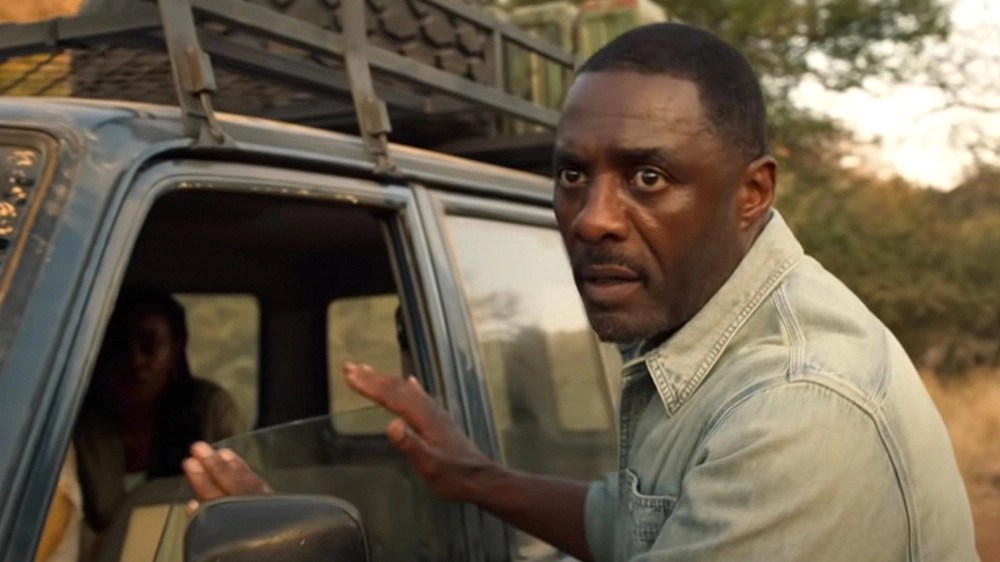
Director: Baltasar Kormákur Starring: Idris Elba, Iyana Halley, Leah Sava Jeffries, Sharlto Copley Certificate: 15 Run Time: 93 mins
Beast is a survival creature feature directed by Baltasar Kormákur. Kormákur is an excellent director – 2 Guns is very enjoyable and Everest is an awe-inspiring and harrowing account of the 1996 disaster. He’s also proved himself adept at leaner survival genre with films such as Adrift and The Deep.
Idris Elba plays a recently widowed doctor, Nate Samuels, who travels to South Africa with his two teenage daughters, Meredith (Iyana Halley) and Norah (Leah Sava Jeffries). Samuels reunites with his wildlife biologist and reserve manager friend Martin Battles (Sharlto Copley). He explains to Battles the trip is designed to reconnect with his daughters. When they visit Samuels’ wife’s home community, they discover most of the population is dead and a rogue, ferocious lion has wiped them out in a rage-fuelled attack. They quickly cross paths with the lion and what follows is a cat-and-mouse game of survival, with all of the characters having to use their instincts and strengths.
Beast may have a rather simplistic set-up but Kormákur largely pulls it off. It doesn’t really have any surprises up its sleeve but it’s a competently made survival action thriller and it mostly maintains tension throughout. It also doesn’t outstay its welcome at a breezy 93 minutes and it’s well-paced.
Elba is excellent in the lead role, and he’s able to balance both the physical requirements of the role and the pathos and parental instinct needed to communicate with his daughters. Both of the daughters begin the film as rather annoying, whiny characters and as you might expect, make some idiotic decisions. However, the character arc of the family is serviceable enough and it’s enough to carry the film when the lion doesn’t take centre stage. Copley is always a bright spot in whatever he’s in, with fun performances in Elysium and Chappie and he’s clearly having fun too, brings his upbeat energy.
The film is impressively shot by Fantastic Beasts and Where To Find Them cinematographer Philippe Rousselot and there are surprisingly lots of long takes for a creature feature. This helps build tension and invites you to study the frame to work out what might be happening in the background. There’s also a thoughtful score from Steven Price, which is both melodic and intense.
Ultimately, Beast is an above average entry for this type of film. It’s not particularly intelligent and the character set-up doesn’t break any boundaries. Idris Elba deftly carries the film and Kormákur leaves enough of a mark to make this an entertaining feature, even if it’s far from his best film. Sometimes, you need a film where a man punches a big cat.
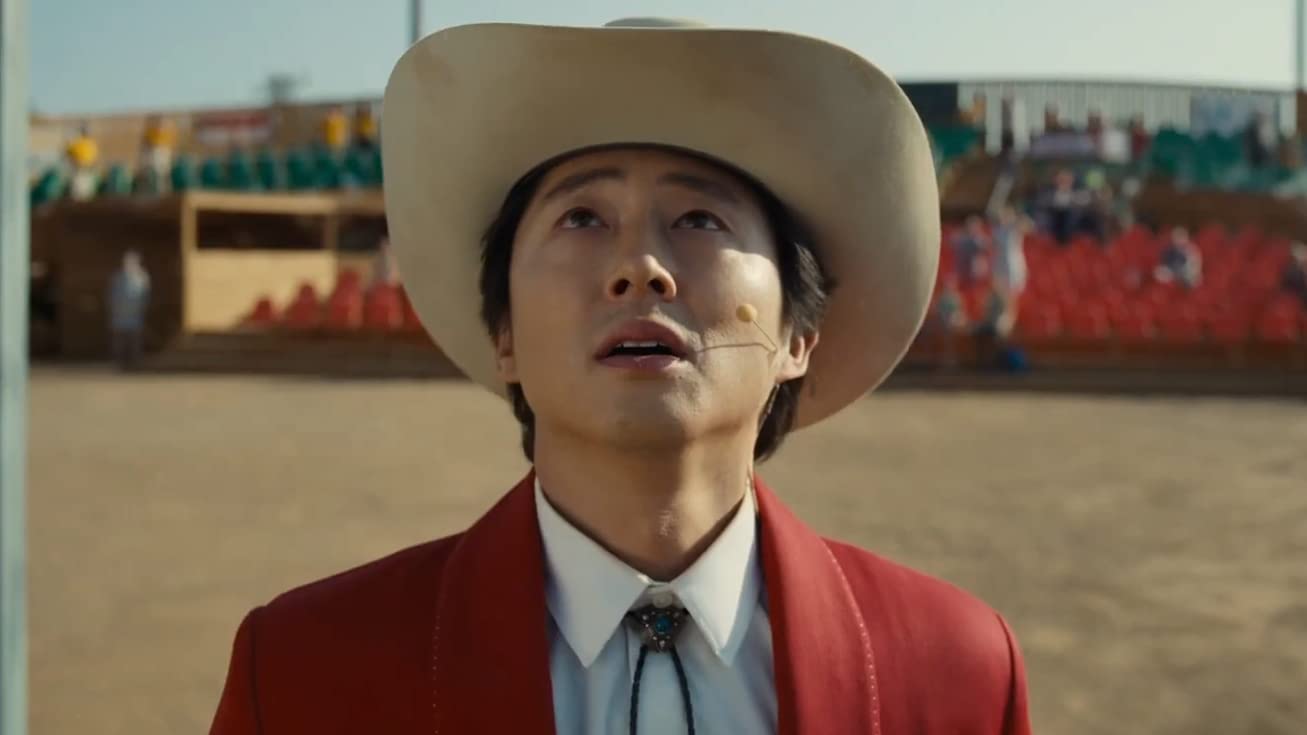
Director: Jordan Peele Starring: Daniel Kaluuya, Keke Palmer, Steven Yeun, Michael Wincott, Brandon Perea, Wrenn Schmidt, Barbie Ferreira, Keith David Certificate: 15 Run Time: 130 mins
Nope is the third directorial effort from Jordan Peele, who so far is two-for-two with horror films Get Outand Us. Nope sees Peele branch out from horror somewhat, as his latest is also infused with science fiction, the Western and comedy.
Daniel Kaluuya reteams with Peele in the lead role of Otis Jr “OJ” Haywood. He’s a quiet rancher who works with his father (Keith David), both descendants of the black horse rider in Eadward Muybridge’s Animal Locomotion.
Unfortunately, OJ’s father is not in the film for very long due to a freak accident. OJ and his sister, Emerald “Em” Haywood, inherit the ranch. Em isn’t particularly bothered about the ranch but OJ is desperate to keep the business afloat and maintain his father’s legacy. OJ doesn’t think his father’s death was a freak accident and is concerned with a cloud that hovers near the house that doesn’t seem to move.
Intertwined with the Haywood’s story is Ricky “Jupe” Park (Steven Yeun) who runs a small Western themed park called Jupiter’s Claim. Jupe has a past of his own and buys OJ’s horses that he can’t afford to keep.
Nope is an original but flawed third film from Peele. It’s a multi-layered story that explores themes such as spectacle, the media, fantasy and the art of filmmaking. It’s definitely a film to go in blind. Unfortunately, Nope doesn’t fully work with its splicings of genre and it struggles in its pacing – it’s probably around 15 minutes overlong and it never really hooks you in.
However, Peele is certainly able to craft suspense and tension and there are some excellent, subversive scares in the film. There’s some really striking and arresting images, too, as we have come to expect from the director.
Peele attempts to emulate the sci-fi of Steven Spielberg at times, with particular references to Close Encounters With The Third Kind. Some of the imagery is also indebted to Denis Villeneuve’s Arrival.
Peele’s flirting with the Western and comedy is less assured. Many of the gags didn’t work for me and save for the stunning vistas of the California setting against the valleys and the exploration of marginalised races, it lacks grit and Jupe’s storyline and theme park are clumsily handled at best.
Kaluuya is reliably great as OJ, an introverted but principled rancher. Keke Palmer doesn’t fare as well and her character is grating, but that is arguably by Peele’s design. Steve Yeun made such a strong impression in Minari last year and he does the best with what he’s got, but Jupe’s story arc is very messy in terms of how it fits with the overarching narrative.
The score by Michael Abels is typically strong, ranging from other-worldly foreboding horror riffs to Western infusions. The film is beautifully shot by Hoyte van Hoytema, who captures the spectacle of the wide vistas, through to immersive blood-drenched, nighttime horror.
Nope is an interesting watch and despite its shortcomings, it’s subversive and thrillingly original. After a first viewing, you’ll need to ponder the various meanings and storyline and it’s a film that’s designed to be rewatched. Having seen the film twice, it still didn’t flow quite as succinctly as Peele’s first two films and its mashings of four genres feels awkward. It lacks the visceral punch of Get Out or the tension of Us‘ home invasion. There’s certainly a lot of positives and many of the arresting images have stuck with me but Nope is ultimately a better film to discuss than it is to experience.
Director: Ron Howard Starring: Viggo Mortensen, Colin Farrell, Joel Edgerton, Tom Bateman Certificate: 15 Run Time: 147 mins
Thirteen Lives is a biographical retelling of the nail-biting 2018 Tham Lang cave rescue in northern Thailand. The film is directed by industry veteran Ron Howard, whose had hits such as Rush and Frost / Nixon and stinkers such as The Da Vinci Code series and his previous Oscar-bait failure Hillbilly Elegy. The film is told from the perspective of the rescue crew, rather than the school kids stuck inside with their football teacher. Viggo Mortensen and Colin Farrell play Richard Stanton and John Volanthen, two British divers who specialise in cave rescue.
Thirteen Lives is a tremendous piece of work and is quite possibly Ron Howard’s best film. Despite its two and a half hour length, it’s taut and constantly maintains tension. The film does a great job of re-dramatising the narrative from different perspectives, be it the local farmers whose land need to be flooded so the water can be diverted away from the cave, to the governor trying to manage the situation and facing pressure from his seniors.
Both Viggo Mortensen and Colin Farrell are excellent, although it took me a couple of scenes to buy their British accents. They dive into the roles and underplay their characters. Mortensen particularly relies more on facial expression and body language than spoken language. Joel Edgerton is also excellent as an anaesthetist and Tom Bateman is another highlight as Chris Jewell, who despite being an experienced diver is more of a rookie to cave rescue compared to the rest of the team.
It’s brilliantly shot by Sayombhu Mukdeeprom, most acclaimed for his collaborations with Suspiria director Luca Guadagnino. Mukdeeprom thrillingly captures both the claustrophobia of the situation and the serene yet threatening rural surroundings. The score by Benjamin Wallfisch is fitting, although I wish it were more memorable.
Thirteen Lives is a heart-pounding retelling of the Thai cave rescue. Despite us knowing the outcome, Howard manages to direct the film in an unshowy and skilful way that allows you to be on the edge of your seat and you wonder if the boys are going to survive. It’s one of the best films of the year.
Director: Olivia Newman Starring: Daisy Edgar Jones, Taylor John Smith, Harris Dickinson, Michael Hyatt, Sterling Macer Jr, Jojo Regina, Garret Dillahunt, Ahna O’Reilly, David Strathairn Certificate: 15 Run Time: 125 mins
Where The Crawdads Sing is an adaptation of Delia Owen’s 2018 coming-of-age murder mystery Southern Gothic novel. Directed by Olivia Newman, the film follows Catherine ‘Kya’ Clark (Daisy Edgar-Jones), a troubled and abandoned girl who has raised herself in the marshland of North Carolina. She survives selling mussels at a local general store owned by an African-American couple, who are concerned for her welfare and she is also an accomplished naturalist. When the dead body of a local boy is found, Kya is suspected of murder.
Contrary to the generally negative reception the film has received, I was enamoured by Where The Crawdads Sing. While the murder mystery element hangs over the film, it’s more concerned with recounting Kya’s life and how she has arrived at the murder trial. The story is consistently compelling and the film’s not afraid to explore some dark and tragic sub-plots. It really makes the most of its swampy location, which feels like a character of its own, and the 125 minutes raced by. I’d have been happy for the film to be an hour longer as it was that interesting. The film’s beautifully shot by Polly Morgan and is supported with a thoughtful Mychael Danna score.
Daisy Edgar-Jones is tremendous in the lead role, a misunderstood yet ultimately kind and caring young woman. She fantastically embodies the notion of a creature who lives in a shell and both Jones and the script remarkably convey her isolation and general (yet wholly justified) mistrust of people. David Strathairn is another highlight as the kind lawyer who takes on her case and raises thoughtful questions to the jury and community of why an outcast shouldn’t be labelled. Taylor John Smith is great as the flawed Tate Walker who has romantic passions for Kya, and The King’s Man’s Harris Dickinson is suitably slimy as another love interest.
Where The Crawdads Sing is a haunting adaptation told with beautiful humanity and is one of the best films of the year. It effortlessly melds its murder mystery, romantic and thriller genre qualities into a coherent and affecting drama that is never cheesy. I can’t wait to see what projects Newman and Edgar-Jones pick next as they are clearly both talents to watch.
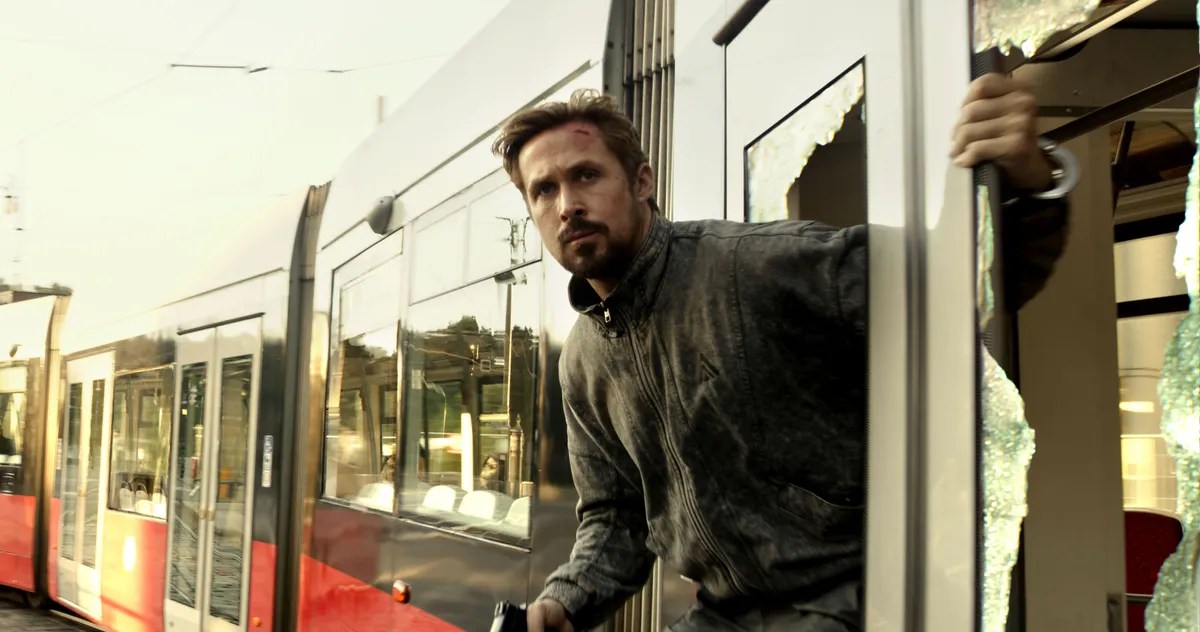
Director: Anthony and Joe Russo Starring: Ryan Gosling, Chris Evans, Ana de Armas, Jessica Henwick, Rege-Jean Page, Wagner Moura, Julia Butters, Dhanush, Alfre Woodard, Billy Bob Thornton Certificate: 15 Run Time: 129 mins
The Gray Man is the hotly anticipated project from The Russo Brothers and Netflix’s joint largest budget film to date along with Red Notice. After a shaky start in comedy, the Russo’s enjoyed a healthy stint at Marvel. They directed some of the most cherished entries – Captain America: The Winter Soldier, Captain America: Civil War, Avengers: Infinity War and Avengers: Endgame.
Post-Marvel, the Russo’s have kept themselves busy. They directed the crime war drama Cherry last year, which I found to be an ambitious if flawed exploration of the cost of war. They’ve also produced some action films such as 21 Bridges and the better-than-expected Extraction and the critically acclaimed absurdist Everything Everywhere All At Once.
The Gray Man is a James Bond-influenced espionage thriller and sees the Russo’s reunite with writers Christopher Markus and Stephen McFeely. The quartet have proved time and time again they are able to craft intelligent scripts with an equal amount of brain to brawn.
The film centres on ‘Sierra Six’ (Ryan Gosling), an ex-convict offered his freedom by a CIA senior official Fitzroy (Billy Bob Thornton) in exchange for working as an assassin. The film picks up eighteen years later in Bangkok and Fitzroy has now retired. The mission in Bangkok goes awry and Six discovers his life is on the line. All hell breaks loose and action mayhem ensues.
The Gray Man is fairly entertaining but ultimately is a disappointment, considering the talent involved. This has got to be one of the most unintelligent films I have seen in quite some time and the script is on-the-nose and generic. The action isn’t particularly kinetic either. It’s CGI-heavy and the visual effects are surprisingly ropey for its extravagant $200 million budget. The film never really takes a moment to breathe either and that results in next to no character development.
There’s a couple of fun performances to be had. Ryan Gosling is always reliable as a lead and Chris Evans hams it up in a villainous role. The ever-versatile Ana de Armas isn’t given all that much to do, which is a shame considering her action chops in films such as No Time To Die. There’s a brief but giddy performance from Wagner Moura and Billy Bob Thornton always turns in a reliable performance. Once Upon A Time In Hollywood’s Julia Butters is also a highlight as Fitzroy’s clinically vulnerable niece and gets the bulk of the film’s character development.
Henry Jackman’s score is all over the place and sometimes aggressively doesn’t fit with the action on-screen. The cinematography by Stephen F. Windon is also obtrusive and there’s an over reliance on shaky drone footage.
The Gray Man does what it says on the tin and delivers on its action promise but that’s about it. It’s disappointingly thin both in story and character development and considering the back catalogue of the crew, the result should have been better than it is.
July has arrived and that means it’s time for my annual mid-year review of my favourite films of the year so far. As is to be expected, there are a handful films that I am still yet to see but I have tried to get through all the films that I have been looking forward to or the films that reviews have been good for. As usual, I am following the UK release date calendar between January and June.
Top Ten Films Of 2021 – Mid Year-Report
10) Men
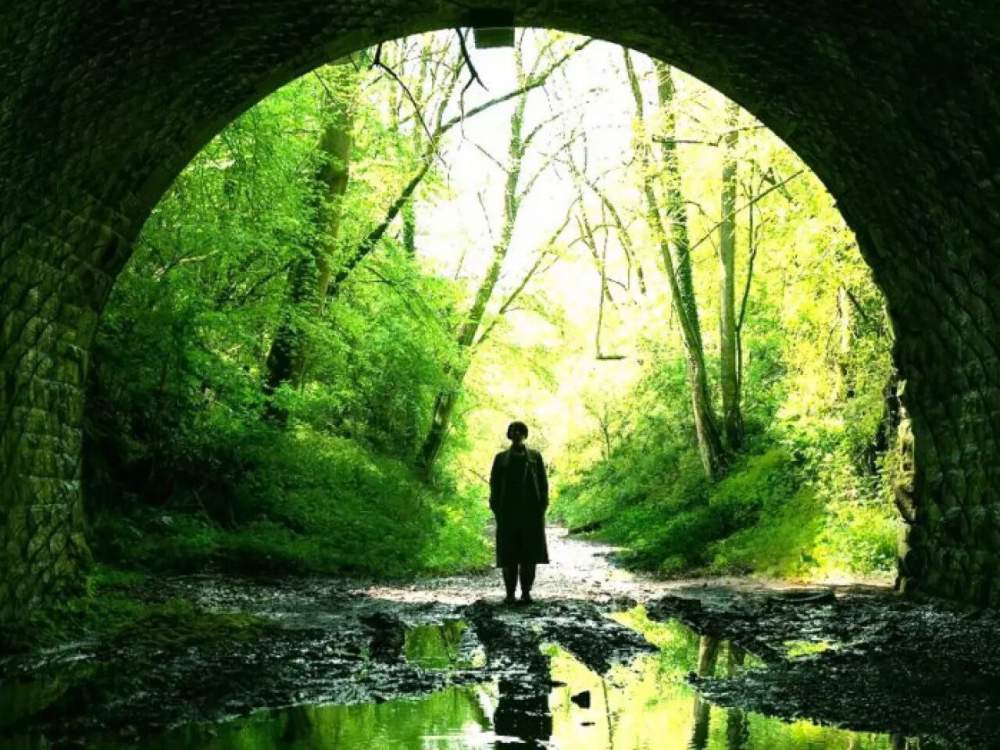
Men is the third film from Alex Garland, whose first two sci-fi films Ex_Machina and Annihilation were thoughtful, thrilling and visually interesting pieces. Garland sidesteps from sci-fi into British folk horror and this film follows a young widow, Harper (Jessie Buckley) who ventures to the Cotswolds for a well-earned break from London city life and to recover from the death of her husband, although she is terrorised by the predatory and patronising men in the village, who are all played by Rory Kinnear.
Men’s first two acts are thrilling and Garland skilfully drip-feeds his audience details of her past trauma a piece at a time. He establishes a deeply unsettling tone and deftly ramps up the tension through Harper’s mental paranoia. The film is as much a metaphorical piece as much as it is a horror, using its frightening elements as allegories for misogyny, grieving and rebirth. Unfortunately, the film nosedives in its third act. On the plus side, there’s some suitably slimy body horror but Garland is self-indulgent and throws away any subtlety he builds in its first two acts. It just becomes rather silly and certainly not as clever as it thinks it is.
The film is bolstered by an eery choral soundtrack from Garland regulars, Ben Salisbury and Geoff Barrow, and DOP Rob Hardy vividly captures the beauty yet foreboding nature of the Cotswolds. Jessie Buckley’s great as the prickly Harper (despite my sniffy opinions on her past performances, especially with The Lost Daughter) and this is career best work from Rory Kinnear. Men may be Garland’s weakest film but it’s still a strong piece from the director and I’d rather a filmmaker take a risk and it not fully succeed than play it safe and that’s why it creeps into tenth position.
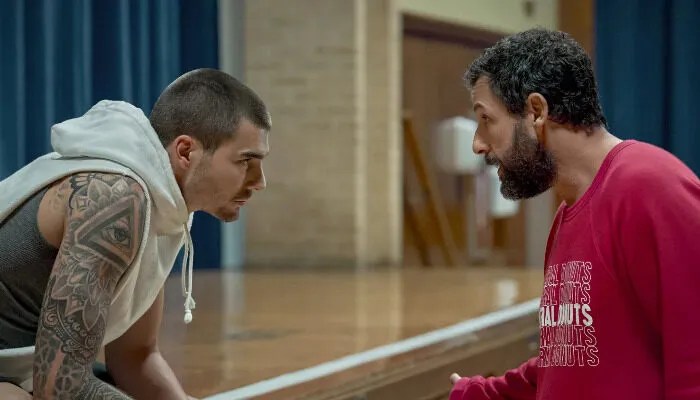
Hustle doesn’t particularly stray from sports drama convention but it’s an investing and consistently entertaining drama from start to finish. After giving the performance of his career in the thoroughly unnerving Uncut Gems, Adam Sandler continues to turn his poor comedic career choices around with another excellent performance as Stanley Sugarman, a washed-up NBA scout. Juancho Hernangómez is also terrific as Cruz and is given a compelling back story for why he finds himself in the situation he is initially in at the start of the film. Both Sandler and Hernangómez share an absorbing chemistry, which makes the duo easy to root for. Of the rest of the cast, Latifah isn’t given much to work with as Sandler’s wife, and the ever-versatile Ben Foster is also short-changed as Sandler’s disparaging boss.
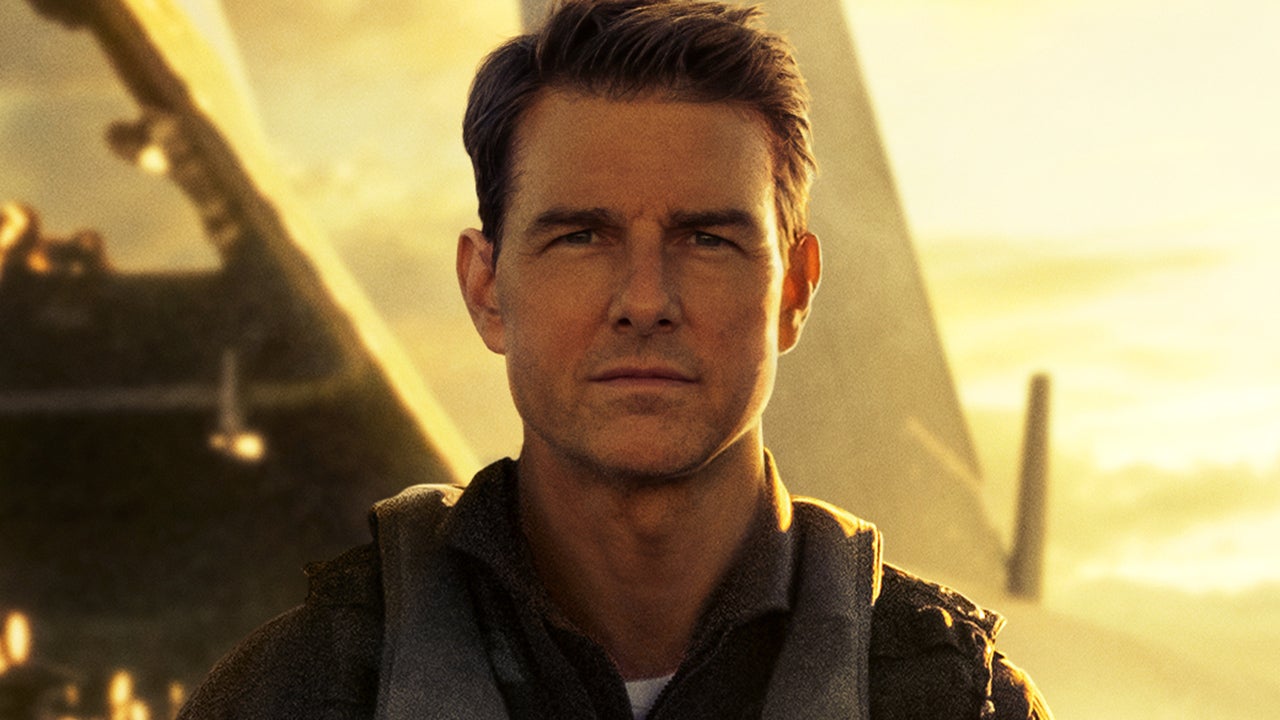
Top Gun: Maverick is the long-awaited sequel to the late Tony Scott’s 1982 original, a film which quite literally propelled Tom Cruise’s career. Very much a product of its time in its tone and treatment of women, while the action sequences are admirable and Cruise’s performance is earnest, I can’t say I’m a big advocate of the original. This sequel is directed by Joseph Kosinski, who most recently directed the excellent forest-fire action drama Only The Brave and he reunites with some of the cast and crew such as Miles Teller, Jennifer Connelly and cinematographer Claudio Miranda.
Top Gun: Maverick is a surprisingly good film and is vastly superior to the original. While its story is familiar and fairly predictable, it is significantly more coherent and focussed with a singular narrative to achieve this specific mission. Tony Scott’s original wrangled in different directions and its climax sequence felt tacked on and unearned. The flight sequences are particularly excellent and are nail-biting in moments. It has the precision of Mission: Impossible director Christopher McQuarrie who co-writes and produces the film.
I’ve long been a critic of Tom Cruise and I’d argue he has far more misses than hits. Cruise’s performance works here as he plays an older and jaded instructor, whose ego and arrogance have been somewhat tarnished by his experiences. Miles Teller is reliably excellent as Rooster but there isn’t quite as much meat to the bone to the tumultuous relationship between him and Maverick as there could have been.
Kosinski wisely finds the right balance between relying on nostalgia and creating an original piece. It’s not quite the action masterpiece that some are claiming it to be though – it’s not as radical a piece as George Miller’s Mad Max: Fury Road, which was essentially an entire film of rip-roaring action, and it doesn’t pack many narrative twists up its sleeve. But it doesn’t need to be. For Top Gun: Maverick to be an improvement on the original is a miracle in and of itself and I’m glad it exists.
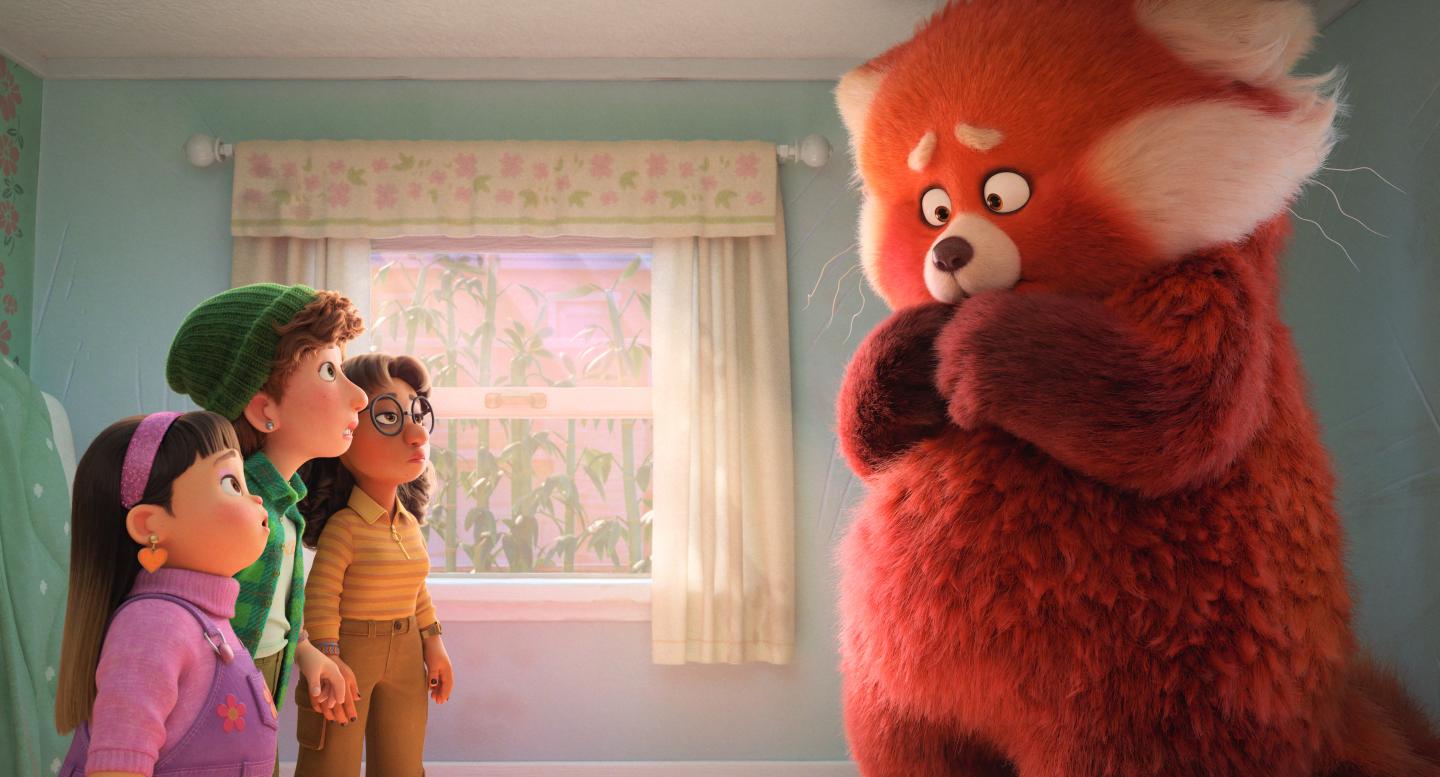
Turning Red is the latest in the Disney Pixar canon and like Soul and Luca last year, it has released straight on Disney+. Director Domee Shi’s feature-length debut is to be commended for its sheer ambition of exploring female puberty, a fairly taboo subject matter for a mainstream film, especially one that also has to appeal to younger audiences. It represents a very different affair for a Pixar film and as is typical for the animation studio, it is moving in parts. It is clearly inspired by anime with its transformative element and colour scheme, down to the extreme facial expressions of its characters. The script, co-written by Shi and Julia Cho, is smart and its characters bursting with personality. Mei is a very well written lead and is endlessly empathetic.
Once you settle into its eclectic tone, it’s a very satisfying journey to watch unfold bolstered by its strongly written female characters. It’s not quite top-tier Pixar for me, as it isn’t quite as effortlessly charming and poignant as its best entries such as Up or Coco, but I’m very glad it exists. The film is sure to launch Domee Shi’s career and I can’t wait to see what she does next.
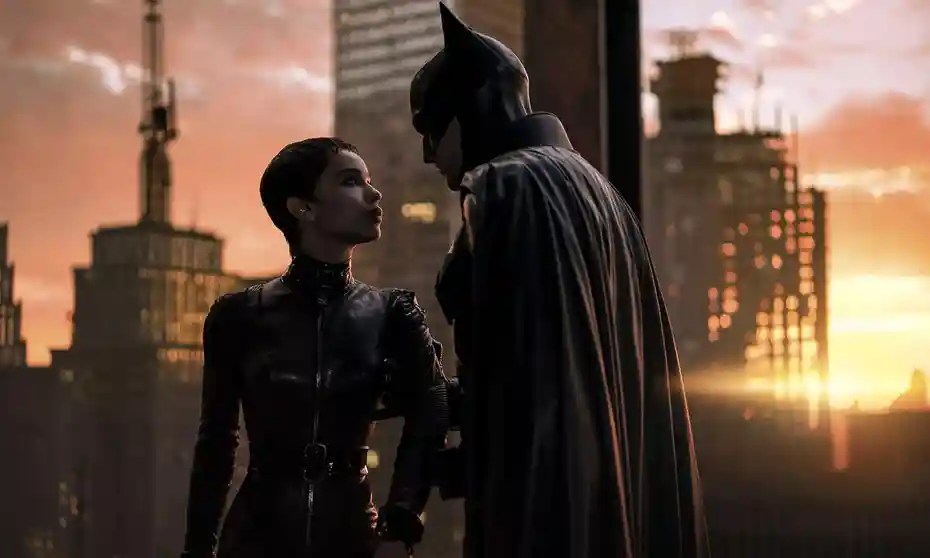
The Batman is a new rendition of the Caped Crusader by War For The Planet Of The Apes director Matt Reeves, positioned outside of the DCEU canon, and sees a younger Dark Knight (Robert Pattinson) in his second year of crimefighting and Reeves hones in on his detective skills. It is an interesting, if flawed, depiction of the Caped Crusader. Reeves’ take on the character is certainly admirable. It very much owes a debt to the Christopher Nolan and Zack Snyder aesthetic in that it is a darker and grungier interpretation. Experiencing Batman as a detective figure is refreshing. The notion of Batman providing narration is also innovative, yet uneven in that it’s not sustained throughout the film. The extended run time of 176 minutes isn’t to the film’s detriment. It’s always promising to see a director allow a film breathe when it warrants it rather than resorting to quick cuts.
Pattinson’s portrayal of Batman is expectedly excellent, although his Bruce Wayne needs some work. This is more a choice of the script rather than any wrongdoing by Pattinson as Bruce Wayne doesn’t receive a particularly meaningful arc so he isn’t granted the opportunity. Other highlights of the cast include Colin Farrell, who is almost unrecognisable as Oswald Cobblepot in his early Penguin days, and Jeffrey Wright is effortless as James Gordon.
Paul Dano’s Riddler is an interesting villain and poses a genuine threat to Batman throughout much of the film but his character arc is severely let down towards the end of the film to the point where he doesn’t pose a threat and his performance borders on being laughable.
The score by Michael Giacchino is really excellent and he establishes very memorable themes for the characters, although the score doesn’t always fit in with the scenes they are inserted in. The cinematography by Greig Fraser is beautiful, hot on the footsteps of his similarly excellent work on Dune.
The Batman is a strong interpretation from Reeves and I’m looking forward to see where future instalments could go, although I have some reservations with the teases. However, it’s not quite the masterpiece that some have proclaimed it to be and Reeves is just not as competent a director as Nolan or even Snyder.
Now into the Top Five and another step-up in quality…
5) Spiderhead
A controversial choice but director Joseph Kosinski features again with Spiderhead, a straight-to-Netflix sci-fi thriller that received mixed reviews. Spiderhead boasts a fascinating concept in that it is set in a penitentiary where prisoners are allowed to roam freely, in exchange for being experimented on medically. The characters are subjected to make some dark and difficult decisions and the film is directed with flair by Kosinski. Miles Teller is typically reliable and carries the baggage of his character’s crimes with the will to change his future convincingly. Chris Hemsworth is excellent as the voyeuristic Abnesti, whose charisma walks a fine line between prickly comedy and satisfying ridiculousness.
Cinematographer Claudio Miranda captures the prisoners’ point of view excellently, the hues of artificial colours inside the penitentiary juxtaposed with the lush, tropical island settling. Kosinski does well to methodically reveal character backstories, maintaining tension throughout proceedings. He constantly keeps the film fresh, being careful to keep audiences on their toes with its narrative. Many feel the film falls apart in its third act, but I found the climax a natural and satisfyingly bleak place to develop its story.
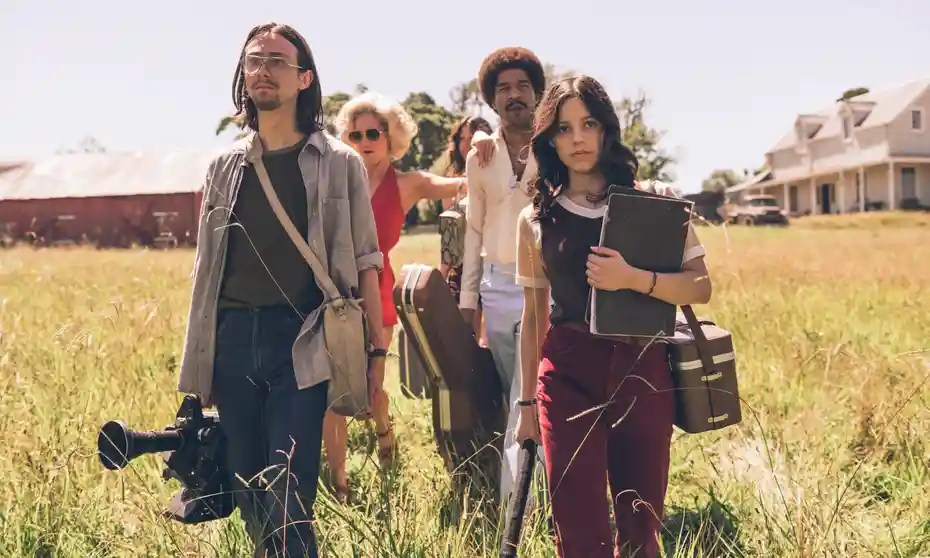
X is the new film from director Ti West, who returns to his horror roots after a brief venture to the Western with the giddily entertaining In A Valley Of Violence. X is a thoroughly entertaining horror that is elevated by its cineliteracy towards 20th-century slasher films such as TheTexas Chainsaw Massacre, as well as its satisfying exploration of a range of themes. It is most effective in its first half as the build-up is at a constant simmer. The film heads off the rails in its second half in a mostly satisfying way, albeit with some silliness as it leans into the genre tropes of that era.
Mia Goth has impressed in horror films with A Cure For Wellness and Suspiria and makes her mark here again. She brings a down-and-dirty edge into the role of Maxine and she quite literally disappears into her second role under heavy prosthetics as Pearl, the wife of Howard. The rest of the cast are all game too, with Jenny Ortega receiving a meaningful arc and Stephen Ure proving what an underrated actor he is, channeling the nastiness from his most famous portrayal of an Orc in Lord of the Rings: The Two Towers.
The score by Tyler Bates and Chelsea Wolfe is haunting using period pieces as well as an original predominantly synth-based score. Chelsea Wolfe’s rendition of Oui Oui Marie is particularly mesmerising. The film is also beautifully shot by Eliot Rockett. He frames the characters as if they are prey, an aerial shot of an alligator stalking its target and an eagle encircling the air above the film crew are of particular note.
Despite the many controversies riding against the film, as well as acting as a follow-up to the disappointing The Crimes of Grindelwald, I was surprised by how well this film redeems the series. Returning director David Yates deftly melds both Grindelwald’s political quest and Newt’s storyline and unlike the second film which sidelined the titular fantastic beasts, Newt’s briefcase of magical creatures play an important part in the narrative. There are some arresting visuals and the film is directed by Yates with confidence.
There are some noteworthy performances, with Jude Law the standout in an expanded role as Dumbledore, who retains Michael Gambon’s twinkly personality and Irish lilt. Redmayne carries the film well again and Callum Turner as Newt’s Auror brother, Theseus makes more of an impression in an expanded role, as he was quite wooden last time round. Newcomer Mads Mikkelsen is excellent as Grindelwald but wisely avoids channeling Johnny Depp’s equally strong performance.
Cinematographer George Richmond replaces Philippe Rousselot for this third installment and he conjures a greyer aesthetic to suit the world that is on the brink of an all-out war, foregoing Rousselot’s more romantic elements.
Fantastic Beasts: The Secrets of Dumbledore is a thoroughly entertaining ride that justifies the existence of this series. I’m not sure if it’s quite as good as the first instalment but it’s certainly pretty close. Sadly, the film attracted mixed-to-positive reviews and didn’t perform very well at the box office – I really hope it’s not the end for the series and I’d love to see how the story develops.
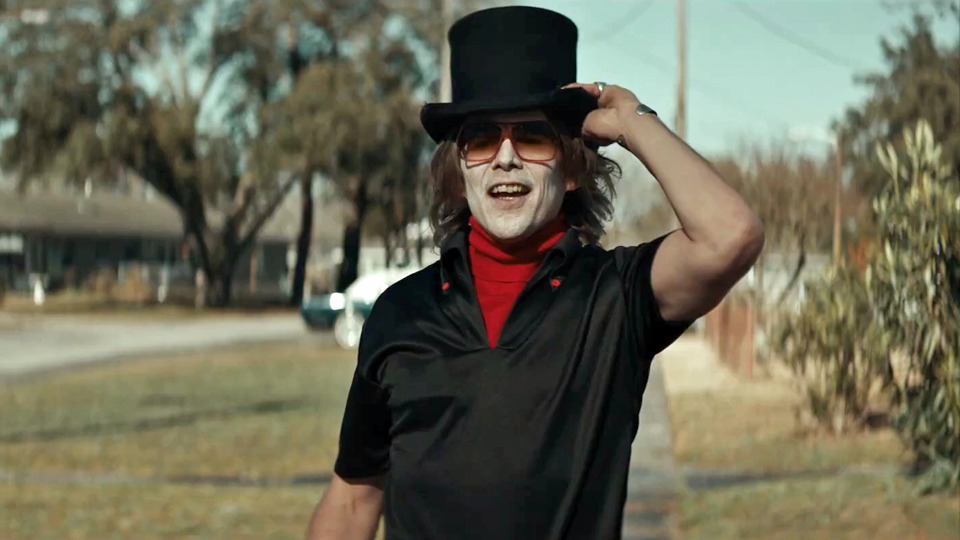
The Black Phone sees horror maestro Scott Derrickson return to his roots, reteaming with writer C. Robert Cargill and actor Ethan Hawke. The result is an excellent, intelligent horror film that is very well-directed by Derrickson. He crafts a delicious setting, leaning into 1970’s suburbia and isn’t afraid of unflinchingly portraying playground violence. Derrickson takes the narrative to dark places and the fast pacing grips you instantly. The film is very cine-literate, with Derrickon’s passion for film evident on the screen, be through the inclusion of period television shows from the time and the playful nods to It. On that note of the nods to Stephen King, it’s not unreasonable that his son carries some of his traits such as a community of children going missing, but it’s not derivative and the tone isn’t cynical.
The script by Derrickson and Cargill deftly humanises the characters through meaningful arcs and avoids resorting to caricatures. There are also some exhilarating set pieces and I loved the creative choice to portray some of the previous victim’s lives on grainy film, which was a highlight of Derrickson’s magnum opus Sinister. The film is further bolstered by an interesting and unnerving score by Mark Korven and it’s beautifully shot by Brett Jutkiewicz. The cast are excellent, especially newcomers Mason Thame and Madeleine McGraw who make an explosive impression. Hawke is also terrific – he has not played a villain on-screen before and ‘The Grabber’ is an unhinged and suitably sinister screen presence.
The Black Phone isn’t perfect – Hawke’s villain could have been further explored, James Ransone’s character arc isn’t very well executed and I wish the film further explored the link between overcoming one’s demons and the repercussions stemmed from that. But it’s pretty darn good and I can’t wait to see what Derrickson has up his sleeve next.
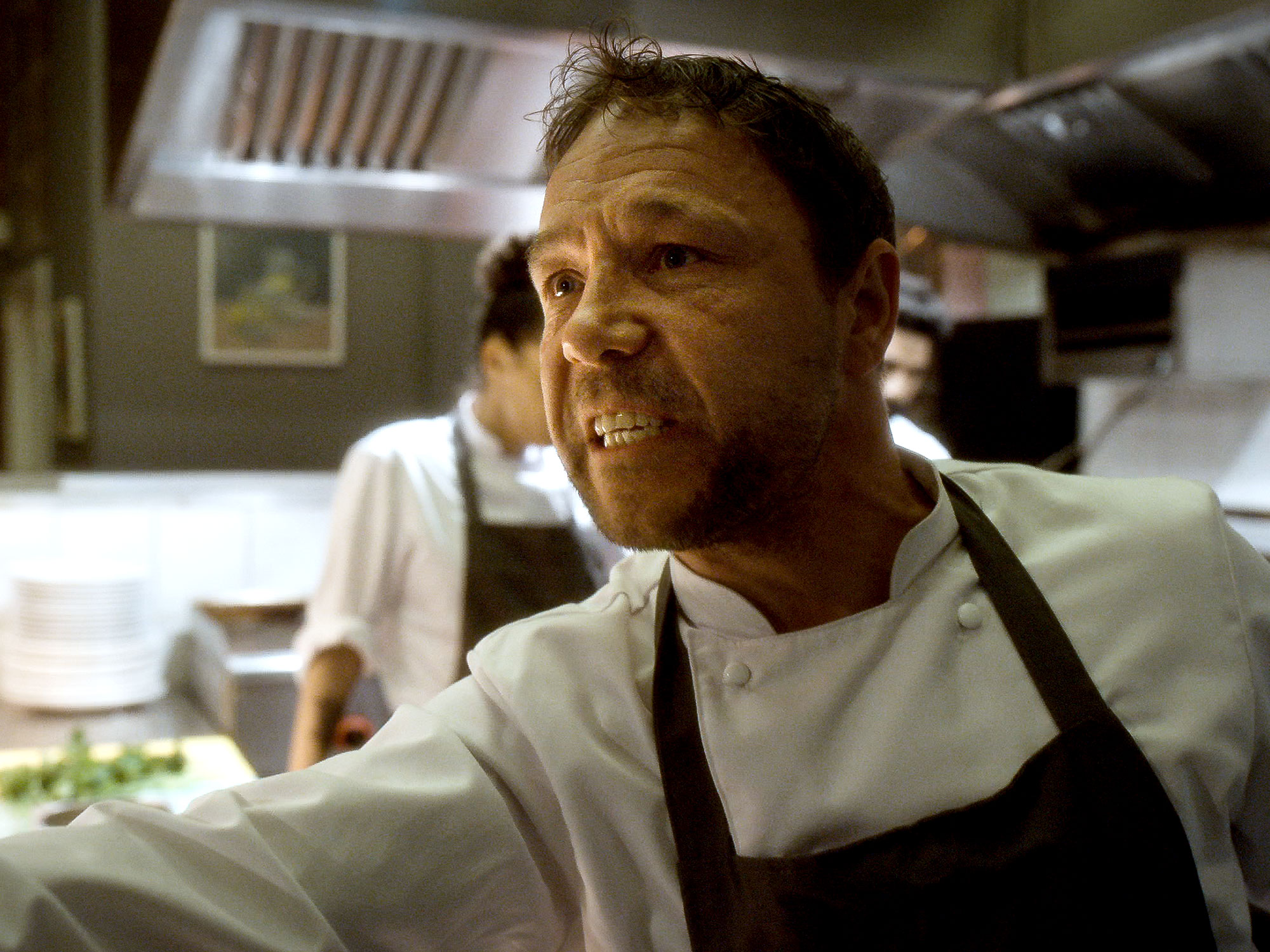
Boiling Point, a drama shot in a single-take in an up-market London restuarant, is a thrilling and sharp drama that constantly ramps in tension and maintains its momentum throughout. From the opening sequence of the Health and Safety assessment, director Philip Barantini has created a startlingly authentic, cutthroat environment and it’s astonishing to witness a film as riveting as Boiling Point is from seemingly few ingredients. The script by Barantini and James Cummings is razor-sharp. They introduce a convincing restaurant team from the fellow chefs to the service staff and how they are divided.
Stephen Graham delivers an astonishing performance as Andy, a man at his wits end and on the verge of a breakdown with his home life and the added stresses of ensuring that the dinner service runs like a Swiss watch. The rest of the cast are uniformly brilliant and are sure to land future roles based on the strengths of their performances here.
Films that are or have been created to feel like they have been shot in one take have often been labelled as a gimmick, and to some extent this is true. But Boiling Point succeeds as a gripping, anxiety-inducing drama first with searing performances. It isn’t a hollow film that tries to hide behind a showy camera technique – the handheld one-shot take further adds to the hysteria on-screen.
2022 has been a solid year so far, although not without its disappointments. As we headed towards the end of May, I was worried about curating this list as some of the films’ quality wasn’t fitting of a best list – you’ll notice that like 2021 which began in similiar fashion, I have omitted an ‘Honourable Mentions’ section this year.
Here’s hoping for a stronger second half of the year and films that look like they have potential include:
– Thor: Love and Thunder – The Gray Man – Where The Cradads Sing – Bullet Train – Nope – The Forgiven – Crimes Of The Future – Don’t Worry Darling – Halloween Ends – Decision To Leave – Black Adam – Black Panther: Wakanda Forever – Avatar: The Way Of Water
However, it is important to note that this is not a definitive list and these titles are just a few picks scattered across the remainder of the year that have piqued my interest.
What are your thoughts? Tweet @TheFilmMeister or leave your ideas in the comments






 The Film Meister