Director: Arkasha Stevenson Starring: Nell Tiger Free, Tawfeek Barhom, Sônia Braga, Ralph Ineson, Bill Nighy Certificate: 15 Run Time: 119 mins
The First Omen is the prequel that no-one really asked for to Richard Donner 1976 original horror. Directed by Arkasha Stevenson in what is her debut, the film is set in Rome, 1971, amid left-wing protests. American novitiate Margaret Daino (Nell Tiger Free) arrives at the Vizzardeli Orphanage to work there, where she discovers they are trying to birth the antichrist.
The First Omen is a surprisingly effective addition to the series with clear production values. It’s superbly directed by Stevenson, who really makes her mark on the material and it’s beautifully shot by Aaron Morton. There’s a real sense of atmosphere here, with the rioting backdrop a strong choice and some of the horror sequences are skilfully crafted. Although the film isn’t particularly scary, hats off to Stevenson for not simply relying on mechanical jump scares. Mark Korven, who composed The Witch and The Black Phone, is on top form here again and his score is full of dread but with subtle nods to Jerry Goldsmith’s Oscar-winning original.
On the downside, the film’s a little on the long side and there are some elements of the plot that don’t quite make sense, especially having watched the film twice.
There’s some good performances too, with Nell Tiger Free an effective lead whose character goes to hell and back. Sônia Braga is also excellent as Sister Silva, who we’re not sure whether she is slimy or sinister, or both to begin with and Maria Caballero is also a standout as Luz, Margaret’s roomate, whom together have a nun’s night off.
That said, Bill Nighy’s performance as Cardinal Lawrence just doesn’t work. The character could have played by anyone and Nighy’s Latin is unconvincing. He’s typically a top-tier actor and I struggle to think of any other film where his performance hasn’t worked.
Although the original is still the high bar, The First Omen is a surprisingly good sequel. Although it has its flaws, it primarily acts as a showcase for Arkasha Stevenson as a director and I predict she’ll go onto bigger projects following her work here.
It’s also interesting that The First Omen arrives at almost an identical time to Immaculate, with both films follow effecively the same plot. In my opinion, Immaculate is the better film and feels more fresh because it isn’t tied to a certain ending that has tie in with an existing property which diminishes the creativity somewhat. But still, The First Omen is a sound prequel that’s better than expected.
Director: Adam Wingard Starring: Rebecca Hall, Brian Tyree Henry, Dan Stevens, Kaylee Hottle, Alex Ferns, Fala Chen Certificate: 12A Run Time: 115 mins
Godzilla x Kong: The New Empire is the latest in the Monsterverse series and the sequel to 2020’s surprisingly entertaining Godzilla vs Kong. You’re Next and The Guest’s Adam Wingard is in the director’s chair again and this sequel picks up with Kong adjusting to life in the Hollow Earth as he searches for more of his kind. Godzilla, on the other hand, is dormantly sleeping in the Colosseum. However, this peace is short-lived and the two have to duke it out once again to stop a tyrannical leader destroying Earth.
Godzilla x Kong: The New Empire is a come-down from its predecessor, with an episodic quality not too dissimilar from what Marvel are currently churning out. That said, there are some striking images throughout and some of the action sequences really deliver.
Wingard falls into the age-old trap yet again of the monsters being more exciting than the humans, with Rebecca Hall reprising her role as Dr Ilene Andrews from Godzilla vs Kong. Hall’s a fine actress but she’s saddled with some truly poor dialogue here that even she struggles to elevate. On the plus side, the wooden Alexander Skarsgard is nowhere to be found this time around. Wingard instead reunites with his The Guest frontman Dan Stevens, who plays the Hawaiian shirt-wearing veterinarian Trapper. Stevens has tons of charisma and although it’s a cheesy role, he manages to pull it off.
The script is pretty expository and certain plot elements aren’t fully coherent. While Junkie XL’s score for Godzilla vs Kong was largely successful, here he collaborates with Antonio Di Iorio and outside of the pre-existing themes, there’s not much here to latch onto.
Godzilla x Kong: The New Empire isn’t as outright entertaining as its predecessor was but there’s just about enough here to make it work. If you’re after action sequences with the two titans, this film will certainly reward your appetite. But there’s not much substance here and it’s saddled with poor human characters and a weak script. Also not helping matters is the fact this film is releasing shortly after Godzilla Minus One, which proved you can have a monsters wreaking havoc and an emotional human core in the same film. In terms of the Monsterverse series, it sits somewhere in the middle of the pack but certainly well above Godzilla: King of the Monsters.
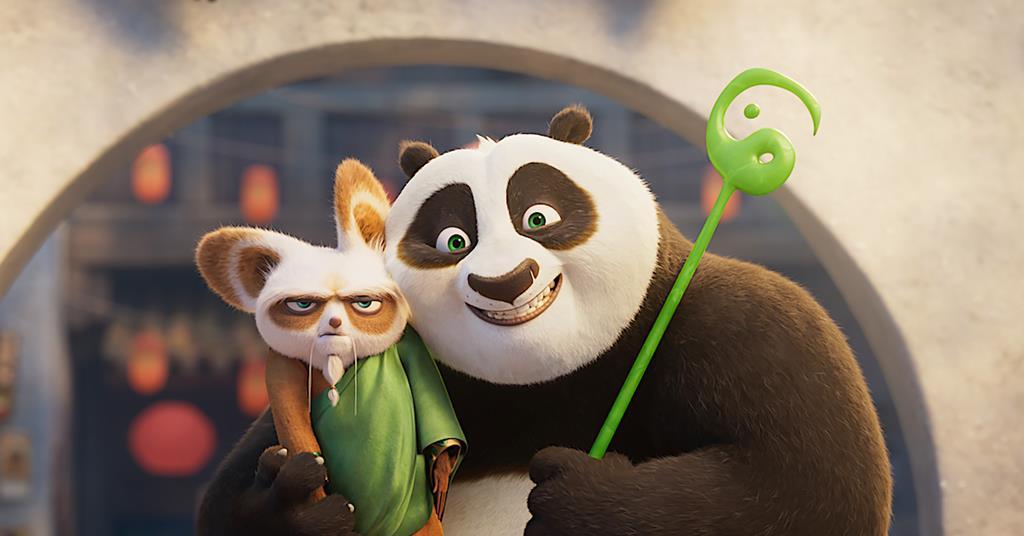
Kung Fu Panda is one of DreamWorks Animation’s most enduring series and it’s no surprise considering how much heart and humour the films have. It’s difficult to resist Jack Black’s giant panda Po, who is improbably chosen as the Dragon Warrior in the original film and slowly becomes a master of kung fu, leading the Furious Five, a quintet of legendary warriors. As the series progress, we see Po develop and DreamWorks’ franchise has spawned four mainline films, three television series and six short films.
With Kung Fu Panda 4 arriving into cinemas after almost a decade’s hiatus, let’s see how the films rank.
4) Kung Fu Panda 4
The latest in the series is unfortunately the weakest but Kung Fu Panda 4 is still good fun. Directed by Mike Mitchell (who coincidently also made the fourth Shrek film, Shrek Forever After), this still has most of the heart of the earlier entries but it’s not as consistently funny. In the film, Po must select and train his Dragon Warrior successor, but the cuddly panda doesn’t want to hold up the mantle just yet, especially since an evil sorceress called The Chameleon (Viola Davis) tries to steal the kung fu abilities of deceased figures. Kung Fu Panda 4‘s key mistake is sidelining the Furious Five, who only appear in a brief cameo towards the end of the film and that robs the film of a lot of chemistry. Still, there’s some good messages here, specifically about what it means to be an outcast and Awkwafina’s streetwise thieving fox makes for a good double-act with Po’s panda. There’s an excellent sequence in a bandit bar which is full of slapstick and Davis’ villain is quite strong.
⭐⭐⭐
Rating: 3 out of 5.
3) Kung Fu Panda 3
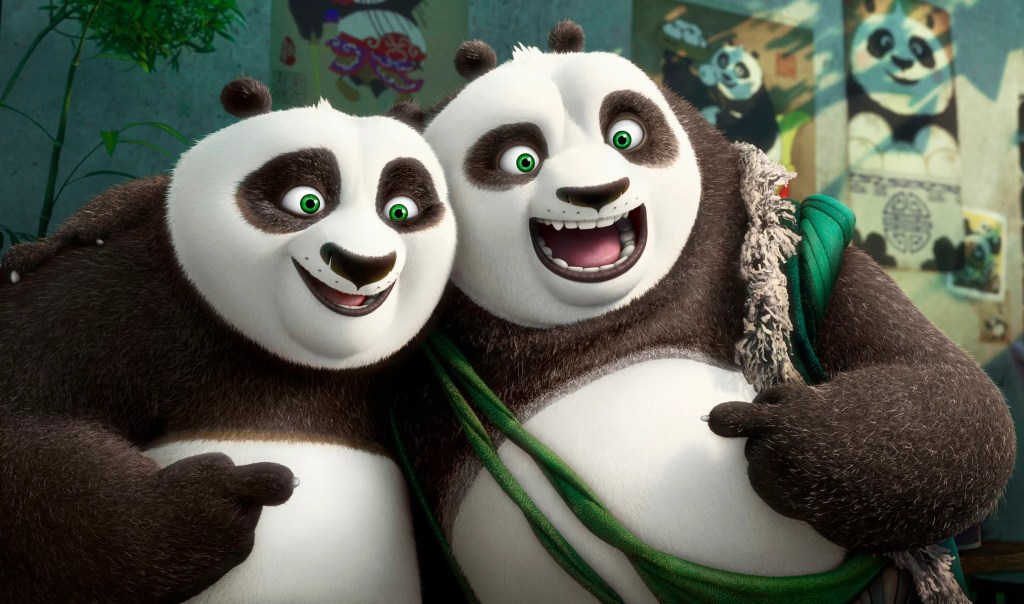
Although it’s more slight than previous entries, there’s a lot of heart in Kung Fu Panda 3 and it’s undeniably the best-looking film of the quadrilogy with its stunning vistas. This third installment picks up immediately after the second and Po is reunited with his birth father, Li Shan (Bryan Cranston) who takes him to a secret Panda village to prepare to fight against General Kai (J. K. Simmons). I particularly enjoyed the interplay between Li Shan and Po’s loveable adoptive goose father Mr Ping (James Hong) and it’s great that Dustin Hoffman’s Master Shifu is given more to do this time round, after being largely absent from Kung Fu Panda 2. This threequel also boasts the best score of the series, with Hans Zimmer melding the themes he previously established with John Powell previously with some exciting new pieces, especially the villainous Kai’s theme.
⭐⭐⭐
Rating: 3 out of 5.
2) Kung Fu Panda 2
While many consider Kung Fu Panda 2 to be the highlight of the series, it lands in second place for me. It’s undoubtedly the most emotional of the four, with a breathtakingly emotional sequence on Po’s origins and the influences of executive producer Guillermo del Toro’s works are clear. Gary Oldman makes for a terrific villain, Lord Shen, a slender peacock with more brains than brawn over Tai Lung in the original film. But it doesn’t quite top the list for me because it’s missing the interplay between Po and Master Shifu (who is absent through large stretches of the film) and the film’s a little baggy in its pacing. Still, one has to admire director Jennifer Yuh’s ambition in not just repeating the beats that worked from the original.
⭐⭐⭐⭐
Rating: 3.5 out of 5.
1) Kung Fu Panda
The original is still the best and there’s a ton of laughs mixed with plenty of emotion in Kung Fu Panda. Jack Black’s Po is brilliant, an unlikely candidate for the Dragon Warrior who undergoes quite the character arc while having plenty of clever parallels with film staples in the kung fu and wuxia genres. Dustin Hoffman’s Master Shifu is a real highlight and the interplay between Po and Shifu is what really makes the film work, as well as the introduction of the Furious Five. The final action sequence is particularly brilliant, full of energy and laughs as Po dukes it out with the villainous Tai Lung (Ian McShane). It’s no surprise that Kung Fu Panda spawned a successful series.
Director: Michael Mohan Starring: Sydney Sweeney, Álvaro Morte, Benedetta Porcaroli, Dora Romano, Giorgio Colangeli, Simona Tabasco Certificate: 18 Run Time: 89 mins
Immaculate is a religious psychological horror from director Michael Mohan centering on a young woman, Sister Cecilia, who is invited to reside at a picturesque Italian convent. Mohan reteams with his The Voyeurs lead Sydney Sweeney, who plays the troubled young nun, who has turned to religion after being convinced God saved her for a reason after she nearly drowned in a frozen lake and was declared dead for seven minutes. While the convent looks initially picture-perfect, Cecilia soon discovers more sinister forces are at play when she suddenly discovers she is pregnant, despite being a virgin.
Religious horror is a sub-genre that has struggled recently – The Nunwas terrible, The Nun 2 a mild improvement and The Pope’s Exorcist was silly but very entertaining with Russell Crowe’s hammy lead performance.
Although Immaculate takes a little while to get going, once it shifts into gear, it’s a gonzo and gleefully blood-soaked ripride. The last forty-five minutes are particularly memorable, with a series of wild twists and turns, with more than a few influences from Dario Argento and Roman Polanski. Mohan knows how to build suspense and pile on the dread and the wince-inducing gore in its final act more than earns it its 18-certificate.
It’s a little ramshackle in construction – the script is a little creaky and aside from Cecilia’ backstory, we don’t really learn much about her. There are also some plot elements that don’t fully make sense by the film’s close.
Sydney Sweeney’s performance is interesting in that she appears unsettled and not fully convincing initially but once she’s tasked with the film’s more electrifying elements, her performance delivers. Álvaro Morte is the standout as Father Sal Tedeschi, who appears to be one of the only members of the convent who understands and empathises with Cecilia.
The film looks a lot more expensive than it is and it’s beautifully shot by DP Elisha Christian. I particularly appreciated a shot of a nun walking, while someone is visibly committing suicide in the background and the nun rushes over to examine the body once it splatters on the floor in the same shot. Will Bates’ score is effective too, with some memorable recurring themes, especially a scene in which Cecilia runs in a field.
Immaculate is ultimately much better than it has any right to be for a horror sub-genre that’s had its fair share of struggles. It’s not perfect but the mystery that Mohan weaves and the heightening tension and gore are more than enough to keep you invested and it’s a film that’s sure to leave you gasping in its closing moments.
Director: Wim Wenders Starring: Kōji Yahusho, Tokio Emoto, Arisa Nakano, Aoi Yamada, Yumi Asō, Sayuri Ishikawa, Tomokazu Miura, Min Tanaka Certificate: PG Run Time: 124 mins
Perfect Days is the new film by Wim Wenders, a German-Japanese co-production that’s up for the Best International Feature Film Oscar this year. Set in Tokyo, the film follows Hirayama (Kōji Yakusho) who cleans public toilets for a living. We see him following a structured routine each and every day. He listens to 1960/70’s rock and pop on cassettes in his car to work, including the Lou Reed song of the film’s title. He takes a bath at a local swimming pool and he takes a photo of the trees where he sits and eats the same sandwich for his lunch everyday. Even in an extended sequence where his niece, Niko (Arisa Nakano) comes to stay, he still sticks to the same routine.
Perfect Days is a pleasant slice of life film about seeing the beauty in the everyday. Kōji Yakusho is tremendous in the lead role, with his understated wisdom and presence and thoroughly deserving of his Best Actor win at the Cannes Film Festival, where this film premiered last year.
Hirayama is clearly a very intelligent and cultured individual, who has seemingly chosen a monkish existence. We get hints throughout the film, for example his sister’s disgust at the job he’s doing, clearly thinking he is deserving of a more fruitful life. But Hirayama takes great pride in his work, almost obsessively cleaning the toilets until they are glistening, in contrast to his young co-worker Takashi (Tokio Emoto) who isn’t bothered, wanting to finish the job quickly and go off with his girlfriend.
Wenders isn’t concerned with revealing too much and leaving the audience to piece everything together and the film only really comes alive in its second half, once we start to see his routine getting disrupted, allowing us to learn more about Hirayama’s character.
The score is great too, a motif of the outdated cassettes Hirayama listens to and I appreciated Wenders’ comparison to the cherishing of physical media, in a touching scene where Takashi wants Hirayama to pawn his cassettes for cash.
I didn’t love Perfect Days but it’s a very pleasant and engaging piece about seeing the beauty in the everyday with a terrific central performance.
Director: Denis Villeneuve Starring: Timothée Chalamet, Zendaya, Rebecca Ferguson, Josh Brolin, Austin Butler, Florence Pugh, Dave Bautista, Christopher Walken, Léa Seydoux, Souheila Yacoub, Stellan Skarsgård, Charlotte Rampling, Javier Bardem Certificate: 12A Run Time: 165 mins
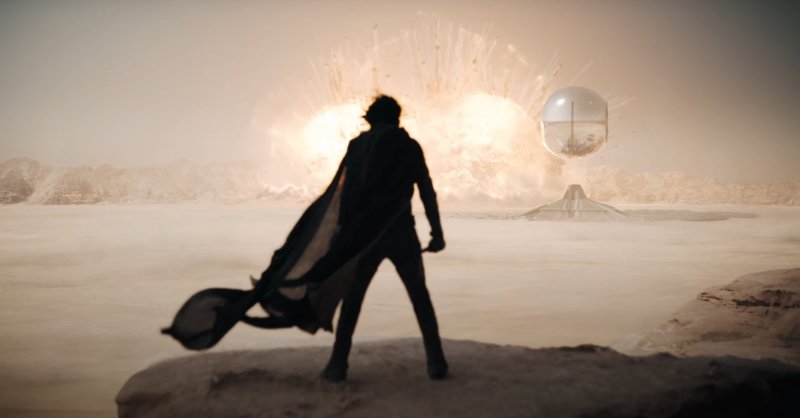
Dune: Part Two is the headily awaited second part of Denis Villeneuve’s adaptation of Frank Herbert’s first novel in his sci-fi series. Unlike Alejandro Jodorowsky or David Lynch, Villeneuve proved he could do the impossible – adapt what was regarded as an ‘unfilmable’ novel. Dune won six Oscar’s for his efforts. Dune: Part Two picks up where the previous one left off, with Paul Atreides (Timothee Chalamet) and his mother Jessica (Rebecca Ferguson) settling into life with the Fremen, after House Harkonnen launched a devastating attack on House Atreides. With even stronger reviews than the first, can Dune: Part Two live up to the hype?
While there’s no doubting the visual flair on display, Dune: Part Two is a mixed bag and not as strong as its predecessor. What really impressed me with Dune was how Villeneuve was able to maintain a clarity to the narrative, the key downfall of Lynch’s film who overstuffed the entire book in a 137 minute film. And while that’s still largely the case here, Dune: Part Two runs into all manner of pacing issues. On the one hand, there’s some good world building for the first hour where ultimately not a lot happens. But then, but the film completely rushes through its climax during its last hour.
Much has been made of the final battle sequence in this film, with some comparing it to the Battle of Helm’s Deep in Lord of the Rings: The Two Towers. I must have seen a different film because Villeneuve rushes through it, and that costs the film much of its spectacle.
The rushed pacing also comes at the expense of character development. I simply didn’t buy Paul and Chani’s (Zendaya) blossoming relationship at the very centre of the film – it simply feels like we’re expected to invest in their relationship with no natural development. I wonder if it’s to do with the fact Eric Roth doesn’t write the script this time around, with Villeneuve himself stepping in to co-write with Jon Spaihts.
With a film this overstuffed, it’s inevitable some of the performances are going to suffer. Although Timothée Chalamet impressed me in the first film, I didn’t think the actor sold the increasing weight his character has to have in this film as he ascends to be a messianic-like figure. While the standout of Dune was Stellan Skarsgård’s Baron Harkonnen, Austin Butler is the highlight, who is tremendous as Feyd-Rautha. The nephew of Skarsgård villain, he isa particularly nasty piece of work and Butler really makes the most of the role, with a sinister personality and a convincing Scandinavian accent to try and match Skarsgård. Speaking of Skarsgard, he’s solid but some of the mystery that surrounded him in the first is now gone and he’s not as effective.
Two of the performances really didn’t work for me. First is surprisingly Javier Bardem, who almost always elevates a film but he’s unfortunately saddled with some truly trite dialogue. Christopher Walken also doesn’t make the most inspiring choice for the Emperor because he just plays himself.
The score by Hans Zimmer is pretty atypical of him and whilst it has its moments, it’s not his best work. While Greig Fraser deservedly won an Oscar for his Dune cinematography, because the locations are more limited this time around, it doesn’t feel quite as fresh. However, I loved one action sequence that’s almost made to look like it’s been shot in one take. I also loved the black-and-white imaging of the Harkonnen planet, one of the highlights of the film, as is a gladiatorial fight to the death.
It’s a shame Dune: Part Two doesn’t live up to the first film with its odd pacing and lack of character development. But it’s still a fun ride, with some above average elements, such as the black-and-white sequence on the Harkonnen planet, Austin Butler’s performance and some exciting action sequences here and there. For a Denis Villeneuve film though, I think it’s his weakest effort and that’s a shame. While Villeneuve’s keen to adapt Dune: Messiah, I really hope he gets off the sci-fi train and does something completely different. Prisoners and Sicario still remain his best works for me, and while his foray into sci-fi has undoubtedly been successful, I want to see him breathe new life into a different genre.
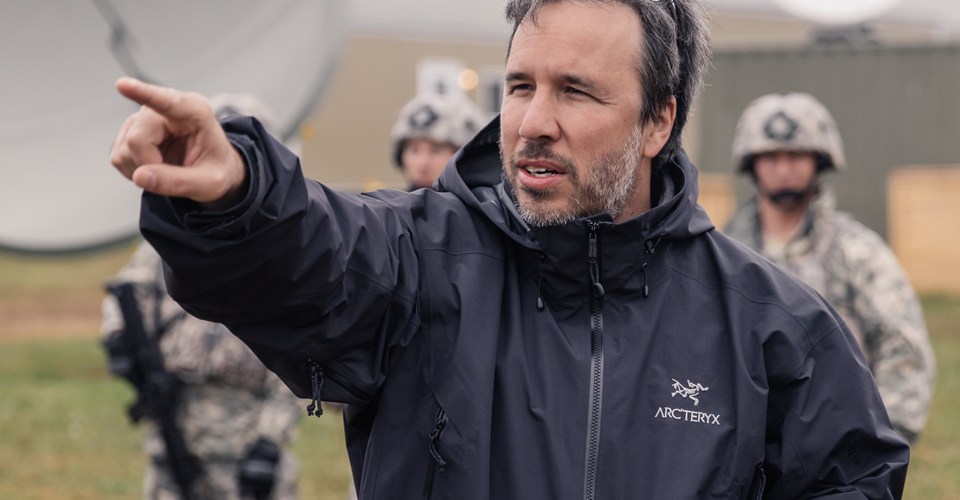
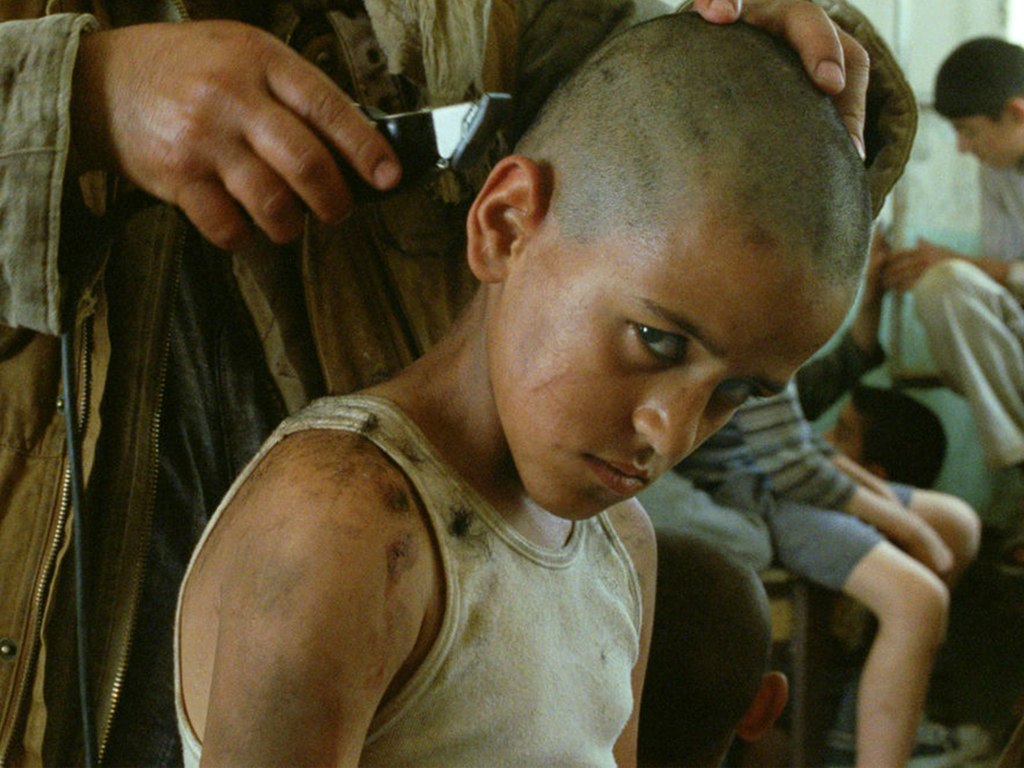
French-Canadian film director Denis Villeneuve exploded onto the big screen in 2010 with Incendies, earning an Academy Award nomination for Best Foreign Language film, putting the filmmaker firmly on the roadmap.
He then made the transition to English-language films with thrillers Prisoners, Enemy and Sicario, all receiving a very positive reception. More recently, Villeneuve has expanded into sci-fi with Arrival earning him a Best Director Oscar nomination, before tackling the behemoths Blade Runner 2049 and Dune.
With the director’s gradual rise in stature, many now compare him with Christopher Nolan for his similarly heady ideas and meticulous attention to detail. With the hotly anticipated Dune: Part Two arriving in cinemas, here is a list of his films ranked worst to best.
Please note this list does not include August 32nd on Earth, Maelström or Polytechnique.
8) Dune: Part Two
Unfortunately, Villeneuve’s latest is his worst. While there’s no doubting the visual flair on display, Dune: Part Two is a mixed bag and not as strong as its predecessor. What really impressed me with Dune was how Villeneuve was able to maintain a clarity to the narrative, the key downfall of David Lynch’s film who overstuffed the entire book into a 137 minute film. And while that’s still largely the case here, Dune: Part Two runs into all manner of pacing issues. On the one hand, there’s some good world building for the first hour where ultimately not a lot happens. But then, but the film completely rushes through its climax during its last hour. The rushed pacing also comes at the expense of character development. I simply didn’t buy Paul (Timothée Chalamet) and Chani’s (Zendaya) blossoming relationship at the very centre of the film – it simply feels like we’re expected to invest in their relationship with no natural development. I wonder if it’s to do with the fact Eric Roth doesn’t write the script this time around, with Villeneuve himself stepping in to co-write with Jon Spaihts.
It’s a shame Dune: Part Two doesn’t live up to the first film with its odd pacing and lack of character development. But it’s still a fun ride, with some above average elements, such as the black-and-white sequence on the Harkonnen planet, Austin Butler’s performance and some exciting action sequences here and there.
Villeneuve’s highest-profile French-language film earned the director his big break with an Academy Award nomination for Best Foreign Language Film. Incendies follows two Canadian twins who travel to their mother’s native country to uncover her hidden past, with the film heavily influenced by the Lebanese Civil War. Mélissa Désormeaux-Poulin stands out as Jeanne Marwan, the daughter of mother Marwan (Lubna Azabal), who throws herself head first into the investigation, while her short-tempered brother Simon (Maxim Gaudette) wants nothing to do with proceedings. The film is quite unlike Villeneuve’s later works in tone but there’s no denying the powerful cinematography by André Turpin, especially how he captures the unnamed foreign country and its war-torn past. The use of Radiohead’s You and Whose Army in the opening sequence is also masterful. But the plot has its fair share of contrivances that I found problematic, which mean a disturbing twist late into the film doesn’t land quite as effectively as it should.
⭐⭐⭐
Rating: 3 out of 5.
6) Blade Runner 2049
Blade Runner 2049 is frequently mesmerising to behold on-screen and Villeneuve’s intention towards the project is impressive. Technically, the film is a marvel to behold bolstered by its strong performances. However, it is not quite the victorious slam dunk I expected it to be on the strengths of Villeneuve’s previous works. A lot of this masterful director’s trademarks aren’t immediately apparent in the film due to Villeneuve emulating Ridley Scott’s direction of the first film a little too closely. The film is also overlong and frequently emotionally lacking. Without trying to sound too critical of the film, it is testament to how strongly I regard Villeneuve as a director and the subsequent expectations I had going into this film. Blade Runner 2049 is generally a very strong sequel but like its predecessor, requires time and repeat viewings to further ascertain its quality and lasting impression.
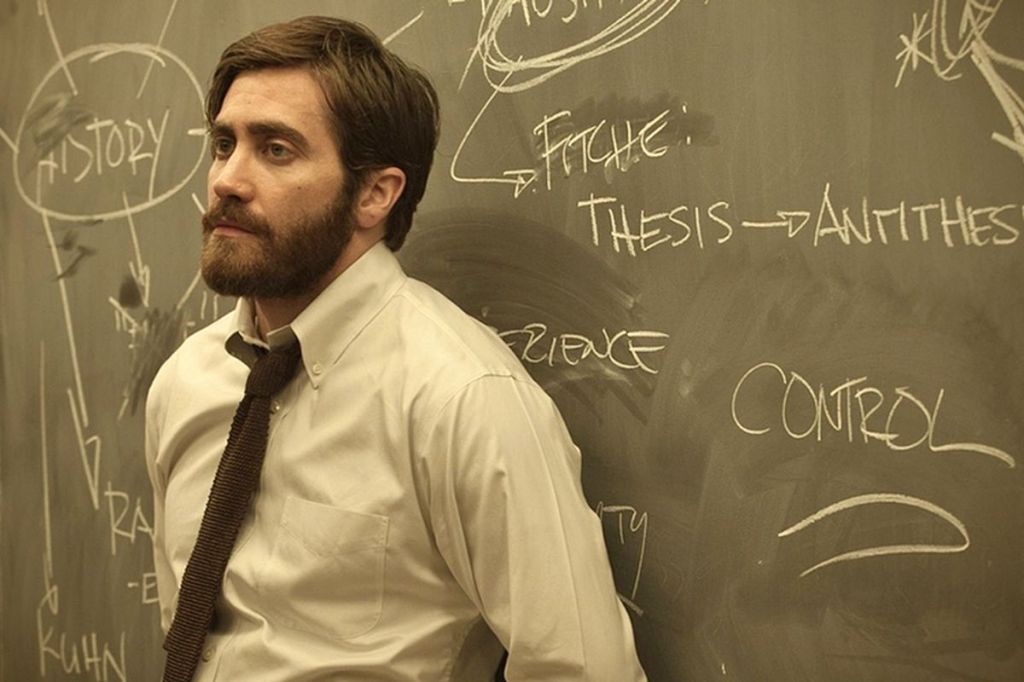
Enemy is an often underlooked work by Villeneuve, who reteams with Jake Gyllenhaal. Clearly inspired by Lynch and Kafka, Enemy is an intense, thoroughly unconventional exploration into the theme of the doppelgänger. It requires multiple rewatches to truly unpack and appreciate its confusing narrative. The ending is jaw-dropping and reframes the film in a different perspective and continues to be debated to this day. The film’s brilliantly paced and doesn’t waste a second of its tight 90 minute run time and it’s vividly shot by Nicolas Bolduc, with an unnerving score by Danny Bensi and Saunder Jurriaans. While Enemy might not be as accessible as some of Villeneuve’s other works, it’s a thoroughly thrilling ride if you can get on board with its heady premise.
⭐⭐⭐⭐
Rating: 3.5 out of 5.
4) Dune
As a property, Dune has experienced a particularly hard life in a filmmaker being able to successfully transpose the novel from the page to the screen, Alejandro Jodorowsky dubbing it as ‘unfilmable’ and David Lynch’s 1984 film yielding mixed results. Villeneuve cracks the code though with his adaptation. The decision to split the adaptation into two is an excellent one and the film especially impresses in how it skilfully spins a coherent narrative that is relatively straightforward enough to follow. Villeneuve’s adaptation is particularly cine-literate and the world-building is remarkable. The film is particularly strong in its first act, as it sets the stage for conflict and establishes its sizeable roster of characters. The second and third acts become increasingly action-heavy and build on the spectacle. The performances all-around are excellent, although there are some characters who are short-changed that will have a greater presence in a second film. On that note, it was a courageous decision to film Dune, with the uncertainty of a second film being commissioned to adapt the second half of the story.
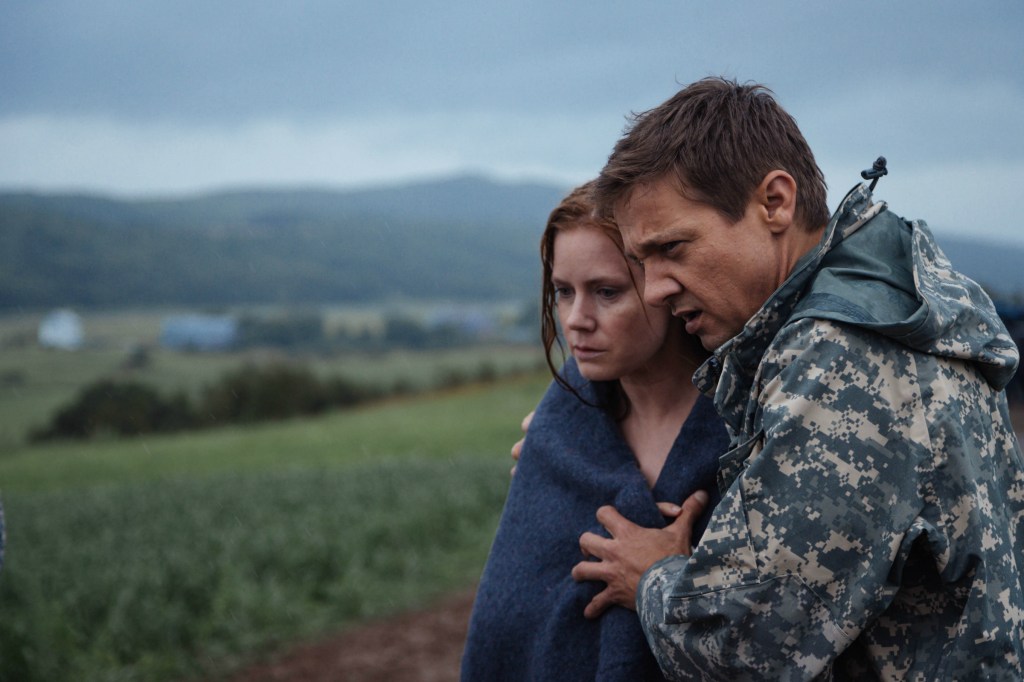
Arrival is masterfully constructed by Villeneuve and its first two thirds is particularly gripping. The performances are strong here too and the film’s beautifully shot by Bradford Young. However, Arrival bites off a bit more than it can chew in its last third and although the film is still very interesting and original, it begins to derail and struggles towards its ending. This is a film that needs to be watched blindly but I felt the film leaves a lot of questions unanswered with some holes to its logic. Like other Villeneuve works, this is a film that warrants multiple rewatches. For a sci-fi, it’s a film that’s very low on action and big set-pieces and is not too dissimilar thematically from films such as Contact or Close Encounters of the Third Kind.
Sicario is a near-perfect film that features some heart pounding action sequences and excellent performances, most notably from Benicio Del Toro who delivers a career-best performance as the enigmatic Alejandro. Villeneuve’s direction is superb and he has created a very gloomy, dark film that is extremely intense. The film’s brilliantly shot by Roger Deakins and there’s a sensational score by Jóhann Jóhannsson, which is extremely moody and memorable. I also highly recommend its sequel, Sicario 2: Soldado, if you get on with this, although Villeneuve didn’t return in the director’s chair.
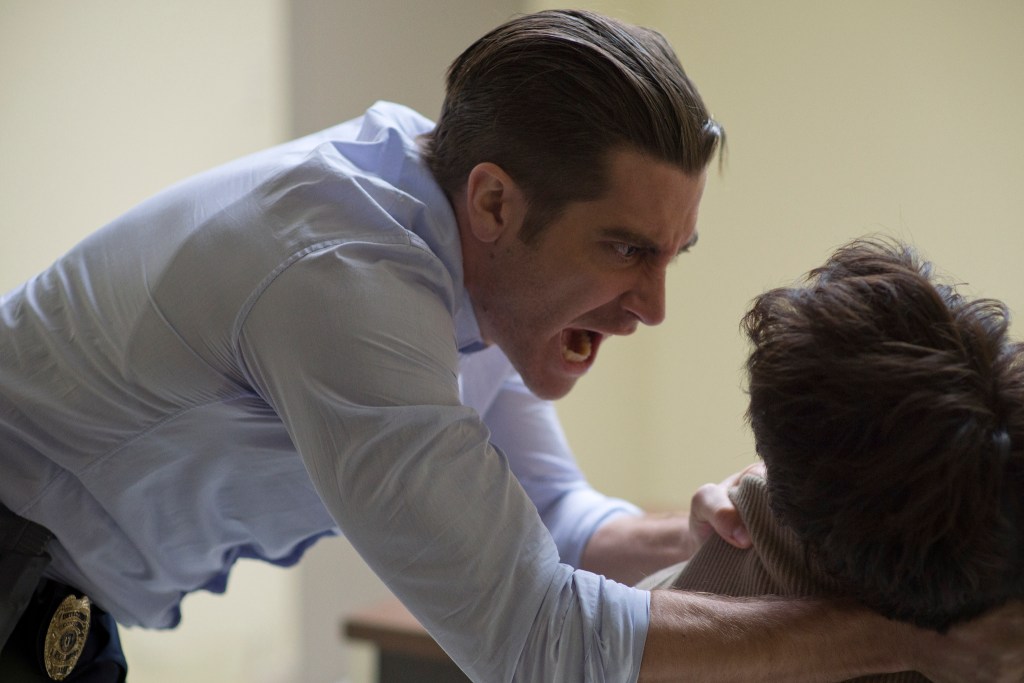
Prisoners is not just my favourite Villeneuve film, but also one of my favourite films of all time – it is a masterpiece and had such a profound effect on me when I first viewed it on release in 2013. Villeneuve’s English-language debut is a harrowing, dark account of the kidnapping of a young girl and the subsequent investigation that ensues. Hugh Jackman plays the father, Keller Dover, whose multi-layered, fragmented character goes to extreme lengths to protect his family and uncover the identity of the kidnapper. This perfect film also features a brilliant score by Jóhann Jóhannsson which is endlessly haunting and is stunningly shot by Roger Deakins, who earned an Oscar nomination for his work. For Jackman’s sake, he’s overshadowed slightly by Jake Gyllenhaal, who also puts in a career-best performance as Detective Loki. I’d love for Villeneuve to return to smaller-budget thriller fare because the results speak for themselves.
⭐⭐⭐⭐⭐
Rating: 5 out of 5.
What are your thoughts? Let me know in the comments or tweet @TheFilmMeister
Every film that is reviewed on The Film Meister is given a star rating out of five.
There are many elements taken into account but the overall score is primarily determined by how engaging a film is, the quality of its direction, script, performances and technical elements, as well as the themes the work explores, its context and what it represents for the genre or wider industry.
Review ratings can mean different things to different people (and, indeed, can vary between publications) so here’s an overview of what the scores mean. Note half scores are awarded where a film’s scores falls between the below definitions.
⭐⭐⭐⭐⭐
Rating: 5 out of 5.
5 stars – Exceptional
This is a very rare occurrence – it’s not often something is close to being perfect. It’s very unlikely a film will be awarded this rating on a first viewing – a film needs to stand up to multiple rewatches.
⭐⭐⭐⭐
Rating: 4 out of 5.
4 stars – Excellent
This film exceeds expectations and is very good.
⭐⭐⭐
Rating: 3 out of 5.
3 stars – Good
This is a positive review, but certain flaws prevent the film from being very good.
⭐⭐
Rating: 2 out of 5.
2 stars – Poor
This is a negative review and while there are some positive elements, the film is ultimately not engaging.
⭐
Rating: 1 out of 5.
1 star – Terrible
This film was not enjoyable and there are no positive elements.
Director: Johan Renck Starring: Adam Sandler, Carey Mulligan, Paul Dano, Kunal Nayyar, Isabella Rossellini, Lena Olin Certificate: 15 Run Time: 107 mins
Spaceman is the new film by Johan Renck, most famous for the Emmy award-winning 2019 television series Chernobyl. This is a sci-fi drama based on a 2017 novel, Spaceman of Bohemia, by Jaroslav Kalfař. Adam Sandler plays Jakub Procházka, a Czech astronaut who is 189 days into a solo space mission on the outskirts of Jupiter. He’s sent to investigate the ‘Chopra cloud’, a vibrant cloud with a purple hue visible from Earth and he’s left behind his heavily pregnant wife Lenka (Carey Mulligan), who is no longer answering his video calls. The cloud may well hold the answer to the origins of everything and Jakub is one of a select few astronauts who’s willing to spend such a long time apart from a loved one.
Things then get rather strange. A seemingly super intelligent arachnid (voiced by Paul Dano) suddenly materialises on the spacecraft, who tells Jakub of the destruction of his homeland. Over the course of the film, the two bond as the spider begins to better understand humans and more specifically Jakub’s memories.
Spaceman is an interesting and occasionally visually arresting sci-fi that probably would have worked better as a short story than a feature length film. It becomes rather schmaltzy and doesn’t leave much to audience interpretation. The central core themes of love and feelings of remorse also aren’t particularly original. It feels like a less assured mash-up of Ad Astra, coupled with the stoicism of Damien Chazelle’s First Man.
Still, the performances are worthy of praise. Adam Sandler turns in an atypically restrained performance and is pretty good as the astronaut slowly beginning to lose his mind. Renck does a good job of portraying the claustrophobic and lonely conditions Jakub lives in, with the malfunctioning toilet and cameras understandably driving Jakub round the bend.
Carey Mulligan is promising as Lenka, but unfortunately underwritten but it’s still a redeeming choice of film after Maestro. Isabella Rossellini is excellent as Commissioner Tuma, the stern commanding officer of the mission who does her utmost to prevent Jakub from learning of Lenka’s diminishing feelings for him.
While Spaceman is a little under-baked and missing a sense of awe, Renck’s second full-length film has some worthy elements. Sandler turns in a committed performance and there are some initial promising ideas but the film ultimately leans too heavily on obvious exposition and a rather underwhelming central overarching theme that doesn’t justify the full run time.
Director: Felipe Gálvez Haberle Starring: Camilo Arancibia, Mark Stanley, Benjamin Westfall, Alfredo Castro, Marcelo Alonso, Sam Spruell, Mishell Guaña, Adriana Stuven Certificate: 15 Run Time: 97 mins
The Settlers (or Los Colonos in its native Chilean) caused quite the storm when it debuted at Cannes last year and is Felipe Gálvez Haberle’s directorial debut. It’s a revisionist Western that takes place at the turn of the 20th Century as settlers from multiple European nations arrive in the Tierra del Fuego archipelago, grabbing as much land as they can.
Scotsman soldier Alexander MacLennan (Mark Stanley) leads an army under a reign of terror with his unpredictable nature and general drunkeness. He’s under the employment of Jose Menéndez (Alfredo Castro), who tasks him with leading an expedition to the coast to pave a way for his herd of grazing sheep. MacLennan cherrypicks the quiet Segundo (Camilo Arancibia), a mixed-race Chilean to join him and Menéndez also gives him a Texan mercenary called Bill (Benjamin Westfall). The three get on poorly together, with Bill’s disloyal and racist personality a clash with MacLennan’s unpredictability. They effectively set off into the Patagonian landscape where they rape, pillage and blunder the native tribes.
Contrary to the near-unanimous praise, I didn’t find The Settlers to be particularly engaging, nor does it have much to say which hasn’t already been covered by stronger Westerns. It lacks a character to root for and I just didn’t care for any of the trio. The dialogue is on-the-nose and it never really explores the marginalised tribes. Haberle tries to go for a retro feel with grainy cinematography from Simone D’Arcangelo but it simply appeared grainy to me, rather than the arresting quality they had no doubt intended. Harry Allouche’s playful Spaghetti western inspired score is completely at odds with the grim events being portrayed on-screen.
While it still tells an obvious message, the last act of the film where it shifts to seven years after MacLennan’s expedition is where the film is at its most engaging. The newly formed Chilean government sends a government agent called Vicuña (Marcelo Alonso) to investigate the genocide and the film asks some interesting, if not fully developed questions on MacLennan’s barbarity. While The Settlers is effectively fierce and primitive, it lacks the thrills or playfulness of its Western contemporaries to be truly effective.









 The Film Meister