Best Films of 2023 (10-1)

Rankings, Year In Film

This is the second part of my Best Films of 2023. I previously ran you through my best films of 2023 (20-11) and here, I unveil my top ten.

10) The Covenant

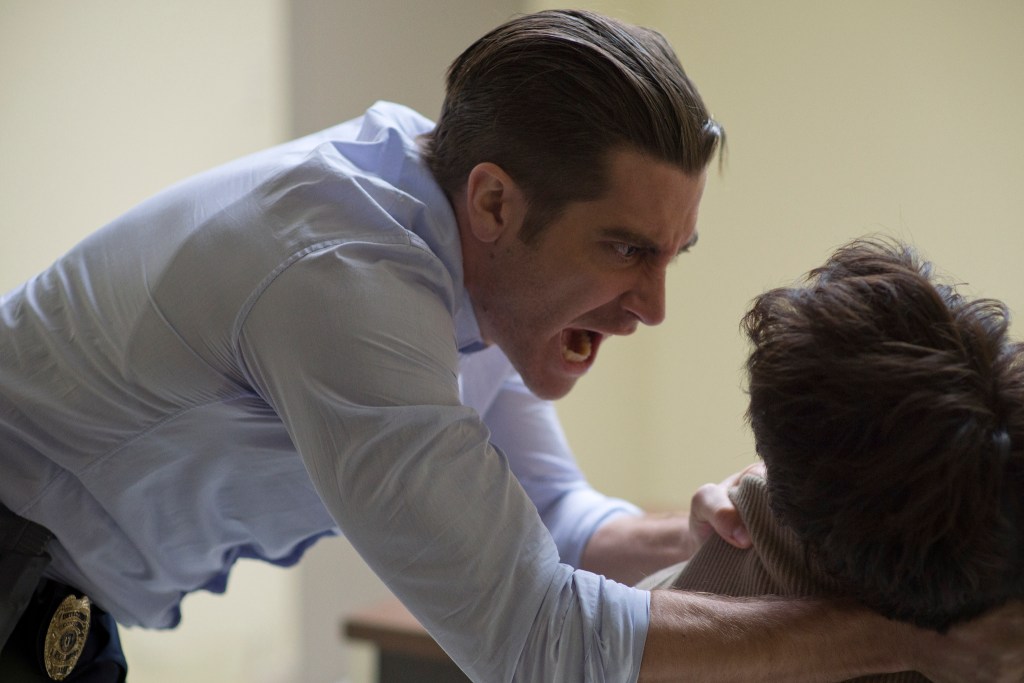
Guy Ritchie’s most mature film in years is a triumph with Jake Gyllenhaal reliably brilliant as Master Sergeant John Kinley, who after his unit are ambushed by the Taliban and his interpreter is killed, is teamed with Dar Salim’s Ahmed. This is a thrilling action drama from Ritchie with surprising restraint, considering his back catalogue, with some nail-biting action sequences and a pulse-raising score by Christopher Benstead. Both Kinley and Ahmed are well-developed and rounded characters and I really brought their friendship. If there’s a downside to the film, it has a rather Americanised ending but its intensity is still to be commended. It’s Ritchie’s best film since The Gentlemen.

9) Anatomy Of A Fall

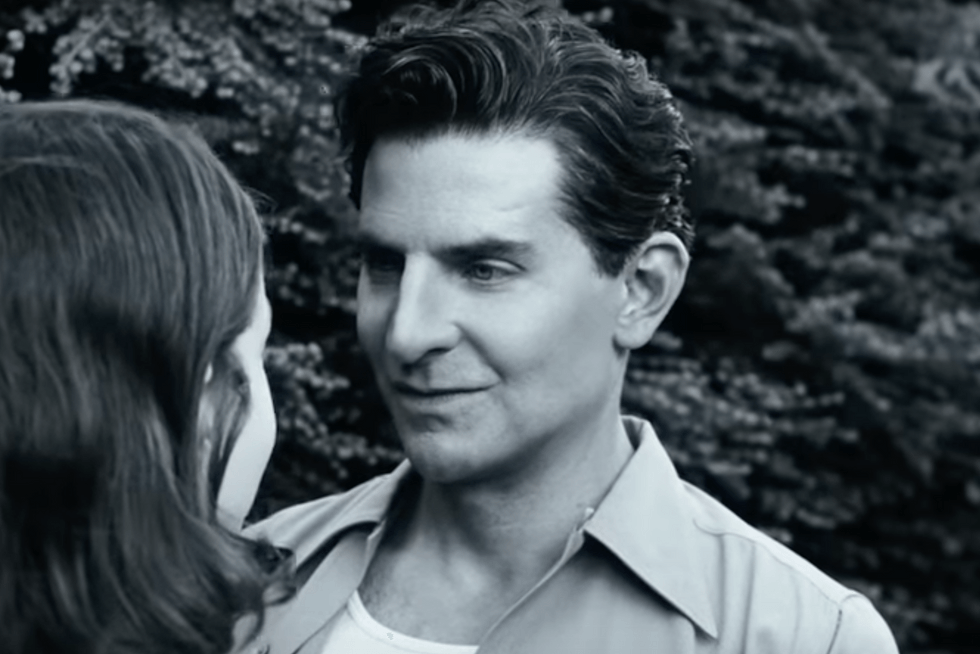
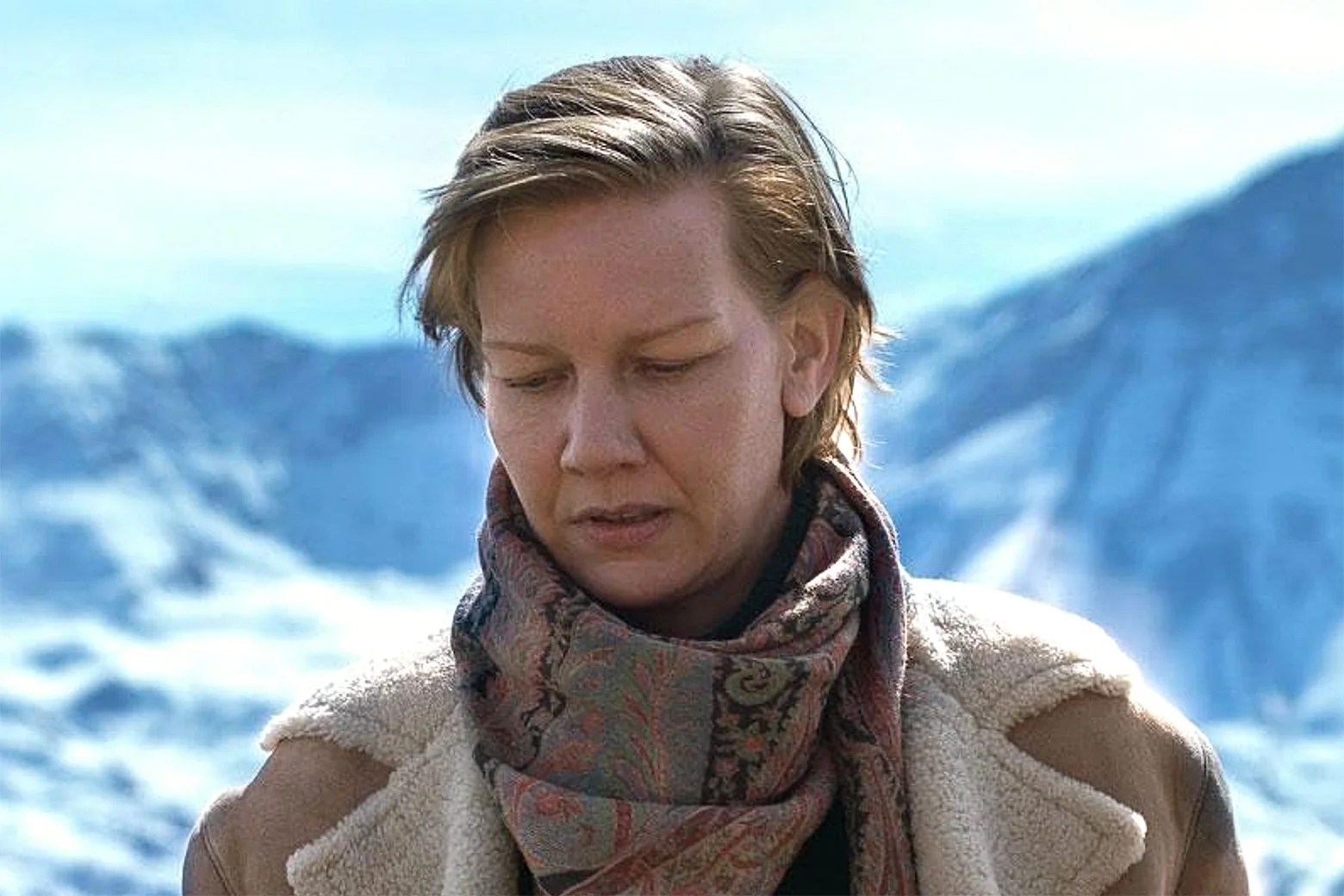
Anatomy of a Fall is a fascinating character study of a family, the couple at its centre and the legal system that tries to break Sandra and her son apart. It’s a smart film that’s simmering with tension and excellent performances, although I’m confident it would pack an even greater wallop if it was tighter. Sandra Hüller is terrific in the lead role and is fully deserving of the praise she has been lauded. Her character is a matter-of-fact, frank individual and director Justine Triet delves into the idea that writers use those around them to bolster their image. Swann Arlaud is also brilliant as Sandra’s silver fox lawyer, Vincent Renzi, as is Antoine Reinartz as a particularly nasty prosecutor. He unpicks anything and everything Sandra or other persons called up to the bar say, constantly repurposing words as evidence of Sandra’s guilt. Although there isn’t an original score, the use of music is terrific and the recurring use of 50 Cent’ P.I.M.P. and Daniel’s piano recitals are chillingly effective. The film’s also beautifully shot by Simon Beaufils, who evocatively captures the high altitude setting of the chalet and likes to zoom in on certain minutiae, as if you’re a fly-on-the-wall. 

8) May December

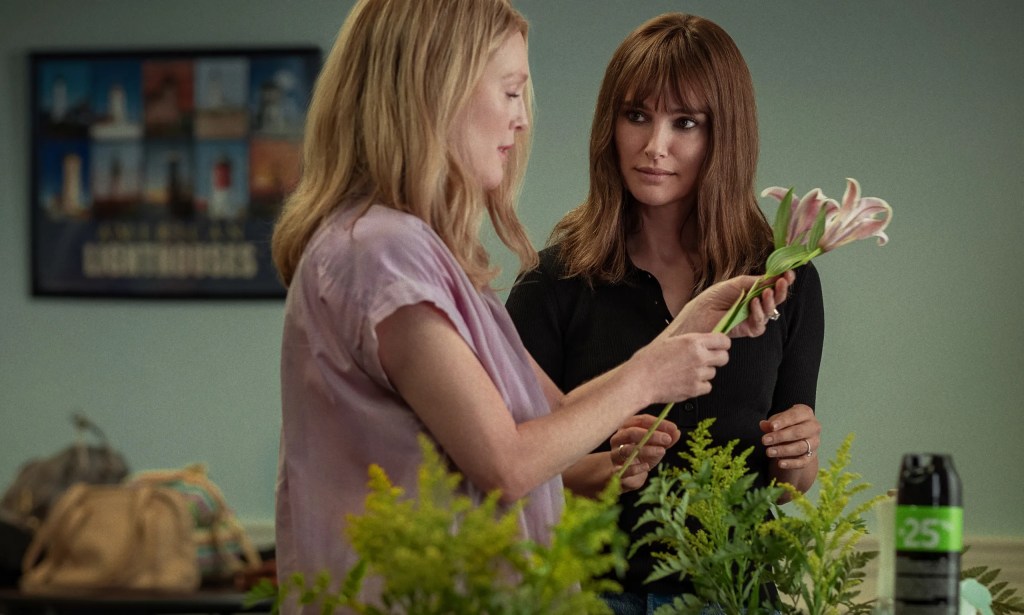
I’ve never fully got on the Todd Haynes hype train but May December is the film that’s converted me – I was enthralled from start to finish. The film is loosely inspired by the Mary Kay Letourneau scandal where the then-34 year old had a sexual relationship with 12-year-old Vili Fualaau. The characters are renamed and the story framed around Natalie Portman’s Elizabeth Berry as an actress who’s about to play the older woman in an upcoming film, played by Julianne Moore. May December isn’t interested at all in unpicking the how’s and why’s of what happened. Haynes refreshingly chooses to focus on the dark and tangled obsessions of its characters and how they mirror each other. The film is seeping in details to unpick and there are many different possible readings, which make it all the more satisfying. It’s brilliantly paced with a sharp script by Samy Burch which deftly balances the camp and unease. Perfectly complimenting the film is a peppery score by Marcelo Zarvos, who reuses Michael Legrand’s whirlwind-like themes from The Go-Between but develops them beautifully. 

7) Are You There God? It’s Me, Margaret

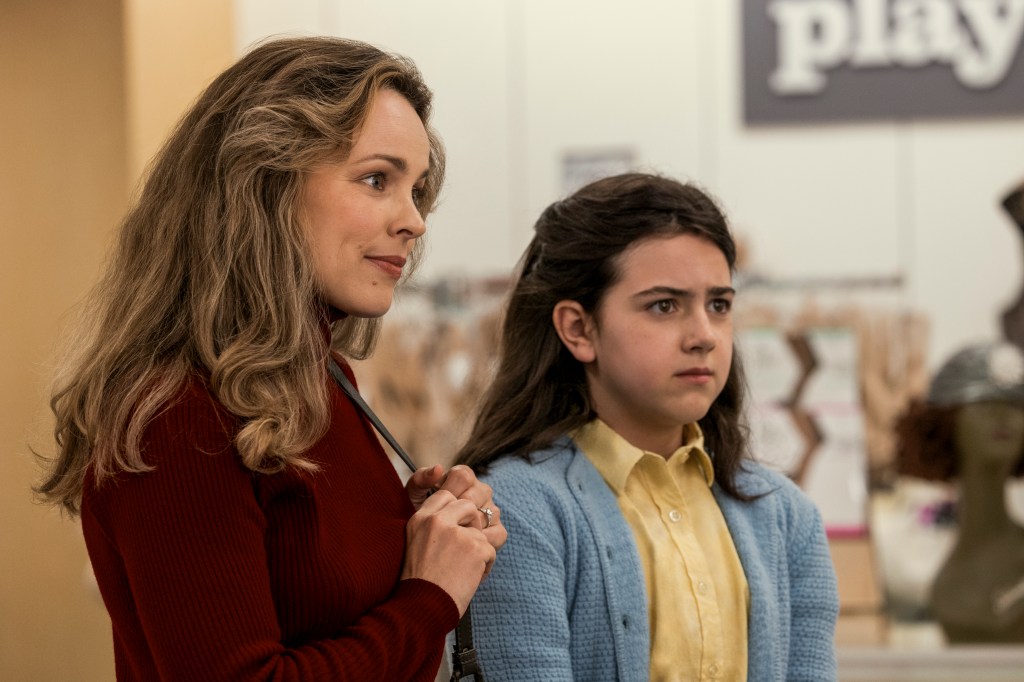
Kelly Fremon Craig’s adaptation of the 1970 novel of the same name is an utterly charming coming-of-age comedy drama that has plenty of laughs matched with real heart. The film is refreshingly frank about a girl’s journey through puberty and the director nails the uneasy but realistic conversations Margaret has with her friends. Abby Ryder Fortson is revelatory as the titular Margaret and Rachel McAdams is equally impressive as her mother, Barbara. Kathy Bates shines as her grandmother, Sylvia and Hans Zimmer’s score is uncharacteristically stripped back.

6) The Son

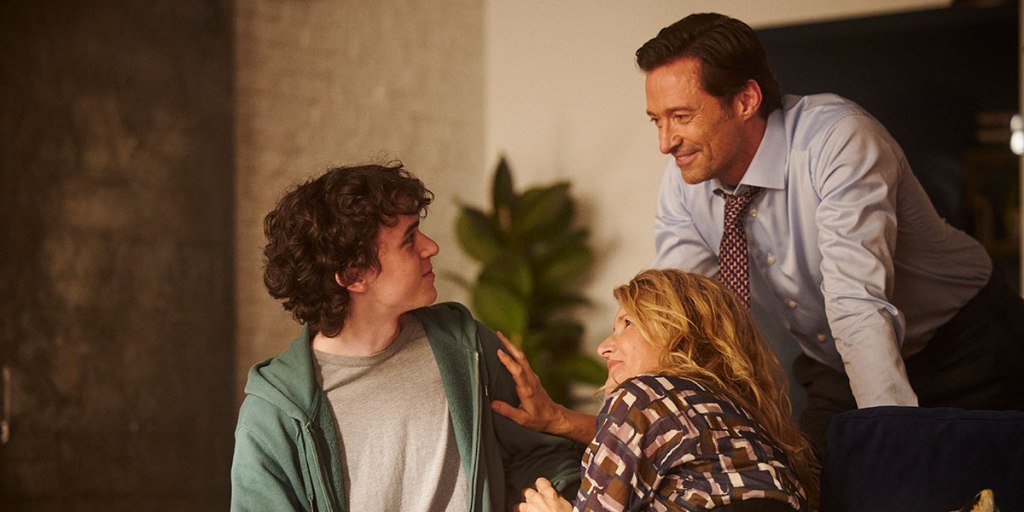
I never expected to like director Florian Zeller’s follow-up to The Father as much as I did, given the negative reception and the fact I had serious reservations regarding his debut. However, The Son really worked for me and follows Peter Miller (Hugh Jackman), who’s trying to juggle his marriage with his second wife Beth (Vanessa Kirby) while raising their newborn baby and his depressed 17-year-old son, Nicholas (Zen McGrath), from his previous marriage. This is an utterly devastating account of depression, with Peter constantly stuck between a rock and a hard place, on the one hand wanting to be a model father and move on from his own childhood trauma with his own cruel father (Anthony Hopkins). Jackman is reliably terrific in the lead, with strong work also from Kirby and McGrath and I was glued to the screen from start to finish. If there’s a film out there that warns you about the dangers of depression, this is it, akin to how Requiem For A Dream is the model film to put you off recreational drug use.

5) Beau Is Afraid

Beau Is Afraid is easily the most confounding cinematic experience I have had in quite some time. It’s a fiercely original effort – a sprawling, paranoia-inducing epic with more than its fair share of Kafka-inspired horror infused with Charlie Kaufman surrealism and a dose of Darren Aronofsky’s mother!. As you’d expect from an Ari Aster film, it’s overflowing in symbolism and requires multiple viewings to better understand its meaning. This isn’t a film that will ever be truly understood, but after two viewings, there is a ton to unpack. A beautiful animated sequence towards the close of the film’s second act is particularly affecting. Joaquin Phoenix is phenomenal as Beau, effortlessly flitting between being pathetic  the line between pathetic – crazed emotions, stunts, panic, confusion. Aster’s regular cinematographer Pawel Pogorzelski’s moody cinematography is stunning, an individual once again at the top of his game, and there’s a satisfyingly sickly score from Midsommar‘s Bobby Krlic.

4) John Wick: Chapter 4

John Wick: Chapter 4 is yet another strong entry in the series and its second half is particularly impressive, especially considering the intimidating 169 minute run time. It tells a clear and coherent story and there are real, life-threatening stakes for the characters. The film feels like a sprawling, ultra-violent James Bond film on steroids and mostly earns its length. As you’d expect, Chapter 4 sports some truly mesmerising action sequences that are straight up there as some of the best in the series and a model for action cinema in general. Keanu Reeves once again turns in an excellent performance as the titular character. Bill Skarsgård makes for what is probably the most formidable villain of the series to date and Donnie Yen is clearly having fun as a likeable old friend of Wick, who is forced out of retirement to kill him.

John Wick: Chapter 4 is a fantastic sequel and a genre-defining film for action cinema. It’s a globe-trotting stunt showcase from beginning to end that mostly earns its length and its second half is a tour-de-force. It’s certainly the best sequel of the franchise, although I’m not sure if it betters the original. It’s rare to see a series improve with each entry, although Chapter 4 ends on a fitting note and I hope Stahelski and Reeves aren’t tempted to risk making another. 

3) Killers of the Flower Moon

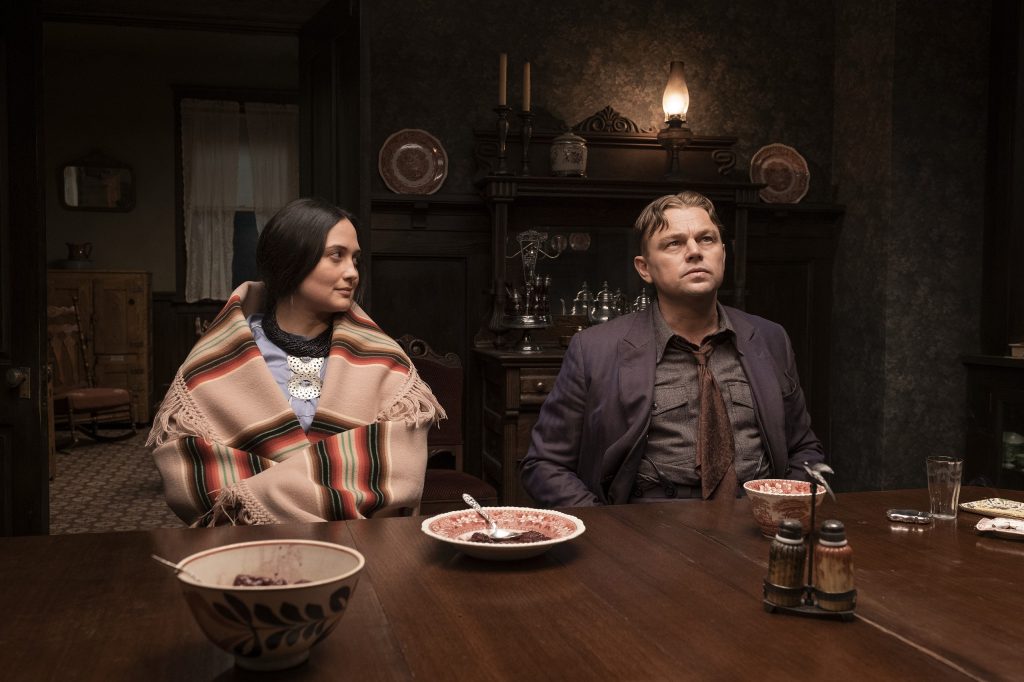
Killers of the Flower Moon is the latest by Martin Scorsese and an adaptation of David Grann’s 2017 non-fiction novel of the same name. The book is a must-read and tells the sickly story of how the Osage community are systematically murdered in the 1920s after oil is discovered on their tribal land. Killers of the Flower Moon is, for the most part, an excellent adaptation. It earns its 206 minute run time with its sprawling, fascinating story and Scorsese takes his time to develop the characters. He immerses you in the terror felt by the Osage, that no-one is safe on their own land with greedy wolves scheming from every corner. I was particularly impressed how like in The Irishman, Scorsese presents the horror in quite an understated way, raw and fact-of-life. Although a revisionist Western first and foremost, there’s still many of Scorsese’s gangster elements to be found, from fatally flawed men to America’s founding myths.  Of course, being a Scorsese picture, the film has real big screen beauty and is handsomely shot by regular cinematographer Rodrigo Prieto. He gorgeously captures the expansive Oklahoma vistas and holds onto a shot for uncomfortably long during heinous murders. The stunning cinematography and assured direction is paired with a haunting, bluesy final soundtrack by Robbie Robertson (who sadly passed away in August). A heartbeat motif that is repeated throughout the film is particularly effective, lending a feverish quality. 

2) Babylon

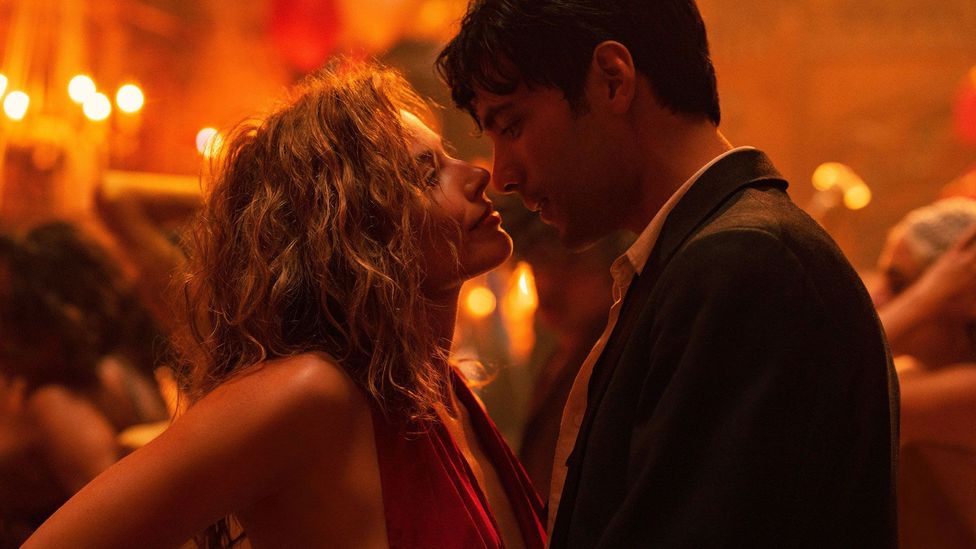
A misunderstood masterpiece, Damien Chazelle’s epic comedy chronicles Hollywood’s transition from silent to sound films in the late 1920s. I’ve had a mixed experience with Chazelle’s filmography. Whiplash is one of my favourite films of the 2010s, I couldn’t understand the praise for La La Land and I admired but didn’t love First ManBabylon is a return to form for Chazelle and is an ambitious, heady study of the history of cinema. It quite literally details the blood, sweat, tears and sheer luck needed to succeed in Hollywood and the strenuous work required to even film a single scene. Chazelle’s approach is unapologetic –  this is a sprawling, loud film that revels in excess be it through drink, drugs or discharging of bodily fluids. But it’s also regularly profound with characters wholly aware their Hollywood career has an expiry date. Although Chazelle’s view of the Hollywood studio system is critical, his passion for film as a medium is evident throughout this three hour plus extravaganza. I hope the mixed reception doesn’t discourage Chazelle from taking another ambitious risk. 

So the best film of the year is…

1) Oppenheimer

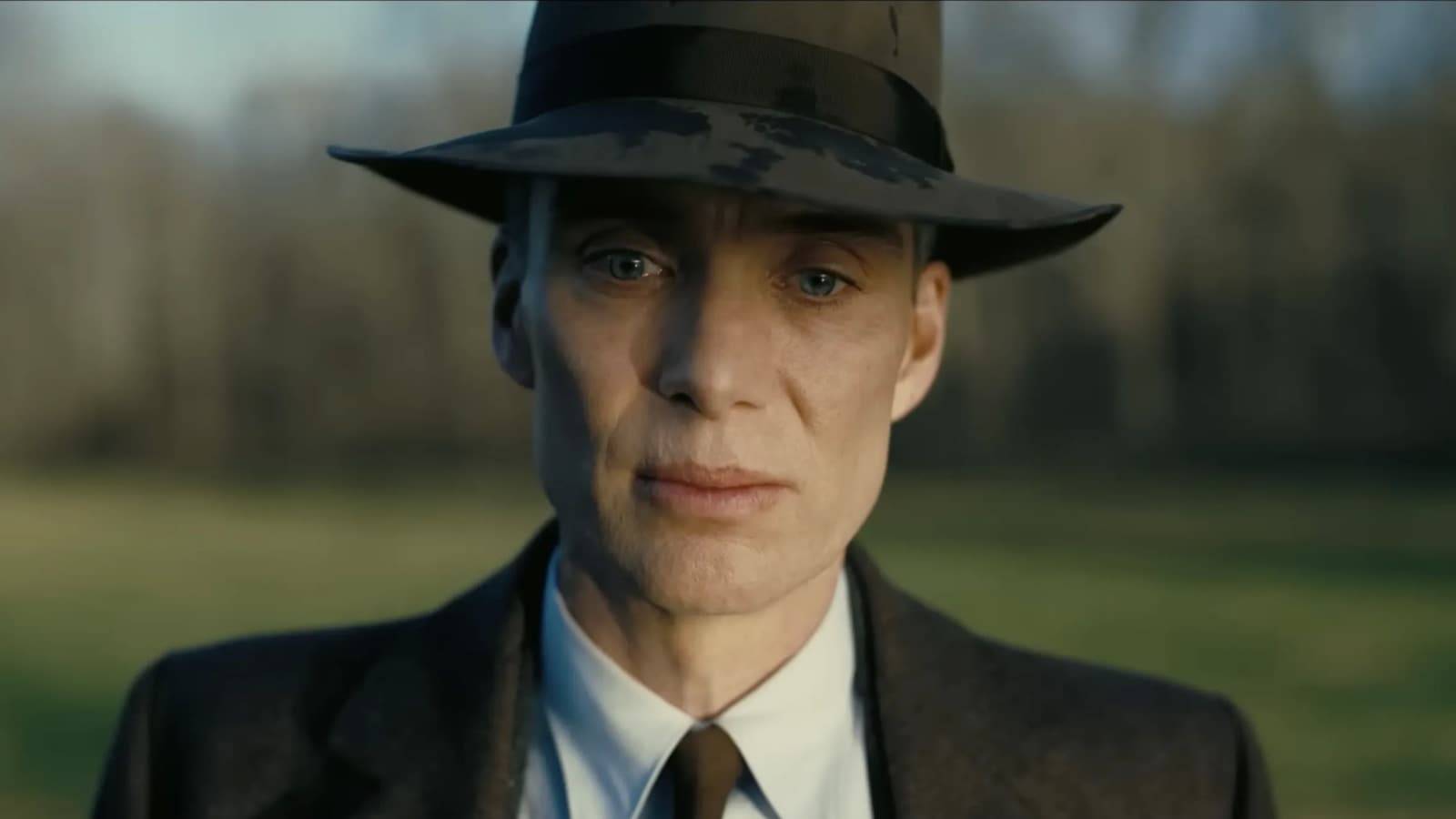
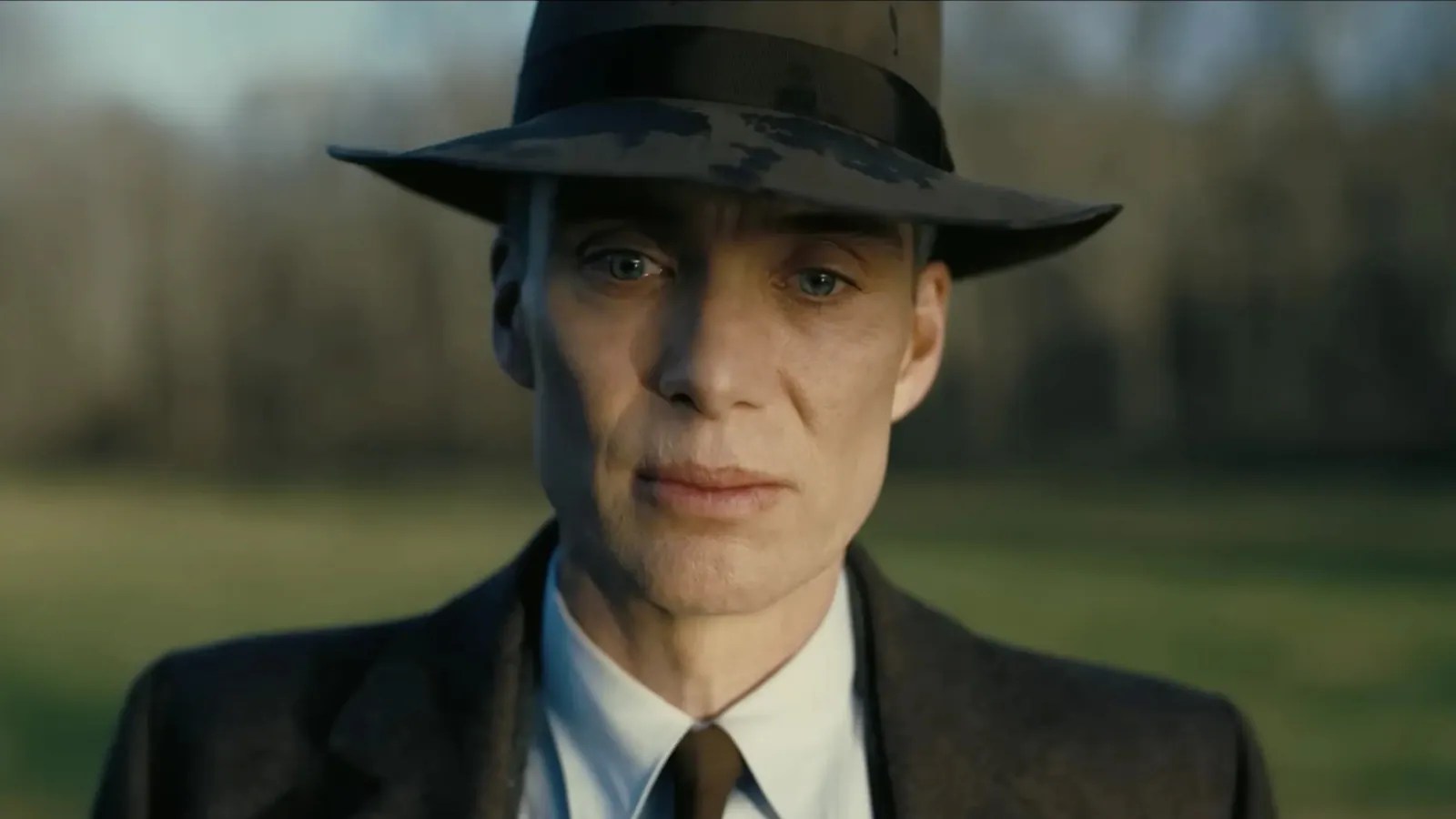
Oppenheimer is a tension-fuelled, thought-provoking minor-key masterpiece and is straight up there with director Christopher Nolan’s best work. It’s an incredibly rich piece of work and it left me feeling stone-cold with its characters haunting deliberation over the consequences of their work. This is a largely dialogue-heavy film for its lengthy three hour running time and except a breathtaking sequence depicting the Trinity test (even more impressive considering the minimal CGI), is largely bereft of action. Cillian Murphy has often represented one of the mechanisms to a successful Nolan film, and steps up to the lead role for Oppenheimer. His performance is simply sensational and a career-best. Oppenheimer is stacked with A-list actors, with Emily Blunt and Robert Downey Jr other notable highlights. The film is beautifully shot by now-Nolan regular Hoyte van Hoytema and Ludwig Göransson’s score is the glue that holds the film together. 


What are your favourite films of 2023? Let me know in the comments or tweet @TheFilmMeister

Best Films of 2023 (20-11)

Rankings, Year In Film

It’s the start of a new year so that means it’s time to reflect back on year just gone and bring you my top picks. 2023 was, overall a strong year for film, although apart from the upper echelons of this list, not quite on a par with 2022. There were far more misses than hits, especially on the sequel front.

Here, I’ll rank numbers 20 to 11. Numbers 10 to 1 will be detailed in a separate post so stay tuned for that.

20) Saltburn

Saltburn is the sophomore effort from Emerald Fennell, whose directorial debut was the razor-sharp feminist vigilante thriller Promising Young Woman, where she won an Academy Award for Best Original Screenplay. Although this follow-up isn’t as strong, Saltburn is a darkly satirical piece that isn’t afraid to withhold the shock-factor. It has a raucous quality to it and explores the themes of excess and obsession, with thoroughly unlikeable, vampiric characters, although Fennell’s sharp script gives us plenty to make us invest in them. The film’s horror tinge is particularly satisfying and its narrative leaves you guessing where it might head to the very end, although a final twist does feel a little tacked on, especially on a rewatch. 

Although thoroughly entertaining for the most part, Saltburn suffers from its clashing of tones, at times feeling like St Trinians meets an Edgar Wright film with the darker, erotic undertones of The Talented Mr Ripley and Brideshead Revisited. I’d have preferred the film to do without the former, the tacked-on balloon celebratory stylings at odds with the film’s darker elements. The film would have had more bite if it leaned further into its Gothicism and the cheekiness of its erotic thriller elements. 

19) Dead For A Dollar

Dead For A Dollar released in the UK straight-to-DVD in February despite being released in most territories in 2022, hence its inclusion here. And what a shame it received such a low-key release because this is a lean and satisfying Western. Christoph Waltz is excellent as veteran bounty hunter Max Borlund who is hired by businessman Martin Kidd (Hamish Linklater, who also puts in a strong performance) to retrieve his wife Rachel (Rachel Brosnahan). Thrown into the mix is Willem Dafoe’s slimy card shark and armed robber Joe Cribbens and you have a exciting Western with some great lines and gleefully bloody violence.

18) The Whale

The Whale is the latest by Darren Aronofsky, his first film since mother!which proved divisive. Mostly set in a single location, this is an emotionally powerful experience with a terrific performance from Brendan Fraser as morbidly obese English teacher Charlie. Aronofsky beautifully explores the relationship between a father and his daughter and there are many touching moments focussing on Charlie’s outlook of life. I walked out of the film grateful and determined to further my relations with others and to always be positive. Yet, the film deftly conveys Charlie’s pain and hopelessness and it becomes inevitable early on that he is on a path of self-destruction. The way in which Aronofsky portrays binge-eating is particularly harrowing – like Requiem For A Dream will make you never want to touch drugs, The Whale is the equivalent for food. It wouldn’t be an Aronofsky film without the exploration of religion and the events on-screen are interwoven with religious parallels and texts, which lend a pathos to Charlie’s situation. 

17) The Fabelmans

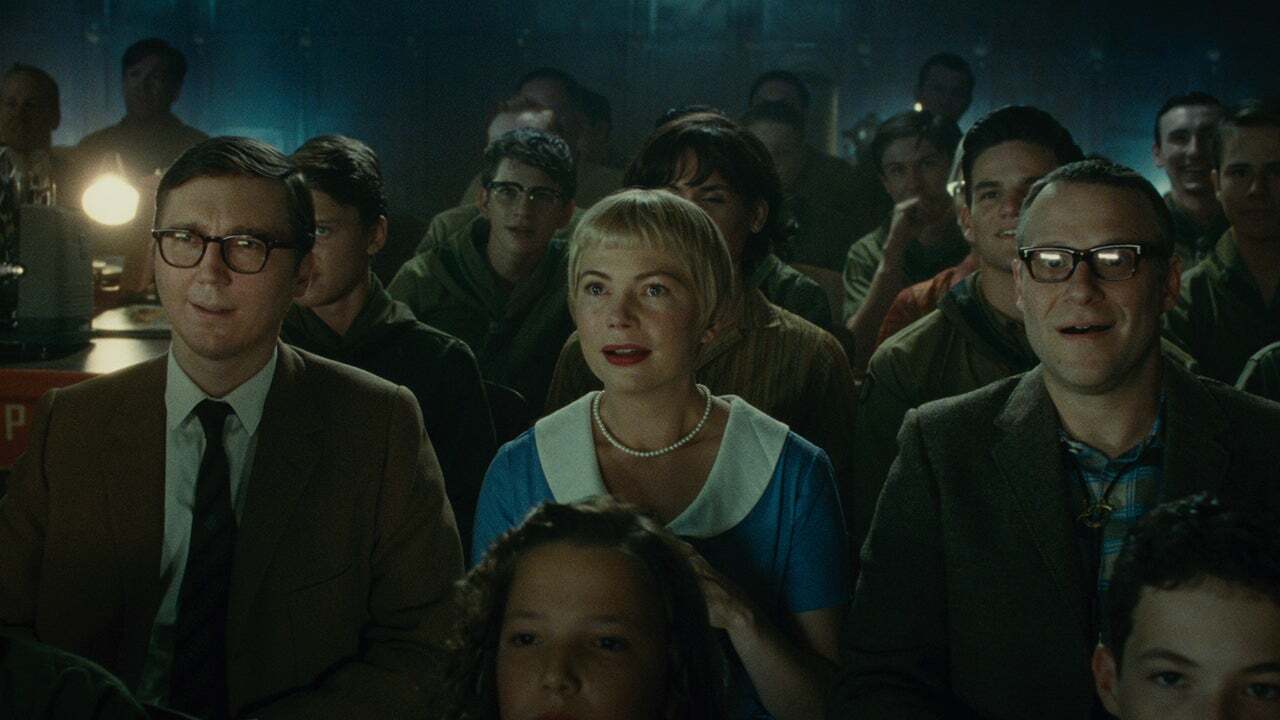
The Fabelmans is a coming-of-age drama directed and co-written by Steven Spielberg, representing a passion project for the revered filmmaker. The film is a semi-autobiographical tale loosely based on Spielberg’s adolescence and burgeoning career. The Fabelmans isn’t quite the masterpiece some have professed it to be but it’s certainly a profound and candid effort. If you’re a film fan, this semi-autobiographical tale will definitely resonate in places. Protagonist Sammy’s love of the medium sometimes usurp his commitments to his family and relationships, and Spielberg deftly explores how filmmaking can consume an individual and how one needs to be reminded that your close ones are more important. It’s beautifully shot by Spielberg-regular Janusz Kaminski, although the film is a tad overlong. That said, it really nails its last half an hour or so. The Fabelmans is a tender reminiscence of Spielberg’s childhood and although it would benefit from tighter pacing, it’s a warm and personal experience with some excellent performances. 
16) Silent Night

Silent Night is an action thriller by John Woo, his first English language film since 2003’s negatively received Paycheck. A film almost devoid of dialogue, for the most part Silent Night is a return to form for Woo with a trio of giddy action sequences. Two car chases are particularly vividly shot, especially the opening one where we see both the chase itself overhead and from the perspective of a character running towards the cars from an alley. There’s also a terrific stairwell sequence that’s meant to feel as if it’s one take. The story is pretty simplistic and Woo isn’t known for his subtlety – the film feels overly schmaltzy at times and cutting this out would have resulted in an even leaner film. The lack of dialogue mostly works well, although there are scenarios the characters fin themselves in, such as a meeting at a police station, where two people clearly need to communicate with words. I think the film would have packed more of a punch with a limited script rather than with virtually no spoken words. Although overly sentimental in its tone, Silent Night is mostly a blast throughout. 
15) Reptile

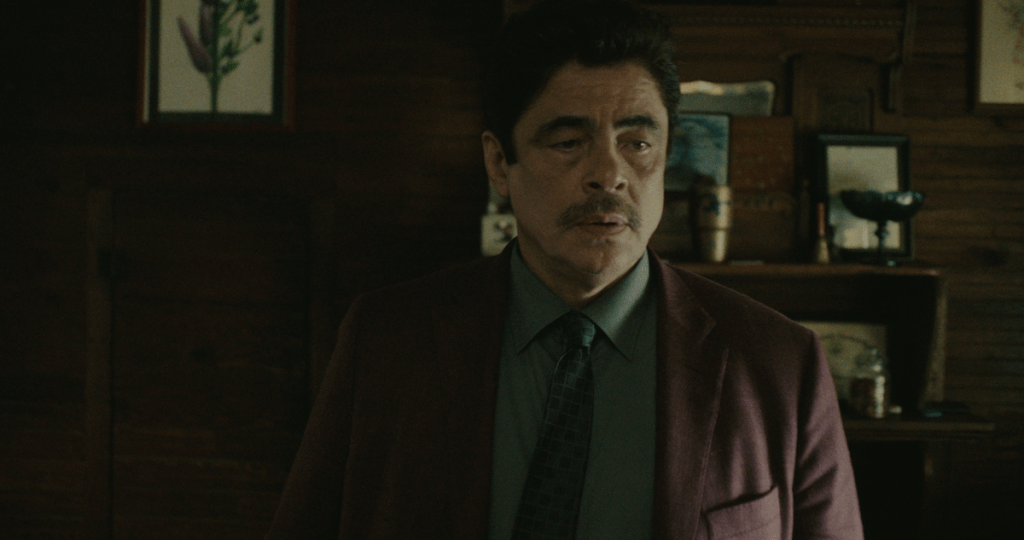
Although it received sniffy reviews, I found Reptile to be a blast from start to finish. Previously most famous for his music videos, Grant Singer’s directorial debut is an exciting crime thriller with a terrific central performance from Benicio Del Toro as the weary detective Tom Nichols. Many thought the film was overlong at 136 minutes but I appreciated Singer taking his time to develop the characters and mystery. The film’s lusciously shot by Michael Gioulakis, who revels in the murky darkness and there’s a handful of particularly tense shoot-outs that are worth a watch alone.

14) Champions

There were a handful of underdog sports comedy films this year, such as Hustle and Next Goal Wins, but Champions is my pick of the bunch. Directed by Bobby Farrelly in his solo directorial debt, Woody Harrelson is terrific as temperamental minor-league basketball coach Marcus Marakovich who’s tasked with caoching a team of disabled players as community service. The laughs are not only consistent but balanced with plenty of heart and it’s a film where we not only root for the team but you’ll have a permanent smile plastered on your face from start to finish.

13) A Man Called Otto

I was very surprised I liked A Man Called Otto as much as I did, but Marc Forster’s remake of the 2012 Swedish film has tons of heart and a brilliant Tom Hanks performance at its centre as the lovable but grumpy Otto. This is a film about what it means to be lonely and the importance of caring neighbours. Mariana Treviño holds her own as Otto’s new Mexican neighbour, Marisol, as does Manuel Garcia-Rulfo as her kind-hearted but slightly useless husband. A Man Called Otto is transfixing from start to finish and has more than few home truths in it.

12) Knock At The Cabin

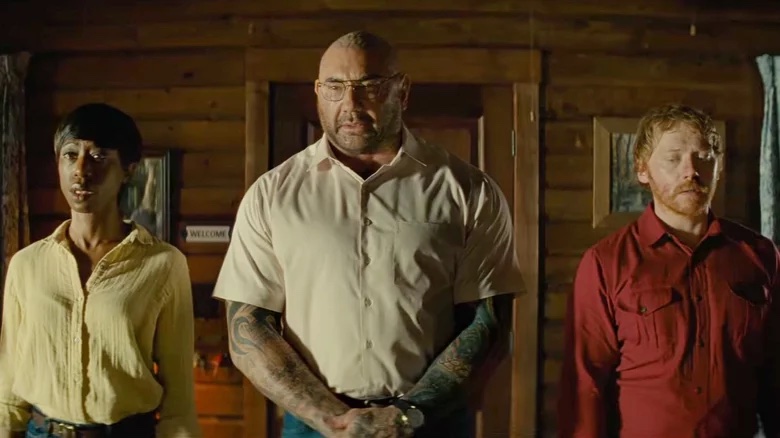
Knock At The Cabin is the latest by M. Night Shyamalan, whose once tarnished career is happily back on an uphill trajectory, as evidenced by Split, Glass and Old. A high-concept apocalyptic horror adapted from a novel by Paul G. Tremblay, the film follows a family of three on holiday in a remote cabin who are visited by a group of strangers, led by Leonard (Dave Bautista) who demand they sacrifice one of their own to prevent an impending apocalypse.  It’s a taut, intense ride while also being thought-provoking. This is not the first time the director’s explored the end of the world and this is a significant step-up from both After Earth and The Happening. Although the premise plays to Shyamalan’s strengths, as you’d expect he doesn’t do things by the book. The film does an excellent job of leaving you guessing the fanatical group’s motive – is the world really about to end? Are they telling the truth or are they suffering from some kind of psychosis? Shyamalan really makes the most of the mostly single location – the film doesn’t feel stagey and it’s beautifully shot by Jarin Blaschke, collaborating with Lowell A. Meyer. The cast are uniformly excellent and this may well be Dave Bautista’s best work yet, who is fantastic as the hulking yet polite Leonard. 

11) The Hunger Games: The Ballad of Songbirds and Snakes

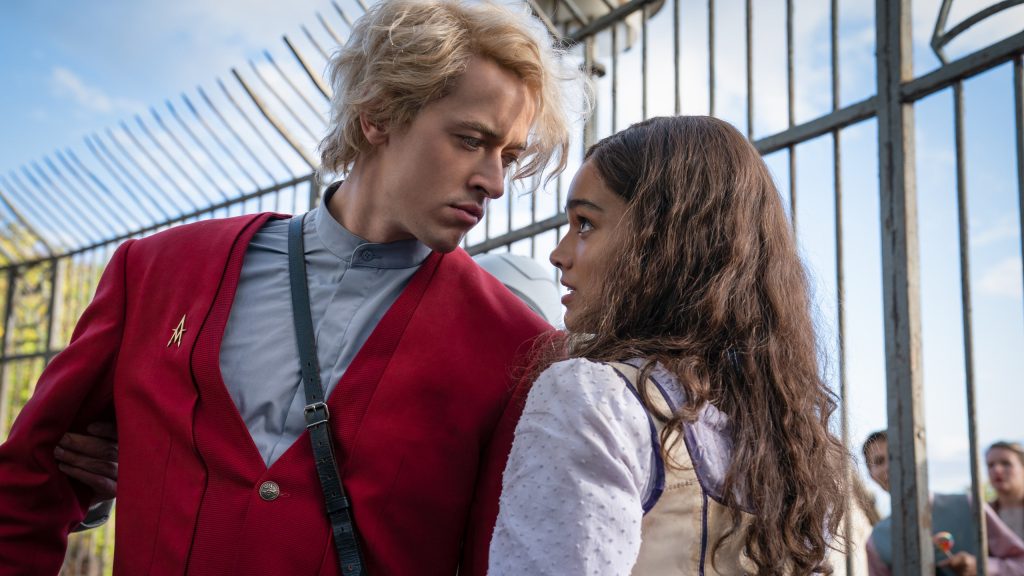
I wasn’t expecting to like this prequel to The Hunger Games as much as I did, which follows a young Coriolanus Snow (Tom Blyth) on his path to political power, the villain devilishly played by Donald Sutherland in the other films. Francis Lawrence returns in the director’s chair, having directed all of the previous entries bar the first. The Hunger Games: The Ballad of Songbirds and Snakes is an excellent adaptation and quite possibly the most mature film in the series to date. Lawrence does a great job of showcasing the more outright barbarity of the games, which are minimalist and lack the polish and pizzazz of future arenas. In fact, the games in this film are set in a literal arena, rather than the forest or tropical settings of The Hunger Gamesand Catching Fire. Knowing Lucy Gray is unlikely to win, Snow suggests revisions to the game structure, such as sponsorship, to improve her chances, while simultaneously propelling the games as a spectacle to increase viewership. I really admired the film’s more cold-blooded tone and its deeper dive into Snow’s character, especially in the film’s third act, which many seem to have taken issue with.


So there we go, numbers 20 down to 11. Stay tuned for the Top Ten in a separate post…


What are your thoughts? Let me know in the comments or tweet @TheFilmMeister

Every Christopher Nolan film ranked from worst to best

Rankings

With Christopher Nolan’s latest film Oppenheimer playing in cinemas,  it’s time to revisit my ranking of the auteur’s stellar filmography. Along with Quentin Tarantino, Nolan is my favourite director working today, both consistently making thought-provoking, fearsomely original films with neither yet to make ‘a bad film’ to date.  Even when Nolan isn’t firing on full cylinders, his work is still effortlessly striking.

11) Tenet

Tenet plays to Nolan’s strengths with the jaw-dropping visual effects and high-stakes action sequences but also showcases his worst qualities. The high-concept storyline packs plenty of twists and the film requires multiple viewings to truly unpack, but there’s no denying the third act falters in some of its logic and is overly expository. The characters also just generally aren’t particularly well-developed and the film is more an exercise in spectacle and ambition.

Rating: 5 out of 5.

10) Dunkirk

Bodega Bay

Whilst there is undoubtedly a lot to admire in Dunkirk, it also has many flaws. While the aim of having an objective viewpoint is to be lauded, the tone of the film just feels a little off and I struggle to find an emotional response. It struggles to make full use of its scope and the I’d still recommend going and seeing it as it is a story that needs to be told and there are quite a few nice moments but ultimately, the film left me rather cold in its depiction of this momentous event. Also, it is his newest film and I have only seen it once so perhaps it warrants further viewings.

Rating: 3.5 out of 5.

9) Memento

picture_0

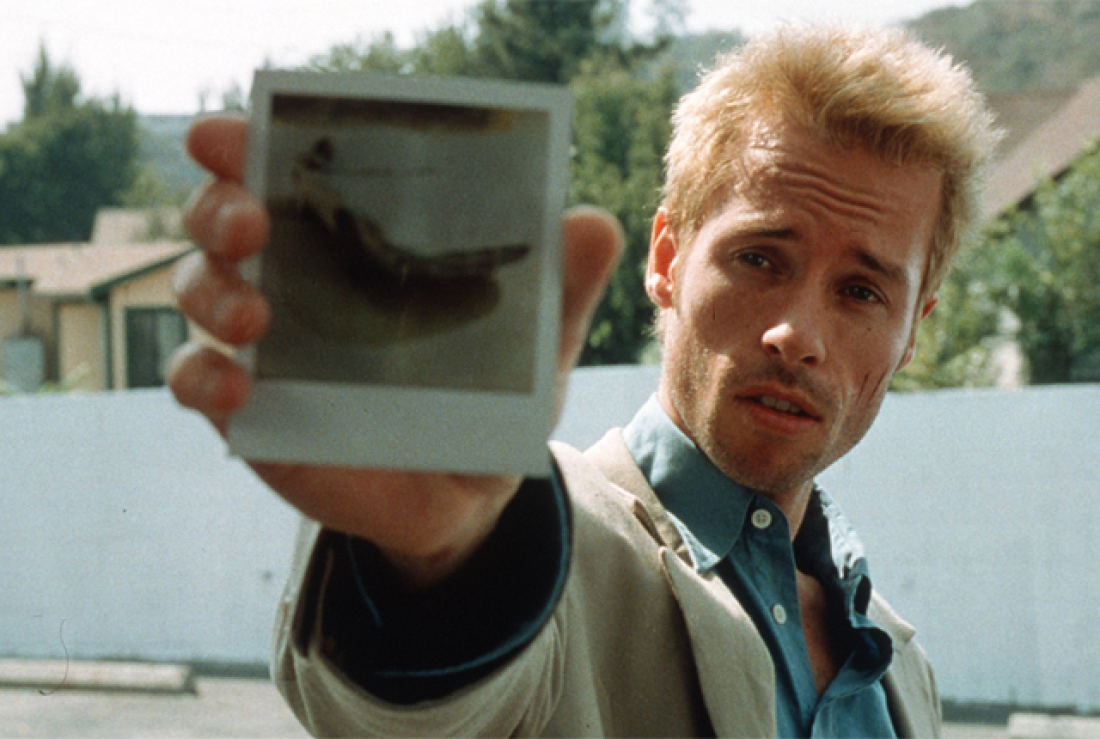
Memento certainly made a statement with its unconventional and bold backwards-storytelling, as well as its experimentation with colour. Guy Pearce is terrific as the amnesiac Leonard and the film barrels towards a tragic and seriously intelligent conclusion. 

Rating: 3.5 out of 5.

8) Batman Begins

batman-begins

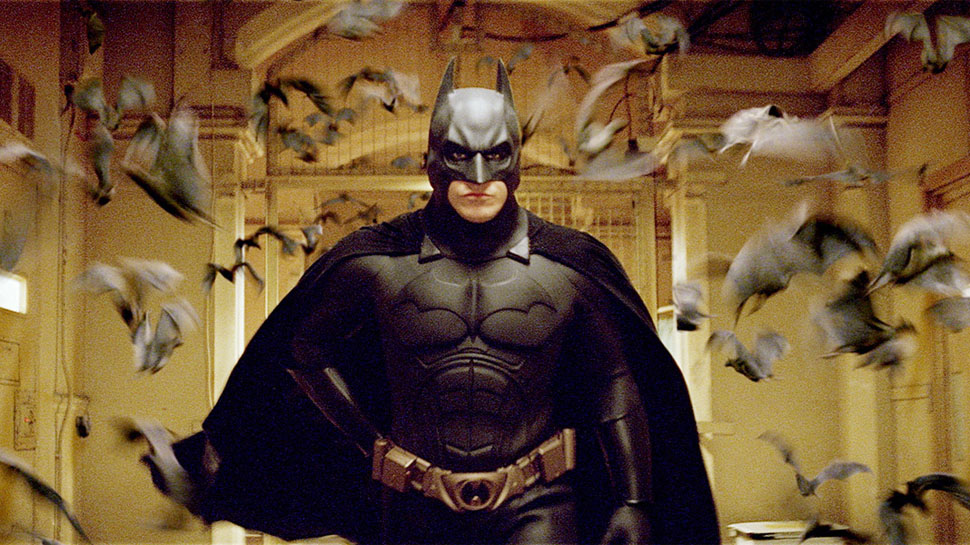
The film that kick-started the Dark Knight trilogy and propelled Nolan into the mainstream set an unsurpassed precedent for future comic-book films. Nolan’s decision to frame Batman Begins as an origin story was a first for the genre, as was its sense of realism that granted the superhero more weight. The performances are excellent across the board and Liam Neeson’s villain particularly underrated.  Compared to the rest of Nolan’s films, it ranks lower due to its more simplistic plotting.

Rating: 4 out of 5.

7) Insomnia

still-of-al-pacino-and-robin-williams-in-insomnia-2002-large-picture

Wrongly regarded as Nolan’s weakest film, Insomnia is a fantastic film. With excllent performances across the board, particularly Robin Williams in an atypical villainous performance,  Nolan effortlessly invokes a sense of paranoia and regularly questions the morality of the character’s decisions.  One also has to remember Insomnia is a remake, so for it to not just be good, but great is no short feat.

Rating: 4 out of 5.

6) The Dark Knight Rises

maxresdefault

An underrated trilogy closer, The Dark Knight Rises is a far more conventional comic-book film that provides a fitting and tension-fuelled closing arc for Christian Bale’s Caped Crusader. Tom Hardy’s Bane is the antithesis of Heath Ledger’s Joker in that he is a physical villain and the film ramps up its nihilistic destruction of Gotham City in a riveting fashion for its almost three hour run time.

Rating: 4.5 out of 5.

5) Interstellar

interstellar-thm_

Interstellar is pretty much perfect for most of its lengthy 168 minute run time, until it reaches the last half an hour or so which become ridiculously complicated, bamboozling and its last scene a little too neat. But for the most part, Nolan doesn’t put a foot wrong and Interstellar is extremely atmospheric, with some stunning cinematography by Hoyte van Hoytema in his first collaboration with Nolan after departing from Wally Pfister who shot the rest of his preceding films. Matthew McConaughey gives a fantastic performance as the endlessly empathetic Cooper. There’s awe-inspiring shot after awe-inspiring shot, topped by Hans Zimmer’s beautiful score.

Rating: 4.5 out of 5.

4) Oppenheimer

Oppenheimer is a tension-fuelled, thought-provoking minor-key masterpiece and left me stone-cold with its characters haunting deliberations over the consequences of their work. The script is brilliantly written, constantly ramping in tension and Jennifer Lame’s editing is a monumental achievement. Cillian Murphy puts in a career-best performance as the father of the atomic bomb and Robert Downey Jr is another highlight with his slippery, atypical portrayal of Lewis Strauss. The film is beautifully shot by Hoyte van Hoytema and Ludwig Göransson’s score is the glue that holds the film together.

Rating: 4.5 out of 5.

3) The Prestige

edf272d36446daf1885b4b6ba81920ecf57e1fcff50ef5c673be21ab4b9be3eb

A perfect film, The Prestige is a dramatic masterclass that’s smaller in scale than the films he would go onto make. Hugh Jackman and Christian Bale both give tremendous performances in the lead role and the late David Bowie also stands out in a small role as Tesla. The film has many revelatory twists and features one of my favourite twist endings.

Rating: 5 out of 5.

2) The Dark Knight

heaths-joker-300x128

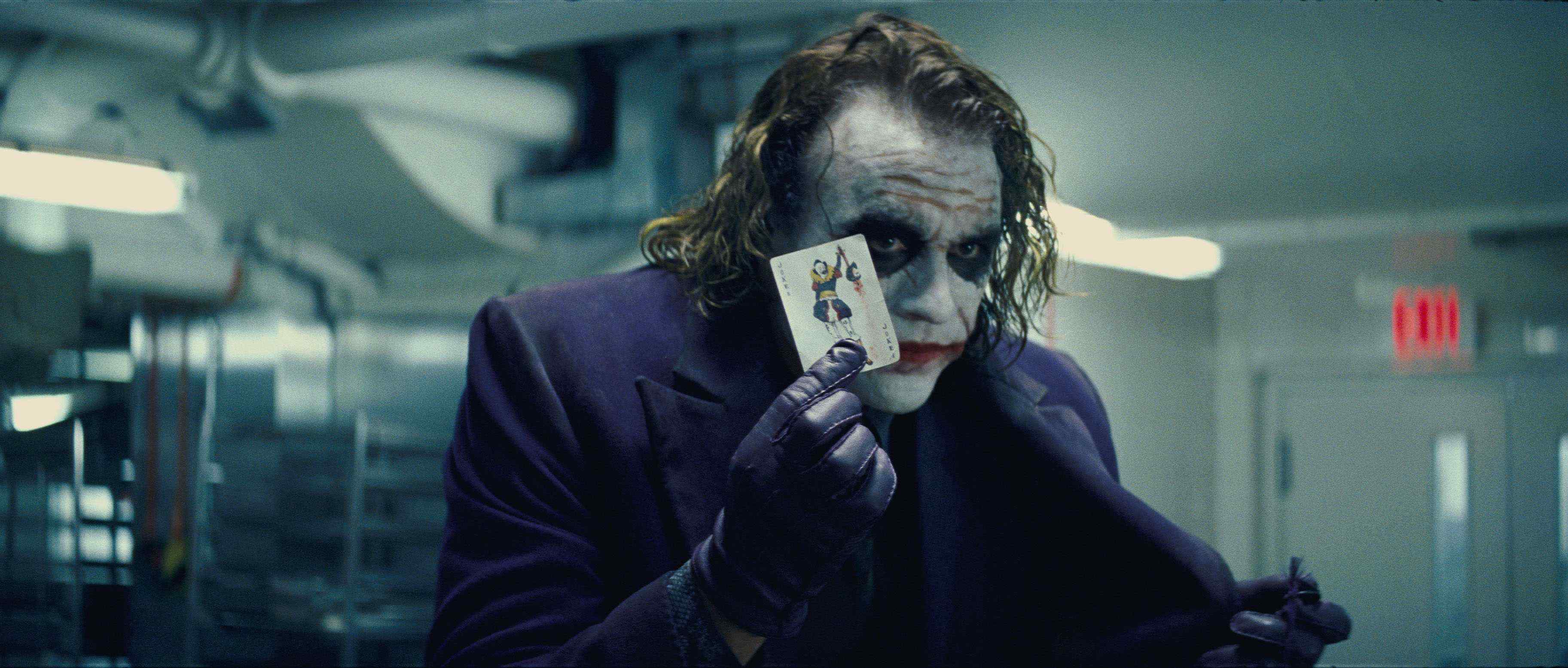
Not only the best comic-book film of all time, but also one of the best crime films, Nolan continues his quest for superhero realism. Heath Ledger’s performance as The Joker is nothing short of incredible and the film moves from one action sequence that’s stood the test of time to another. It still is a staggering achievement.

Rating: 5 out of 5.

1) Inception

ba6a05d604045e7077b7c58ae02deb4a33f32dc2

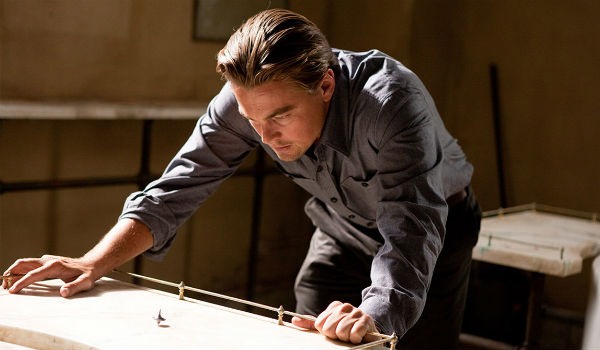
An incredibly layered and influential effort, Inception is breathtaking throughout and quite possibly, my favourite film. Nolan proves blockbusters can be smart and treats his audience intelligently. With an ending that continues to be debated, the performances are terrific across-the-board and many of the images will sear into your brain. I don’t think Nolan’s crowning achievement will ever be topped.

Rating: 5 out of 5.

What are your thoughts? Let me know in the comments or tweet @TheFilmMeister

Every Insidious film ranked from worst to best

Rankings

Insidious: The Red Door is currently playing in cinemas and the series has come a long way since the 2011 original, which earned a very healthy $100 million on a modest $1.5 million budget. Insidious was the third horror collaboration between director James Wan and writer Leigh Whannell, whose then-back catalogue included Saw and Dead Silence.

Insidious followed the Lambert family who battle a paranormal presence when the oldest son, Dalton (Ty Simpkins) falls into a coma. Chapter 2 was a direct sequel to the original, whereas both Chapter 3 and Insidious: The Last Key were prequels that primarily focussed on psychic paranormal investigator Elise Rainier (Lin Shaye) in favour of the Lambert’s. Insidious: The Red Door picks up nine years later after the events of Chapter 2 and is supposedly the final installment, providing audiences closure on the Lambert family.

With the exception of Insidious: Chapter 3, the four sequels have generated a mixed-to-negative critical reception, although they’ve been better received by audiences.

It’s impressive that even after five films, there hasn’t been one outright disaster. Most horror series tend to decline in quality far quicker, although there are certainly three films in the series of significantly greater quality than two of them. Here’s my ranking of the series.

5) Insidious: The Last Key

The weakest entry in the series by some distance, The Last Key is set between Chapter 3 and the original. Adam Robitel is in the director’s chair and does an admirable job but doesn’t have the skill in crafting tension like Wan and Whannell can. The film begins with a powerful extended sequence which introduces and explores Elise’s difficult childhood and dysfunctional family. Unfortunately, the rest of the film never lives up to the strong opening and its mechanical jump scares are dismally second-rate. On the plus side, Lin Shaye makes for a reliable lead and there’s some good performances from Tessa Ferrer and Josh Stewart as her parents, as well as Bruce Davison as her younger brother.

Rating: 3 out of 5.

4) Insidious: The Red Door

The latest (and supposedly final film) in the series, Insidious: The Red Door returns to the Lambert family and is the directorial debut of actor Patrick Wilson. The film opens on the funeral of Lorraine Lambert (Barbara Hershey) and we learn that Josh (Patrick Wilson) and Renai (Rose Byrne) are now divorced. It’s time for Dalton (Ty Simpkins) to head to college and Josh decides to take him to try and heal their strained relationship, only for their supernatural past to rear its ugly head once again. Wilson’s directorial debut is a mixed bag – it’s quite different from its predecessors in that it’s a drama film at its core rather than a horror. He crafts a gripping family dynamic and takes his time with the characters, the first two acts a slow burn that deftly explore the theme of generational trauma. Once again, there’s some excellent performances, particularly from Simpkins, Wilson and newcomer Sinclair Daniel. Unfortunately, the film falls short in its sudden rush to the finish and the film falling short as a horror. This is by far, the least scariest film in the series and it also frustratingly seems to undermine the previous film’s logic as to how The Further operates. While Insidious: The Red Door has more than its fair share of problems, there’s still plenty to admire here and I’m glad Wilson took a risk.

Rating: 3 out of 5.

3) Insidious: Chapter 2

Insidious: Chapter 2 received mixed reviews on its release and granted, it does lose some of its originality that the first film had but there are still some top rate scares here and a very interesting storyline, which returning director James Wan prioritises over the horror. Picking up immediately after the original, Chapter 2 successfully expands the mythology and framework of The Further which the series would then go onto develop even more. Patrick Wilson turns in an entertaining performance as the possessed Josh, riffing on Jack Nicholson’s Danny Torrance in The Shining.

Rating: 4 out of 5.

2) Insidious: Chapter 3

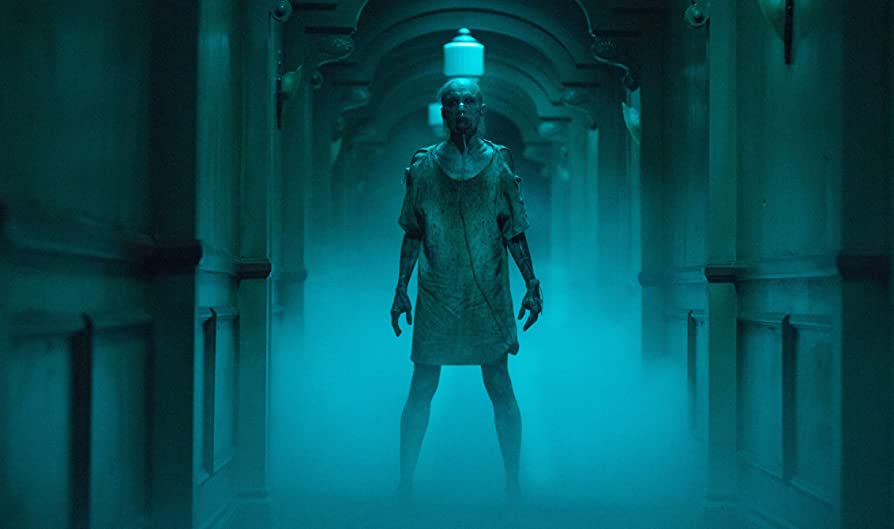
An underrated sequel, Insidious: Chapter 3 represents then-writer Leigh Whannell’s directorial debut, who would then go onto make Upgrade and The Invisible Man. Whannell decides to opt down the prequel route and focus on a new family, the Brenner’s. Quinn (Stefanie Scott) is grieving the death of her mother and despite a warning from Elise to exercise caution, is stalked by a dark spirit wearing an oxygen mask, known as The Man Who Can’t Breathe. It’s an assured effort from Whannell, who crafts some memorable scares and oddly empathetic villain who, in my opinion, is the most effective of the series. It’s also got surprising thematic depth with its emotive exploration of death and familial loss.

Rating: 4 out of 5.

1) Insidious

The film that started it all is the best and although Insidious seems to begin as a somewhat conventional supernatural horror (albeit with quality jump scares), James Wan deftly takes his time before unearthing the supernatural elements in the second and third acts, while packing in some intelligent twists and turns. It’s a thrilling horror that flips the haunted house horror convention on its head by revolving the haunting around a person. The Lambert family are well-developed and are smart characters, unafraid to leave the house or turn a light on. Wan’s variation of jump scares is particularly impressive, especially his ability to unleash horror on the family in broad daylight, something the majority of horrors are guilty of avoiding.  

Rating: 4 out of 5.

What are your thoughts? Let me know in the comments or tweet @TheFilmMeister