Director: Todd Phillips Starring: Joaquin Phoenix, Robert De Niro, Zazie Beetz, Frances Conroy, Brett Cullen, Bill Camp, Shea Whigham, Brian Tyree Henry Certificate: 15 Run Time: 122 mins
Joker is the highly anticipated comic-book villain origin story that has proved rather controversial to both audiences and critics in many respects. This film is separate to the mainline DCEU and stars Joaquin Phoenix as the crazed clown whose devastating story is captured here. Phoenix plays Arthur Fleck, a down-on-his-luck, mentally challenged individual who lives with his mother and is shunned by society. As circumstances in his life start to deterioriate, Fleck gradually morphs into the iconic villain.
Joker has had an interesting route to the screen since its inception. Choosing to sidestep Jared Leto’s rendition of the character in the ill-receivedSuicide Squad, director Todd Phillips has chosen to make the film based on an original idea that departs from the conventions of the comic-book genre, opting to create a character study and shy away from big-budget action sequences. Phillips is not at first an ideal fit for this film, having come from a comedic background and his fame has mostly come from the terrible The Hangover trilogy. But his clear inspirations from the works of Martin Scorsese (who did have some input initially before leaving to work on The Irishman) films such as Taxi Driver and The King of Comedy are an interesting diversion to the character that has had many tales on the screen.
Joker is enthralling from start to finish and is one of the best films of the year. Phoenix is mesmerising as Arthur and is strangely sympathetic as a character who doesn’t know the difference between right and wrong and commits some despicable acts. Phoenix really becomes the Joker in the last 20 minutes of the film or so and this is particularly effective and it’s astonishing to chronicle the difference in the character from the start of the film to the wicked monster we get at the end.
What also elevates Joker from more standard comic-book fare is how it proposes so many different meanings and interpretations. This is a film that requires multiple watches to really get the full picture. Phillips interrogates many interesting themes, the most interesting of which is his depiction of mental illness and the questioning of how society tackles this problem.
The string-based score by Hildur Guðnadóttir is hypnotic and compliments the film beautifully, doing a lot of heavy lifting in places. It’s one of the best scores of the year. The film is also beautifully shot by Lawrence Sher, who manages to capture the grittiness of Gotham City and juxtaposes it with the neon, pulsating urbanisation.
The film isn’t quite perfect though. As is clear in all of Phillips’ career, he’s not the most subtle director and there are a few instances in which Phillips chooses to explain certain choices which were pretty self-evident. I’m also a little unsure of the film’s final scene tonally and thought the film could have ended a scene earlier but based on some critical readings that have been put forward, it is admittedly necessary.
Ultimately, Joker is an unqualified success and another stellar retelling of the iconic character. I think Heath Ledger is still my top pick in so much that his origin is unclear and this makes him an all the more interesting cipher. There are hints with Phoenix’s character that what we are watching may not be accurate too though. There are so many standout scenes here that are just stunning to behold. Joker is one of the best films of the year and it will be interesting to see if it gets considered for Awards in the upcoming season, especially given how divisive it has proven to be.
Although rather late, I am finally ready to share my usual mid-year report of the Top Ten Films of 2019 so far. As is to be expected, there are still a few films that I am still yet to see but I have tried to get through all the films that I have been looking forward to or the films that reviews have been good for. As usual, I am following the UK release date calendar between January and June. As you are about to see, there are some Awards films included in this list but these have all been released within this time period in the UK.
Honourable Mentions
As always, there are a handful of films that didn’t quite manage to make it into the Top Ten. They all had their specific problems, but the reason why I feel they should be listed is because I found them all to either be entertaining, heartfelt or have some very interesting ideas even if they didn’t quite make it into the Top Ten. As I feel they deserve a mention, I will list them below:
– Extremely Wicked, Shockingly Evil and Vile
– Ma
– Birds of Passage
– Captain Marvel (Review here)
– Shazam!
Top Ten Films Of 2019 – Mid Year-Report
10) Polar
I’m sure for many a controversial choice, Polar got absolutely trashed by critics in its reviews. A Netflix Original, Polar is a revenge thriller in the vein of John Wick and Taken with Mads Mikkelsen playing the action hero with spectacular results. The film is utterly bonkers and what is impressive how it manages to balance sheer grittiness, often at the same time. The decision to cast Matt Lucas as the over-the-top villain is a stroke of genius and the result is a film that I really got on board with.
9) Can You Ever Forgive Me?
I generally can’t stand Melissa McCarthy but this is the film for me where she proves herself and she is just magnificent as a down-for-luck author who starts forging letters by famous writers and selling them. Richard E. Grant is also brilliant as her new friend who is battling his own demons. Director Marielle Heller clearly has respect for these characters and deftly balances laugh-out-loud moments with some touching and emotional character development too. The script is really sharp and allows both McCarthy and Grant to play off each other consistently.
8) Us
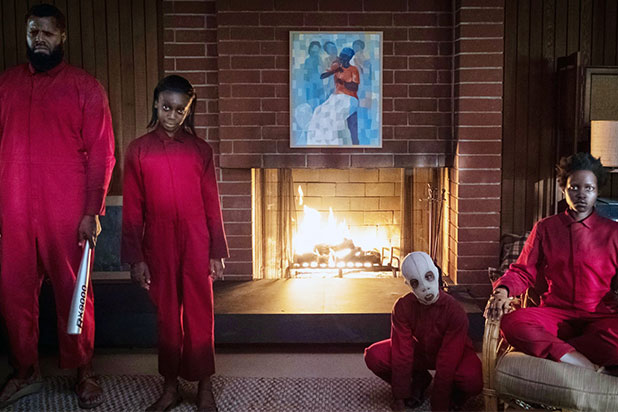
Us is an ambitious sophomore effort from Jordan Peele and although it doesn’t reach the heights of Get Out, this is a cryptic and atmospheric horror film that is full of originality. Peele deals with some heady themes of duality and race and intentionally makes some of the metaphorical meanings in this film ambiguous. The film can be interpreted in a number of ways and further viewings allow this film to be unpacked even more. This is a really interesting film from Peele and even if it doesn’t always succeed, one has to admire the ambition.
7) John Wick: Chapter 3 – Parabellum
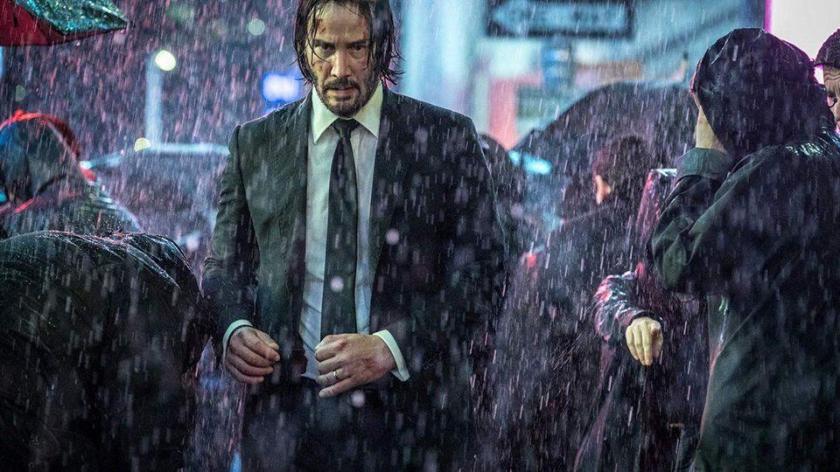
John Wick: Chapter 3 – Parabellum is a very strong entry in the franchise. Chapter 2 was good but it did feel a little repetitive and lost some of the charm from the first film. This third chapter is a step-up that almost reaches the heights of the first film. The fight choreography is wonderful and particualrly in the first half, it is amazing how much variation in the types of action Stahelski portrays. Keanu Reeves is on top form again and the film furthers the mythology the first two films explored in the criminal world the titular character finds himself tied in. Visually, the film is gorgeous as well, cinematographer Dan Laustsen capturing the neon, visceral quality beautifully. The film ends in a place where further sequels could happen but if the series stopped here, this would be a great trilogy.
6) Boy Erased
Boy Erased is the sophomore effort from actor-now-director Joel Edgerton whose debut The Gift was a masterpiece. Boy Erased is a completely different film and is a drama about a teenager who is forced to undergo homosexual conversion therapy program. The cast are all excellent, Lucas Hedges gives a nuanced performance as the conflicted main character and Russell Crowe is a standout as his authoritarian and religious father. Joel Edgerton casts himself as the head of the program and he is a particularly sinister and nasty piece of work. The score by Danny Bensi and Saunder Jurriaans is fantastic and the film is visually dark and gloomy. Boy Erased is another success from Edgerton and it will be interesting to see where he goes next.
Now into the Top Five…
5) Triple Frontier
Triple Frontier is the latest from director J. C. Chandor, who previously made A Most Violent Year which I really liked when it first came out and upon further viewing, I now deem to be a masterpiece as it is a film rich with layers, a terrific narrative and conflicted characters. My expectations were very high for this film, a crime heist thriller with Ben Affleck and Chandor reuniting with Oscar Isaac. This is another excellent film by Chandor and it successfully takes what can be a rather conventional genre into a new direction in the way it explores certain themes and the repercussions the heist has on the group. The score by Disasterpeace is intense and the film looks visually sharp. I was engrossed by the film throughout and Chandor manages to sustain the tension throughout.
4) Green Book
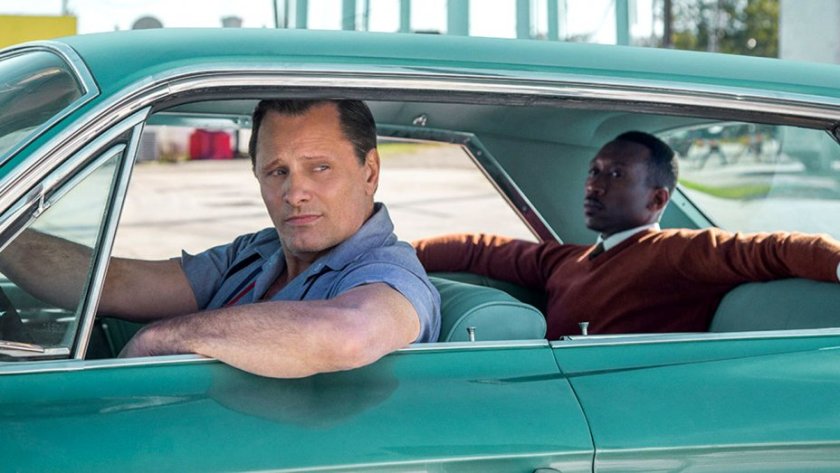
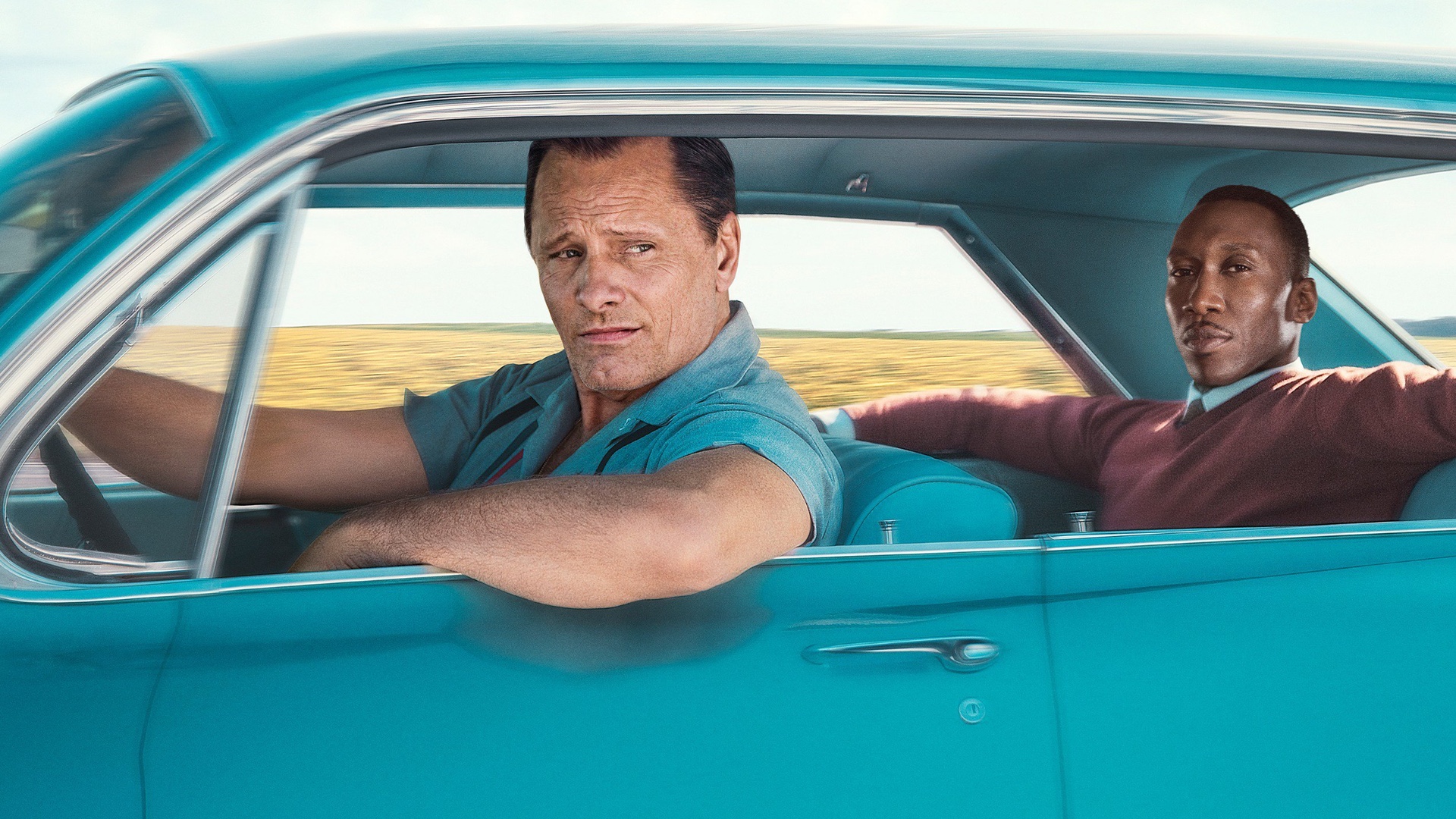
Green Book is a thoroughly enjoyable film with some outstanding performances from both Viggo Mortensen and Mahershala Ali. The script is sharp and provides some fascinating insights into America’s prejudice culture and racism of the time. The interplay and relationships between characters is also excellent, who I really got on board with from the start. It is well-directed by Peter Farrelly and fantastically paced. Green Book provided a controversial win at this year’s Oscars as it ultimately took the coveted Best Picture gong. Whilst I really like it as a film, the controversies surrounding how it represents race and ethnicity are valid. It is unashamedly a white saviour narrative and the film does perpetuate stereotypes. These are questions that come up after watching the film and although it does somewhat tarnish the quality of the film, I’d be lying if I said I didn’t really enjoy Green Book. (Full review here)
Now into the Top Three…
3) The Mule
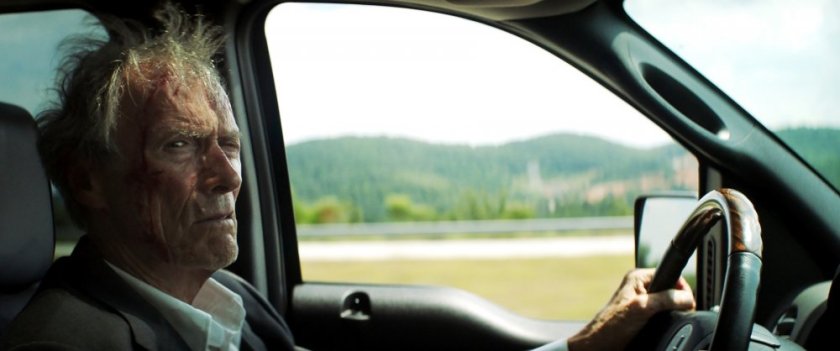
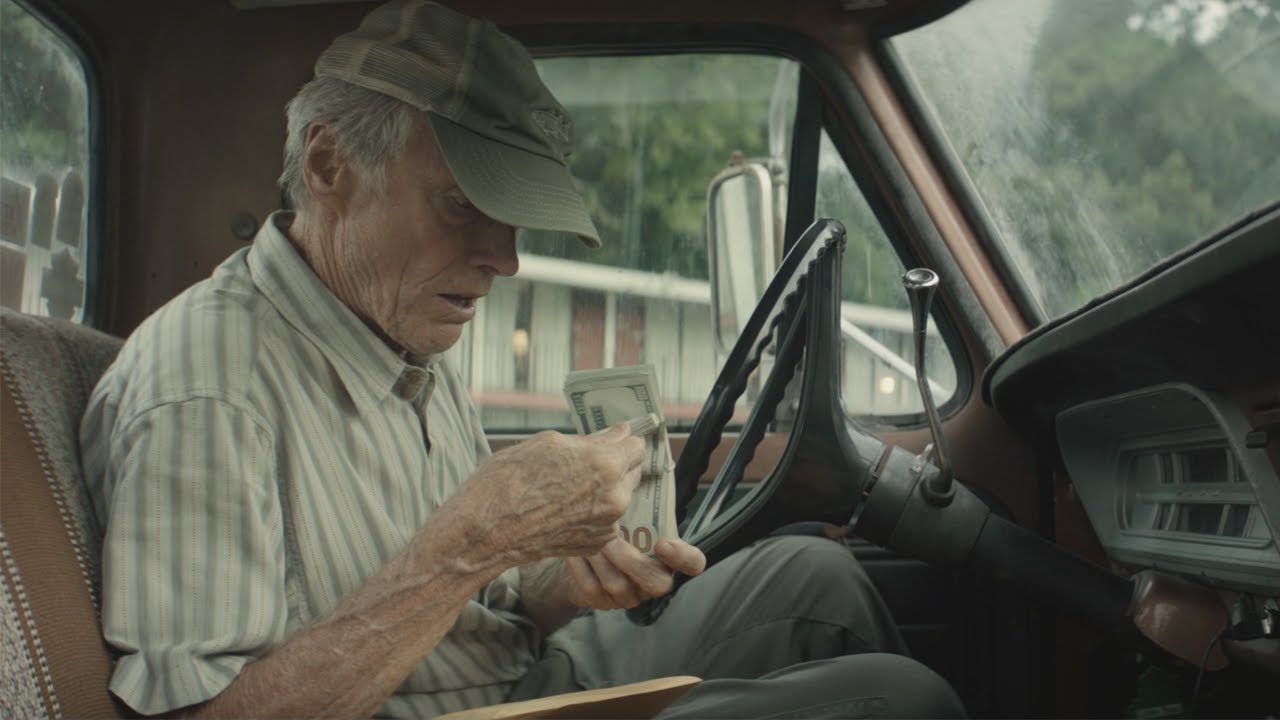
The Mule is a gripping film that ramps up the tension throughout its run time and has a commanding, grizzled performance from Clint Eastwood. Eastwood has played this type of gruff character many times throughout his impressive career but it still works, particlarly when paired with the fascinating story. The film also teaches some well-intentioned messages and morals and there’s an admirable relationship within Stone’s family that felt authentic and also the relationship between Eastwood and Bradley Cooper’s DEA agent. I also really liked how Eastwood humanized the drug cartel members which results in some memorable characters for Eastwood to interact with. In fact, the script by Nick Schenk, who also wrote Gran Torino which is another excellent Eastwood film, is razor-sharp and efficiently paced. Much like The Old Man and the Gun, another recent release which tackles many of the same themes as this film, The Mule interrogates the existential themes of what makes Eastwood’s character work and why he continues to work for the cartel when he knows what he is doing. (Full review here)
2) Glass
Glass is an excellent end to this trilogy and mostly represents M. Night Shyamalan at his best – it is pretty much a knock-out. Shyamalan develops these characters extremely well, furthering their character arcs and subverts expectations, for better or worse for some viewers. It is very cine-literate and further deconstructs the generic constructs of the superhero genre and offers some fascinating commentaries on these. As is to be expected, there is a Shyamalan twist and it does undo the good work a little as it isn’t one of his best twists but if you can buy into the film’s central conceit beforehand, it really is excellent. As with a lot of Shyamalan’s filmography, it would be very easy for one to laugh and sneer at this film, as the film walks a fine line. The performances are uniformly excellent, with Bruce Willis and Samuel L. Jackson standing out. Technically, Glass succeeds in spades too. The score is outstanding, West Dylan Thordson returning from Split and successfully melding both past themes whilst creating some memorable new ones. DP Mike Gioulakis is also great and there are numerous shots which are just a work of art to look at. I sincerely hope that in a few years time, this film will be reassessed as it’s been really unfairly recieved. (Full review here)
So the best film of the year is…
1) Dragged Across Concrete
S. Craig Zahler does it again. His first film, Bone Tomahawk reached very highly in my 2016 list and his second, Brawl In Cell Block 99 took top honours in 2017. Dragged Across Concrete is another wonder from this top director. Mel Gibson and Vince Vaughn are both brilliant as two policemen who are suspended after brutally treating a suspect and take matters into their own hands. Tory Kittles is also great as a recently released man who reunites with his family and finds himself intertwined in this case. There are also small roles from Zahler-regulars Fred Melamed, Udo Kier and Don Johnson. The script is once again fantastic and the film deals with the themes of wealth and righteousness very assuredly. Dragged Across Concrete foregoes some of Zahler’s usual ultraviolence and there is nothing here that rivals the violence in his first two films – bear in mind though the film still has an 18 certificate. But instead, this is an equally well-developed narrative that is fascinating throughout and the third act is well-worth the interesting build-up. I think Brawl In Cell Block 99 remains Zahler’s best film but this is another winner and it will take quite a lot for something to top this.
Reflection on 2019 so far…
2019 has been another solid year in terms of film and a definite step-up from 2018’s mid-point which wasn’t a particularly strong selection. Most films so far this year have either been pretty solid or above average but there have been a couple of unexpected stinkers.
Godzilla: King of the Monsters was a real disappointment that after a strong opening turns into a turgid mess in its languorous run time. Hellboy was an outright disaster that undermined Guillermo Del Toro’s brilliant first two films. The Highwaymen was a total bore. But the worst film of the year so far that I have seen is ironically written by S. Craig Zahler who also directed the best film. Puppet Master: The Littlest Reich should have been so good on paper and it has a brilliant first scene with Udo Kier. But the rest of the film is just terrible.
Other than these examples, everything else has been at least watchable. I’d be very happy if my end of year list included these films again as they’re all very worthy. Here’s hoping for another strong second half of the year.
What’s Next…?
2019 looks set to continue to be a great year in film and just listing a couple of films that look like they have potential include:
– Midsommar
– The Lion King
– Spider-Man: Far From Home
– Once Upon A Time… In Hollywood
– Crawl
– Scary Stories To Tell In The Dark
– It: Chapter Two
– Ad Astra
– Joker
– Offical Secrets
– Terminator: Dark Fate
– Monos
– Doctor Sleep
– Sorry We Missed You
– Ford vs Ferrari
– Them That Follow
– Knives Out
– Motherless Brooklyn
– Jumanji: The Next Level
– Star Wars: The Rise of Skywalker
However, it is important to note that this is not a definitive list and these titles are just a few picks scattered across the remainder of the year that have piqued my interest.
What are your thoughts? Tweet @TheFilmMeister or leave your ideas in the comments
This is the second part of my Best Films of 2018 feature detailing my Top Ten films. Click here to read numbers 20 to 11 and the Honourable Mentions.
Without further ado, here are my Top Ten films of 2018:
10) All The Money In The World
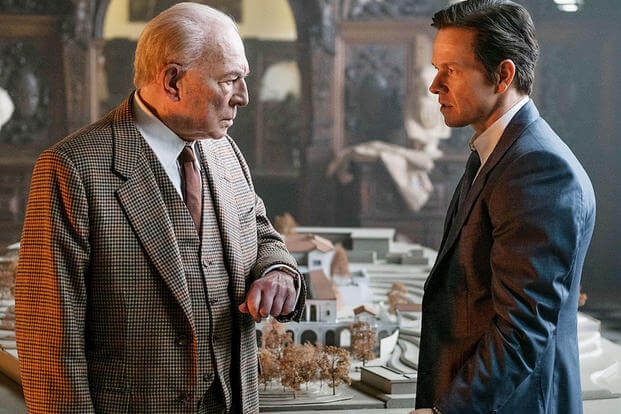
All The Money In The World is overall, immensely enjoyable and a fun potboiler. It is frequently gripping and is propped up by the brilliant cast. Scott has had a varied career, Alien and Blade Runner at his peak, Kingdom of Heaven and Robin Hood at his worst and then, many of his films fall in between with ambitious ideas but not necessarily great execution a la Alien: Covenant. All The Money In The World ultimately proves to be one of Scott’s best films and proves that with the right script and the right cast, he can still churn out greatness. Last-minute replacement Christopher Plummer is excellent as J. Paul Getty, as is Michelle Williams as her kidnapped son’s mother who just wants him back but cannot afford the hefty ransom. Although the film will be remembered for its behind-the-scenes shake-up with Kevin Spacey, the film is fantastic in its own right and should be viewed as such. (Full review here)
9) Last Flag Flying
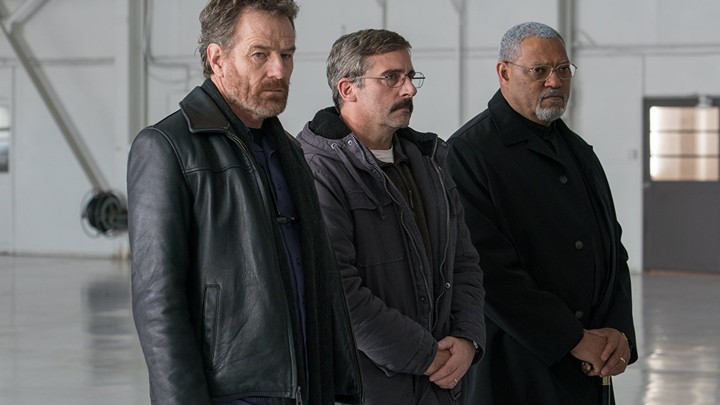
Last Flag Flying really knocked me back. Boyhood director Richard Linklater has crafted a bittersweet and warm tale of friendship and coming to terms with loss that is very mature. Yet, the film also has bite in its conflicted commentary of military service and patriotism. The performances by the entirety of the cast are superb and of course, the trio of Steve Carrell, Bryan Cranston and Laurence Fishburne have such good chemistry together. All of the characters are so well developed that when the film finished, I could have easily watched another two hours of these characters interacting with each other. They are all morally flawed individuals, who have all made mistakes in the past but they all have good intentions. It’s a brilliant film and one that I highly recommend seeking. (Full review here)
8) In The Fade
In The Fade is a return to form for German-Turkish director Fatih Ahkin and is a moody yet contemplative insight into the degradation of Diane Kruger’s main character following the death of her husband and her son in a neo-Nazi terrorist attack. The film transitions seamlessly from courtroom drama to a meditative thriller and the whole experience is edge-of-your-seat. The score by Queens of the Stone Age frontman Joshua Homme is excellent and compliments the film beautifully. In The Fade is a hard but necessary and rewarding watch.
7) Widows
Widows is an intelligent, taut and well-constructed piece that not only succeeds as a basic heist film, but it has a lot to say on the themes of gender and politics. The cast are uniformly brilliant, Viola Davis leading the pack with ease and swagger. The standouts are Michelle Rodriguez, who plays against type as one of the widows and Daniel Kaluuya as Jamal’s menacing mob enforcer brother, also playing against type as his past characters have had a sense of morality. McQueen delivers on the more basic elements of the genre in spades, the heists gripping and tension-filled and the action sequences equally satisfying, given that his previous filmography hasn’t featured this. Coupled with American Animals (13th in this ranking), the heist genre has had a strong year. (My original review here)
6) Lady Bird
Lady Bird, the directorial debut of actress / writer Greta Gerwig, is a beautifully humane coming-of-age story of a teenager whose strong personality conflicts with her mothers equally volatile temper. It makes for a fascinating character study, containing plenty of scenarios and vignettes that run true to many home experiences of growing up. Gerwig’s script is particularly polished, mostly avoiding cliche, which keeps the story fresh and makes for a deeply personal insight into the film’s setting of Sacramento, where Gerwig herself grew up. (Full review here)
5) Phantom Thread
Phantom Thread represents yet another high for director Paul Thomas Anderson and is a fantastic note for Daniel Day-Lewis to go out on, should this in fact be his swansong. It makes for a masterful character study and a real treat for cinephiles. Two thirds of this film is pretty much note-perfect but I’m still a little unsure of the direction the film takes in the third act but I am definitely more on-board with it than on first watch. (Full review here)
4) The Shape of Water
The Shape of Water is a beautiful triumph from Guillermo Del Toro, who once again successfully interweaves and juxtaposes the supernatural to reality. Del Toro has clearly been inspired from The Creature from the Black Lagoon, a film that he wanted to remake from a female perspective but wasn’t allowed. As well as this inspiration, Del Toro’s film is a love letter to early cinema which it borrows in some of its tropes and plot points, infused with his darker work on Pan’s Labyrinth and The Devil’s Backbone. I was hooked by the film throughout and it has a lot hidden up its sleeve and like his other films, it earns its adult rating with its sex and grotesque violence. (Full review here)
Now into the top #3…
3) Coco
I really struggled with 2nd and 3rd, but Coco just lost out on 2nd place. Coco is yet another triumph for the animation giant, Pixar, and ranks as one of their strongest works. It is moving, life-affirming and should manage to appeal to both adults and children alike. It also goes without saying that the attention to detail in the animation is second to none, Pixar continuing to elevate animation to photorealist levels. Combined with the excellent narrative and emotional journey this film takes us through, Coco is a film fully deserving of its all praise. (Full review here)
2) Three Billboards Outside Ebbing, Missouri
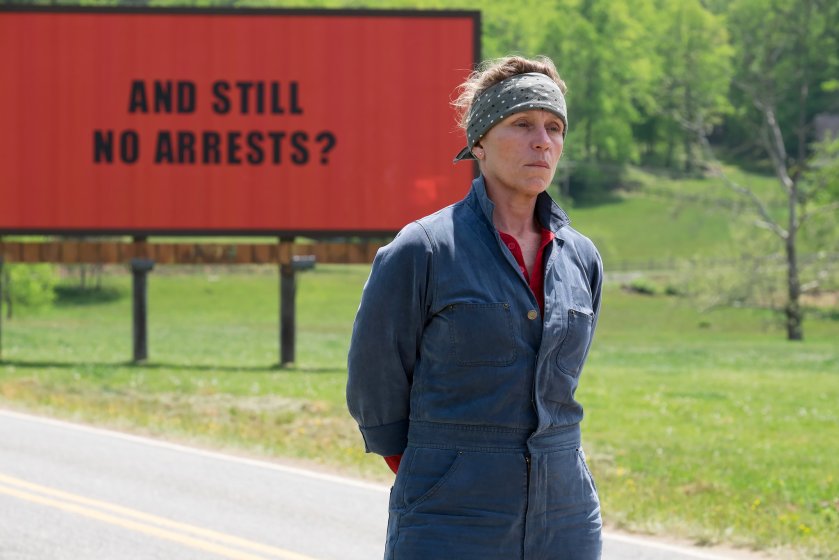
Three Billboards Outside Ebbing, Missouri proves Martin McDonagh’s writing talent again and then some. McDonagh has such a great ear for dialogue in this film and there are so many wonderful exchanges of dialogue between characters. It is frequently comic, always entertaining and what I particularly love about this film, is it takes many unexpected diversions in its narrative. The film leads you to believe a certain plot point will go in one direction, but McDonagh in multiple instances, subverts expectations and this makes this film all the more fresh. There are many moments where I was genuinely in awe and shock. It is a biting drama about murder, investigating and how people have multiple sides to their personality. (Full review here)
So the best film of the year is…
1) Sicario 2: Soldado
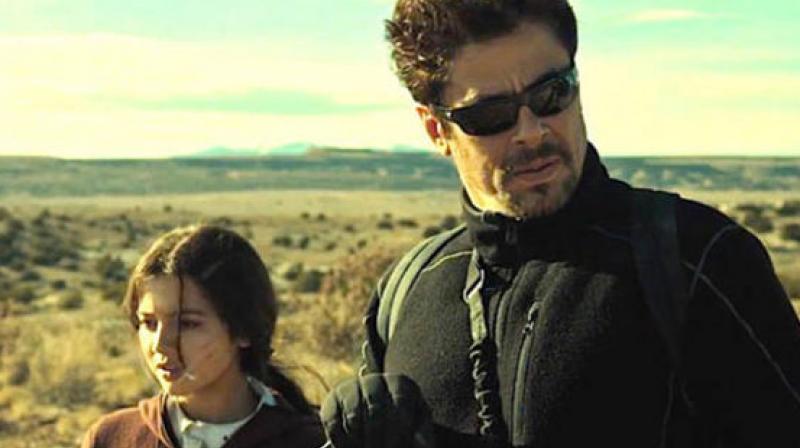
There really was no competition. Sicario 2: Soldado is a masterful sequel and whilst its behind-the-camera talent may not, on paper, be quite as strong as its original, as a film I found it to be better paced and maintains its sharp focus throughout. The first film made a jarring shift in its final third, which although was satisfying, did make the film lose focus a little as the rest of the film follows Emily Blunt’s FBI agent constantly. This is an even more grimy and black picture where characters are morally and ethically bankrupt and there are multiple scenes which are very uncomfortable to watch, in particular an early scene that sets the backdrop for the rest of the film with terrorists blowing up a supermarket. Sollima’s sequel has a rousing commentary on American politics with a Trumpian-like President and the lengths and processes people go to to cross the border. The film gets better on further rewatches and nothing has come close to unseating this film from first position. (Full review here)
So there we go, these films were in my opinion, the best of 2018. What are your thoughts? Let me know in the comments or tweet @TheFilmMeister
Now that we are in full swing of the 2019 films, it’s time to reflect on 2018 and here I share my Top 20 Films of the year. I know that I am very late in the game but there were quite a few films I didn’t get to watch in time and felt that it would be a disservice to generate a list that wasn’t truly reflective of the year. This was generally quite a weak year for film, with many of the big hitters disappointing. A lot of the films that I expected to be great were disappointing and a number of films that were unheard of or those that I initially had little faith in were excellent.
Although my Mid-Year Report only included ten films, this list will include 20 films with some honourable mentions. The rank order has changed a little from the Mid-Year Report on account of rewatching a lot of these films multiple times and some I have found to be more rewatchable than others. So just because a film ranked higher earlier on last year doesn’t necessarily mean this will be the case now – that’s just the nature of the art of film I guess.
Here I rank numbers 20 to 11. The Top Ten will be detailed in a separate post.
Note
I am following the UK release date calendar from January 1st to December 31st hence why a lot of the Awards films do not feature here and why there are some from what may seem like last year.
Honourable Mentions
Here are my honourable mentions, films that didn’t quite make it into the Top Twenty but I feel that they should still deserve a mention. Please note I have listed them in alphabetical order – this is not a ranking of them.
Apostle
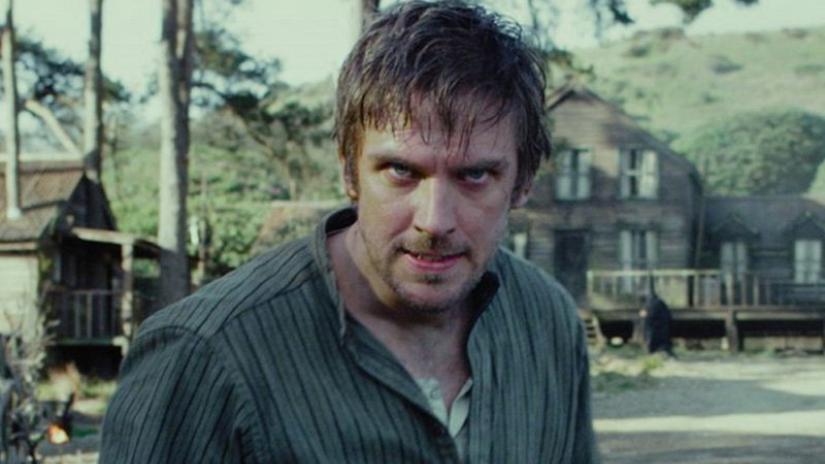
Gareth Evans’ first film after The Raid films is a mature and elegant period horror that is the director at his best. Dan Stevens is very strong as the main character, Thomas Richardson, who sets out to a remote Welsh island to rescue his sister. With clear influences from The Wicker Man, Evans melds the folklore and impending sense of dread with more period detailling and gore aplomb. A shame that this film wasn’t really given the recognition it was due, I think this was mainly down to its unceremenious dumping on Netflix.
BlacKkKlansman
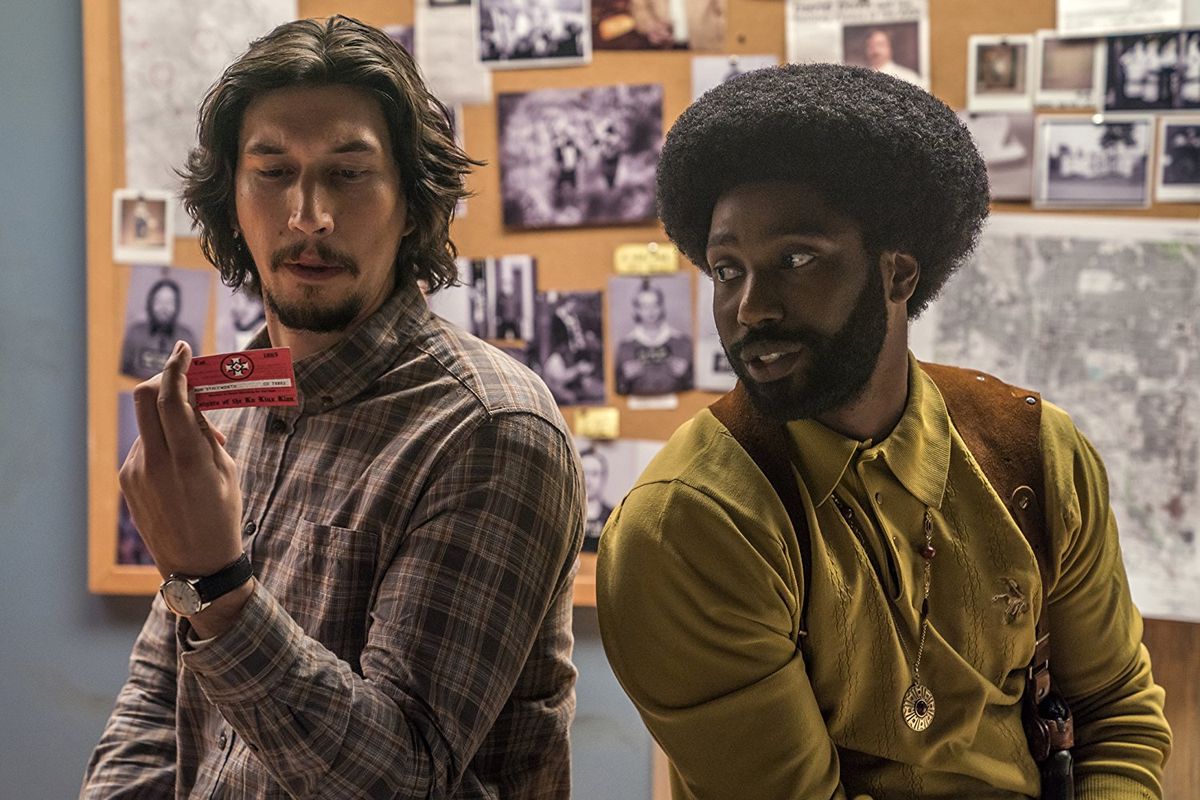
When the main narrative takes centre stage after a self-indulgent opening, BlacKkKlansman is thoroughly enjoyable film in Spike Lee’s filmography. It spins a gripping yarn out of a fascinating story and is bolstered by being technically proficient and having some great performances. Lee interrogates many different themes, chiefly duality between the film’s events and characters and he manages to balance some laugh-out-loud humour with its main message. All of the film’s characters are well-developed, even the KKK members have fleshed story arcs and you do begin to sympathise not with their beliefs, but with their personalities a little which is to be commended. BlacKkKlansman is definitely worth seeking out and most audiences should have a blast with it, as well as discovering and questioning the ways in which America’s society works, but it’s far from perfect. (My original reviewhere)
The Old Man and the Gun
If The Old Man And The Gun is indeed Robert Redford’s swansong, it will be a very good note to go out on. This is an entertaining heist film based on a true story that poses some interesting questions yet deconstructs the generic constructs of the hist film with Redford’s portrayal of an older-aged bank robber with manners, Forrest Tucker, who is oddly charming, feel-good and unthreatening. Director David Lowery’s film is a mature and oddly elegiac study into the psyche of the criminal, as he interrogates existential themes of a man who cannot not commit criminal acts as it makes him tick. This is a fine note for Redford to retire on. (My original review here)
Papillon
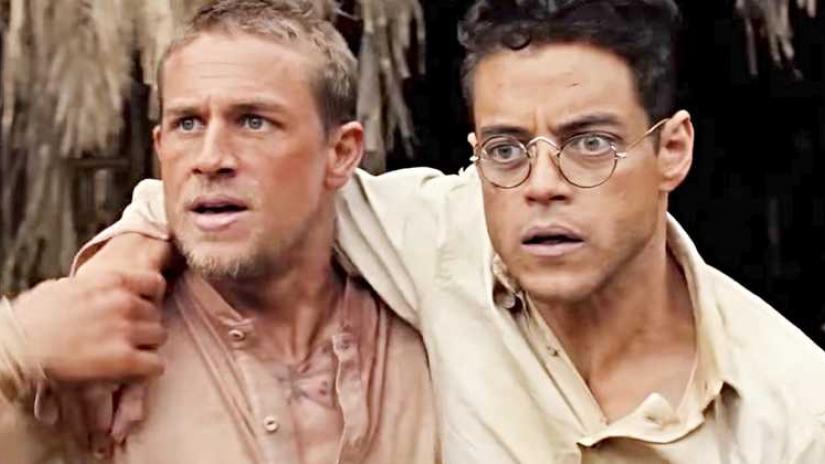
A total surprise that what seemed like an unnecessary remake turned out to be quite this good. Charlie Hunnam and Rami Malek are excellent as the lead two roles and although this remake is quite faithful to the 1973 original, this film packs emotion and thrills in spades. Yorick van Wageningen fares particularly well as the nasty Warden and is clearly having a good time. I was engrossed in the film from start to finish and this is a remake that justifies its existence.
22 July
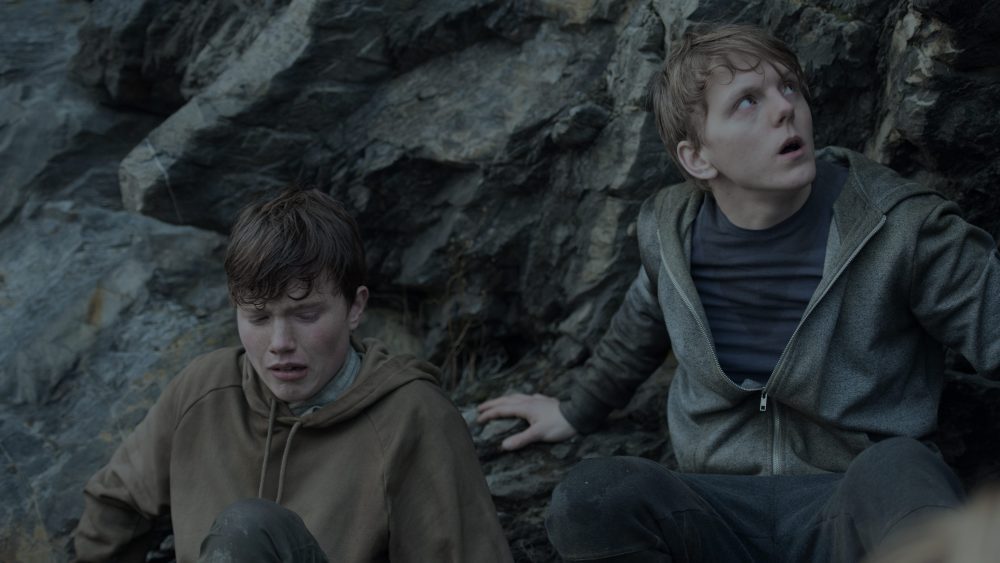
Another Netflix Original, 22 July is possibly one of Paul Greengrass’ best films in a long time. This is a deep delving into the Norweigan attack and the attack that Greengrass recreates is mesmerising and haunting – certainly one of the best extended sequences of the year. Anders Danielsen Lie is terrific as the twisted terrorist who feels chillingly close to the real Anders Breivik. The film does lose a bit of steam in its final act but when it’s at its best, it is mesmerising.
Now onto the Top Twenty:
20) Ant-Man and the Wasp
Ant-Man and the Wasp is just as good as the original and like it, it is full of heart and character-driven moments. Director Peyton Reed further develops the innovative action sequences through the creative variations in size and spectacle in the first film, a car chase fares particularly well. Reed definitely seems to feel a lot more confident this time around, particularly as his direction doesn’t bear the spectre of Edgar Wright, who famously departed the first film. This is aided again by confident performances from the cast all around and the additions of new cast members make the film feel fresh, Laurence Fishburne and Randall Park faring the best. (My original review here)
19) Unsane
The ever-dependable Steven Soderbergh returns with this psychological thriller shot on an iPhone. Unsane stars Claire Foy as a woman who is confined to a mental institution where her alleged stalker reappears. The film revolves around the age-old idea of who is in the right and Soderbergh once again, creates a twisty narrative that had me enthralled pretty much throughout. Foy is excellent and there are good performances by Joshua Leonard and Jay Pharoah here too. The film dips a little in its climax where the narratives becomes increasingly implausible but Soderbergh does a very good job with the vast majority of the film for it to sneak in.
18) Bohemian Rhapsody
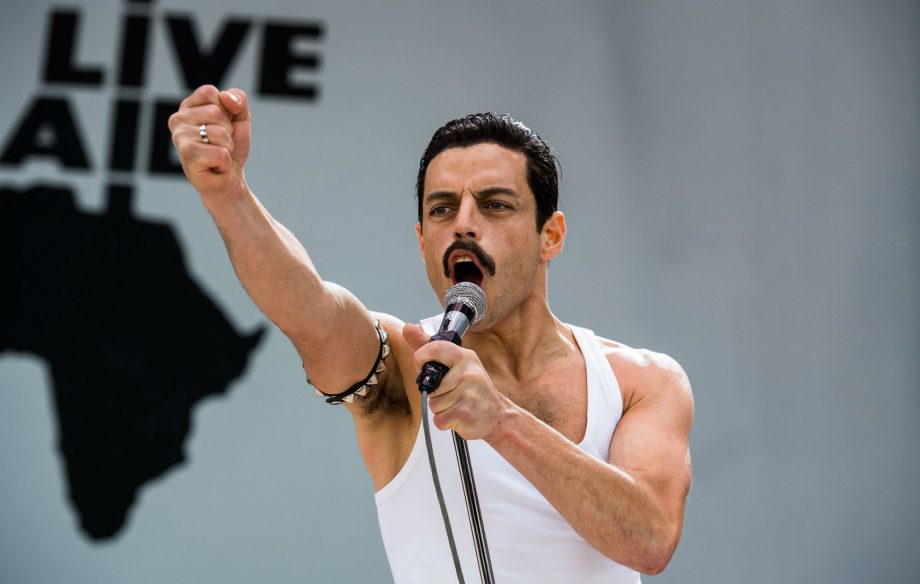
Bohemian Rhapsody is a well-crafted biopic that I was emotionally invested in for much of its running time. Rami Malek’s performance as Mercury is sensational and he completely inhabits the role, through his appearance, speech and mannerisms, capturing the late rock icon to a tee. The performances across the board are uniformly strong and Mike Myers is particularly good in a small role as a slimy EMI executive. Visually, the film looks good, for the most part Bryan Singer-regular, Newton Thomas Sigel’s cinematography is sound and the hair/make up and costuming are convincing, with the exception of Malek’s fake buckteeth at the beginning of the film which are a bit jarring. The film is sensible in its scope in terms of the events it goes through in the space of the 134 minute running time and achieves all the major beats in the band’s history, ending in Queen’s Live Aid performance and Mercury’s AIDS diagnosis. As a Queen fan, I’d have been more than happy to watch more if the film was longer and went into further detail but one must realise this film has to appeal on all levels. Bohemian Rhapsody is a rather sanitised affair though. Considering this is a film about a band that took risks, the film could have interrogated some of the events and the band members a little more perceptively. Unlike many reviews, I found the major mis-step with the film to be the ending Live Aid concert, which goes on for a good 15/20 minutes. Newton Thomas Sigel’s cinematography in this sequence is rather too flashy for its own good, with too many aerial shots and it looks too digitised and the whole sequence almost borders on being a bit naff and karaoke-like. Flaws aside, I was surprised by how emotionally invested I ended up being in Bohemian Rhapsody and it does overall, more than manage to capture the overarching essence of the band and succeeds in how they interact, even if the film does end up playing things safe. (My original review here)
17) Leave No Trace
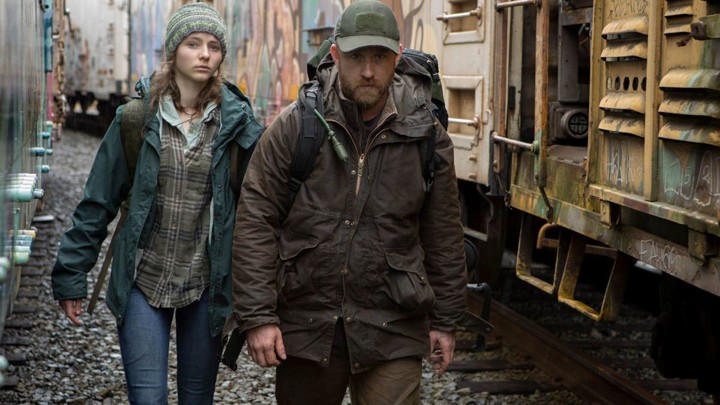
Leave No Trace is the long-awaited follow-up from director Debra Granik who last made Winter’s Bone in 2010, the film that firmly established Jennifer Lawrence into the film industry. This is a mature and emotional film that is about a PTSD-ridden father and his young daughter who are trying to fit into society. Both Ben Foster and Thomasin McKenzie are sensational and they are thrown into some really quite overwhelming situations as the film progresses. This is an affecting drama that proves Winter’s Bone was not a one-off.
16) First Reformed
First Reformed is a haunting, minor-key triumph from Paul Schrader in a return to form with Ethan Hawke at the top of his game as a Reverend having a crisis of faith. Schrader’s film explores all of his typical weighty themes of guilt, obsession and extremeism in an slow but intense fashion as the film progresses. Amanda Seyfried is excellent as a young widow whose radical environmentalist husband has cast a dark shadow on her life. First Reformed is an excellent character study and I was enthralled by it.
15) Overlord
Overlord is an effective and highly entertaining genre hybrid that is a total blast from start to finish. The premise is quite simple – set in the run-up to D-Day, we follow a group of American soldiers who have been tasked to destroy a German radio tower in an old church. However, this task is made rather difficult when their plane is shot down, in spectacular fashion, and they need to evade the Nazi’s whilst completing their mission. This is only director Julius Avery’s second feature but he clearly has the skills of a more seasoned director in how well this film is constructed. With the support of J.J. Abrams’ Bad Robot company producing, many thought this film would be another Cloverfield sequel, but it’s certainly not and it’s all the better for it in how standalone it is. There are multiple sequences here that are outstanding – the first scene in the film with the shooting down of the plane is claustrophobic and harrowing, starting the film immediately on a high. An extended sequence in an attic is masterfully paced too, as are some action sequences in the back-end of the film, but to reveal more would be to delve into spoiler territory. The violence in this film is particularly nasty at times, fully earning the film’s 18 certificate – this is not a film for the squeamish. Surprisingly, Overlord is one of the rare genre hybrid films that manages to be fully successful on that promise, whereas lots of films stumble on one of the aspects. (My original review here)
14) Halloween
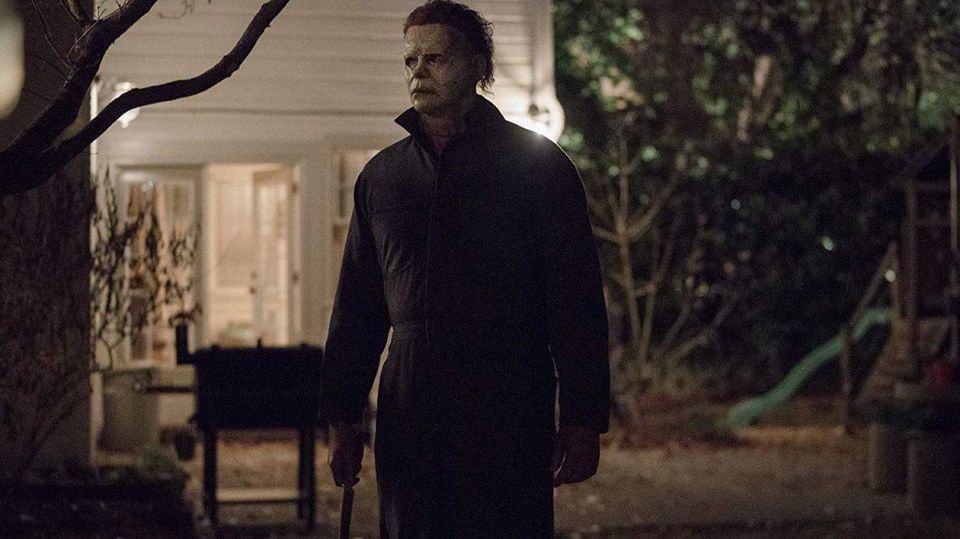
Halloween (2018) is an excellent entry in the franchise and it is clear that the filmmakers have understood what made the original work. It is a thoroughly entertaining and mostly satisfying sequel that is very much in the vein of Carpenter’s original. The central idea of exploring the psychology of Laurie and how the events of the original affected her is a genius move and there are some excellent interactions between her and her family that are authentic to reality. Jamie Lee Curtis is in brilliant form in the role that made her a star and Andi Matichak as her grandaughter puts in a barnstorming performance and is surely a rising talent. Judy Greer, who is pretty much always the weak point of any film she’s in, is not bad here as Laurie’s daughter, which is an improvement from normal. This is the Halloween film that actually delivers on the promise of a true sequel to the original. (My original review here)
13) American Animals
Bart Layton’s sophomore effort after The Imposter is a fascinating crime drama that interweaves with a docu-drama edge as we hear the real characters perspectives regularly throughout the film. The film is extremely intense in parts and is a fascinating character study on what are conflicted but ultimately pathetic characters. The score by Anne Nitikin is outstanding and the cinematography is visually sharp. American Animals is gripping from start to finish and is one of the freshest heist films in recent memory.
12) Hereditary
Hereditary is one of the most interesting films of the year in that I’m still conflicted over aspects of this film. The first time I saw it, I loved the hypnotic first half which is just perfect but the second half then goes wildly into cliched horror territory. Whilst I still believe this to be the case to a degree, on further viewings, there are some clear hidden meanings and metaphors that somewhat justify the film’s second half. Despite my issues, this is still a terrific debut from director Ari Aster who is sure to have an interesting career ahead. (My original review here)
11) Hostiles
Hostiles is another winner from director Scott Cooper – a visceral, downbeat and often gut-wrenching watch. There are many scenarios and moments in the film that are emotionally sapping and Cooper puts these characters through hell. The three leads – Christian Bale, Rosamund Pike and Wes Studi, are all on top form, all giving career-defining performances. The cinematography by Cooper-regular, Masanobu Takayanagi is jaw-dropping – there are frequent moments of awe in terms of how Takayanagi shoots the landscapes and he really makes the most of the locations, which refer visually to the Western classic, The Searchers. Max Richter’s score is also expectedly hypnotic – the score fits in so well with the film and is endlessly atmospheric, groaning and distorting with the sand flying around in the desert. The film isn’t perfect though – it does have some structural problems and some of the characters are underwritten. But for all the things Cooper gets right, Hostiles earns its spot. (My original review here)
So there we go, numbers 20 down to 11. Stay tuned for the Top Ten in a separate post…
What are your thoughts? Let me know in the comments or tweet @TheFilmMeister
The Academy Awards have now been and gone and Green Book ended up being triumphant edging out Roma which was widely believed to be the front runner for the coveted gong. Here I rank the Best Picture nominees in order of my own personal preference. Unfortunately, I have only recently managed to finish watching these films, hence why this list is rather late.
Let’s get started…
8) A Star Is Born
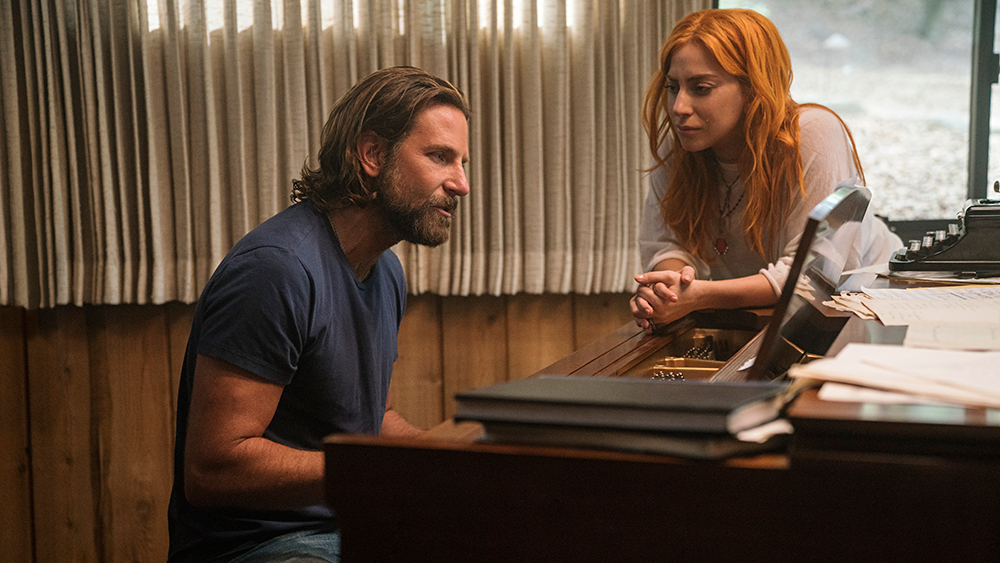
I don’t really understand the praise for A Star Is Born at all. Whilst it makes an admirable attempt to update the narrative that it is retelling and there are some great performances, particularly from Lady Gaga, I never really bought Jackson and Ally’s relationship. The numbers aren’t memorable and it is easy to tell that this has been directed by a first-time director, Bradley Cooper stepping behind the camera. Ultimately, A Star Is Born is just fine but not much more.
It is at this point that ranking the rest of the films gets pretty tough and many are interchangeable.
7) The Favourite
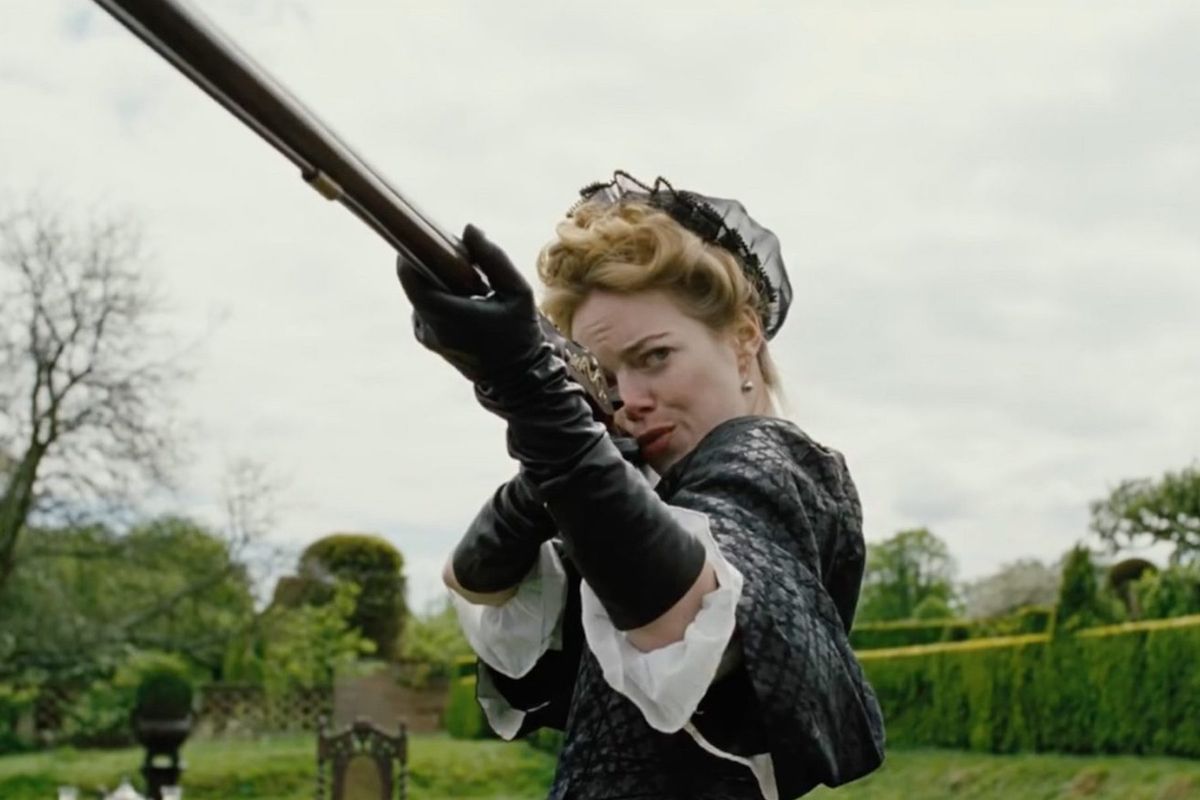
The Favourite is a good film and represents an interesting transformation for the period drama genre, making it feel rather contemporary. However, it is director Yorgos Lanthimos’ weakest film in that it lacks a lot of his signature style and it is tonally flawed. It also lacks the weight that his other films have such as The Lobster and The Killing Of A Sacred Deer and that is what made them so memorable and unnerving. Whilst it’s obviously great to see Lanthimos get Awards attention as he has deserved it for a while, it’s annoying that it’s for his weakest film and this is rather reminiscent of Christopher Nolan’s success last year for Dunkirk. I will certainly rewatch The Favourite again as there are things I think I will pick up from it on a second viewing but my first impressions are that is a suitably odd and strange work that lacks the heft of Lanthimos’ previous works. (My review here)
6) Black Panther
I really don’t understand the awards praise for Black Panther either. Although Black Panther definitely has some great moments, it is unfortunately very inconsistent, awkwardly paced and overly familiar. It’s not quite the fresh, subversive experience that was promised. The biggest problem is the narrative, which is all over the place and director Ryan Coogler seems to grapple with how best to pace the film. It’s a film that consistently seems to chop and change in its tone, from moments of wonder in the Afrofuturistic Wakanda to scenes of poverty and hardship in deprived areas. Coogler’s juxtaposition of the two extremes is obvious in the film’s narrative but it just doesn’t gel together and then when a third act storyline kicks in of feudal relations, it’s too little too late. Coogler has clearly been influenced from films such as The Lion King and the James Bond series of which there are odes to in the film, but Black Panther feels like its treading water between them. There have been many calls from fans and critics for superhero films to be taken more seriously. Unfortunately this film isn’t it and I wish that either The Dark Knight or Logan had recieved Best Picture recognition instead. In fact, the other two Marvel offerings from last year, Avengers: Infinity War and Ant-Man and the Waspare stronger films than Black Panther! (My review here)
5) Vice
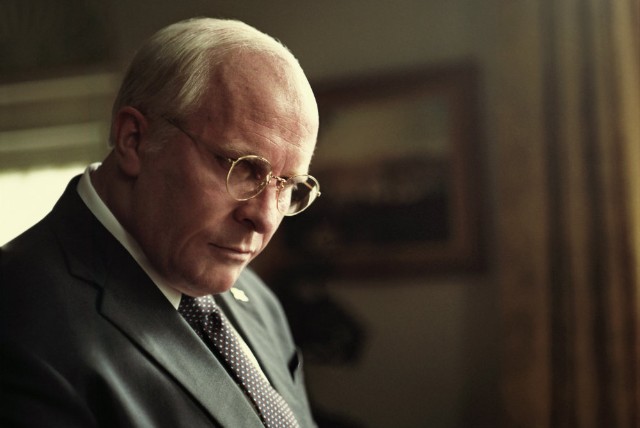
Vice is definitely watching alone for the Christian Bale performance and although Adam McKay’s directing won’t be to everyone’s tastes, he’s working with some strong material. It’s one of the lesser films this Awards season and the lavish praise this film has recieved is rather baffling. But taken on its own merits, this is an interesting and unconventional telling of America’s most powerful Vice-President in its history. There’s a lot more to like in Vice compared to Adam McKay’s previous Oscar-nominated film, The Big Short as it features a tremendous performance by Christian Bale and it tells an interesting story of his rise to power. However, it’s unfortunate that the film runs into pretty much all the same problems that plagued The Big Short as it also is rather disjointed in its pacing and similiarly boisterous in tone. There is no subtlety to McKay’s direction whatsoever and he drives his political message home with a sledgehammer throughout which often crosses the line of being preachy. Whilst there are a number of comedic moments that work, there are also moments where the film is aggressively unfunny.(My review here)
4) Bohemian Rhapsody
Bohemian Rhapsody is a well-crafted biopic that I was emotionally invested in for much of its running time. Rami Malek’s performance as Mercury is sensational and he completely inhabits the role, through his appearance, speech and mannerisms, capturing the late rock icon to a tee. The performances across the board are uniformly strong and Mike Myers is particularly good in a small role as a slimy EMI executive. Visually, the film looks good, for the most part Bryan Singer-regular, Newton Thomas Sigel’s cinematography is sound and the hair/make up and costuming are convincing, with the exception of Malek’s fake buckteeth at the beginning of the film which are a bit jarring. The film is sensible in its scope in terms of the events it goes through in the space of the 134 minute running time and achieves all the major beats in the band’s history, ending in Queen’s Live Aid performance and Mercury’s AIDS diagnosis. As a Queen fan, I’d have been more than happy to watch more if the film was longer and went into further detail but one must realise this film has to appeal on all levels. Bohemian Rhapsody is a rather sanitised affair though. Considering this is a film about a band that took risks, the film could have interrogated some of the events and the band members a little more perceptively. Other than Mercury, the rest of the band are portrayed pretty much as perfect individuals, which is not surprising that May and Taylor had a big influence and whilst Gwyilym Lee, Ben Hardy and Joe Mazzello are all very good in the roles, they don’t have all that much to do. Unlike many reviews, I found the major mis-step with the film to be the ending Live Aid concert, which goes on for a good 15/20 minutes. Newton Thomas Sigel’s cinematography in this sequence is rather too flashy for its own good, with too many aerial shots and it looks too digitised and the whole sequence almost borders on being a bit naff and karaoke-like. Flaws aside, I was surprised by how emotionally invested I ended up being in Bohemian Rhapsody and it does overall, more than manage to capture the overarching essence of the band and succeeds in how they interact, even if the film does end up playing things safe. (My review here)
3) BlacKkKlansman
BlacKkKlansman certainly maintains Spike Lee’s passions and although the film stumbles in its first half an hour or so, when we get to the heart of the story, it is a mostly gripping and infectious account of these events. When you’ve got material as fascinating as this, it’s hard not to make a gripping film. But I don’t think BlacKkKlansman ranks as one of Spike Lee’s best. It has the tendency to be rather preachy at times, ham-fistedly spelling out its message. It’s also rather unsubtle in how it’s trying to link to current events, namely the Trump presidency and America’s deeply divided culture and racism. BlacKkKlansman is definitely worth seeking out and most audiences should have a blast with it, as well as discovering and questioning the ways in which America’s society works, but it’s far from perfect. (My review here)
I’m not sure how to rank the final two films as both are excellent.
2) Green Book
Despite a somewhat problematic white saviour narrative, on the surface Green Book is a thoroughly enjoyable film with some outstanding performances from both Mortensen and Ali. The script is sharp and provides some fascinating insights into this prejudiced culture. The interplay and relationships between characters is also excellent, who I really got on board with from the start. It is well-directed by Peter Farrelly and fantastically paced. Green Book provided a controversial win at this year’s Oscars as it ultimately took the coveted Best Picture gong. Whilst I really like it as a film, the controversies surrounding how it represents race and ethnicity are valid. It is unashamedly a white saviour narrative and the film does perpetuate stereotypes. These are questions that come up after watching the film and although it does somewhat tarnish the quality of the film, I’d be lying if I said I didn’t really enjoy Green Book. (My review here)
And the best film is…
1) Roma
Viewers may well get frustrated with this film as it takes a while for the story to get going but Roma succeeds more based on the feelings of intimacy it provokes and the relationships between all of the well-developed characters. Especially once the film reaches a climactic event about two thirds of the way through, it is a masterfully haunting, meditative piece and deeply emotional. As to be expected, Roma is consistently visually arresting. Cuarón’s first time as cinematographer is an unqualified success who uses deep depths of field within each frame which give the film a personal, dream-like quality. The performances by the cast all round are excellent with Aparicio brilliant in the leading role as the reserved yet maternal maid who Cuarón digs deeper into her psyche as the film progresses. Equally impressive in her performance is Marina de Tavira as the mother of the family, a character who goes through her own upsets, but has a true respect for her family and the maids. Whilst it took a while for Roma to work its spell on me, when it did, I was utterly transfixed and resonated emotionally wih the film. I suspect on a second viewing, it’s a film that I could like even more when it begins to reveal its deeper meanings. It fully deserves all the Awards attention it is recieving and the film works both on a visual and narative level. (My review here)
Summary
Overall, this is a weak collection of films nominated for Best Picture and even Roma isn’t the strongest film to be nominated when you consider other films that have been in this category. For example, I think my top five nominees of last year’s batch would rank higher than Roma. Between the eight films on this list, there isn’t much in it in terms of quality particularly between the top seven and even the top films in this list have their own flaws.
Director: Anna Boden & Ryan Fleck Starring: Brie Larson, Samuel L. Jackson, Ben Mendelsohn, Djimon Hounsou, Lee Pace, Lashana Lynch, Gemma Chan, Annette Bening, Clark Gregg, Jude Law Certificate: 12A Run Time: 124 mins
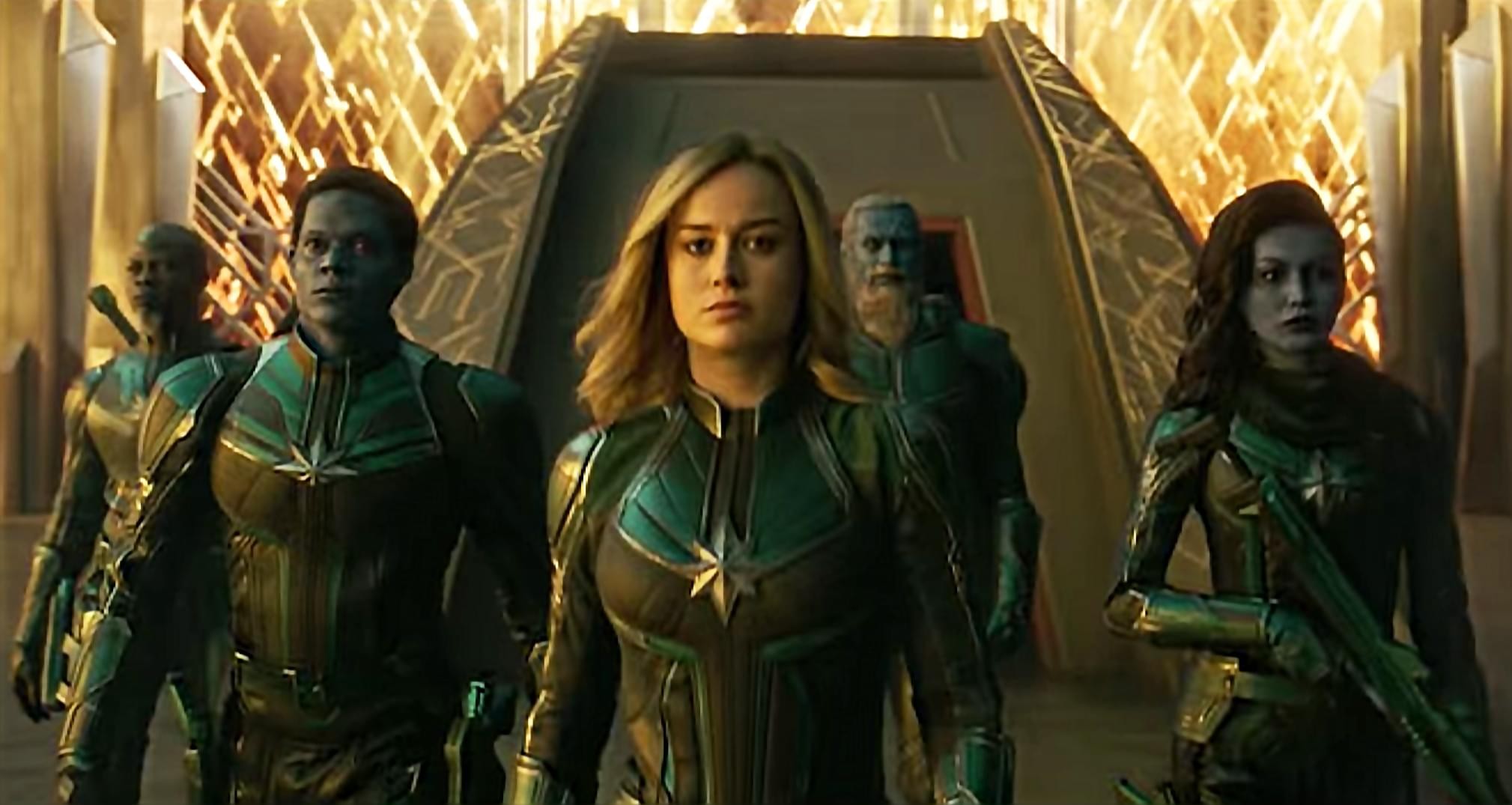
Captain Marvel is the final film before the deliriously anticipated Avengers: Endgame. Although it may seem as if it is filler material, it sets in motion the famous superhero’s story before she enters the fray with the other established Avengers. Captain Marvel also represents Marvel’s first female-led feature which is a big deal and the bar set by rival DC with Wonder Woman is fairly high. Captain Marvel is introduced in this film as an amnesiac who is training to fight a war against the Skrulls led by Kree leader Yon-Rogg (Jude Law). She has glimpses of her previous life on Earth but cannot piece together how she has come to be. This film is directed by duo Anna Boden and Ryan Fleck, who previously directed the flawed but fun Mississippi Grind. They don’t seem a great fit with the material and the marketing for the film didn’t particularly instil confidence. How does Captain Marvel fare?
Other than a wonky first act, Captain Marvel is entertaining throughout and is refreshingly light for a superhero film. It’s also a film that doesn’t spend copious amounts of time explaining everything and the decision to start the film on an alien planet with a whole race of beings audiences are not familiar with is quite bold. Once Captain Marvel finds herself on Earth, there is some great interplay between Brie Larson’s Captain Marvel and Samuel L. Jackson’s Nick Fury, who gets developed exponentially as a character here. The film is at its best when it fully embraces its 90s setting and fun is poked at Larson’s fish-out-of-water character. When the superhero antics finally arrive, the film doesn’t outstay its welcome and it’s never boring. The film has some good twists up its sleeve too and subverts expectations.
The performances are generally good, with Samuel L. Jackson and Ben Mendelsohn being the standouts. Nick Furyhas always seemed a little one-note for a Samuel L. Jackson character compared to his exhaustive filmography but here we get to see a different side to him which works well. Ben Mendelsohn, who previous collaborated with the duo on Mississippi Grind, plays a Skrull called Talos and he is equally great and is clearly having a fun time, chewing the scenery. Brie Larson is good as Captain Marvel and is better towards the film’s end but she plays the character a little stiff and wooden. But if you look back to stalwarts Chris Hemsworth and Chris Evans first outings for examples, they weren’t great so good things are to be expected once Larson and the crew have settled into their roles.
Overall, Captain Marvel is surprisingly better than expected and ranks strongly in the Marvel canon. It is ultimately a good leading film into Avengers: Endgame and it will be very interesting to see where the character is taken next. It’s particularly impressive that Boden and Fleck are able to avoid many of the genre pitfalls and suggests good things to come now that they have established the characters. This is a much better film than expected and offers strong competition against DC’s Wonder Woman.
Director: Peter Farrelly Starring: Viggo Mortensen, Mahershala Ali, Linda Cardellini Certificate: 15 Run Time: 130 mins
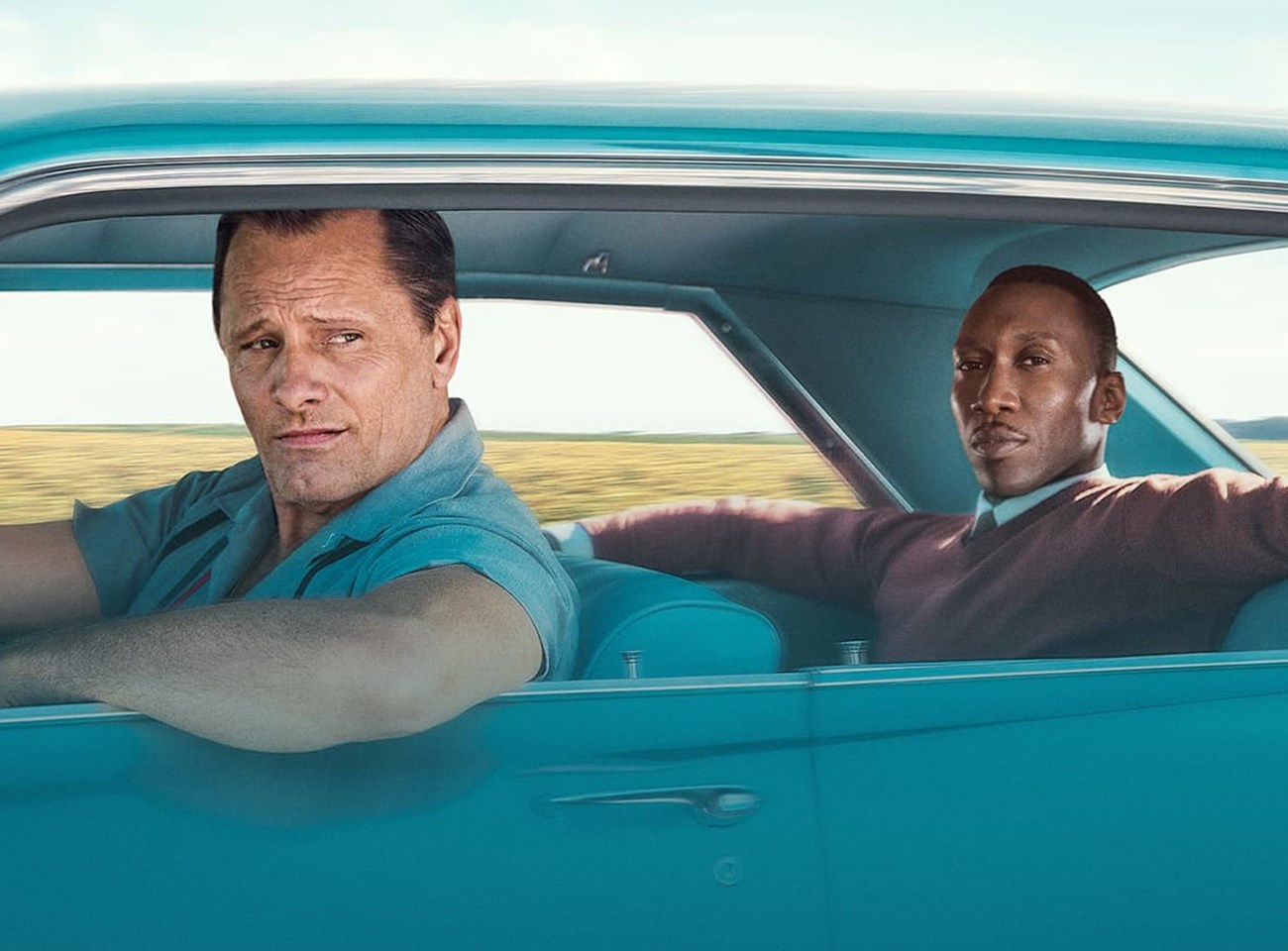
After a spotty career with more misses than hits, it seems slightly surreal that Peter Farrelly, one half of the Farrelly Brothers famous for gross-out comedy, is tackling a true story drama. Green Book tells the story of a New York bouncer, Frank ‘Tony Lip’ Vallelonga (Viggo Mortensen) who loses his job at the beginning of a film and needs work. He is portrayed to be an apalling racist, loves to eat pretty much anything and has a close knit relationship with his father. Things take a turn when he takes up a job of escorting an African-American pianist, Doctor Don Shirley (Mahershala Ali) on a musical tour through the Mid-West and Deep South. The two initially clash but are brought together after some instances of racism against Don Shirley and the two form an unlikely friendship.
Despite a somewhat problematic white saviour narrative, on the surface Green Book is a thoroughly enjoyable film with some outstanding performances from both Mortensen and Ali. The script is sharp and provides some fascinating insights into this prejudiced culture. The interplay and relationships between characters is also excellent, who I really got on board with from the start. It is well-directed by Peter Farrelly and fantastically paced.
Green Book provided a controversial win at this year’s Oscars as it ultimately took the coveted Best Picture gong. Whilst I really like it as a film, the controversies surrounding how it represents race and ethnicity are valid. It is unashamedly a white saviour narrative and the film does perpetuate stereotypes. These are questions that come up after watching the film and although it does somewhat tarnish the quality of the film, I’d be lying if I said I didn’t really enjoy Green Book.
Director: Clint Eastwood Starring: Clint Eastwood, Bradley Cooper, Laurence Fishburne, Michael Peña, Dianne Wiest, Andy García Certificate: 15 Run Time: 116 mins
The Mule is the latest by Clint Eastwood and his first performance in front of the camera since Trouble with the Curve back in 2012. Inspired by a true story, this film 90 year old horticulturist and Korean War veteran, Earl Stone, who becomes a drug mule for the Mexican Cartel. At the start of the film, we see that he is in financial hardship and estranged from his family. When he takes the job due to his love of driving and seeing the country, he doesn’t realise what he is doing until he takes a look at what he is transporting in the back of his van. Due to his age and unthreatening nature, the Cartel begin to entrust him with bigger amounts of cocaine and more trips. At the same time, the DEA are investigating the Cartel and start to close in on Stone. Eastwood has a knack for working with fascinating material, demonstrated by his vast filmography both in front of and behind the camera. Both American Sniper and Sully were excellent additions to his most recent filmography but The 15:17 to Paris marked a major disappointment, despite the interesting premise.
The Mule is a gripping film that ramps up the tension throughout its run time and has a commanding, grizzled performance from Eastwood. Eastwood has played this type of gruff character many times throughout his impressive career but it still works, particlarly when paired with the fascinating story. The film also teaches some well-intentioned messages and morals and there’s an admirable relationship within Stone’s family that felt authentic and also the relationship between Eastwood and Bradley Cooper’s DEA agent. I also really liked how Eastwood humanized the drug cartel members which results in some memorable characters for Eastwood to interact with. In fact, the script by Nick Schenk, who also wrote Gran Torino which is another excellent Eastwood film, is razor-sharp and efficiently paced. Much like The Old Man and the Gun, another recent release which tackles many of the same themes as this film, The Mule interrogates the existential themes of what makes Eastwood’s character work and why he continues to work for the cartel when he knows what he is doing.
The film is not without fault and there is one scene that is a mis-step in this film. There is a sequence in which Eastwood’s character is invited to meet a cartel member and what follows is a sequence of debauchery which is quite uncomfortable in how straight it is played and unnecessary.
Ultimately, The Mule is a return to form for Eastwood after a disappointing blip and is a gripping account of this interesting narrative. Out of the films Eastwood has directed in the 2010s, it would be a close call between The Mule and Sully between which is the best. It’s a shame this film hasn’t made a bigger impression critically within the film industry and much like Robert Redford in The Old Man and the Gun, if this does end up being Clint Eastwood’s swansong in front of the camera, it would be a fine note to go out on.
Director: Karyn Kusama Starring: Nicole Kidman, Sebastian Stan, Toby Kebbell, Tatiana Maslany, Bradley Whitford, Jade Pettyjohn, Scott McNairy Certificate: 15 Run Time: 123 mins
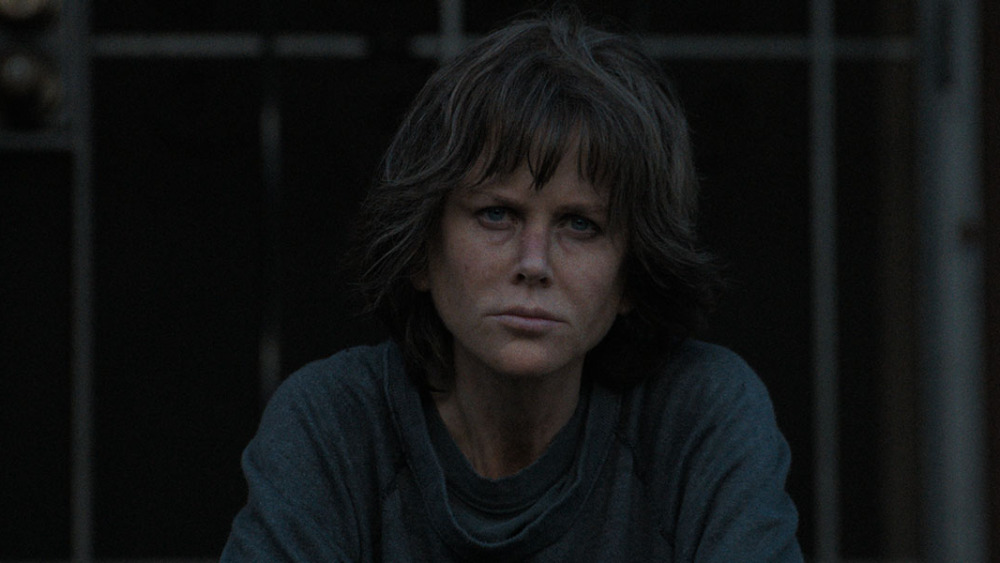
Although much has been touted of Nicole Kidman transformative performance, Destroyer functions well first and foremost as a film. This is a dark, twisty crime thriller that follows Kidman’s unorthodox LAPD detective who tries to take down members of a shady gang, after her cover was blown years prior, which the film portrays these events in tandem. Kidman’s detective looks not far from death with a weary, almost decaying face and she doesn’t keep herself in good health. However, Kidman isn’t the only bright spot of the cast as they are all transformations, with Toby Kebbell in particular standing out as the slimy main antagonist. Although a small role, Bradley Whitford also makes an impression as a nasty lead in Kidman’s case.
Director Karyn Kusama has had a somewhat spotty career, previously behind the now positively reassessed feminist dark comedy Jennifer’s Body and The Invitation, the latter of which had a great premise but a lacklustre third act. Destroyer definitely marks her best work and her direction is fantastic, from the way in which the story is told to the technical aspects. There is a particularly gripping and gritty action sequence set in a bank in the latter half of the film which is just jaw-dropping in its unpredictability and rawness. Julie Kirkwood’s cinematography further heightens the tension and the film has an interesting colour pallette.
Ultimately, Destroyer is a dark and suitably dour descent into the unravelling of Kidman’s go-for-broke detective that is a dark horse this Awards season. It deserves far more credit than it has recieved as it is a much better film than people are making out to be, with the highlight not just being Nicole Kidman’s performance that many see as the film’s main asset.
Director: Adam McKay Starring: Christian Bale, Amy Adams, Steve Carell, Sam Rockwell, Tyler Perry, Alison Pill, Jesse Plemons, LisaGay Hamilton, Eddie Marsan, Bill Camp Certificate: 15 Run Time: 132 mins
Vice is Adam McKay’s second foray into more serious filmmaking after directing The Big Short which did well in its respective Awards season. Before then, McKay was responsible for his many collaborations with Will Ferrell, with films such as Anchorman and Talladega Nights. The Big Short was an interesting film – an unconventional investigation into the American financial housing crisis in 2007-8 that regularly broke the fourth wall with its explanations of financial concepts and had some good performances. However, the ambition behind the camera was more admirable than the film itself as I found it very obnoxious tonally and its pacing was very disjointed. McKay’s sophomore more serious effort is a biopic, very much in the same vein of The Big Short, focussing on Dick Cheney and his path to becoming the controversial, powerful Vice-President. Christian Bale looks unrecognisable as Cheney, gaining 18kg and wearing lots of prosthetics, much like Gary Oldman’s take on Churchill last year in Darkest Hour only with a bit more effort on Bale’s part put in by gaining the weight.
There’s a lot more to like in Vice compared to The Big Short as it features a tremendous performance by Christian Bale and it tells an interesting story of his rise to power. However, it’s unfortunate that the film runs into pretty much all the same problems that plagued The Big Short as it also is rather disjointed in its pacing and similiarly boisterous in tone. There is no subtlety to McKay’s direction whatsoever and he drives his political message home with a sledgehammer throughout which often crosses the line of being preachy. Whilst there are a number of comedic moments that work, there are also moments where the film is aggressively unfunny.
At least these negative aspects to the film are significantly muted compared to The Big Short. The story itself that McKay tells is fascinating and the way the story is structured is interesting. The performances are uniformly strong with Bale the obvious standout and there’s also a brilliant, muted performance by Tyler Perry. Technically, the film is excellent. All of the characters look impressively authentic and the film is well-shot and edited.
Overall, Vice is definitely watching alone for the Christian Bale performance and although McKay’s directing won’t be to everyone’s tastes, he’s working with some strong material. It’s one of the lesser films this Awards season and the lavish praise this film has recieved is rather baffling. But taken on its own merits, this is an interesting and unconventional telling of America’s most powerful Vice-President in its history.


















 The Film Meister