


The Academy Award nominations celebrating the films of 2025 have been announced and here, I’ll rank the Best Picture contenders in order of my own personal preference.
This year’s nominees represent a slight upgrade on the 2025 crop (an incredibly weak year), but I still don’t think it’s up to the 2024 gold standard. While there are five (six at a push) deserving candidates, it’s another weak year with lots of undeserving choices. It wasn’t that there was a shortage of options – there were some truly excellent films that should have made the cut, such as Weapons, No Other Choice or Zootopia 2.
The winners will be announced in the Academy Awards ceremony on 15th March 2026.
10) Hamnet
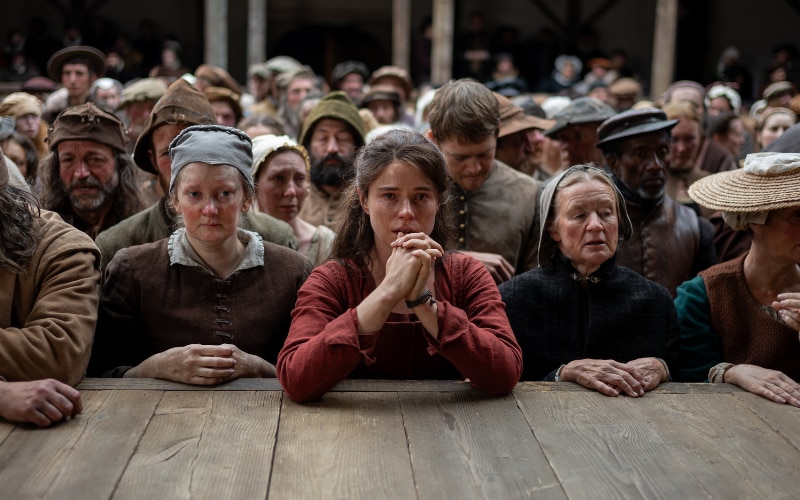
Hamnet is the new film by Chloé Zhao, of Nomadland fame. An adaptation of the 2020 novel of the same name by Maggie O’Farrell, Hamnet dramatises the life of William Shakespeare (Paul Mescal) and his wife Agnes (Jessie Buckley) from their courtship to how they cope with the tragic death of their 11-year-old son. I found Hamnet to be a very disappointing experience – an overlong, emotionally manipulative film that continuously and aggressively tries to get its audience to weep. Zhao’s film has the subtlety of a sledgehammer. Rather than getting invested in the depressing events it depicts and really feeling for the characters, I found myself rolling my eyes on multiple occasions and on the border of sniggering during what’s supposed to be a traumatic childbirth sequence because the film grossly overeggs it. What’s more, I don’t understand the praise Jessie Buckley is receiving for her performance – I thought she was terrible. The problem is she’s simply miscast and her natural smirk does her no favours with the character’s emotional baggage. It’s unfortunate Buckley is also saddled with some rather trite dialogue. Throw in the egregious use of Max Richter’s ‘On The Nature of Daylight’ in the emotionally manipulative finale and it’s a recipe for disaster.
9) Sinners
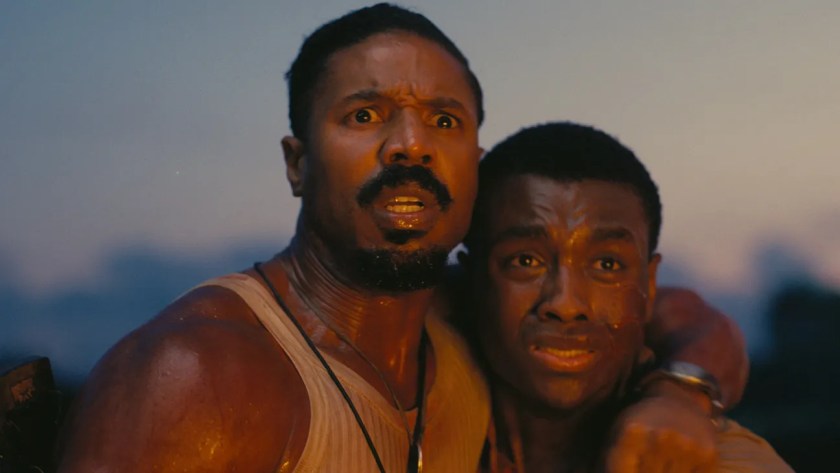
I’ve watched Sinners twice now because I didn’t get the universal love for it the first time round, and I stand by that opinion after a rewatch. An original horror film written, co-produced and directed by Ryan Coogler, Michael B. Jordan stars in a dual role as twin brothers Elijah ‘Smoke’ and Elias ‘Stack’ Moore who return to their home after spending years working for the Chicago Outfit. They buy a sawmill from a racist landowner with stolen cash from the gangsters so they can open a juke joint for the local black community. After recruiting a team of staff, the Moore’s cousin Sammie’s (Miles Caton) blues music is so transcendent that it unknowingly summons spirits, unfortunately attracting the attention of some vampires led by Irish-immigrant Remmick (Jack O’Connell). Sinners is an ambitious piece and while it’s refreshing that Coogler’s got to make a relatively big-budget ($100 million) original work is to be commended, the film is rather messy in its construction. Coogler’s script is the fundamental problem – it’s too talky and expository, and none of the themes are explored with any form of subtlety. There’s also next-to-no character development, despite the cast doing the best with the material they’ve got. For example, I found it difficult in distinguishing the difference between Michael B. Jordan’s characters. Still, Jordan puts in a committed performance and of the supporting cast, it’s Delroy Lindo that’s the standout as an alcoholic pianist. While there’s the beginnings of a formidable villain in Remmick (I particularly appreciated his abrupt entrance in how he seems to drop out of the sky), the vampire element of Sinners didn’t work for me. Coogler is clearly more interested in the transcendent music and rushes through the film’s blood and guts, with no tension whatsoever.
There’s certainly many plus points though, chiefly some very entertaining sequences here and there. The world that Coogler creates feels authentic, from everything to the costume and set design – the film certainly wears its reasonable budget with pride. Ludwig Göransson’s score also stands out, really elevating the film in how it flirts with all manner of generational and musical genres. Autumn Durald Arkapaw’s cinematography deftly captures the hot, arid nature of the Mississippi but some of the nighttime shots are too darkly lit.
8) Train Dreams
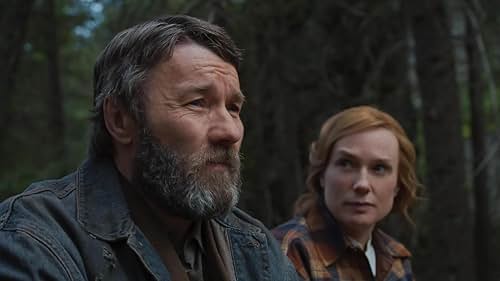
Tonally, Train Dreams falls somewhere in between The Tree of Life and The Assassination of Jesse James By The Coward Robert Ford, and it’s got an excellent Joel Edgerton lead performance as Robert Grainier, who this film tells the story of his 80-year life. It’s beautifully shot by Adolopho Veloso with a thoughtful Bryce Dessner score, and the film borders on being profound particularly in its closing moments of how someone can live through a life of technological developments. But Train Dreams lacks the elegiac nature of either of those reference points and after watching this film twice, I find it to be rather hollow. While undeniably an ambitious effort by Clint Bentley (this is only the director’s second film), Train Dreams is more style-over-substance.
7) F1

F1 is the hotly anticipated Apple TV-fronted mega-budget film about the race circuit, with Lewis Hamilton credited as a producer who prances onto screen at one point, alongside other big racing names. The film’s directed by Joseph Kosinski, who has plenty of experience with big-budget fare and is riding on a high after Top Gun: Maverick (and the little seen but excellent Spiderhead). Although F1‘s story feels like it was written on the back of a cigarette packet, it’s Joseph Kosinski’s kinetic direction that ultimately makes the film work, along with some committed performances. There’s nothing here to rival the dogfight at Top Gun: Maverick‘s climax, but the race sequences here are vividly shot by Kosinski’s regular cinematographer Claudio Miranda and exciting to watch unfold. It’s testament to the quality of the direction that I was never bored (despite the paper-thin story) during the lengthy 156 minute run time. And although it’s far from his best work, Hans Zimmer’s score has its moments. Brad Pitt is effortless as the has-been racer, who has made a bit of a mess of his life with a gambling addiction and three marriage breakdowns, as he grapples with the changing landscape of the Formula One scene. The chemistry he shares with Damson Idris’s hotshot rookie Joshua Pearce, is excellent and develops at a fine pace. But while F1‘s fun and puts a smile on your face in the moment, I’m really not so sure it should be considered Oscar material…
6) Frankenstein
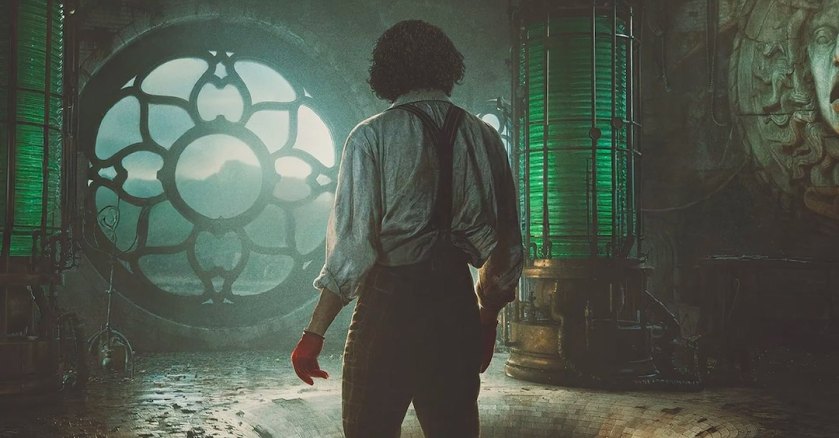
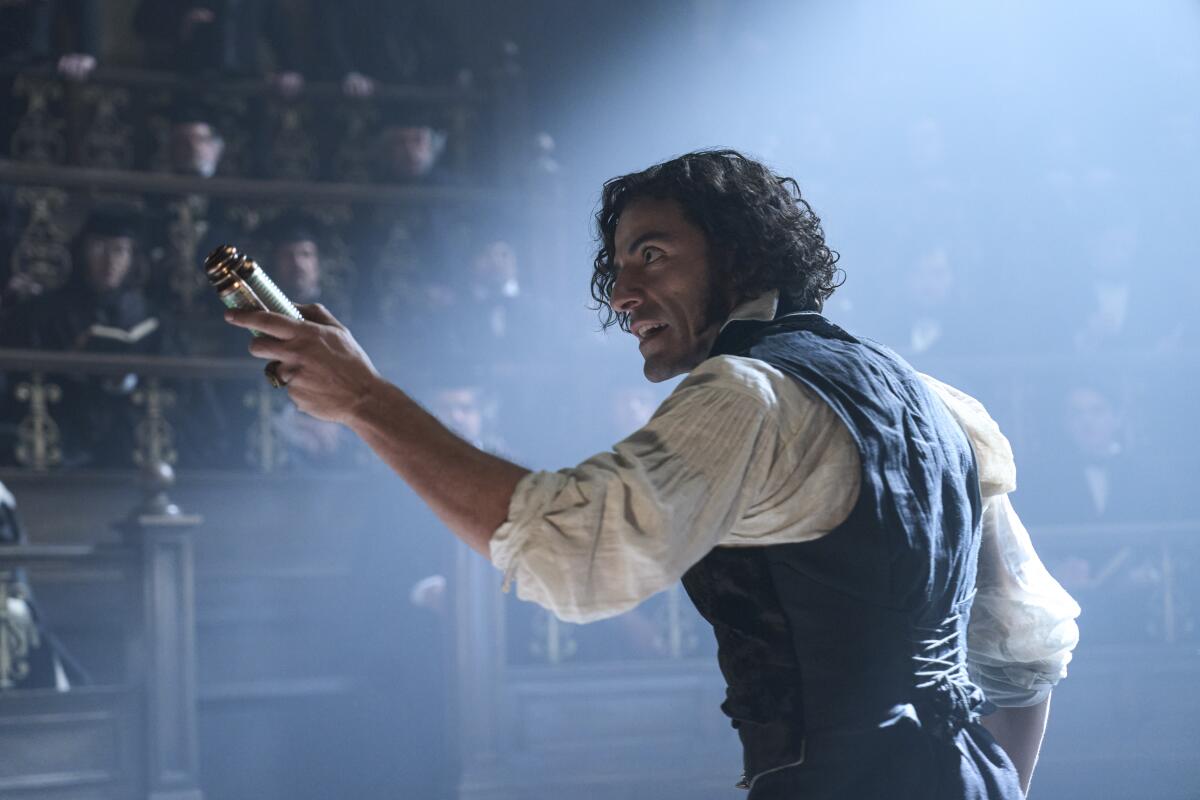
Frankenstein is visionary director Guillermo del Toro’s long-awaited passion project that he’s been trying to get off the ground since 2007 when he first started crafting concept art. Adapting Mary Shelley’s highly influential 1818 novel certainly plays to the director’s strengths, who has made a career for himself with his grotesque-looking monsters and Gothic imagery. Del Toro has once again joined forces with Netflix for Frankenstein and although Doug Jones and Andrew Garfield (and Benedict Cumberbatch was courted at one point) were previously attached to play the monstrous creation, it’s Saltburn‘s Jacob Elordi who undergoes the transformation. Oscar Isaac plays the titular surgeon, who we see being chased by his creation in the opening scenes where he then gets rescued by the Horisont Royal Danish Navy ship that’s trapped in the ice. After the prelude, the film is split between Victor’s and The Creature’s perspectives. Was Del Toro’s passion project worth the lengthy wait?
To a large extent, yes. Frankenstein is a sumptuous Gothic feast with a standout performance from an unrecognisable Jacob Elordi. From a technical perspective, it’s a beautiful-looking film, gracefully shot by Del Toro’s preferred cinematographer Dan Laustsen and I loved the use of symbolic colours, especially the red Frankenstein’s ill-fated mother is bathed in. There’s also a handful of excellent set-pieces, such as the opening chase to the ship, the monster’s creation and a melancholic extended section in a blind man’s home. Alexandre Desplat’s romping score often stands out too, but it’s a shame there isn’t an overarching main theme to latch onto. This is definitely a film to experience on the biggest screen you can find (as I was lucky to do so), and it’s a shame that most will be watching Del Toro’s passion project via the streaming giant. Although the film’s always entertaining, it never quite soars. Like Nightmare Alley, it’s overlong and the film would have benefitted from having a good 20 to 30 minutes chopped. What became more apparent on the second viewing on the small screen was just how wordy Del Toro’s script is, and some of the dialogue stilts the film.
5) The Secret Agent
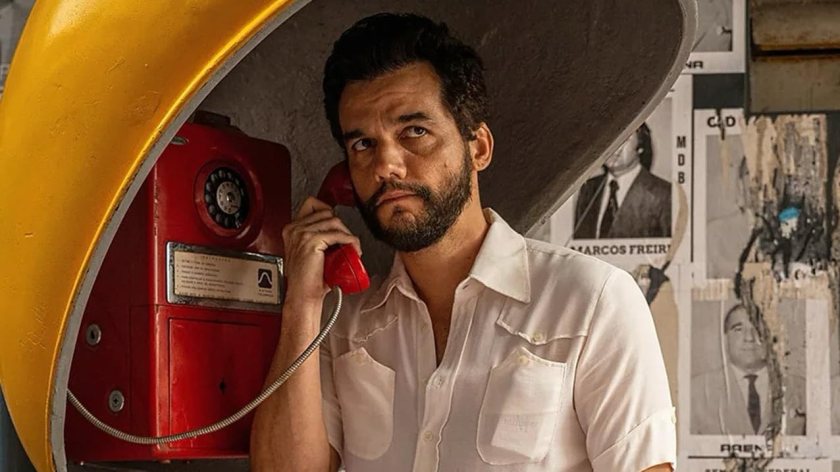
Although ramshackle in its construction, The Secret Agent is a powerful film with an outstanding central performance from Wagner Moura. It’s particularly period-appropriate in its sun-dried setting and rich characters from the warm refugees Marcelo shares a block of flats with (run by Dona Sebastiana, in an endlessly charismatic performance by Tânia Maria). From the gripping opening scene, human life is treated as expendable as Marcelo fills his car up at a petrol station where a fly-encrusted corpse is rotting in the corner, and when the police turn up, they’re more interested in finding something wrong with his car than they are about the casualty – death is simply a way of life. Even more impressive is how Filho contrasts these realistic skits with surreal images, such as a symbolic severed leg.
If you can get on board with The Secret Agent and have patience with its themes that may at first seem arbitrary, it’s an enriching experience that’s profound in its exploration of this dark age of Brazilian history. It won’t be for everyone, but this is fearsomely original filmmaking with a brilliant Wagner Moura performance that deftly balances warm characters, surrealism and emotional poignancy – once you get past the somewhat disjointed first half.
4) Sentimental Value
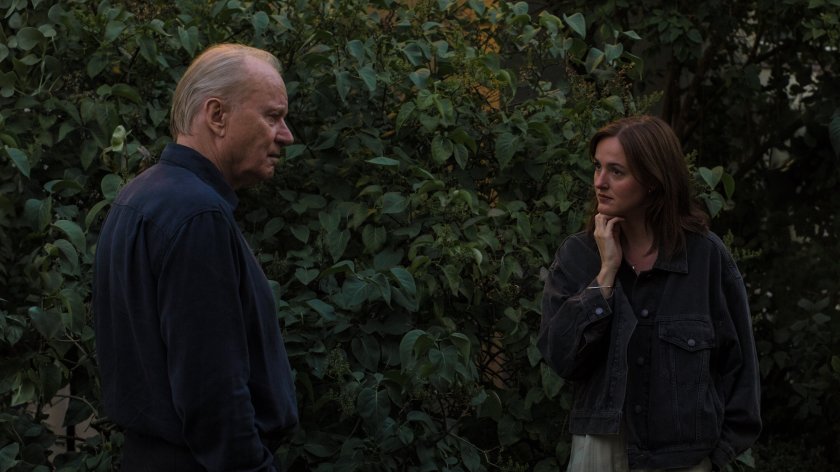
Sentimental Value is the new film by Joachim Trier and has received quite the acclaim, especially for Stellan Skarsgård’s performance. This is an excellent drama that maturely melds history, stardom and generational trauma with brilliant performances across the board, not just from Skarsgård. Trier skilfully builds the relationship between Gustav and his daughters (Renate Reinsve and Inga Ibsdotter Lilleaas) to the point where we know what the characters think just by their facial expressions and body language, rather than by what isn’t said. This is a film about what it means to be an artist and how one can express themselves and find meaning with the parallels in their lives, while also untangling the building trauma the characters have experienced in their past. I also loved the smart smatterings of film industry criticism, such as how Netflix tends to limit theatrical releases and how Gustav looks to reunite with his preferred cinematographer.
Skarsgård is excellent and deserving of the critical acclaim he’s received as the director getting back in the saddle. He sensitively conveys his need of another hit but I also fully bought him as someone who wants to fix the familial cracks in the process, even if he clearly lacks the emotional intelligence. But it’s Renate Reinsve and Inga Ibsdotter Lilleaas who are Sentimental Value‘s standouts and some of the best acting I’ve seen this year. Their characters are particularly authentic as close siblings, with both deftly portraying the cracks and ripples their tainted childhood has had on them. But the sisters are both very different from each other – Reinsve’s Nora is impulsive and vulnerable, whereas Lilleaas’s Agnes is more maternal and level-headed. The film’s technically brilliant too, lusciously shot by Riders of Justice cinematographer Kasper Tuxen who balances the almost documentary-like feel of some of the everyday life and filming scenes with several surreal and dream-like sequences. He knows when to hold onto a shot for maximum effect and there’s an interesting colour palette throughout. The film’s also complemented by a thoughtful score by Hania Rani, which never feels emotionally manipulative.
3) Bugonia

Yorgos Lanthimos’s latest, which stars Emma Stone as the CEO of a pharmaceutical company, who is abducted by conspiracy theorist Teddy Gatz (Jesse Plemons) and his disabled brother Don (Aidan Delbis). Bugonia is yet another thought-provoking work from Lanthimos, packing plenty of surprises and thrills up its sleeve. This is a film that keeps you second-guessing throughout with its complex characters and striking visuals, and like lots of his work, it’ll take multiple watches to fully unpack. I’ve always found Lanthimos is at his best when he’s on scriptwriting duties with his co-writer Efthimis Filippou (they co-wrote Dogtooth, Alps, The Lobster, The Killing of a Sacred Deer and Kinds of Kindness together) with their arch dialogue. It’s why The Favourite didn’t fully work for me. And although Will Tracy’s script isn’t quite as arch as what Lanthimos and Filippou would conjure, I didn’t notice the writing as much as I did in The Favourite.
While Emma Stone is reliably excellent as Michelle, it’s Jesse Plemons and Aidan Delbis that really stand out as the abductors. Plemons is scarily convincing as the unkempt Teddy, who constantly takes advantage of his cousin with his conspiracy theories and has a very short fuse – I hope he’s recognised come Awards season. Delbis is equally brilliant in his debut role, brilliantly balancing the vulnerability of his disability with a clear sense of right and wrong. Robbie Ryan’s cinematography is outstanding, shooting the film in VistaVision with a vivid colour palette. Jerskin Fendrix, who seems to also becoming Lanthimos’ new composer of choice given this is his third collaboration, turns in a career-best score. The monumental score beautifully compliments the events on-screen, upping the intensity with memorable themes. Bugonia is yet another excellent Lanthimos film that kept me gripped throughout with its fascinating story, memorable performances and stunning visuals.
2) Marty Supreme

Marty Supreme is Josh Safdie’s first film as a solo director since 2008, after his many collaborations with his brother Benny. This sports drama is loosely inspired by the life and career of American table tennis player Marty Reisman, and stars Timothée Chalamet as Marty Mauser, an aspiring and ambitious table tennis champion. It’s a film Safdie has been wanting to make for a while, with Chalamet cast all the way back in 2018, the actor practicing the sport ever since.
This is a brilliant sports drama with a terrific Timothée Chalamet central performance and a tension-filled atmosphere. It reminded me heavily of Uncut Gems, the last film the Safdies directed together, in how it sustains a palpable tension throughout with Marty continually digging himself into more desperate situations. That Josh Safdie has been able to make such a gripping film out of what may seem like a low-stakes sport is a commendable achievement. The film is stunningly shot by Darius Khondji, with a seedy aesthetic that faithfully recreates a 1950s feel and there’s a pulsating score by Daniel Lopatin that dominates over the entire film. This is a wild thrill ride from start to finish that never lets you take a breather and it’s impressive how Safdie gets you to root for a host of unlikeable characters.
And the best film is…
1) One Battle After Another

One Battle After Another is a Paul Thomas Anderson triumph – it’s a giddily exciting action epic with plenty of thrilling surprises up its sleeve. It’s fiersomely original, Anderson constantly subverts expectations in a refreshing way with some outrageous set-pieces too. There’s two heart-racing car chases, with the one in the final act particularly memorable for how simple it is – cinematographer Michael Bauman (who also lensed Licorice Pizza) intercuts between three drivers and a stunning desert vista. A 20-minute extended sequence mid-way through the film where DiCaprio’s character needs to evade the authorities is another wildly entertaining highlight. But under the surface of this riveting story, Anderson has plenty to ruminate on the current state of American affairs but in a playful way with plenty of intelligent humour.
Leonardo DiCaprio is fantastic in the lead, dabbling his hand at comedy once again after his last turn in the underrated Don’t Look Up. Once a sharp and intelligent explosives expert, Anderson gets a lot of mileage out of the character who fries his brain with drugs after 16 years and DiCaprio nails it. Is this one of his best roles? It’s hard to say because the actor is so good in almost everything he’s in. Sean Penn puts in career-best work as the bigoted Colonel Lockjaw, an utterly ridiculous and tragicomic racist military officer with a particularly memorable walk. Benicio Del Toro is another standout too as a chilled-as-a-cucumber karate teacher – “I’ve had a few small beers” has already entered the lexicon. The film is beautifully shot on VistaVision by Michael Bauman and Jonny Greenwood turns in a thoroughly unconventional but sensational score. One Battle After Another is a near-masterpiece from Paul Thomas Anderson and it’s certainly his best film since There Will Be Blood.






















































 The Film Meister